

 プレビュー
プレビュー
 プリントを購入
 シェアする
シェアする シェアする
シェアする
 詳細を見る
詳細を見る

 ダウンロード
 似ている作品
 X線調査
X線調査 スライドショー
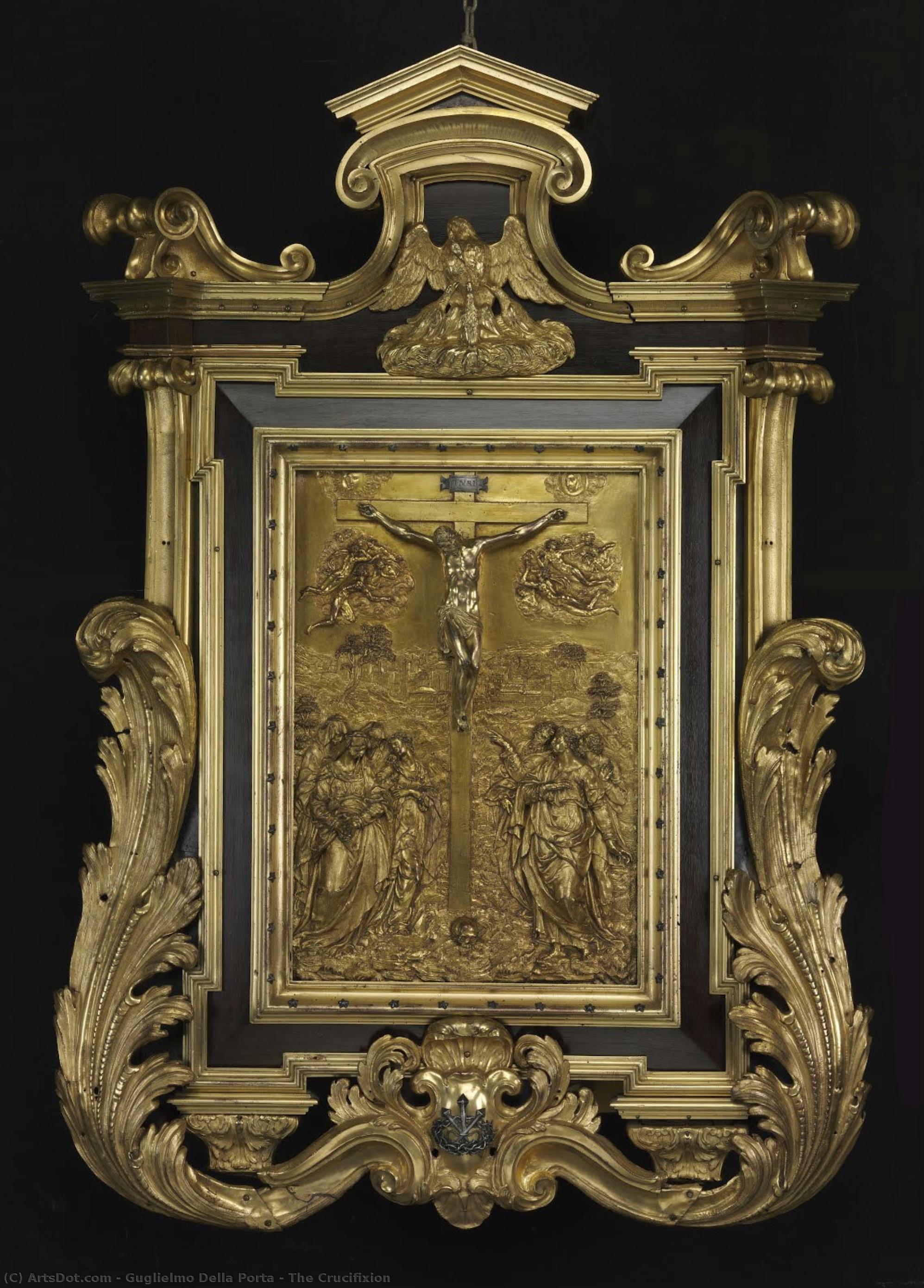
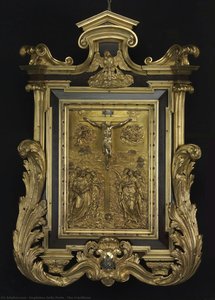
The Crucifixion


 詳細を見る
詳細を見る
オンラインプレビューをはるかに凌ぐ、高解像度で鮮明なデジタル画像をご購入いただけます。
各ファイルは、社内の専門家が高度なツールと熟練した手作業によるレタッチを用いて、細心の注意を払って準備されています。すべての画像において、卓越した鮮明度、正確な色彩再現性、そして繊細なディテールを保証いたします。
最終ファイルは、プロフェッショナルな編集・印刷環境ですぐにご利用いただけるよう最適化された状態で、72時間以内にメールにてお届けいたします。これは、一流のデザインスタジオ、出版社、ギャラリーから信頼されているものと同等の品質です。
デジタル画像のご注文に付随する特典
高品質なデジタル画像配信を、確かな品質で。
ArtsDot.com を選ぶことは、単に画像を手に入れることではありません。それは、プロの手によって精密に仕上げられ、満足保証が付いた高品質なデジタルアートワークを受け取ることを意味します。ご注文いただいた際に自動的に付随する内容は、以下の通りです:

メールですぐにお届け
ご注文から72時間以内に、高解像度のデジタル画像ファイルがメールでお手元に届きます。すぐにそのままご利用いただけます。

AI技術で最適化されたデジタルファイル
お客様の作品は、高度なAIツールと専門家による手作業の編集を組み合わせてプロフェッショナルに最適化されており、細部のディテール、鮮明さ、そして正確な色再現性を最大限に引き出しています。

一生涯無料の再送サービス
ファイルを誤って削除したり、紛失してしまったりしましたか?ご安心ください。いつでも無料で再送いたします。

輸入手数料は一切かかりません
関税や手数料、配送料を気にすることなく、お気に入りのアートワークをすぐにお楽しみいただけます。デジタルダウンロードは常に免税です。

色彩再現の保証
プロ仕様のツールとカラーマネジメント技術を用いることで、デジタル画像が元の色を最大限に忠実に再現することを保証いたします。

100日間満足保証
ご購入いただいたデジタル画像にご満足いただけない場合は、100日以内であれば、修正または100%の返金(理由を問う必要はありません)をさせていただきます。

100% 返金保証
ご満足いただけない場合は、デジタルファイルを受け取ってから100日以内であれば、理由を問わず全額返金いたします。

まとめ買い割引
3枚購入で10%OFF - 5枚購入で15%OFF - 10枚以上購入で20%OFF。クリエイティブなプロジェクト、ギャラリー、エージェンシーに最適です。
関連作品

作家の略歴
Guglielmo della Porta: Sculptor of Milanese Mannerism
Guglielmo della Porta, born in Northern Italy around 1505 and passing away in Rome in 1577, stands as a pivotal figure within the evolving landscape of Renaissance sculpture. More than simply a craftsman, he was a student deeply influenced by the giants of his time – Leonardo da Vinci and Perin del Vaga – and a key contributor to the stylistic shifts that defined the Mannerist period. His journey, beginning in the workshops of his family and culminating in the service of the Papacy, reveals a trajectory marked by apprenticeship, experimentation, and ultimately, a distinctive artistic voice. Della Porta’s legacy isn't found in grand, revolutionary gestures but rather in the meticulous detail, sophisticated compositions, and subtle emotionality that characterize his enduring works.Initially trained under his uncle, Giovanni Giacomo, della Porta spent formative years within the bustling construction site of Milan Cathedral. This early experience exposed him to the monumental scale and diverse techniques employed in creating a civic masterpiece – a crucial foundation for his future endeavors. A particularly significant aspect of this period was his task of reinterpreting Leonardo da Vinci’s designs, an assignment that undoubtedly shaped his understanding of proportion, perspective, and the integration of classical ideals within a contemporary context. Leonardo's influence is palpable in della Porta’s later work, particularly in his embrace of dynamic poses and complex spatial arrangements.
Around 1530, della Porta relocated to Genoa, where he continued to hone his skills under the tutelage of Perin del Vaga, a painter known for his elegant style and mastery of illusionistic space. This move proved transformative, exposing him to the vibrant artistic scene of the Ligurian city and providing opportunities to work on prestigious commissions, including those for Villa del Principe and Palazzo di Andrea Doria. These projects demanded not only technical proficiency but also an understanding of luxurious materials and sophisticated decorative schemes – elements that would become hallmarks of his later style.
The Influence of Leonardo and Perin del Vaga
Della Porta’s artistic development was profoundly shaped by two distinct yet complementary influences: the intellectual rigor of Leonardo da Vinci and the refined elegance of Perin del Vaga. Leonardo, a master of observation and anatomical accuracy, instilled in della Porta a deep appreciation for realism and a meticulous approach to rendering form. The sculptor's ability to capture subtle nuances of expression and movement is a testament to this early training. Simultaneously, Perin del Vaga’s emphasis on decorative effects, sophisticated color palettes, and the creation of illusionistic spaces provided della Porta with a framework for developing his own unique style – one characterized by a masterful manipulation of light, shadow, and texture.
The interplay between these two influences is particularly evident in his early works. Della Porta’s sculptures often exhibit a remarkable balance between anatomical precision and decorative embellishment, reflecting the synthesis of Leonardo's scientific approach and Perin del Vaga’s artistic sensibilities. This fusion would become increasingly pronounced throughout his career, culminating in his later commissions for the Papacy.
Major Works and Artistic Style
Della Porta’s oeuvre encompasses a diverse range of projects, reflecting his versatility as a sculptor, architect, and draftsman. His contributions to the Tomb of Pope Paul III in St. Peter's Basilica stand as perhaps his most significant achievement – a monumental undertaking that showcased his mastery of marble carving, architectural design, and sculptural composition. The tomb’s intricate details, dynamic poses, and sophisticated use of light and shadow demonstrate della Porta’s ability to synthesize classical ideals with contemporary artistic trends.
Other notable works include the Bust of Pope Paul III, a remarkably lifelike portrait that captures the dignity and gravitas of the Papal figure; and his involvement in the decoration of the Chapel of Peter and Paul in Genoa Cathedral. Throughout his career, della Porta consistently demonstrated an aptitude for capturing human emotion and portraying figures with a sense of psychological depth – qualities that distinguish his work from more purely formalistic Mannerist sculptures.
Legacy and Historical Significance
Guglielmo della Porta’s impact on the development of Italian sculpture during the late Renaissance is undeniable. He was not merely a follower of established styles but rather an innovator who skillfully blended classical influences with contemporary artistic trends, forging a distinctive Mannerist aesthetic. His meticulous attention to detail, sophisticated compositions, and subtle emotionality continue to resonate with viewers today.
Furthermore, della Porta’s career exemplifies the interconnectedness of art and architecture during the Renaissance – a period in which sculptors often served as architects, designers, and draftsmen. His work reflects a holistic approach to artistic creation, demonstrating his ability to integrate sculpture into broader architectural contexts and contribute to the overall aesthetic harmony of buildings and public spaces. He remains an important figure for understanding the transition between the High Renaissance and the Baroque period.
Guglielmo della Porta
1515 - 1577 , Italy
プロフィール概要
- Artistic Movement Or Style: Mannerist sculpture
- Artists Or Movements Influenced By This Artist: ['Michelangelo']
- Artists Who Influenced This Artist:
- Leonardo da Vinci
- Perin del Vaga
- Date Of Birth: Northern Italy, Italy (1515)
- Date Of Death: 1577
- Full Name: Guglielmo della Porta
- Nationality: Italian
- Notable Artworks:
- Bust of Pope Paul III
- Tomb of Pope Paul III
- Place Of Birth: Italy