

 プレビュー
プレビュー
 プリントを購入
 シェアする
シェアする シェアする
シェアする
 詳細を見る
詳細を見る

 ダウンロード
 似ている作品
 X線調査
X線調査 スライドショー
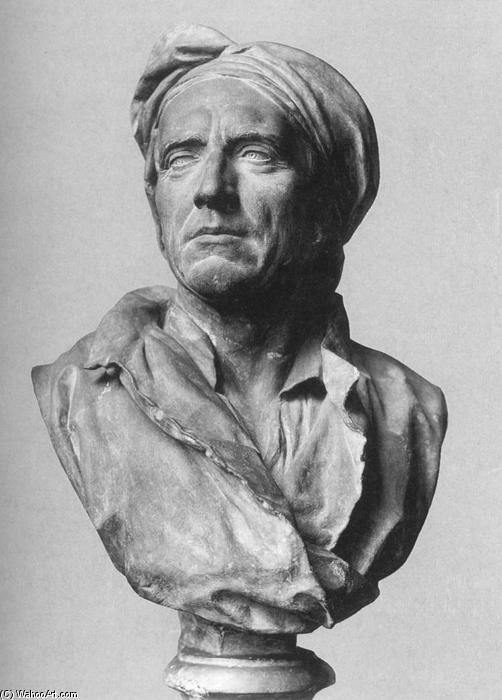
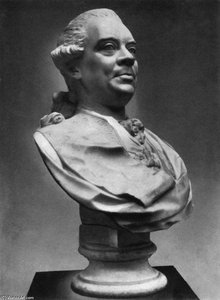
Bust of Nicolas Coustou


 詳細を見る
詳細を見る




P118B $10

P118H $10

P118W $10

P438Z $10

P508JH $12

P508YH $12

P805H $10

P805Z $10

P919BZ $10

P919G $10

P919XJ $10

P959ZH $10

P968JZ $12

W106C $8

W218G $10

W218JH $8

W218Y $10

W307PJ $10

W316G $10

W316PJ $8

W316Y $10

W398PJ $8

W4111J $10

W500HY $15

W500JH $15

W692G $12

W849H $8

W940BG $15

W953PJ $8




作品のオリジナル比率に合わせた、当店の規定サイズからお選びください。

特定のフレームやスペースに合わせて、ご希望のサイズをご入力いただけます。選択されたサイズが元の画像の比率と異なる場合、アートワークをトリミングするか、手描きで要素を追加して絵画を拡張いたします。デジタルモックアップ を制作し、制作開始前にご確認(承認)をいただきます。
画面上のプレビューは、実際のトリミングや拡張を正確に反映しているものではありません。最終的な構図は、モックアップによってのみ正確にご確認いただけます。
カスタムサイズもご利用いただけますが、元の比率を維持するためには、あらかじめ用意されたリストからサイズを選択することをお勧めいたします。
ご注文後、ArtsDot.com チームより詳細な指示をお送りするとともに、仕上がりイメージ(モックアップ)をご提供いたします。


 ガラスオプションは、110cm未満のサイズでのみご利用いただけます。

Bust of Nicolas Coustou
複製技法
複製画のサイズ
-


合計金額
$ 263
作品解説
A Testament to Classical Elegance: Guillaume Coustou’s Sculptural Portrait
Guillaume Coustou the Elder stands as a pivotal figure in French Baroque sculpture, embodying the artistic fervor and intellectual curiosity of his era. Born in Lyon in 1677, he descended from a lineage steeped in creative tradition—his uncle, Antoine Coysevox, already established as a royal sculptor—a familial influence that profoundly shaped his own artistic trajectory. This formative environment instilled within him not merely technical proficiency but also an unwavering appreciation for the enduring power of idealized form and timeless beauty.
- Subject Matter: The artwork presents a meticulously crafted marble bust depicting Nicolas Coustou, a celebrated sculptor himself, offering a glimpse into the intellectual landscape of 18th-century France.
- Style & Technique: Executed in the classical style prevalent during Louis XIV’s reign, Coustou's sculpture adheres to established conventions—a deliberate choice reflecting the artistic sensibilities of the time and prioritizing anatomical accuracy alongside expressive gesture. The medium is marble, chosen for its ability to capture subtle nuances of texture and luminosity, resulting in a remarkably realistic portrayal.
- Composition & Lighting: Centered on the bust atop a simple pedestal, the composition emphasizes visual stability while skillfully utilizing chiaroscuro—the interplay of light and shadow—to sculpt volume and depth. Light originates from above and slightly to the right, highlighting facial features and drapery folds, creating an atmosphere of dignified contemplation.
Symbolism & Emotional Resonance
More than just a likeness, the bust embodies symbolic significance. The turban adorning Coustou’s head speaks to his profession—a sculptor tasked with capturing the essence of human form—and subtly conveys an air of erudition and cultural sophistication. The elderly man's expression exudes thoughtfulness and quiet dignity, conveying respect for both his subject matter and artistic legacy.
- Historical Context: Produced during Louis XIV’s opulent reign, the bust reflects the grandeur and intellectual ambition characteristic of the French Baroque period—a time marked by monumental architecture, dramatic theatrical productions, and a fervent pursuit of classical ideals.
- Emotional Impact: The sculpture evokes feelings of admiration for Coustou's artistic prowess and conveys a sense of timeless beauty rooted in the humanist traditions of antiquity. It serves as a poignant reminder of the enduring power of art to capture human character and intellect across generations.
Material & Craftsmanship
The sculpture’s remarkable quality stems from meticulous craftsmanship—a testament to Coustou's skill and dedication. The marble itself is skillfully carved, revealing its inherent smoothness and subtle imperfections, while the drapery folds are rendered with painstaking detail. These elements combine to create a visually compelling piece that embodies the highest standards of artistic execution.
- Material Properties: Marble—renowned for its durability and ability to achieve exceptional surface finishes—was chosen as the medium, ensuring the sculpture’s longevity and preserving its aesthetic beauty for centuries to come.
- Sculpting Process: The sculptor employed techniques honed over years of experience—precise modeling, careful polishing, and meticulous attention to detail—resulting in a masterpiece that exemplifies the artistic achievements of its time.
関連作品
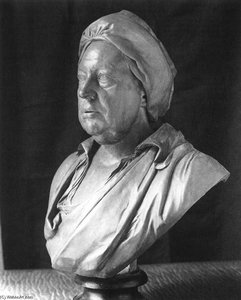
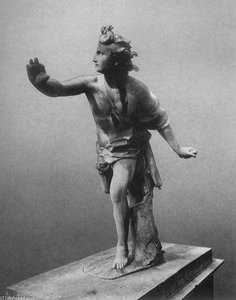
アーティストの略歴
石に刻まれた遺産:ギヨーム・クストー・ランス(父)の生涯と芸術
ギヨーム・クストー・ランスは、芸術的伝統が深く根付いたリヨンに生まれ、フランス彫刻界に消えることのない足跡を残すことになる一族の系譜を継いで1677年に誕生しました。彼の血筋は創造的な才能に満ちていました。叔父のアントワーヌ・コイヴォックスはすでに王立彫刻家としてその名を馳せており、弟のニコラ・クストーもまた、後に大きな称賛を浴点を浴びることになります。このような家族的環境は、若きギヨームの芸術的発展にとって肥沃な土壌となり、伝統的な技法の深い理解と、形態が持つ力への審美眼を彼に植え付けました。初期の修行はこの緊密な一族の輪の中で行われたと考えられますが、クストーの野心は彼をパリへと、そして最終的には、型にはまらない形ではありましたがローマでの研鑽へと導きました。彼は当初、権威ある「ローマ賞」を受賞したものの、その独立心は現地のフランス・アカデミーの厳格な規律と衝突し、結果として学院の枠組みの外で自らの芸術的ビジョンを追求することを決意しました。この初期の反骨精神は、技術的な習熟と、同時代の多くの彫刻家とは一線を画すダイナミックなエネルギーを併せ持つ、彼の輝かしいキャリアの前兆となったのです。バロックの壮大さとロココの優美さの架け橋
クストーの芸術的旅路は、フランス美術における極めて魅力的な変革期に展開されました。それは、盛期バロックの劇的な情熱と、新たに台頭してきたロココ様式の優雅さが交差する時代でした。彼の作品はこの時代の移り変わりを見事に体現しています。初期の作品には、ルイ14世の統治を反映した、スケールの大きさ、感情の深み、そして演劇的な演出といったバロックの影響が色濃く表れています。しかし、クストーは単に過去を模倣しただけではありませんでした。彼は次第に芽生えつつあったロココの美学を取り入れ、彫刻に新たな軽やかさ、優雅さ、そして遊び心のある装飾性を吹き込んでいったのです。この融合は、解剖学的な扱いと構図の巧みさに特に顕著に現れています。彼は大理石という制約の中で、動きや感情を捉える類まれな能力を備えており、彫像に生命感と活力をもたらしました。直接的な影響源を特定することは困難ですが、ジャン・ロレンツォ・ベルニーニの劇的な演出力と技術的技巧は、クストりとその野心的な試みにおいて、疑いようもなくインスピレーションの源となったことでしょう。マルリーの凱旋:王権の象徴
クストーのキャリアはフランス王室の庇護の下で花開き、1739年にマルリー城の庭園のために依頼された記念碑的な「馬馴らし(Chevaux de Marly)」によってその頂点に達しました。これらの彫刻は間違いなく彼の最も名高い業績であり、今なお王権の権威と芸術的野心の象徴として君臨しています。もともとは城の入り口を飾るために制作されたこの作品は、力強い騎手が野生の馬を力ずくで従わせる姿を描いており、自然や荒ぶる力に対する王の支配を暗示する強力な寓意となっています。その圧倒的なスケールには息を呑まされますが、真に人々を魅了するのは、大理石の中に封じ込められたダイナミックなエネルギーです。躍動する筋肉の一筋一筋、決意に満ちた表情、そして作品全体から溢れ出す剥き出しの力強さ。また、「馬馴らし」以外にも、威厳に満ちた精度で国王の風格を捉えたルイ13世の大理石彫像や、肖像彫刻の技術を示す精緻なサミュエル・ベルナールの胸像など、見事なポートレートも彼のレパートリーに含まれています。さらに、ローマの戦神であるマルスのネオクラシカルな大理石像は、古典的な形態に対する彼の多才さと習熟を改めて証明しています。フランス彫刻界に遺した永続的な影響
ギヨーム・クストー・ランスは、18世紀フランス彫刻の景観を形作る上で極めて重要な役割を果たしました。彼の作品は、贅沢と洗練によって定義された時代の芸術的嗜好を反映し、フランス宮廷の華やかさと壮大さを象徴していました。特に「馬馴らし」は、単なる庭園の装飾品という本来の機能を超越し、王権の永続的な象徴、そして国家の誇りとなりました。バロックとロココの様式を橋渡ししたクストーの能力は、後世の彫刻家たちに深い影響を与えました。その中には、家族の伝統を受け継ぎ、芸術的遺産をさらに発展させた息子のギヨーム・クストー・ランス(子)も含まれます。ダイナミックな構図、解剖学的な正確さ、表現豊かな細部、そして大理石に対する卓越した理解へのこだわりは、1746年に彼が世を去った後も、その影響が響き渡り続けることを確かなものにしました。彼は単なる彫刻を残したのではなく、ある時代の野心と芸術性の証を遺したのです。その作品は、数世紀を経た今もなお、人々に畏敬の念と称賛を与え続けています。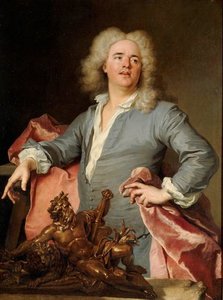
ギヨーム・クストゥ・デ・ラ・ドレル
1716 - 1777 , フランス
基本情報
- Artistic Movement Or Style: バロックおよびロココ
- Artists Or Movements Influenced By This Artist: ['ギヨーム・クストゥ(子)']
- Artists Who Influenced This Artist: ['ジャン・ロレンツォ・ベルニーニ']
- Date Of Birth: 1677年11月29日
- Date Of Death: 1746年2月22日
- Full Name: ギヨーム・クストゥ(父)
- Nationality: フランス
- Notable Artworks:
- 馬を御する者 (Chevaux de Marly)
- ルイ13世
- サミュエル・ベルナールの胸像
- マルスの像
- Place Of Birth: フランス、リヨン
関連記事

Bronze Sculptures That Defined Art History | ArtsDot
Journey through art history with our Top 10 bronze sculptures! Explore masterpieces by Rodin, Michelangelo & more. Discover stories behind iconic statues and find museum-quality reproductions for your home decor at ArtsDot.com.

The Enduring Form: Exploring Themes & Techniques in Sculpture Across Historical Periods
Explore the rich history of sculpture from ancient masterpieces to contemporary innovations. Discover key techniques, influential artists & investment potential for discerning art collectors.

The Enduring Form: Sculpture Across History, Technique & Emotional Resonance
Explore the rich history of sculpture with ArtsDot. Discover key techniques, influential artists & investment potential for discerning collectors. Expert insights into valuing and collecting timeless masterpieces.

Bronze Age to Modern Masters: 10 Sculptures That Redefined Art | ArtsDot
Journey through art history with 10 legendary bronze sculptures – from Michelangelo's David to Rodin’s Thinker. Explore the stories, techniques & timeless beauty of these masterpieces. Find museum-quality reproductions & elevate your home decor on ArtsDot.com.

Theatricality & Triumph: Baroque Drama in Painting & Sculpture
Explore the dramatic world of Baroque art! Discover its history, defining characteristics, & lasting influence on painting & sculpture. Expert insights into Caravaggio, Zurbarán, and Bernini – plus high-quality reproductions at ArtsDot.

