

 プレビュー
プレビュー
 シェアする
シェアする シェアする
シェアする
 詳細を見る
詳細を見る

 ダウンロード
 似ている作品
 X線調査
X線調査 スライドショー
 統計情報
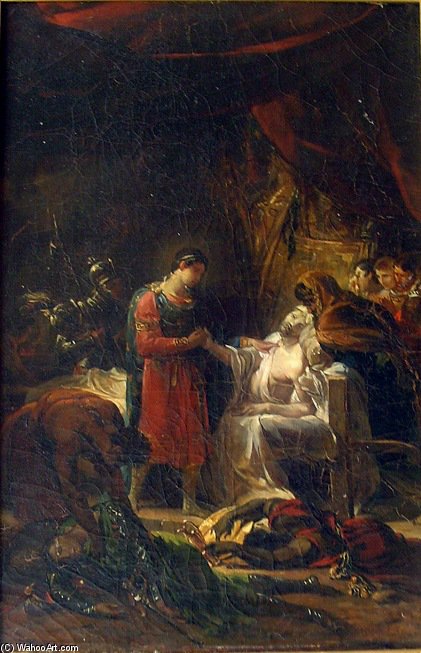
統計情報Aint Louis Visitant Les Victimes De La Peste Dans La Plaine De Carthage

 詳細を見る
詳細を見る
オンラインプレビューをはるかに凌ぐ、高解像度で鮮明なデジタル画像をご購入いただけます。
各ファイルは、社内の専門家が高度なツールと熟練した手作業によるレタッチを用いて、細心の注意を払って準備されています。すべての画像において、卓越した鮮明度、正確な色彩再現性、そして繊細なディテールを保証いたします。
最終ファイルは、プロフェッショナルな編集・印刷環境ですぐにご利用いただけるよう最適化された状態で、72時間以内にメールにてお届けいたします。これは、一流のデザインスタジオ、出版社、ギャラリーから信頼されているものと同等の品質です。
デジタルアート
個人での鑑賞、印刷、クリエイティブなプロジェクト用に、高解像度ファイルをダウンロードできます。 ( プリント版に切り替え 手描きの絵画を購入)
デジタル画像のご注文に付随する特典
高品質なデジタル画像配信を、確かな品質で。
ArtsDot.com を選ぶことは、単に画像を手に入れることではありません。それは、プロの手によって精密に仕上げられ、満足保証が付いた高品質なデジタルアートワークを受け取ることを意味します。ご注文いただいた際に自動的に付随する内容は、以下の通りです:

メールですぐにお届け
ご注文から72時間以内に、高解像度のデジタル画像ファイルがメールでお手元に届きます。すぐにそのままご利用いただけます。

AI技術で最適化されたデジタルファイル
お客様の作品は、高度なAIツールと専門家による手作業の編集を組み合わせてプロフェッショナルに最適化されており、細部のディテール、鮮明さ、そして正確な色再現性を最大限に引き出しています。

一生涯無料の再送サービス
ファイルを誤って削除したり、紛失してしまったりしましたか?ご安心ください。いつでも無料で再送いたします。

輸入手数料は一切かかりません
関税や手数料、配送料を気にすることなく、お気に入りのアートワークをすぐにお楽しみいただけます。デジタルダウンロードは常に免税です。

色彩再現の保証
プロ仕様のツールとカラーマネジメント技術を用いることで、デジタル画像が元の色を最大限に忠実に再現することを保証いたします。

100日間満足保証
ご購入いただいたデジタル画像にご満足いただけない場合は、100日以内であれば、理由を問わず修正または100%の返金対応をさせていただきます。

100% 返金保証
ご満足いただけない場合は、デジタルファイルを受け取ってから100日以内であれば、理由を問わず全額返金いたします。

まとめ買い割引
3枚購入で10%OFF - 5枚購入で15%OFF - 10枚以上購入で20%OFF。クリエイティブなプロジェクト、ギャラリー、エージェンシーに最適です。
関連作品
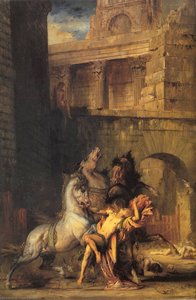
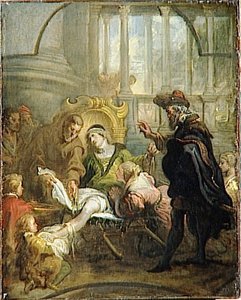
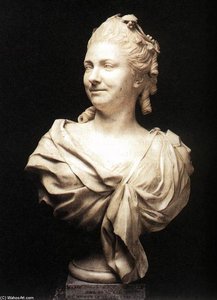
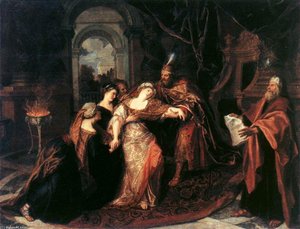
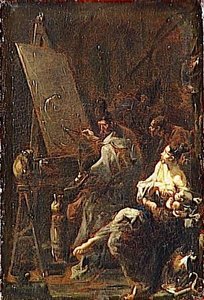
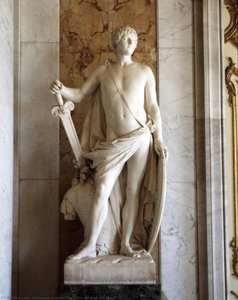
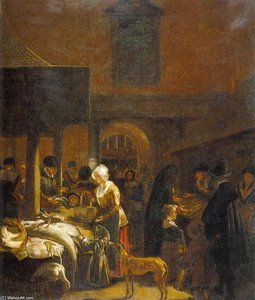
作家の略歴
A Caribbean Voice in the Heart of Neoclassicism
Guillaume Guillon-Lethière’s story is one of remarkable resilience and artistic ambition, a narrative woven from the complexities of colonial history and the fervor of revolutionary France. Born in 1760 in Saint-Anne, Guadeloupe—a French possession brimming with both opulent plantations and the brutal reality of slavery—his very existence challenged the rigid social hierarchies of the time. His father, Pierre Guillon, was a Royal Notary, representing the authority of colonial administration, while his mother, Marie-Françoise Dupepaye, was a woman of African descent, described as *free* but navigating a world deeply marked by racial prejudice. This mixed heritage would profoundly shape not only his life but also subtly inform the themes and undercurrents within his art. Recognizing his son’s exceptional talent, Guillon defied convention and brought the young Guillaume to France at the age of fourteen, initiating his formal artistic training.From Rouen to Rome: Forging a Neoclassical Path
The journey from the Caribbean island to the heart of European art was transformative. Guillaume first studied in Rouen under Jean-Baptiste Deschamps, adopting the name “Lethière” – a subtle act of self-fashioning perhaps, distancing himself from direct association with colonial power while simultaneously embracing his paternal lineage. He then moved to Paris and entered the prestigious Académie Royale de Peinture et de Sculpture, becoming a student of Gabriel François Doyen. This marked his immersion into the established artistic system, steeped in the principles of classical antiquity. However, it was Rome that truly ignited his artistic vision. Winning the second prize in the *Prix de Rome* competition in 1784 and finally securing support for travel in 1786 allowed him to experience firsthand the ruins and masterpieces that defined Western art. Influenced by the clarity and moral seriousness of Neoclassicism, he began to develop a style characterized by precise draftsmanship, restrained emotion, and a dedication to historical and mythological subjects. Though often mentioned in connection with Jacques-Louis David – whose studio he frequented – Lethière was forging his own distinct path, one that would soon lead to both acclaim and rivalry.Navigating Revolution and Establishing a Legacy
Returning to Paris in 1791, Lethière established his own studio, boldly challenging the dominance of David. This wasn’t merely an artistic competition; it reflected the broader political upheaval sweeping through France. The French Revolution was dismantling old orders, and art became a powerful tool for expressing new ideals. Lethière skillfully navigated this turbulent landscape, creating works that resonated with the spirit of civic virtue and revolutionary fervor. *The Death of Cato of Utica* (1795), a potent depiction of Roman stoicism and republican principles, exemplifies this period. His paintings weren’t simply historical recreations; they were imbued with contemporary relevance, offering moral lessons for a nation in transition. He continued to produce significant works like *Philoctetes on the Island of Lemnos* (1798), showcasing his mastery of anatomical precision and classical narrative, and *The Sleep of Venus* (1802), revealing a more lyrical side to his Neoclassical sensibility.Recognition and Enduring Influence
Despite periods of fluctuating fortune tied to the shifting political winds, Lethière’s talent eventually earned him official recognition. In 1818, he was elected to the Académie des Beaux-Arts and awarded the Légion d'honneur, solidifying his position within the French art establishment. This appointment wasn’t just a personal triumph; it also signaled a growing acceptance of artists from diverse backgrounds. He further cemented his legacy by becoming a professor at the École des Beaux-Arts in 1819, mentoring future generations of artists including Isidore Pils and Kanuty Rusiecki. His influence extended beyond his own paintings, shaping the artistic landscape for decades to come. Guillaume Guillon-Lethière died in Paris in 1832, leaving behind a body of work that continues to captivate and provoke thought. His paintings are now held in prominent museums such as the Louvre in Paris and the Hermitage Museum in Saint Petersburg, testaments to his enduring artistic merit. His life story—a man of mixed race navigating the complexities of colonial society and revolutionary politics—offers a unique perspective on 18th- and 19th-century France, reminding us that even within the seemingly rigid structures of Neoclassicism, there was room for individual expression and social commentary. The Oath of the Ancestors(1822) stands as a powerful example of his ability to blend artistic skill with profound historical and political meaning.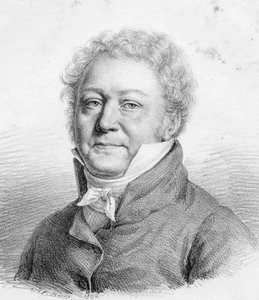
guillaume guillon lethiere
1760 - 1832