

 プレビュー
プレビュー
 シェアする
シェアする シェアする
シェアする
 詳細を見る
詳細を見る

 ダウンロード
 似ている作品
 X線調査
X線調査 スライドショー
 Stats
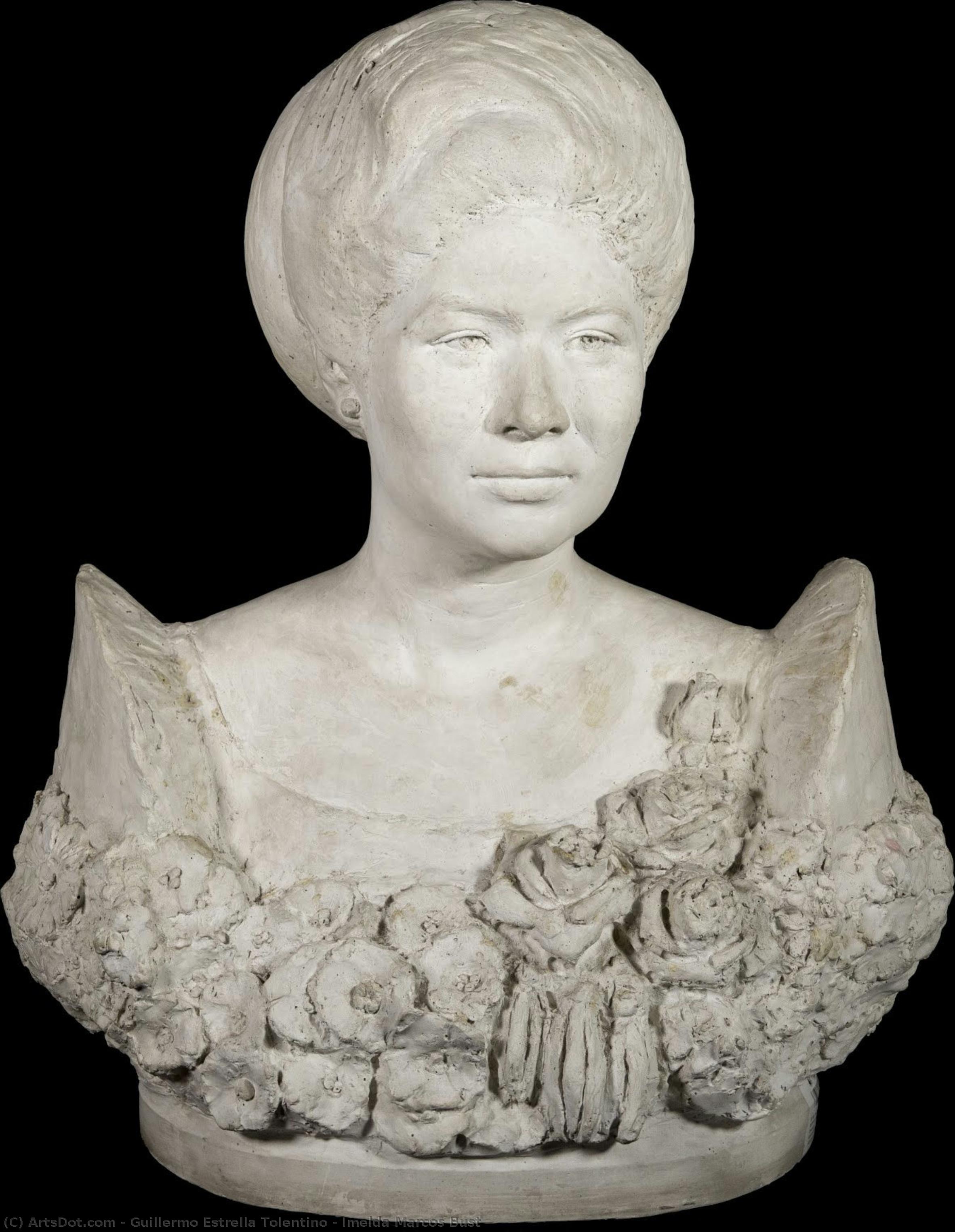
StatsImelda Marcos Bust

 詳細を見る
詳細を見る
手描き油彩複製画
当社のアーティストが、お客様のご希望のサイズと額縁に合わせて、キャンバスに手描きで制作する油彩画です。 ( Switch to Print Switch to Digital Image)




































作品のオリジナル比率に合わせた、当店の規定サイズからお選びください。

特定のフレームやスペースに合わせて、ご希望のサイズをご入力いただけます。選択されたサイズが元の画像の比率と異なる場合、アートワークをトリミングするか、手描きで要素を追加して絵画を拡張いたします。デジタルモックアップ を制作し、制作開始前にご確認(承認)をいただきます。
画面上のプレビューは、実際のトリミングや拡張を正確に反映しているものではありません。最終的な構図は、モックアップによってのみ正確にご確認いただけます。
カスタムサイズもご利用いただけますが、元の比率を維持するためには、あらかじめ用意されたリストからサイズを選択することをお勧めいたします。
ご注文後、ArtsDot.com チームより詳細な指示をお送りするとともに、仕上がりイメージ(モックアップ)をご提供いたします。


 ガラスオプションは、110cm未満のサイズでのみご利用いただけます。

Imelda Marcos Bust
複製技法
複製画のサイズ
-


合計金額
$ 263
関連作品








アーティストの略歴
The Sculptor of Souls: Early Life and Formative Years
In the quiet, historic streets of Malolos, Bulacan, a profound artistic journey began in 1890. Guillermo Estrella Tolentino was born into a world where the rhythmic strumming of a guitar and the meticulous craft of a tailor provided the backdrop to his childhood. While his father shared the gift of music, young Guillermo found his voice not in melody, but in the tactile language of clay. Long before he mastered the complexities of bronze or marble, he was a child captivated by the primal urge to create, molding miniature horses and dogs that breathed life into inanimate earth. This innate sensitivity to form would eventually evolve into a mastery of classical realism, a skill honed through rigorous study at the University of the Philippines under the tutelage of masters like Andres Luna de San Pedro and Tomas Mapua. His early years were a period of quiet observation, where the textures of his surroundings prepared him for a lifetime of translating the ephemeral spirit into permanent form.
A Classical Renaissance in Philippine Sculpture
Tolentino’s artistry was defined by a deep reverence for the classical tradition, a style he refined through extensive studies in Europe that brought a global perspective to his local roots. He did not merely replicate the aesthetics of the past; he breathed contemporary Filipino identity into ancient techniques. His hands moved with equal grace across diverse media—from the enduring strength of bronze and marble to the delicate textures of plaster and wood. As a professor and later the director of the UP School of Fine Arts, he became a cornerstone of academic excellence, shaping generations of artists through his dedication to anatomical precision and formal beauty. His work was characterized by an unwavering commitment to a style that was both monumental and deeply humanistic, ensuring that every sculpture possessed a soul as much as a structure.
Monuments of Identity and National Memory
The true magnitude of Tolentino’s genius is perhaps most visible in the public spaces of the Philippines, where his sculptures serve as anchors of national memory. The Bonifacio Monument stands as his most triumphant achievement—a complex, heroic narrative rendered in stone and bronze that commemorates the Katipunan revolutionaries. To create this masterpiece, Tolentino acted as a historian, meticulously researching the lives of revolutionaries and interviewing witnesses to ensure every figure possessed an authentic, humanistic weight. Alongside this, the UP Oblation remains an eternal symbol of selfless offering and intellectual pursuit, its bronze limbs reaching toward the heavens. Whether through the soaring wings of his Diwata or the commemorative busts of national leaders, his work transcends mere decoration; it is a visual liturgy of Philippine struggle and triumph.
A Legacy Etched in Baybayin
Beyond the physical grandeur of his monuments, Tolentino left an indelible mark on the cultural consciousness through his unique personal touches. He was a man who bridged the gap between the ancient and the modern, often signing his works or titling his sculptures using Baybayin, the ancestral script of the Filipino people. This act of reclamation underscored his role as a pioneer of Philippine modern sculpture—a man who looked toward the classical world to find the tools necessary to celebrate his own heritage. Honored as a National Artist in 1973, his legacy remains interred not just in the Libingan ng mga Bayani, but in every curve of stone and every bronze silhouette that continues to tell the story of a nation. His life's work stands as a testament to the power of art to define a people, ensuring that the triumphs of the past are forever cast in the light of the present.
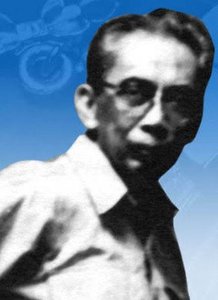
guillermo estrella tolentino
1890 - 1976 , Philippines
基本情報
- Artistic Movement Or Style: Classical Sculpture
- Artists Or Movements Influenced By This Artist: ['Philippine Modern Sculpture']
- Artists Who Influenced This Artist: ['Vicente Francisco']
- Date Of Birth: July 24, 1890
- Date Of Death: July 12, 1976
- Full Name: Guillermo Estrella Tolentino
- Nationality: Filipino
- Notable Artworks:
- Bonifacio Monument
- UP Oblation
- Place Of Birth: Malolos, Philippines