

 プレビュー
プレビュー
 シェアする
シェアする シェアする
シェアする
 詳細を見る
詳細を見る

 ダウンロード
 似ている作品
 X線調査
X線調査 スライドショー
 統計情報
統計情報Opium Dreams
 詳細を見る
詳細を見る
手描き油彩複製画
当社のアーティストが、お客様のご希望のサイズと額縁に合わせて、キャンバスに手描きで制作する油彩画です。 ( プリント版に切り替え デジタル画像販売へ切り替え)




































作品のオリジナル比率に合わせた、当店の規定サイズからお選びください。

特定のフレームやスペースに合わせて、ご希望のサイズをご入力いただけます。選択されたサイズが元の画像の比率と異なる場合、アートワークをトリミングするか、手描きで要素を追加して絵画を拡張いたします。デジタルモックアップ を制作し、制作開始前にご確認(承認)をいただきます。
画面上のプレビューは、実際のトリミングや拡張を正確に反映しているものではありません。最終的な構図は、モックアップによってのみ正確にご確認いただけます。
カスタムサイズもご利用いただけますが、元の比率を維持するためには、あらかじめ用意されたリストからサイズを選択することをお勧めいたします。
ご注文後、ArtsDot.com チームより詳細な指示をお送りするとともに、仕上がりイメージ(モックアップ)をご提供いたします。


 ガラスオプションは、110cm未満のサイズでのみご利用いただけます。

Opium Dreams
複製技法
複製画のサイズ
-


合計金額
$ 263
The Artistic Vision
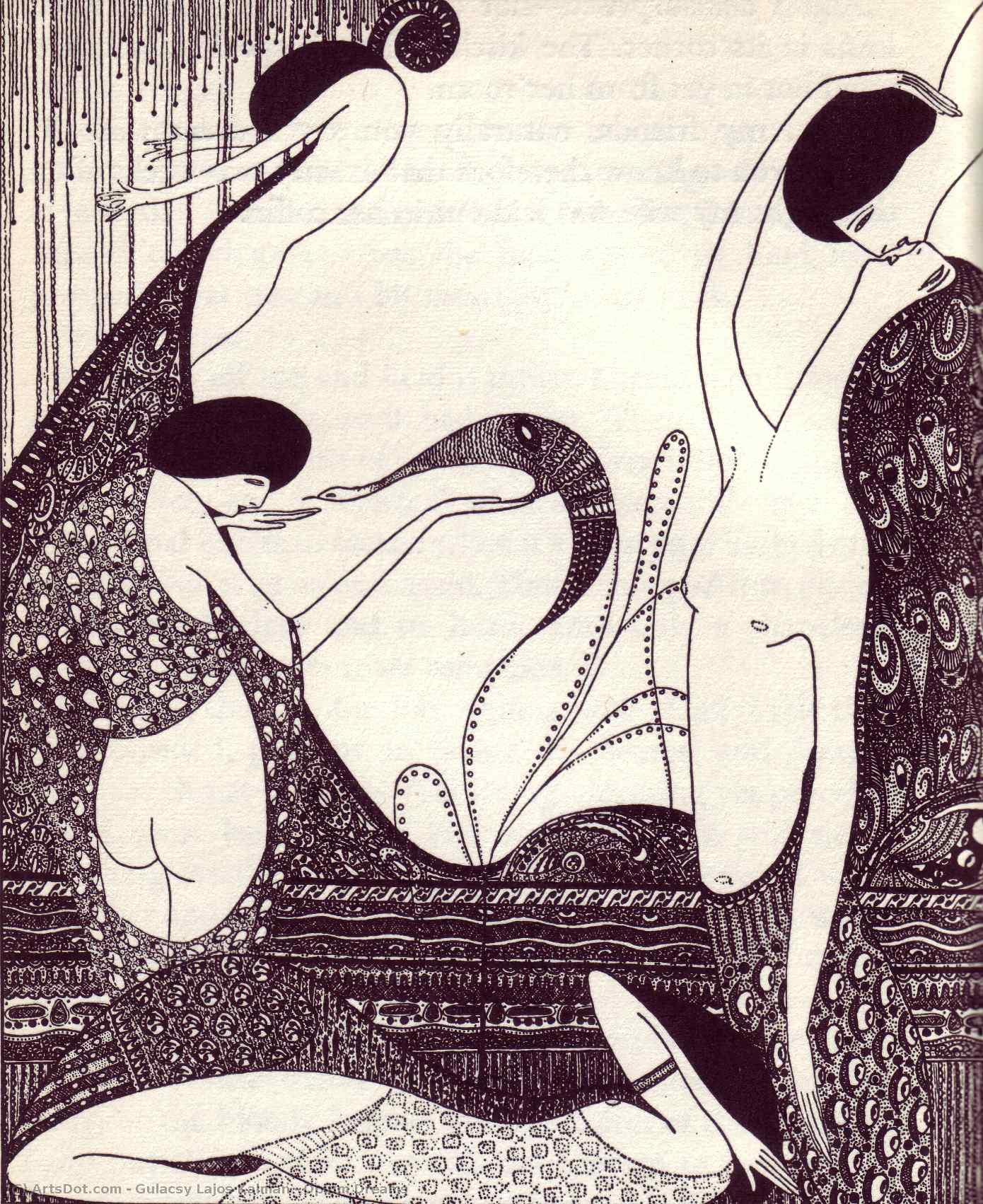
Gulacsy Lajos Kalman, a Hungarian painter known for his unique blend of realism and mysticism, crafted "Opium Dreams" with meticulous attention to detail. The painting depicts three women in various states of repose, each lost in their own world. The central figure, seated on the ground, appears engrossed in an unseen spectacle, while her companions stand by, oblivious to her fascination. This juxtaposition of engagement and detachment creates a sense of enigma, inviting the viewer to ponder the subjects' thoughts and emotions.Historical Context
"Opium Dreams" is characteristic of the early 20th-century art movement that sought to explore the realms of the subconscious and the surreal. The painting's vintage feel, reminiscent of the 1920s or 30s, adds a layer of nostalgia and timelessness. This era was marked by significant artistic innovation, with artists like Gulacsy Lajos Kalman pushing the boundaries of traditional representation.Artistic Technique
The use of black and white in "Opium Dreams" is striking, as it enhances the dreamlike quality of the scene. The monochromatic palette allows for a focus on form and texture, drawing attention to the intricate details of the women's clothing and the subtle expressions on their faces. This technique also underscores the sense of mystery, as if the subjects are shrouded in an ethereal mist.Relevance and Legacy
Gulacsy Lajos Kalman's work, including "Opium Dreams," has been recognized for its contribution to the development of modern art. His unique style, blending elements of realism with a touch of mysticism, has influenced generations of artists. For those interested in exploring more of his works, https://ArtsDot.com offers reproductions of other notable pieces such as Rococo /art/list/?Filter=9FTHHS-Gulacsy-Lajos-Kalman-Rococo) and Magic /art/list/?Filter=9FTHHM-Gulacsy-Lajos-Kalman-Magic).Conclusion
"Opium Dreams" by Gulacsy Lajos Kalman is a masterpiece that continues to captivate art enthusiasts with its mystique and beauty. Through his work, we are reminded of the power of art to transport us to other worlds and challenge our perceptions. For those who wish to bring this piece into their own space, ArtsDot.com offers high-quality reproductions that preserve the essence of the original.- Artist: Gulacsy Lajos Kalman
- Painting Title: Opium Dreams
- Reproduction Available at: /art/list/?Filter=9FTHHQ-Gulacsy-Lajos-Kalman-Opium-Dreams
関連作品
![Legend Of St Francis - [06] - Dream Of Innocent Iii — ジョット, Gothic Art](/media/artworks/images-thumb/ee/fc/eefcd1b667fc66485617a7aca444e4b5.jpg)
アーティストの略歴
Lajos Gulacsy Kalman: A Visionary of Hungarian Symbolism
Lajos Gulacsy Kalman (1882-1932) stands as a pivotal figure in Hungarian art history, embodying the spirit of Expressionist fervor while firmly rooted in the traditions of Hungarian figuration. Born in Budapest, Kalman’s artistic journey unfolded against the backdrop of a nation grappling with social upheaval and intellectual ferment – a crucible that profoundly shaped his distinctive visual language. Though overshadowed by contemporaries like Ödön Podliersky and József Szilágyi, Gulacsy Kalman carved out a singular reputation for himself as a painter whose canvases pulsed with psychological depth and imbued with potent symbolic resonance.- Early Life & Education: Kalman’s formative years were spent in Budapest, where he received his initial artistic training at the Hungarian Royal Academy of Fine Arts. This institution instilled in him a grounding in classical techniques alongside an exposure to burgeoning avant-garde ideas circulating throughout Europe.
- Influences: Gulacsy Kalman's artistic sensibilities were undeniably influenced by Nietzsche’s philosophy and Freud’s psychoanalytic theories – concepts that interrogated the subconscious mind and challenged conventional notions of morality. Furthermore, he drew inspiration from German Expressionism, particularly artists like Ernst Ludwig Kirchner and Emil Nolde, adopting their bold color palettes and emotionally charged compositions.
The Flowering of Hungarian Symbolism
Kalman’s artistic output is characterized by a preoccupation with themes of alienation, anxiety, and the human condition—subjects that resonated deeply within the anxieties of his time. He eschewed academic realism in favor of a stylistic approach that prioritized emotional intensity over meticulous detail. His canvases frequently depict solitary figures confronting monumental landscapes or enigmatic symbols, reflecting a profound engagement with existential questions. The artist’s distinctive technique involved layering thin washes of color onto textured surfaces—a method that created an ethereal quality and heightened the expressive power of his images.- Notable Works: Among Kalman's most celebrated paintings are ‘The Mulatto,’ a haunting depiction of a man wrestling with inner demons, and ‘Dantes Meeting,’ which portrays Dante encountering Virgil in Hell—works that exemplify his masterful command of symbolism and psychological drama. His oeuvre also includes numerous landscapes imbued with melancholic beauty and infused with spiritual contemplation.
- Recurring Themes: Recurring motifs in Kalman’s paintings include skulls, serpents, and desolate vistas – symbols that conveyed ideas of mortality, temptation, and the confrontation with darkness. These images served as conduits for exploring profound psychological states and grappling with fundamental questions about human existence.
Recognition & Legacy
Despite facing considerable challenges during his lifetime—including financial difficulties and limited commercial success—Gulacsy Kalman’s artistic vision endured, securing a place within the canon of Hungarian art. His paintings continue to captivate viewers with their evocative imagery and profound emotional impact. Contemporary critics recognized Kalman's contribution to Hungarian Expressionism, praising his ability to convey complex psychological ideas through visual form. Today, Gulacsy Kalman’s work is housed in museums across Hungary and internationally, ensuring that his artistic legacy persists—a testament to the enduring power of Symbolist art to provoke contemplation and illuminate the human spirit.- Further Research: For more information on Lajos Gulacsy Kalman's life and oeuvre, consult scholarly publications and museum catalogs.
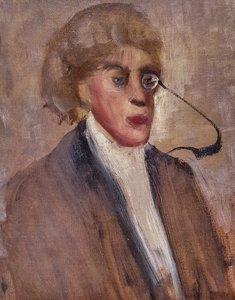
gulacsy lajos kalman
1882 - 1932 , Hungary
基本情報
- Artistic Movement Or Style: Symbolic Painting
- Artists Or Movements Influenced By This Artist: ['Expressionism']
- Artists Who Influenced This Artist:
- Gustav Klimt
- James Abbott McNeill Whistler
- Date Of Birth: 1882
- Date Of Death: 1932
- Full Name: Lajos Gulacsy Kalman
- Nationality: Hungarian
- Notable Artworks:
- The Mulatto...
- Dantes Meeting
- Place Of Birth: Budapest, Hungary