

 プリントを購入
 シェアする
シェアする シェアする
シェアする
 詳細を見る
詳細を見る

 ダウンロード
 似ている作品
 スライドショー
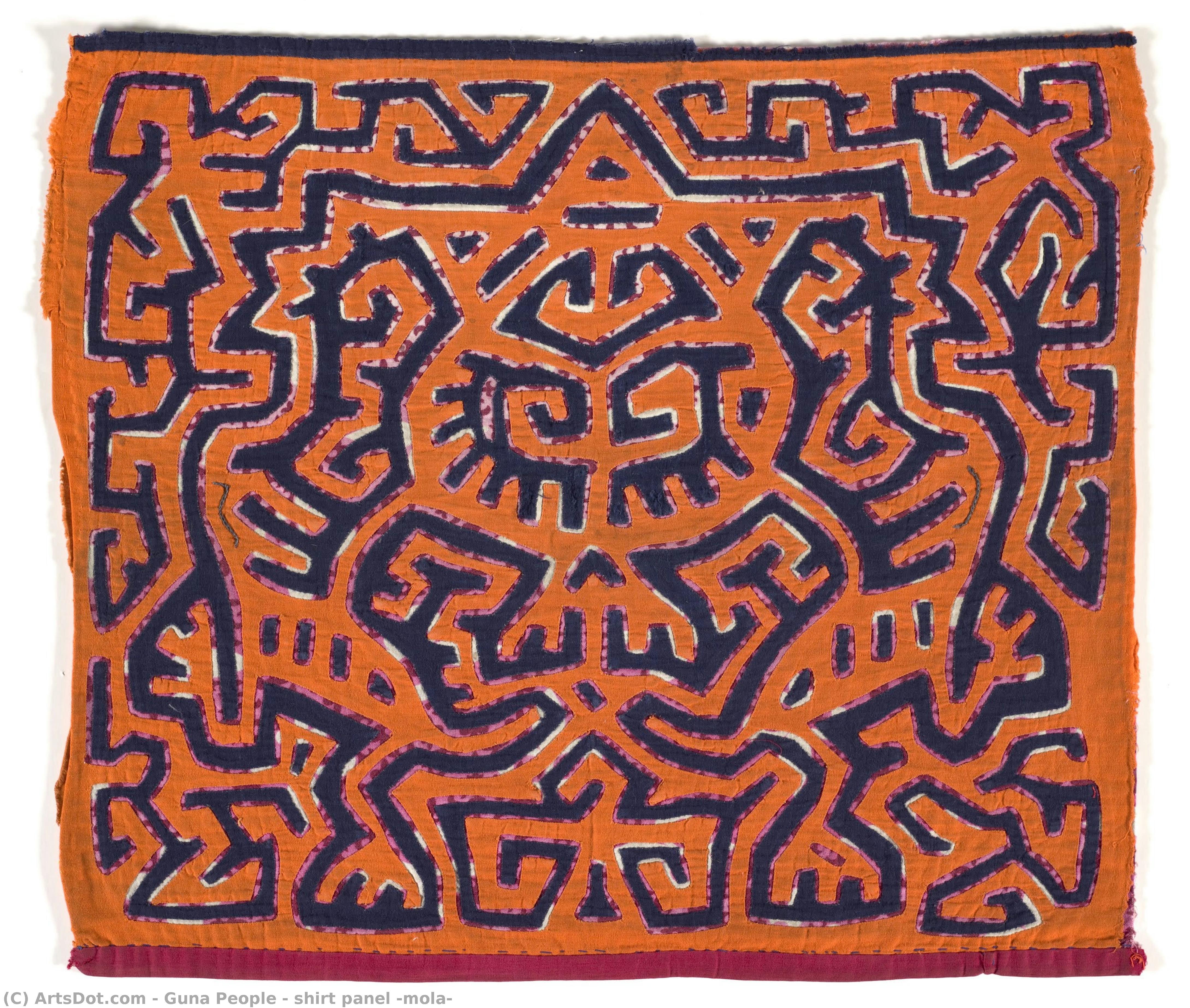
shirt panel (mola)


 詳細を見る
詳細を見る




































作品のオリジナル比率に合わせた、当店の規定サイズからお選びください。

特定のフレームやスペースに合わせて、ご希望のサイズをご入力いただけます。選択されたサイズが元の画像の比率と異なる場合、アートワークをトリミングするか、手描きで要素を追加して絵画を拡張いたします。デジタルモックアップ を制作し、制作開始前にご確認(承認)をいただきます。
画面上のプレビューは、実際のトリミングや拡張を正確に反映しているものではありません。最終的な構図は、モックアップによってのみ正確にご確認いただけます。
カスタムサイズもご利用いただけますが、元の比率を維持するためには、あらかじめ用意されたリストからサイズを選択することをお勧めいたします。
ご注文後、ArtsDot.com チームより詳細な指示をお送りするとともに、仕上がりイメージ(モックアップ)をご提供いたします。


 ガラスオプションは、110cm未満のサイズでのみご利用いただけます。

shirt panel (mola)
複製技法
複製画のサイズ
-


合計金額
$ 263
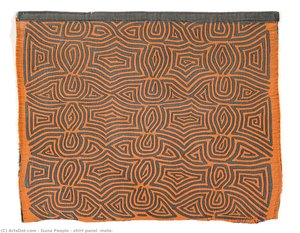
The Vibrant Tapestry of Guna Heritage
In the heart of the San Blas Islands, where the Caribbean Sea meets the lush coastlines of Panama, lies a visual language woven from thread and tradition. The shirt panel (mola) is not merely a textile; it is a profound narrative piece created by the Guna people, an indigenous community whose artistry serves as a living archive of their cosmology and daily existence. This particular work, dating from approximately 1950, captures the essence of a culture that finds beauty in the meticulous layering of color and form. To gaze upon this mola is to enter a rhythmic world where geometric precision meets the organic flow of human life, offering a window into a soul that remains deeply connected to its ancestral roots.
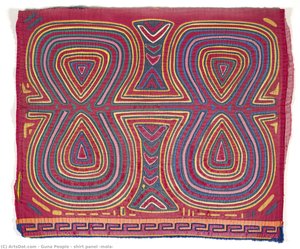
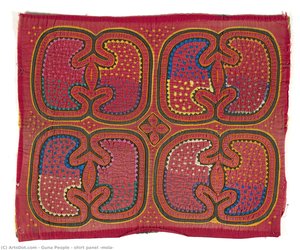
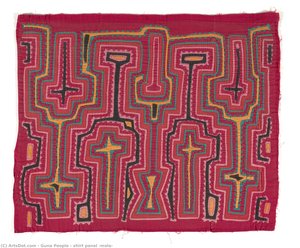
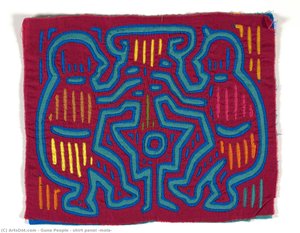
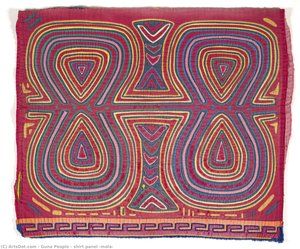
The aesthetic power of this piece lies in its breathtaking complexity. Utilizing the traditional appliqué technique, Guna women layer multiple shades of fabric to create a striking mosaic of interlocking shapes. The palette is a masterful dance of high-contrast tones—fiery reds and warm oranges are balanced by deep, cooling blues and crisp whites. This interplay of color does more than please the eye; it creates a sense of movement, as if the patterns themselves are breathing. Within this intricate geometric architecture, subtle human figures emerge, nestled amongst the shapes like characters in a silent, colorful myth. These figures lend a poignant touch of life to the composition, transforming an abstract pattern into a storytelling medium that celebrates the presence of humanity within the natural and spiritual order.
A Masterclass in Textile Artistry and Symbolism
For the discerning collector or interior designer, the mola represents a unique intersection of folk art and sophisticated graphic design. The technique itself is an arduous labor of love, requiring immense patience to cut and stitch each layer so precisely that the edges of the underlying fabrics remain invisible, creating a seamless, almost painted effect. This method allows for a depth of field that is rare in textile arts, making the artwork appear three-dimensional under soft lighting. The symbolism embedded within these patterns often draws from the flora, fauna, and mythological legends of the Guna territory, where every line and curve can represent a fragment of a larger cosmic truth.
Integrating a high-quality reproduction of such a piece into a contemporary space offers an unparalleled opportunity for emotional resonance. Whether placed as a focal point in a minimalist gallery setting or used to add warmth to a curated eclectic interior, the mola brings an infusion of cultural vitality and rhythmic energy. It serves as a conversation starter, inviting viewers to contemplate the intersection of indigenous history and modern aesthetic sensibilities. Owning a piece inspired by the Guna people is more than an acquisition of decor; it is an embrace of a timeless legacy of resilience, creativity, and the enduring beauty of the human spirit expressed through the humble medium of cloth.
関連作品
アーティストの略歴
The Living Tapestry: The Soul of Guna Artistry
In the heart of the San Blas Islands, where the turquoise Caribbean Sea meets the lush, emerald coastlines of Panama, there exists a visual language written not in ink, but in thread and color. This is the world of the Guna people, an indigenous community whose artistic heritage is most vibrantly expressed through the mola—intricate, layered textile panels that serve as much more than mere decoration. To encounter a mola is to witness a profound testament to an enduring spirit; it is a rhythmic dance of geometry and myth that captures the very essence of Panaman and Colombian indigenous life. These textiles are the pulse of a culture, acting as repositories of ancestral memory where every stitch carries the weight of a thousand stories.
The origins of this artistry are deeply intertwined with the history of the Guna people themselves. Descended from ancient lineages that may have connected to Mesoamerican civilizations, the Guna developed a nomadic lifestyle that fostered a deep, spiritual connection to the natural world. This ecological awareness is etched into every fabric panel. The technique used to create these masterpieces is known as reverse appliqué, an extraordinary feat of patience and precision. Unlike traditional embroidery that rests upon a surface, Guna women create these patterns by layering multiple sheets of carefully chosen colored cloth—often remnants of textiles introduced through centuries of trade—and then meticulously cutting away the top layers to reveal the vibrant hues hidden beneath. This process creates a structural depth and a sculptural quality, transforming simple fabric into a complex, multi-dimensional mosaic.
Symbolism, Narrative, and the Natural World
Beyond their striking visual appeal, molas function as a sophisticated system of communication, representing a visual language that transcends spoken words. Each piece is a narrative vessel, often depicting scenes from Guna mythology, cosmology, or significant historical events. The motifs found within these textiles are rarely arbitrary; they are deeply symbolic reflections of the environment and spiritual beliefs. One might observe:
- Geometric Patterns: Intricate shapes that represent fundamental concepts such as duality, balance, and the interconnectedness of all living things.
- Fauna and Flora: Stylized depictions of animals and plants, such as the scales of a serpent or the movement of waves, which symbolize ecological awareness and spiritual protection.
- Cosmic Narratives: Designs that recount the creation of the universe and the roles of ancestral deities within the Guna worldview.
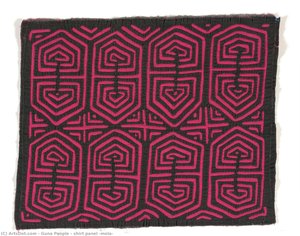
The artistry is characterized by an intense, rhythmic contrast. A single panel might feature a breathtaking interplay between deep, shadowy blacks and fiery oranges, evoking both the warmth of a tropical sunrise and the mysteries of the ancient jungle. This mastery of color and line reflects a disciplined hand, where the artist’s skill is measured by the sharpness of every cut and the seamless integration of contrasting tones.
Evolution and Contemporary Significance
The history of Guna art is also a history of resilience and adaptation. The arrival of European explorers and traders brought new materials, such as cotton, which fundamentally altered the textures available to artisans. However, rather than losing their identity to these external influences, the Guna people demonstrated a remarkable ability to integrate new elements while preserving the core values of their tradition. They adapted their techniques to utilize new fabrics without ever compromising the sacred geometric structures that define their cultural aesthetic.
Today, the legacy of Guna artistry continues to thrive within the autonomous comarcas of Panama and Colombia. While the molas have gained international recognition as significant works of textile art, they remain deeply rooted in the daily lives of the Guna women who create them. They are not merely artifacts for a gallery; they are living expressions of identity, worn with pride as part of traditional dress. As the world changes, the mola remains a steadfast anchor—a vibrant, kaleidoscopic window into a culture that continues to weave its past, present, and future into a single, magnificent tapestry.
guna people
Panama
基本情報
- Artistic Movement Or Style: Mola Art
- Full Name: Guna people
- Nationality: Indigenous
- Notable Artworks:
- Shirt Panel (mola)
- Shirt Panel (mola)
- Place Of Birth: Panama
関連記事
Slate Blue Masterpieces: 10 Iconic Paintings & Timeless Home Decor Ideas
Immerse yourself in the captivating world of slate blue! Explore 10 iconic paintings by Monet, Van Gogh & Renoir. Discover their stories, techniques & find museum-quality art reproductions for your home at .
The Allure of Azure: Exploring the Symbolic & Aesthetic Depths of Blue in Art History
Explore the rich history of blue in art! Discover its symbolism, from ancient pigments to modern masterpieces by Kandinsky & Seurat. Uncover the psychological impact and cultural meanings behind this captivating hue.

幾何学的抽象絵画を定義した傑作10選|アート、アーティスト、インテリア装飾
モンドリアン、マレーヴィチ…幾何学的抽象絵画を代表する傑作10選。各作品の背景や色彩構成、アーティストの情熱に迫ります。美術館品質の複製画はArtsDot.comで。オンラインでアートコレクションをご覧ください。

Crimson Threads of Narrative: Exploring Symbolism & Representation in Artworks Featuring the Red Dress
Explore the rich symbolism of the red dress in art history! From ancient power displays to iconic portraits like Cézanne’s 'Madame Cezanne', discover the cultural and artistic significance behind this captivating color. Expert analysis & insights.
アンリ・マティスの傑作25選:色彩と情熱の軌跡|ArtsDot
アンリ・マティスの傑作25選🎨 色彩と情熱が織りなす世界を旅する。フォーヴィスム代表の巨匠、マティスの絵画の魅力と歴史を紐解きます。ArtsDotで高品質なアートプリントや複製画を見つけ、インテリアに芸術的な輝きを✨ Explore the full collection online