

 プレビュー
プレビュー
 シェアする
シェアする シェアする
シェアする
 詳細を見る
詳細を見る

 ダウンロード
 似ている作品
 X線調査
X線調査 スライドショー
 統計情報
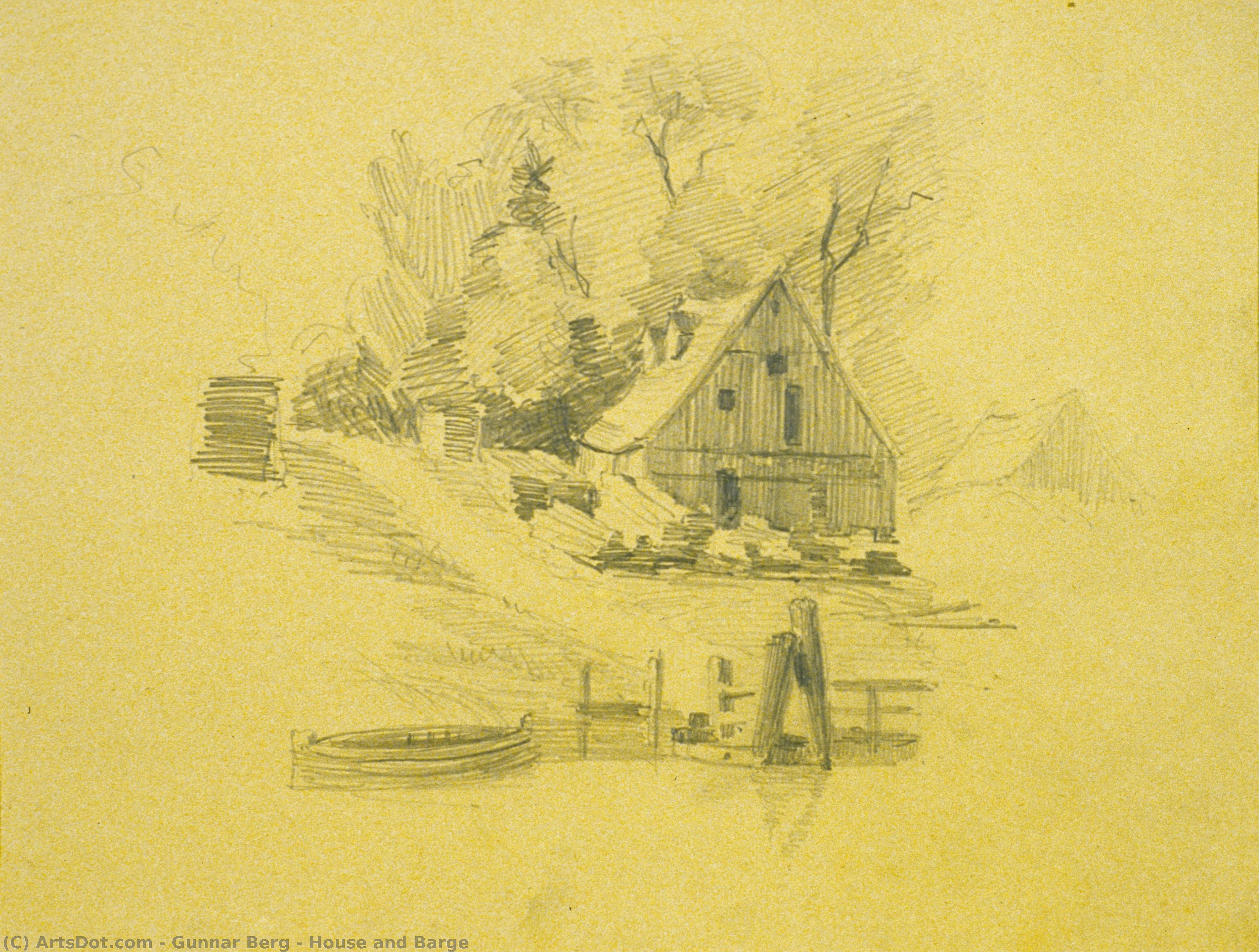
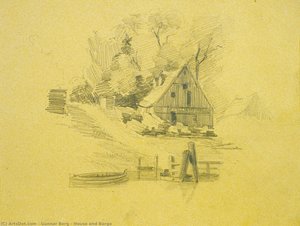
統計情報House and Barge
 Oil
Oil- WallArt
- Realism
 1883
1883- 19th Century
 17.0 x 22.0 cm
 Nordnorsk Kunstmuseum
 詳細を見る
詳細を見る
オンラインプレビューをはるかに凌ぐ、高解像度で鮮明なデジタル画像をご購入いただけます。
各ファイルは、社内の専門家が高度なツールと熟練した手作業によるレタッチを用いて、細心の注意を払って準備されています。すべての画像において、卓越した鮮明度、正確な色彩再現性、そして繊細なディテールを保証いたします。
最終ファイルは、プロフェッショナルな編集・印刷環境ですぐにご利用いただけるよう最適化された状態で、72時間以内にメールにてお届けいたします。これは、一流のデザインスタジオ、出版社、ギャラリーから信頼されているものと同等の品質です。
デジタルアート
個人での鑑賞、印刷、クリエイティブなプロジェクト用に、高解像度ファイルをダウンロードできます。 ( プリント版に切り替え 手描きの絵画を購入)
デジタル画像のご注文に付随する特典
高品質なデジタル画像配信を、確かな品質で。
ArtsDot.com を選ぶことは、単に画像を手に入れることではありません。それは、プロの手によって精密に仕上げられ、満足保証が付いた高品質なデジタルアートワークを受け取ることを意味します。ご注文いただいた際に自動的に付随する内容は、以下の通りです:

メールですぐにお届け
ご注文から72時間以内に、高解像度のデジタル画像ファイルがメールでお手元に届きます。すぐにそのままご利用いただけます。

AI技術で最適化されたデジタルファイル
お客様の作品は、高度なAIツールと専門家による手作業の編集を組み合わせてプロフェッショナルに最適化されており、細部のディテール、鮮明さ、そして正確な色再現性を最大限に引き出しています。

一生涯無料の再送サービス
ファイルを誤って削除したり、紛失してしまったりしましたか?ご安心ください。いつでも無料で再送いたします。

輸入手数料は一切かかりません
関税や手数料、配送料を気にすることなく、お気に入りのアートワークをすぐにお楽しみいただけます。デジタルダウンロードは常に免税です。

色彩再現の保証
プロ仕様のツールとカラーマネジメント技術を用いることで、デジタル画像が元の色を最大限に忠実に再現することを保証いたします。

100日間満足保証
ご購入いただいたデジタル画像にご満足いただけない場合は、100日以内であれば、理由を問わず修正または100%の返金対応をさせていただきます。

100% 返金保証
ご満足いただけない場合は、デジタルファイルを受け取ってから100日以内であれば、理由を問わず全額返金いたします。

まとめ買い割引
3枚購入で10%OFF - 5枚購入で15%OFF - 10枚以上購入で20%OFF。クリエイティブなプロジェクト、ギャラリー、エージェンシーに最適です。
A Serene Encounter with the Water's Edge
In the quietude of House and Barge, we are invited into a moment of profound stillness, where the rhythmic pulse of nature meets the humble structures of human existence. This exquisite painting by the Norwegian master Gunnar Berg captures a scene that feels both intimate and timeless. A small wooden house, crowned with a rustic thatched roof, sits nestled against the water's edge, surrounded by the lush, verdant embrace of trees. The composition is anchored by the presence of a barge moored at a modest dock, its heavy form resting peacefully upon the surface. As the eye wanders through the frame, two boats drift within the scene—one centrally placed to draw our focus, and another tucked toward the periphery—suggesting a life lived in constant, gentle dialogue with the tides. The inclusion of a solitary figure on the left adds a layer of human narrative, a quiet observer or perhaps a worker tending to the vessel, grounding the landscape in the reality of daily maritime life.
The technique employed here speaks to Berg’s rigorous training in the Düsseldorf school, where he refined his ability to manipulate light and texture to evoke atmosphere. Through delicate brushwork, the artist renders the organic textures of the thatch and the weathered wood of the house with remarkable sensitivity. There is a palpable sense of moisture in the air, a characteristic of Berg’s ability to capture the specific, heavy atmosphere of Northern Europe. The interplay of light across the water and the soft shadows cast by the surrounding foliage create a depth that pulls the viewer into this tranquil, rural setting. For the collector or interior designer, this piece offers more than just a visual subject; it provides a window into a world of pastoral peace, where every stroke contributes to a sense of enduring calm.
Historical Resonance and Artistic Legacy
To understand the soul of House and Barge, one must look toward the life of its creator. Painted around 1883, during a pivotal period of Berg's education in Germany, the work reflects a sophisticated blend of his Norwegian roots and the academic precision he acquired abroad. While Berg is most famously celebrated for his evocative depictions of the rugged, dramatic landscapes of the Lofoten Islands, this particular piece showcases a more contemplative, perhaps even nostalgic, side of his artistry. It captures a moment of transition—a period when the artist was absorbing the broader European landscape traditions while carrying the spirit of his home in Svolvær within him.
The painting serves as a beautiful testament to the late 19th-century fascination with the romanticized rural life, far removed from the encroaching industrialization of the era. There is a profound emotional impact found in its simplicity; it evokes a sense of nostalgia for a slower, more deliberate way of living. For those seeking to adorn a space with art that inspires reflection and tranquility, this reproduction offers an unparalleled opportunity. It brings into a modern interior the quiet dignity of the past, making it an ideal centerpiece for rooms designed for relaxation, study, or sophisticated contemplation.
関連作品
作家の略歴
The Soul of the North: The Life and Legacy of Gunnar Berg
In the annals of Norwegian art history, few names evoke the raw, salt-sprayed atmosphere of the Arctic Circle as poignantly as Gunnar Berg. Born on May 21, 1863, on the rugged island of Svinøya in Svolvær, Berg was a child of the Lofoten archipelago. His very existence was intertwined with the rhythmic ebb and flow of the Norwegian Sea and the towering granite peaks that define his native landscape. As the eldest of twelve children born to a prosperous merchant and landowner, Lars Thodal Walnum Berg, and Lovise Johnsen, his early life was steeped in the maritime traditions and mercantile stability of the North. Yet, beneath this structured upbringing lay a burgeoning sensitivity to the dramatic natural world surrounding him—a sensitivity that would eventually lead him away from the counting house and toward the easel.
Berg’s artistic journey was one of disciplined refinement and profound observation. His formal education began at the Trondheim Cathedral School, but his true calling took shape through private instruction under the artist H.J. and later through rigorous academic training in the prestigious Düsseldorf School of Painting. Between 1883 and 1885, Berg immersed himself in the German art scene, studying alongside masters such as Wilhelm Leibl and Anton Faigl. This period was transformative; it provided him with a sophisticated technical vocabulary, particularly in the realms of realism and tonal painting. From these mentors, he learned to use subtle gradations of color and masterful brushwork not merely to replicate reality, but to imbue it with psychological depth and atmospheric weight. He returned to Norway not just as a painter of scenes, but as a chronicler of moods.
A Master of the Lofoten Atmosphere
The true heart of Berg’s oeuvre lies in his unwavering devotion to the Lofoten Islands. While many of his contemporaries sought to romanticize the North through idealized, sweeping vistas, Berg pursued a more profound truth. He focused his gaze on the everyday realities of the local fishing communities—the grit, the labor, and the quiet resilience required to survive in such an unforant environment. His paintings often feature the iconic elements of the region: the sturdy wooden boats, the weathered docks, and the small, thatched-roof dwellings that cling to the shoreline.
In works such as House and Barge, one can witness his ability to capture a moment of profound stillness. Through delicate brushwork, he renders the organic textures of thatch and wood with such sensitivity that the viewer can almost feel the dampness in the air. Conversely, his more dramatic compositions reflect the tempestuous nature of the North Atlantic. He possessed a rare talent for manipulating light—capturing the ethereal glow of a summer twilight or the heavy, oppressive shadows of an approaching winter storm. This mastery of impasto and tonal variation allowed him to document both the grandeur of the mountains and the humble dignity of the fishermen, creating a visual narrative that is as much about human endurance as it is about landscape.
An Enduring Artistic Significance
Though his life was tragically short—ending in Berlin in 1893 at the age of only thirty—Gunnar Berg left behind an indelible mark on Norwegian art. His ability to bridge the gap between the academic precision of the Düsseldorf School and the raw, emotive spirit of Norwegian naturalism helped define a unique national aesthetic. He did not merely paint landscapes; he captured the very soul of a way of life that was being shaped by the relentless forces of nature.
Today, Berg is remembered as a singular figure whose work transcends mere representation. His paintings serve as vital historical documents of a vanishing era of maritime life, preserved through his evocative use of light and texture. The legacy of Gunnar Berg continues to resonate with collectors and art historians alike, offering a window into a world where the boundary between man and the elements is beautifully, and sometimes hauntingly, blurred.
gunnar berg
1863 - 1893
プロフィール概要
- Artistic Movement Or Style: Düsseldorf School of Painting
- Artists Who Influenced This Artist: ['H. J. Johannessen']
- Date Of Birth: 1863
- Date Of Death: 1893
- Full Name: Gunnar Berg
- Nationality: Norwegian
- Notable Artworks:
- Trollfjordslaget
- View of Trollfjord
- Svolvær Harbor
- Place Of Birth: Svinoøya, Svolvær, Norway