

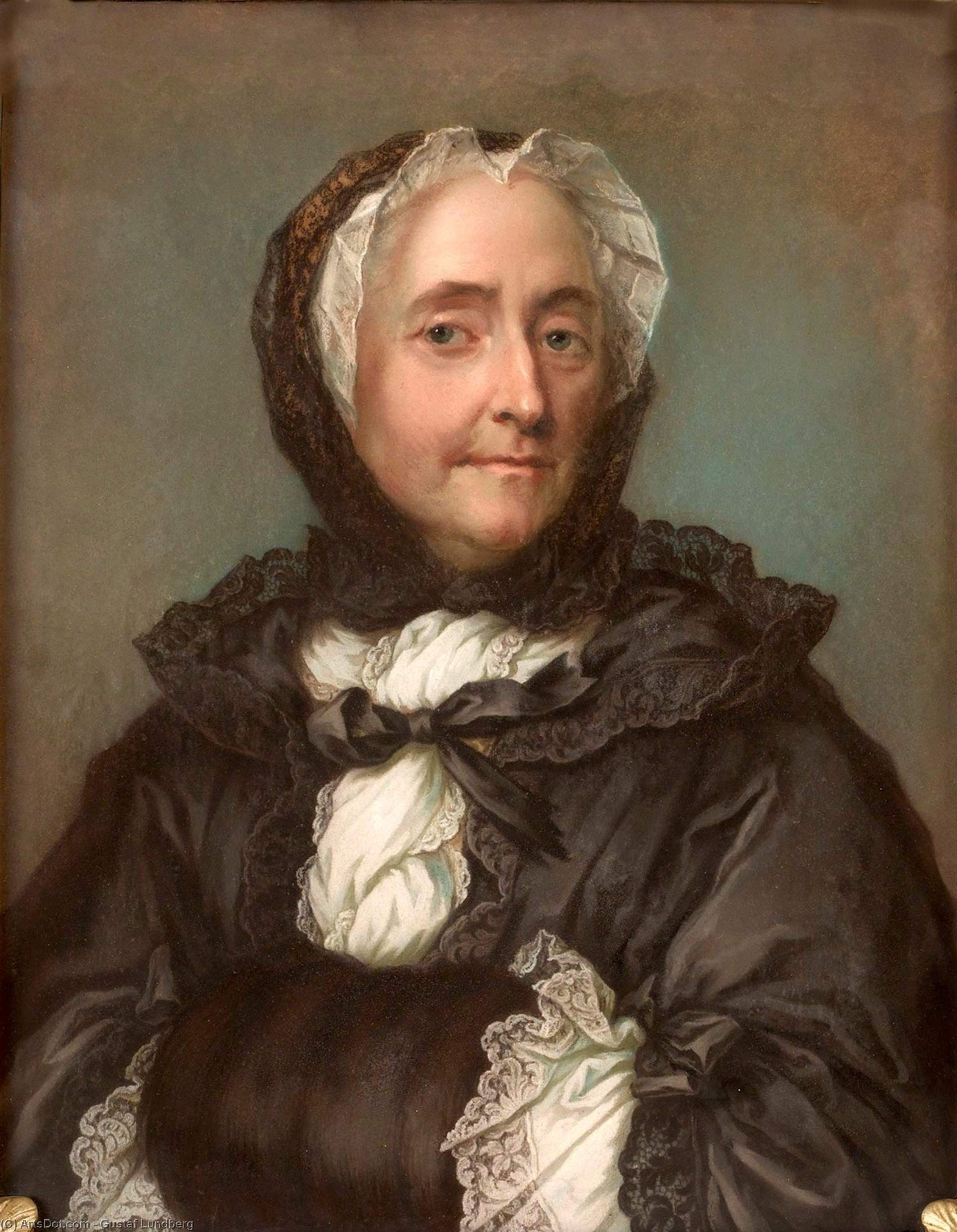
 プレビュー
プレビュー
 シェアする
シェアする シェアする
シェアする
 詳細を見る
詳細を見る

 ダウンロード
 似ている作品
 X線調査
X線調査 スライドショー
Portrait Of Kristina Sofia Sack
 詳細を見る
詳細を見る
ジークレー/アートプリント
迅速な制作と多彩な仕上げオプションを備えた、ミュージアムクオリティのジークレーまたはキャンバスプリント。 ( 手描きの絵画を購入 画像を購入)




































作品のオリジナル比率に合わせた、当店の規定サイズからお選びください。

特定のフレームやスペースに合わせて、ご自身でサイズを指定することも可能です。選択されたサイズが元の画像の比率と一致しない場合、作品をトリミングするか、鏡面反射または単色での塗りつぶしによって画像を拡張いたします。制作を開始する前に、ご確認用のデジタルモックアップをお送りいたします。
画面上のプレビューには、実際のトリミングや拡張は反映されませんのでご注意ください。最終的な構図を正確に確認できるのは、モックアップのみとなります。
カスタムサイズも承っておりますが、元の比率を維持するためには、あらかじめ用意されたリストからサイズを選択することをお勧めいたします。


 ガラスオプションは、110cm未満のサイズでのみご利用いただけます。

Portrait Of Kristina Sofia Sack
ジークレー/アートプリント
複製画のサイズ
-


合計金額
$ 62
関連作品





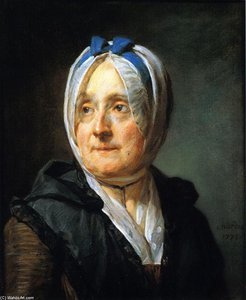

アーティストの略歴
The Radiance of the Rococo: The Life and Legacy of Gustaf Lundberg
In the grand tapestry of eighteenth-century European art, few threads shimmer with as much delicate brilliance as the works of Gustaf Lundberg. A master of the pastel medium, Lundberg did not merely paint faces; he captured the very essence of an era defined by grace, light, and aristocratic splendor. Born in Stockholm in 1695 to a family touched by the culinary and artistic arts, his early years were shadowed by the profound tragedy of orphanhood. Yet, from this loss emerged a resilient creative spirit, nurtured under the watchful eye of his grandfather, the goldsmith Fredrik Richter. This early exposure to the meticulous precision of fine craftsmanship would later become a cornerstone of Lundberg’s ability to render the intricate textures of silk, lace, and skin with unparalleled sensitivity.
The trajectory of Lundberg’s life took a transformative turn in 1717 when he ventured from the familiar streets of Stockholm to the vibrant, intellectual heart of Paris. It was in this epicenter of culture that his talent truly blossomed. Immersed in the rigorous traditions of French academies, he studied under luminaries such as Hyacinthe Rigaud and Nicolas de Largillière, absorbing the grandiosity of classical portraiture. However, perhaps the most profound influence on his soul was the Venetian master Rosalba Carriera. Her ethereal use of pastel allowed Lundberg to move beyond mere representation, teaching him how to manipulate light and soft color to evoke emotion and movement. This fusion of French structure and Venetian luminosity became the hallmark of his distinctive style.
A Courtly Vision: Mastery and Patronage
As his reputation ascended, Lundberg became a fixture in the most prestigious circles of the French and Swedish courts. His ability to immortalize the nobility was not merely a matter of skill, but of psychological insight. He possessed a rare gift for portraying the grandeur of power alongside the intimate vulnerability of the individual. His portfolio serves as a visual chronicle of the 18th-century elite, featuring breathtaking depictions of Louis XV and his queen, Maria Leszczyńska. The artist’s connection to royalty was so profound that he even provided pastel painting lessons to the deposed King Stanisław Leszczyński, demonstrating a level of intimacy with his subjects that transcended the typical relationship between painter and patron.
Beyond the halls of Versailles, Lundberg maintained deep ties to his Swedish roots, acting as a cultural bridge between Paris and Stockholm. His later appointment as a court portrait painter in Sweden allowed him to bring the sophisticated aesthetics of the Rococo movement back to his homeland. Through his work, the Swedish aristocracy could see themselves reflected in the fashionable, luminous style of the French salons. His life’s work remains a testament to several key artistic achievements:
- The Elevation of Pastel: He helped transition pastel from a secondary medium to a primary vehicle for high-status portraiture.
- Cultural Synthesis: He successfully blended the technical rigor of French academic painting with the soft, expressive qualities of the Venetian school.
- Historical Documentation: His portraits provide an invaluable visual record of the political and social landscape of the mid-18th century.
An Enduring Impression
The historical significance of Gustaf Lundberg lies in his role as a definitive voice of the Rococo period. While the era eventually gave way to the more austere Neoclassical movement, the elegance and charm found in Lundberg’s portraits remain timeless. He captured a fleeting moment in history—a time of powdered wigs, opulent fabrics, and a profound belief in the beauty of the decorative arts. Even today, when one gazes upon his work, there is a palpable sense of the atmosphere of 1750: a world of soft light, whispered secrets, and an unwavering pursuit of aesthetic perfection. His legacy survives not just in museums, but in the enduring way we perceive the grace of the Rococo age.
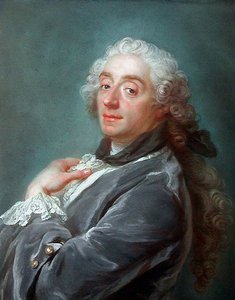
Gustaf Lundberg
1695 - 1786 , Sweden
基本情報
- Artistic Movement Or Style: Rococo Pastelist
- Artists Or Movements Influenced By This Artist: ['Jean François de Troy']
- Artists Who Influenced This Artist:
- Rosalba Carrera
- David von Krafft
- Date Of Birth: August 1695
- Full Name: Gustaf Lundberg
- Nationality: Swedish
- Notable Artworks:
- Portrait Of Carl Gustaf Tessin
- Portrait Of Carl Gustaf Piper
- Place Of Birth: Stockholm, Sweden

