

 プレビュー
プレビュー
 プリントを購入
 シェアする
シェアする シェアする
シェアする
 詳細を見る
詳細を見る

 ダウンロード
 似ている作品
 X線調査
X線調査 スライドショー
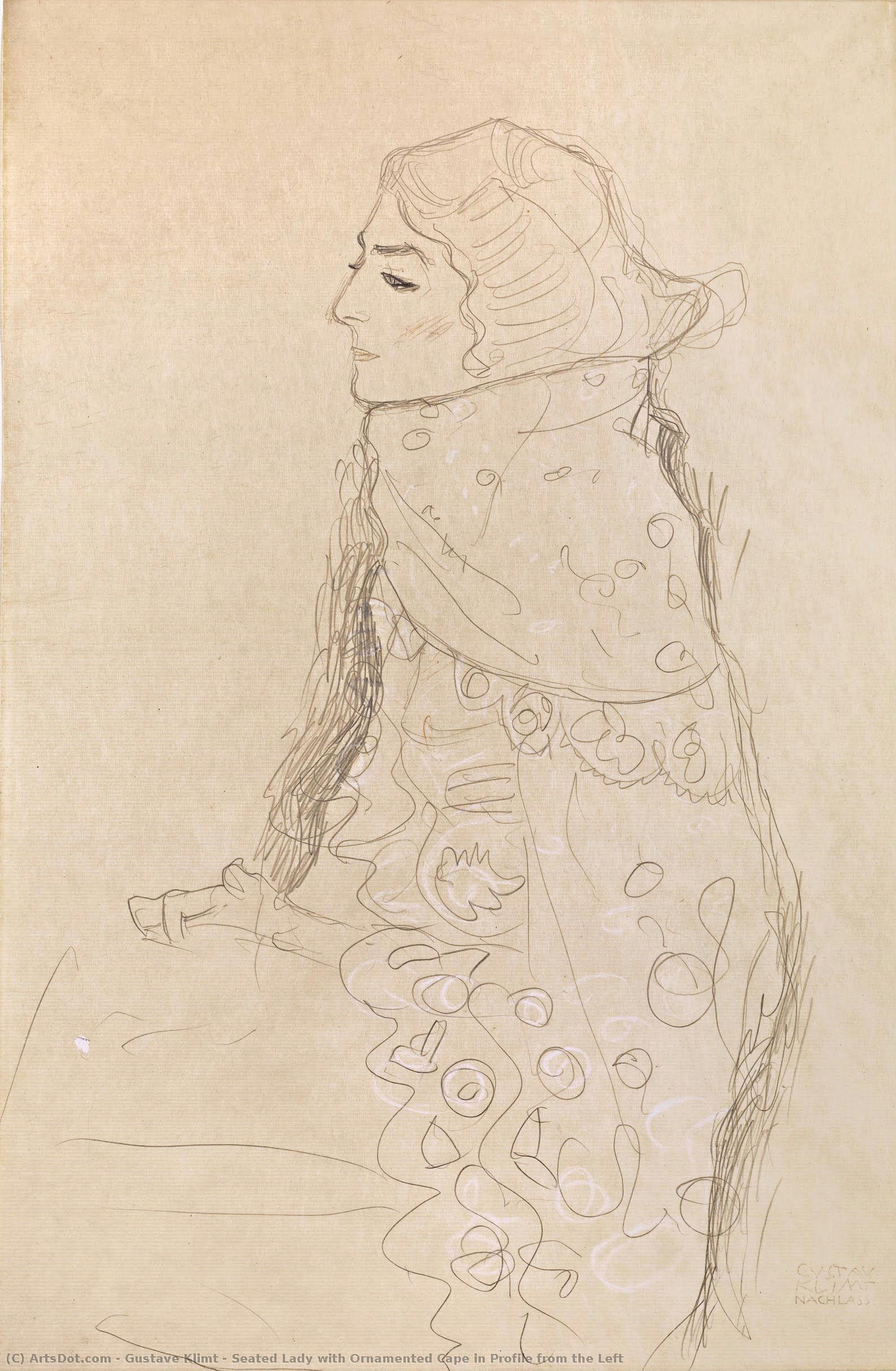
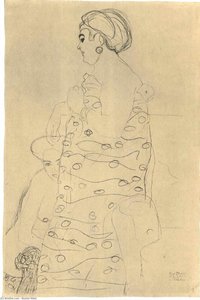
Seated Lady with Ornamented Cape in Profile from the Left
 Acrylic On Canvas
- WallArt
- Art Nouveau
 1910
1910 364.0 x 553.0 cm
 レオポルド博物館
 詳細を見る
詳細を見る
オンラインプレビューをはるかに凌ぐ、高解像度で鮮明なデジタル画像をご購入いただけます。
各ファイルは、社内の専門家が高度なツールと熟練した手作業によるレタッチを用いて、細心の注意を払って準備されています。すべての画像において、卓越した鮮明度、正確な色彩再現性、そして繊細なディテールを保証いたします。
最終ファイルは、プロフェッショナルな編集・印刷環境ですぐにご利用いただけるよう最適化された状態で、72時間以内にメールにてお届けいたします。これは、一流のデザインスタジオ、出版社、ギャラリーから信頼されているものと同等の品質です。
デジタル画像のご注文に付随する特典
高品質なデジタル画像配信を、確かな品質で。
ArtsDot.com を選ぶことは、単に画像を手に入れることではありません。それは、プロの手によって精密に仕上げられ、満足保証が付いた高品質なデジタルアートワークを受け取ることを意味します。ご注文いただいた際に自動的に付随する内容は、以下の通りです:

メールですぐにお届け
ご注文から72時間以内に、高解像度のデジタル画像ファイルがメールでお手元に届きます。すぐにそのままご利用いただけます。

AI技術で最適化されたデジタルファイル
お客様の作品は、高度なAIツールと専門家による手作業の編集を組み合わせてプロフェッショナルに最適化されており、細部のディテール、鮮明さ、そして正確な色再現性を最大限に引き出しています。

一生涯無料の再送サービス
ファイルを誤って削除したり、紛失してしまったりしましたか?ご安心ください。いつでも無料で再送いたします。

輸入手数料は一切かかりません
関税や手数料、配送料を気にすることなく、お気に入りのアートワークをすぐにお楽しみいただけます。デジタルダウンロードは常に免税です。

色彩再現の保証
プロ仕様のツールとカラーマネジメント技術を用いることで、デジタル画像が元の色を最大限に忠実に再現することを保証いたします。

60日間満足保証
ご購入いただいたデジタル画像にご満足いただけない場合は、60日以内であれば、修正または100%の返金(理由を問う必要はありません)をさせていただきます。

100% 返金保証
ご満足いただけない場合は、デジタルファイルを受け取ってから60日以内であれば、理由を問わず全額返金いたします。

まとめ買い割引
3枚購入で10%OFF - 5枚購入で15%OFF - 10枚以上購入で20%OFF。クリエイティブなプロジェクト、ギャラリー、エージェンシーに最適です。
作品の詳細
A Portrait of Enigmatic Grace: Unveiling Klimt’s ‘Seated Lady’
Gustav Klimt's “Seated Lady with Ornamented Cape in Profile from the Left,” created in 1910, is more than just a portrait; it’s an immersion into the artist’s intensely personal and profoundly symbolic world. This captivating drawing, rendered in meticulous pencil on Japanese paper, offers a rare glimpse into Klimt's creative process – a journey of observation, experimentation, and ultimately, a masterful distillation of form and emotion. The work immediately draws the eye with its stark contrast: the cool, almost clinical precision of the black and white medium against the lavish ornamentation of the woman’s attire and the deliberate highlighting of her face. It's a testament to Klimt’s ability to convey profound depth through seemingly simple means.
The identity of the sitter remains shrouded in mystery, adding an intriguing layer to the artwork’s allure. Klimt himself was known for his extensive series of preparatory drawings, often numbering dozens or even hundreds for a single finished painting or drawing. These weren't merely sketches; they were explorations of pose, proportion, and expression – a relentless pursuit of capturing the essence of his subjects. The sheer volume of these studies, filling studios with towering piles of paper, speaks to Klimt’s obsessive dedication and his desire to achieve absolute clarity in his representations. The use of conté chalk initially allowed for dramatic light and shadow effects, but it was his shift to pencil on Japanese paper that unlocked a new level of detail and control, enabling him to build up layers of line with remarkable precision.
Decoding the Symbolism: Ornamentation and Absence
The most striking element of the drawing is undoubtedly the woman’s cape – an explosion of swirling, geometric patterns that dominate the composition. These aren't merely decorative flourishes; they are deeply symbolic, reflecting Klimt’s fascination with ancient cultures, particularly Egypt and Byzantium. The intricate designs evoke a sense of timelessness and mystery, hinting at hidden meanings and forgotten rituals. Notice how the dense lines around her attire seem to push it forward, creating an almost sculptural effect that contrasts sharply with the softer, more delicate rendering of her face.
Conversely, Klimt deliberately minimizes detail in the woman’s features – a subtle yet powerful choice. Her face is largely obscured by the scarf, creating an aura of ambiguity and inviting speculation about her identity and inner life. The highlighted areas of her skin, particularly around the eyes and mouth, are rendered with exquisite sensitivity, drawing attention to her expression and imbuing her with a quiet dignity. This juxtaposition – opulent ornamentation versus veiled anonymity – is central to the work’s emotional impact.
Technique and Context: A Masterclass in Line and Light
Klimt's technique here is remarkably sophisticated, demonstrating his mastery of line drawing. He employs a complex layering of pencil strokes, building up texture and shading with incredible control. The deliberate use of negative space – the areas left untouched by line – further enhances the sense of depth and volume. The choice of Japanese paper itself contributed to the final effect; its smooth surface allowed for precise rendering and subtle tonal variations.
Created in 1910, this drawing represents a pivotal moment in Klimt’s career. Following his groundbreaking success with “The Kiss,” he was exploring new avenues of expression, experimenting with decorative elements and delving deeper into the realm of symbolism. “Seated Lady” exemplifies this period of artistic exploration, showcasing Klimt's evolving style and his unwavering commitment to capturing the beauty and complexity of the human form – a beauty often intertwined with mystery and profound emotional resonance. It’s a work that continues to fascinate and inspire, offering a window into the mind of one of art history’s most enigmatic figures.
A Timeless Masterpiece: Reproduction Possibilities
ArtsDot offers meticulously crafted hand-painted reproductions of “Seated Lady with Ornamented Cape in Profile from the Left,” allowing you to bring this iconic artwork into your home or office. Our skilled artists faithfully recreate Klimt’s intricate details and evocative atmosphere, ensuring that every reproduction captures the essence of the original drawing. Available in a range of sizes and mediums – including fine art canvas and archival paper – our reproductions provide an authentic and stunning representation of this timeless masterpiece. Explore our collection today and experience the enduring allure of Gustav Klimt's enigmatic vision.
関連作品
作家の略歴
幼少期と芸術的ルーツ
グスタフ・クリムトは、1862年7月14日、ウィーン郊外のバウムガルテンに生まれました。彼の家族は芸術的な才能と経済的な苦難の両方を背負っていました。父エルンスト・クリムトは金細工師であり、その仕事が若いグスタフの美的感覚に微妙な影響を与えました—金の箔の魅力、緻密なディテール、そして贅沢さです。家族の生活は貧しく、ウィーン市内での頻繁な引っ越しを余儀なくされました。この不安定な環境が、クリムトの鋭い観察眼と人間経験への感受性を育んだのかもしれません。幼少期から絵を描く才能を発揮し、父の仕事や生まれつきの才能によってその才能は開花しました。1876年、彼はウィーン応用美術学校に入学し、フェルディナント・ラウフベルガーのもとで建築装飾画を学びました。この経験は彼に確かな技術的基盤を与えましたが、同時に当時の主流であったアカデミックな様式にも触れさせました—クリムトは後にこれらの様式に挑戦し、それを超えていくことになります。ここで彼は兄のエルンストやフランツ・フォン・マッハと重要な芸術的なパートナーシップを築き、装飾壁画や天井画の初期の依頼を獲得しました。これは彼の将来の成功への礎となりました。ウィーン分離派の台頭
1890年代に入ると、クリムトはウィーンのアカデミックな美術界に対する幻滅感を募らせていました。彼はより大きな創造的な自由を求め、伝統の制約から解放された空間で革新が花開くことを願っていました。この欲求が高まった結果、1897年にウィーン分離派が結成されました—オーストリア美術史における重要な瞬間です。クリムトは最初の会長に選出され、その動きの代表者となりました。この運動は、硬直したアカデミックな規範から脱却し、ヨーロッパ全土を席巻していた新たな芸術潮流—アールヌーヴォー、象徴主義、ジャポニスム—を受け入れることを目指しました。ヨゼフ・マリア・オブリヒによって設計された分離派の展覧会ビルは、この反乱の象徴となりました。クリムトの作品は分離派の精神を体現し、従来の美学からの脱却と装飾的な要素、大胆な色彩、象徴的なイメージの受容を表していました。彼の絵画は愛、死、そして性といったテーマを探求し、前例のない率直さで社会規範に挑戦し、賞賛と怒りを引き起こしました。黄金期と芸術的成熟
1900年頃から、クリムトは「黄金期」と呼ばれる時期に入りました。この時期は、ビザンティン・モザイクや中世の写本装飾に触発された金の箔を贅沢に使用することによって特徴づけられました。この技法は彼の絵画をきらめく異世界のビジョンへと変貌させ、精神的な深さと官能的な魅力が宿るようにしました。『接吻』(1907-1908)は、おそらく彼の最も象徴的な作品であり、このスタイルを体現しています—黄金のオーラに包まれ、複雑なパターンで飾られたカップルが抱擁し合っています。この時期には、アデレ・ブロッホ=バウアーI世(1907年)など、素晴らしい肖像画も制作されました。彼は肉体的特徴だけでなく、被写体の心理的な複雑さまでも捉える能力を示しました。クリムトは絵画と装飾の境界線を曖昧にし、構成要素に装飾的な要素を統合することで、形と内容が調和した融合を生み出しました。日本の芸術—ジャポニスム—の影響は特に顕著であり、彼の平坦な視点、線の強調、そして装飾的なパターンが見られました。論争、影響、そして永続的な遺産
クリムトのキャリアは論争なしには過ぎませんでした。1900年、彼はウィーン大学の大講堂の天井画を制作する権威ある依頼を受けました。哲学、法学、神学を表すこれらの壁画は、保守的な批評家から挑発的でさえポルノ的であると非難され、公衆からの猛反発を引き起こし、最終的にクリムトが政府からのさらなる依頼を拒否する原因となりました。この出来事は彼のキャリアの転換点となり、より私的なパトロナージへと彼を押しやり、より大きな芸術的な自由を与えました。生涯を通じて、クリムトはハンス・マカートの歴史的絵画からビザンティンや日本の装飾美術まで、多様なアーティストやスタイルからの影響を受けました。彼はまた、神話、寓意、そして潜在意識といったテーマを探求する象徴主義運動からもインスピレーションを得ました。グスタフ・クリムトは1918年2月6日にスペインかぜのパンデミック中に脳卒中で亡くなるまで、精力的に絵を描き続けました。彼の後期の作品はより抽象的な形態と風景を探求し、芸術的進化を続けています。彼は現在、オーストリア美術史における最も重要な人物の一人であり、ウィーン分離派の主要な推進者であり、アールヌーヴォーのエレガンスの不朽の象徴として認識されています。彼の絵画はオークションで高値で取引されており、その影響力は現代芸術とデザインにも共鳴し続けています。主な特徴と芸術的スタイル
- 象徴主義: クリムトの作品は深く象徴的であり、愛、死、性、そして人間の状態といったテーマを探求しています。
- アールヌーヴォー: 彼はアールヌーヴォー運動の主要な人物であり、有機的な線、装飾的なパターン、美への重点が特徴です。
- 黄金期: 金箔の使用は、彼の「黄金期」を定義するスタイルとなり、きらめく豪華な表面を作り出しました。
- 装飾的要素: クリムトは構成要素に装飾的な要素を取り入れ、絵画と装飾の境界線を曖昧にしました。
- 女性像: 女性の体は彼の作品の中心的な主題であり、しばしば官能性と心理的な深みで描かれています。
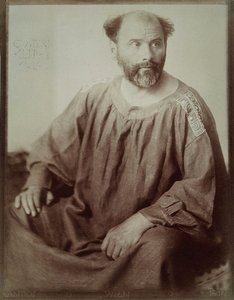
グスタフ・クリムト
1862 - 1918 , オーストリア
プロフィール概要
- フルネーム: グスタフ・クリムト
- 主な作品:
- 接吻
- アデレ・ブロー=バウアーI世の肖像
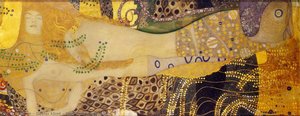
- 水蛇
- 出生地: オーストリア、バウムガルテン
- 国籍: オーストリア
- 影響を与えたアーティスト:
- エゴン・シーレー
- 表現主義
- シュルレアリスム
- 影響を受けたアーティスト:
- ハンス・マカート
- 日本の美術
- 死亡年月日: 1918年2月6日
- 生年月日: 1862年7月14日
- 芸術運動またはスタイル: 象徴主義、アールヌーヴォー

