 プレビュー
プレビュー
 プリントを購入
 シェアする
シェアする シェアする
シェアする
 詳細を見る
詳細を見る

 ダウンロード
 似ている作品
 X線調査
X線調査 スライドショー
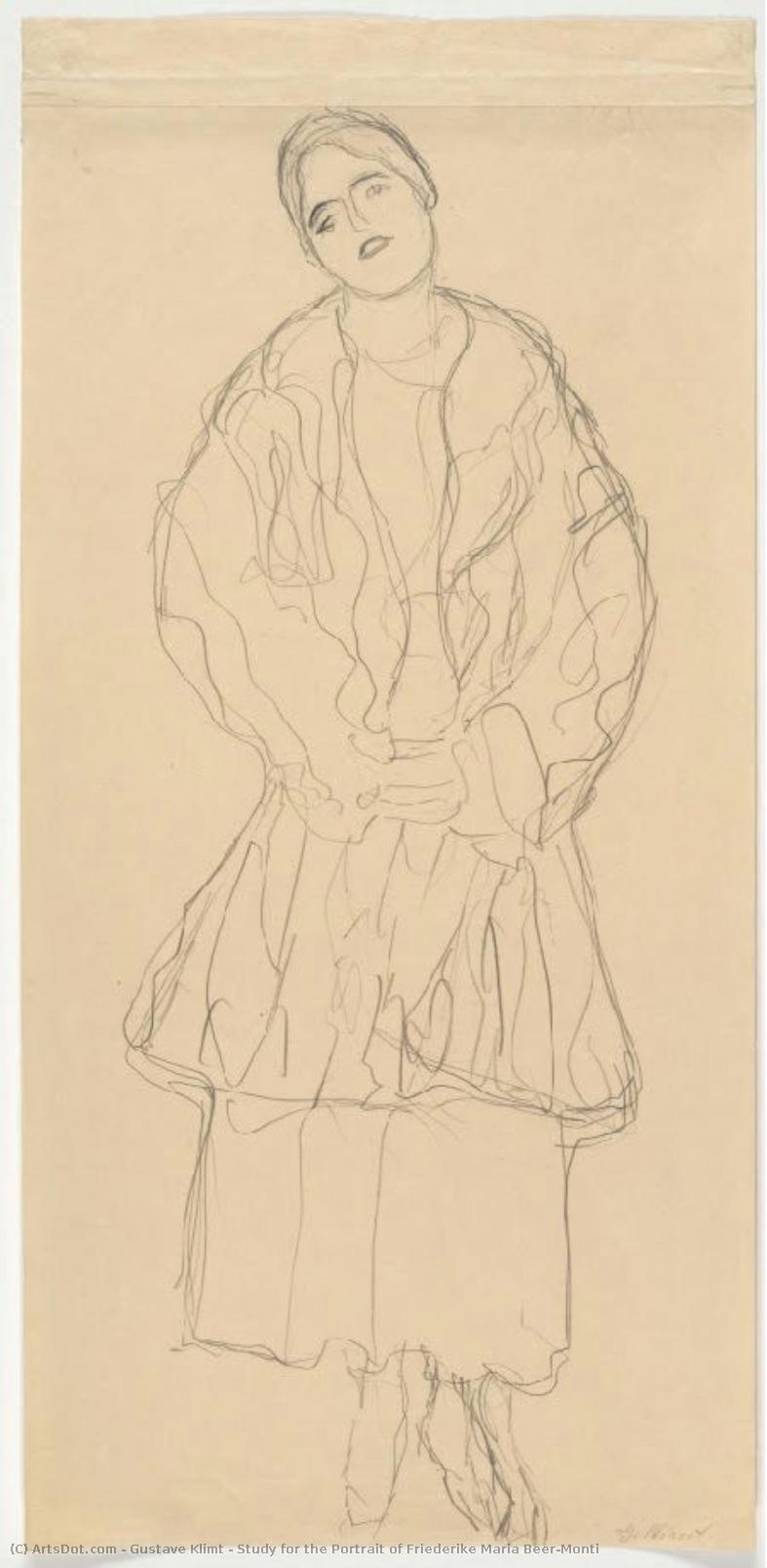
Study for the Portrait of Friederike Maria Beer-Monti
 Acrylic On Canvas
- WallArt
- Art Nouveau
 1915
1915 4.0 x 29.0 cm
 Lentos Kunstmuseum Linz
 詳細を見る
詳細を見る




P118B $10

P118H $10

P118W $10

P438Z $10

P508JH $12

P508YH $12

P805H $10

P805Z $10

P919BZ $10

P919G $10

P919XJ $10

P959ZH $10

P968JZ $12

W106C $8

W218G $10

W218JH $8

W218Y $10

W307PJ $10

W316G $10

W316PJ $8

W316Y $10

W398PJ $8

W4111J $10

W500HY $15

W500JH $15

W692G $12

W849H $8

W940BG $15

W953PJ $8




作品のオリジナル比率に合わせた、当店の規定サイズからお選びください。

特定のフレームやスペースに合わせて、ご希望のサイズをご入力いただけます。選択されたサイズが元の画像の比率と異なる場合、アートワークをトリミングするか、手描きで要素を追加して絵画を拡張いたします。デジタルモックアップ を制作し、制作開始前にご確認(承認)をいただきます。
画面上のプレビューは、実際のトリミングや拡張を正確に反映しているものではありません。最終的な構図は、モックアップによってのみ正確にご確認いただけます。
カスタムサイズもご利用いただけますが、元の比率を維持するためには、あらかじめ用意されたリストからサイズを選択することをお勧めいたします。
ご注文後、ArtsDot.com チームより詳細な指示をお送りするとともに、仕上がりイメージ(モックアップ)をご提供いたします。


 ガラスオプションは、110cm未満のサイズでのみご利用いただけます。

Study for the Portrait of Friederike Maria Beer-Monti
複製技法
複製画のサイズ
-


合計金額
$ 263
作品解説
A Moment Frozen in Time: Gustav Klimt’s Study for Beer-Monti’s Portrait
This unassuming black and white drawing, measuring just 4 x 29 cm, holds within it a captivating glimpse into the artistic milieu of Vienna at the dawn of the twentieth century. Created in 1915 by Gustav Klimt—a titan of Symbolism and Art Nouveau—it represents more than simply an image; it’s a tangible fragment of a pivotal moment in Viennese art history, inextricably linked to the burgeoning affair between Klimt and Friederike Maria Beer-Monti. The photograph itself showcases the drawing mounted on a wall, framed elegantly – a deliberate choice that elevates its presentation beyond mere documentation, hinting at its significance as an artistic heirloom.The Artist’s Vision: Klimt's Exploration of Form and Texture
Gustav Klimt (1862-1918), born in Baumgarten near Vienna, possessed a father who practiced gold engraving—a craft that instilled within him an unwavering fascination for shimmering surfaces and meticulous craftsmanship. This familial influence profoundly shaped his artistic approach, propelling him toward techniques characterized by the lavish application of gold leaf, mirroring the opulent aesthetic favored during the Art Nouveau movement. Klimt’s training at the Kunstgewerbeschule honed his technical skills under Ferdinand Laufberger, grounding him in academic principles while simultaneously nurturing his rebellious spirit—a spirit that would ultimately propel him to forge a uniquely expressive style. The drawing exemplifies this duality; it's executed with remarkable precision yet infused with an unmistakable textural richness, anticipating Klimt’s monumental portraits and murals.A Portrait Commission Amidst Artistic Passion
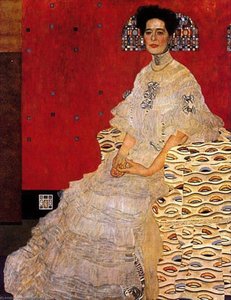
The genesis of this study lies in the context of Friederike Maria Beer-Monti’s life—a young woman captivated by Klimt’s genius and embarking on a passionate romance. As Klimt's assistant cataloguing his estate drawings, Beer was tasked with selecting a gift for Klimt: either a string of pearls or a portrait depicting him. Choosing the latter demonstrated not only admiration but also an understanding of Klimt’s artistic sensibilities—a desire to capture his essence in a visual form that would resonate beyond mere likeness. This commission underscores the importance of personal relationships within the creative process, revealing Klimt's consideration for Beer’s tastes and aspirations.Symbolism Within Simplicity: Hints of Klimt’s Mature Style
Despite its modest size, this drawing anticipates Klimt’s groundbreaking artistic achievements. The woman depicted—likely Beer herself—is rendered with careful attention to detail, capturing the contours of her dress and facial features. Her crossed arms convey a sense of composure and introspection, mirroring the contemplative mood often found in Klimt's oeuvre. Furthermore, the photograph framing the drawing subtly references Klimt’s monumental works, suggesting that this preparatory sketch embodies the foundational principles of his artistic vision—a vision characterized by intricate patterns, symbolic imagery, and an unwavering commitment to conveying emotion through form and texture. It serves as a poignant reminder that even in moments of quiet contemplation, Klimt's influence could be felt powerfully.A Legacy Preserved: Why This Reproduction Matters
Today, this drawing stands as a testament to Klimt’s artistic legacy—a beautifully executed study destined to inspire collectors and interior designers alike. Its understated elegance belies the profound depth of its symbolism and technique, inviting viewers to appreciate not only Klimt's mastery but also the historical context in which it was created. A high-quality reproduction allows one to experience this captivating artwork firsthand, transporting the viewer back to Vienna’s vibrant artistic landscape—a landscape forever marked by the brilliance of Gustav Klimt.関連作品
アーティストの略歴
幼少期と芸術的ルーツ
グスタフ・クリムトは、1862年7月14日、ウィーン郊外のバウムガルテンに生まれました。彼の家族は芸術的な才能と経済的な苦難の両方を背負っていました。父エルンスト・クリムトは金細工師であり、その仕事が若いグスタフの美的感覚に微妙な影響を与えました—金の箔の魅力、緻密なディテール、そして贅沢さです。家族の生活は貧しく、ウィーン市内での頻繁な引っ越しを余儀なくされました。この不安定な環境が、クリムトの鋭い観察眼と人間経験への感受性を育んだのかもしれません。幼少期から絵を描く才能を発揮し、父の仕事や生まれつきの才能によってその才能は開花しました。1876年、彼はウィーン応用美術学校に入学し、フェルディナント・ラウフベルガーのもとで建築装飾画を学びました。この経験は彼に確かな技術的基盤を与えましたが、同時に当時の主流であったアカデミックな様式にも触れさせました—クリムトは後にこれらの様式に挑戦し、それを超えていくことになります。ここで彼は兄のエルンストやフランツ・フォン・マッハと重要な芸術的なパートナーシップを築き、装飾壁画や天井画の初期の依頼を獲得しました。これは彼の将来の成功への礎となりました。ウィーン分離派の台頭
1890年代に入ると、クリムトはウィーンのアカデミックな美術界に対する幻滅感を募らせていました。彼はより大きな創造的な自由を求め、伝統の制約から解放された空間で革新が花開くことを願っていました。この欲求が高まった結果、1897年にウィーン分離派が結成されました—オーストリア美術史における重要な瞬間です。クリムトは最初の会長に選出され、その動きの代表者となりました。この運動は、硬直したアカデミックな規範から脱却し、ヨーロッパ全土を席巻していた新たな芸術潮流—アールヌーヴォー、象徴主義、ジャポニスム—を受け入れることを目指しました。ヨゼフ・マリア・オブリヒによって設計された分離派の展覧会ビルは、この反乱の象徴となりました。クリムトの作品は分離派の精神を体現し、従来の美学からの脱却と装飾的な要素、大胆な色彩、象徴的なイメージの受容を表していました。彼の絵画は愛、死、そして性といったテーマを探求し、前例のない率直さで社会規範に挑戦し、賞賛と怒りを引き起こしました。黄金期と芸術的成熟
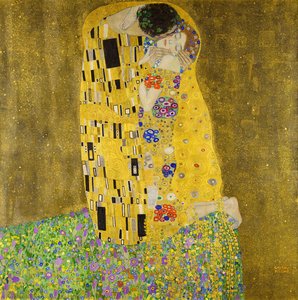
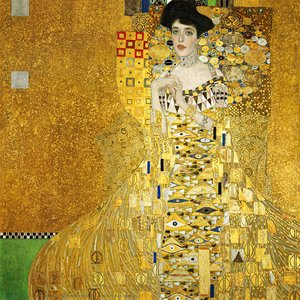
1900年頃から、クリムトは「黄金期」と呼ばれる時期に入りました。この時期は、ビザンティン・モザイクや中世の写本装飾に触発された金の箔を贅沢に使用することによって特徴づけられました。この技法は彼の絵画をきらめく異世界のビジョンへと変貌させ、精神的な深さと官能的な魅力が宿るようにしました。『接吻』(1907-1908)は、おそらく彼の最も象徴的な作品であり、このスタイルを体現しています—黄金のオーラに包まれ、複雑なパターンで飾られたカップルが抱擁し合っています。この時期には、アデレ・ブロッホ=バウアーI世(1907年)など、素晴らしい肖像画も制作されました。彼は肉体的特徴だけでなく、被写体の心理的な複雑さまでも捉える能力を示しました。クリムトは絵画と装飾の境界線を曖昧にし、構成要素に装飾的な要素を統合することで、形と内容が調和した融合を生み出しました。日本の芸術—ジャポニスム—の影響は特に顕著であり、彼の平坦な視点、線の強調、そして装飾的なパターンが見られました。論争、影響、そして永続的な遺産
クリムトのキャリアは論争なしには過ぎませんでした。1900年、彼はウィーン大学の大講堂の天井画を制作する権威ある依頼を受けました。哲学、法学、神学を表すこれらの壁画は、保守的な批評家から挑発的でさえポルノ的であると非難され、公衆からの猛反発を引き起こし、最終的にクリムトが政府からのさらなる依頼を拒否する原因となりました。この出来事は彼のキャリアの転換点となり、より私的なパトロナージへと彼を押しやり、より大きな芸術的な自由を与えました。生涯を通じて、クリムトはハンス・マカートの歴史的絵画からビザンティンや日本の装飾美術まで、多様なアーティストやスタイルからの影響を受けました。彼はまた、神話、寓意、そして潜在意識といったテーマを探求する象徴主義運動からもインスピレーションを得ました。グスタフ・クリムトは1918年2月6日にスペインかぜのパンデミック中に脳卒中で亡くなるまで、精力的に絵を描き続けました。彼の後期の作品はより抽象的な形態と風景を探求し、芸術的進化を続けています。彼は現在、オーストリア美術史における最も重要な人物の一人であり、ウィーン分離派の主要な推進者であり、アールヌーヴォーのエレガンスの不朽の象徴として認識されています。彼の絵画はオークションで高値で取引されており、その影響力は現代芸術とデザインにも共鳴し続けています。主な特徴と芸術的スタイル
- 象徴主義: クリムトの作品は深く象徴的であり、愛、死、性、そして人間の状態といったテーマを探求しています。
- アールヌーヴォー: 彼はアールヌーヴォー運動の主要な人物であり、有機的な線、装飾的なパターン、美への重点が特徴です。
- 黄金期: 金箔の使用は、彼の「黄金期」を定義するスタイルとなり、きらめく豪華な表面を作り出しました。
- 装飾的要素: クリムトは構成要素に装飾的な要素を取り入れ、絵画と装飾の境界線を曖昧にしました。
- 女性像: 女性の体は彼の作品の中心的な主題であり、しばしば官能性と心理的な深みで描かれています。
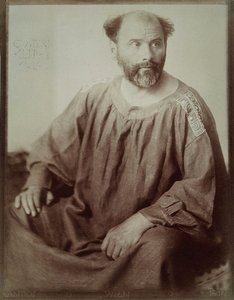
グスタフ・クリムト
1862 - 1918 , オーストリア
基本情報
- フルネーム: グスタフ・クリムト
- 主な作品:
- 接吻
- アデレ・ブロー=バウアーI世の肖像
- 水蛇
- 出生地: オーストリア、バウムガルテン
- 国籍: オーストリア
- 影響を与えたアーティスト:
- エゴン・シーレー
- 表現主義
- シュルレアリスム
- 影響を受けたアーティスト:
- ハンス・マカート
- 日本の美術
- 死亡年月日: 1918年2月6日
- 生年月日: 1862年7月14日
- 芸術運動またはスタイル: 象徴主義、アールヌーヴォー
関連記事
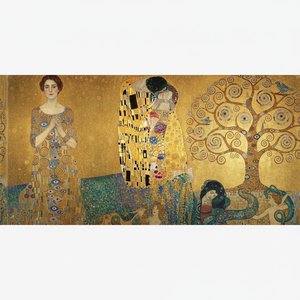
グスタフ・クリムト傑作25選:華麗なる装飾性と象徴が織りなす世界 | ArtsDot
グスタフ・クリムトの傑作25選。華麗なる装飾性と象徴が織りなす世界を紐解きます。キス、ポートレートなど、美術史に残る名画の物語と技法をArtsDotで。高品質複製画やインテリアアートも豊富に。今すぐコレクションをご覧ください。

Dark Masterpieces: 10 Iconic Paintings Dominated by Black Tones |
Explore 10 iconic paintings dominated by black tones, from Rembrandt’s chiaroscuro to Goya's dark expressions. Discover the stories behind these masterpieces & find museum-quality art reproductions for your home at .
アール・ヌーヴォーを彩る至宝:10の傑作が語る芸術と装飾の世界
アール・ヌーヴォーの魅力を再発見!ムンロ、ドレ、ガウディ…10の傑作が織りなす曲線美の世界。芸術と装飾が融合した至高のアートをArtsDotで堪能し、お部屋に新たな彩りを。コレクションをオンラインで探索しましょう。
Gustav Klimt: A Golden Legacy of Sensuality & Symbolism in Viennese Art
Explore the captivating world of Gustav Klimt with ArtsDot. Discover his iconic paintings, the Vienna Secession movement, & enduring legacy. High-quality reproductions available.
The Nuances of Graphite: Exploring Emotional Depth & Technical Mastery in Pencil Drawing
Explore the captivating world of graphite drawing! Discover its rich history, master essential techniques like chiaroscuro, and learn how artists evoke emotion through this timeless medium. Expert insights for art enthusiasts.