

 プレビュー
プレビュー
 プリントを購入
 シェアする
シェアする シェアする
シェアする
 詳細を見る
詳細を見る

 ダウンロード
 似ている作品
 X線調査
X線調査 スライドショー
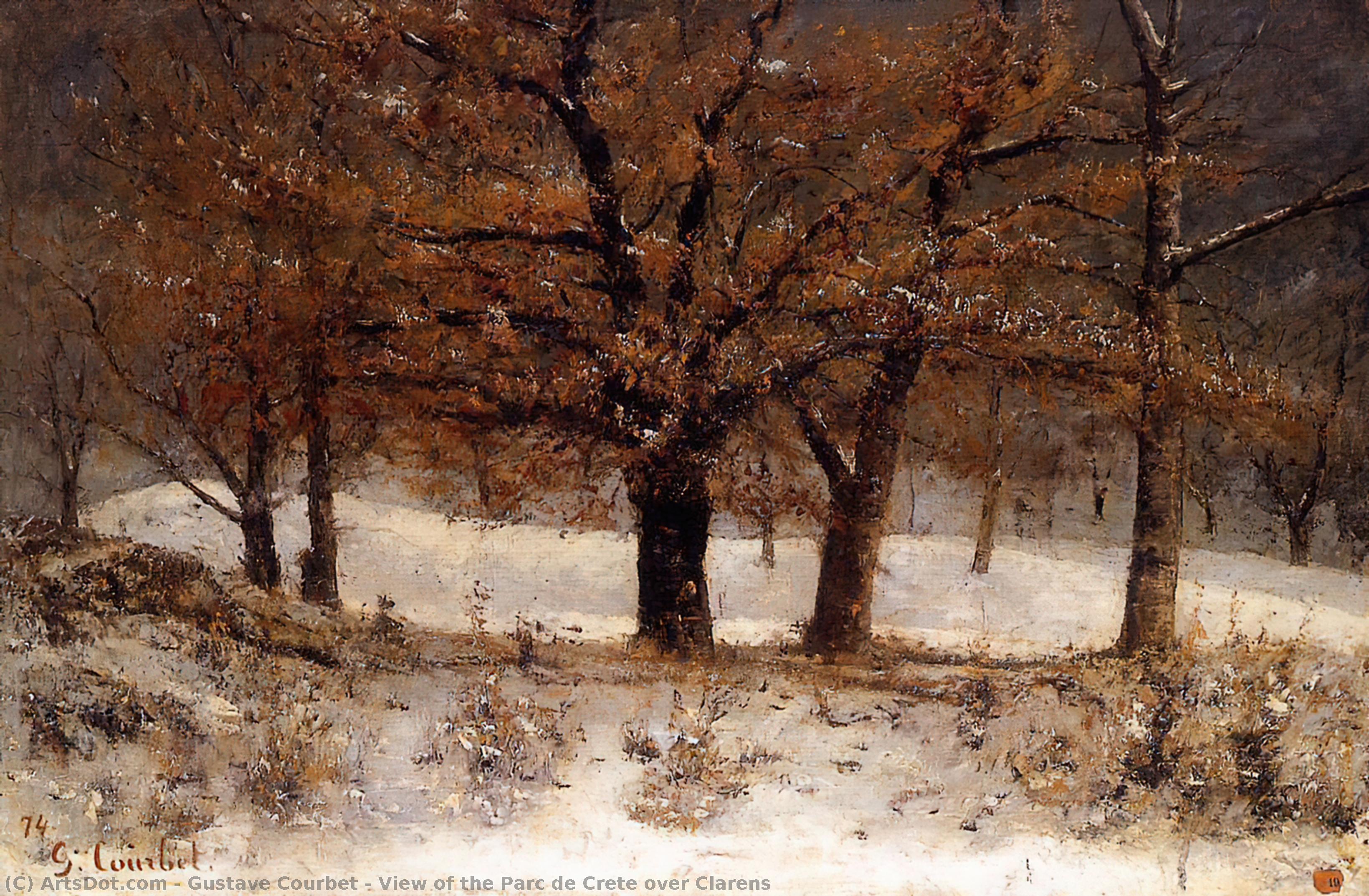
View of the Parc de Crete over Clarens


 詳細を見る
詳細を見る
オンラインプレビューをはるかに凌ぐ、高解像度で鮮明なデジタル画像をご購入いただけます。
各ファイルは、社内の専門家が高度なツールと熟練した手作業によるレタッチを用いて、細心の注意を払って準備されています。すべての画像において、卓越した鮮明度、正確な色彩再現性、そして繊細なディテールを保証いたします。
最終ファイルは、プロフェッショナルな編集・印刷環境ですぐにご利用いただけるよう最適化された状態で、72時間以内にメールにてお届けいたします。これは、一流のデザインスタジオ、出版社、ギャラリーから信頼されているものと同等の品質です。
デジタル画像のご注文に付随する特典
高品質なデジタル画像配信を、確かな品質で。
ArtsDot.com を選ぶことは、単に画像を手に入れることではありません。それは、プロの手によって精密に仕上げられ、満足保証が付いた高品質なデジタルアートワークを受け取ることを意味します。ご注文いただいた際に自動的に付随する内容は、以下の通りです:

メールですぐにお届け
ご注文から72時間以内に、高解像度のデジタル画像ファイルがメールでお手元に届きます。すぐにそのままご利用いただけます。

AI技術で最適化されたデジタルファイル
お客様の作品は、高度なAIツールと専門家による手作業の編集を組み合わせてプロフェッショナルに最適化されており、細部のディテール、鮮明さ、そして正確な色再現性を最大限に引き出しています。

一生涯無料の再送サービス
ファイルを誤って削除したり、紛失してしまったりしましたか?ご安心ください。いつでも無料で再送いたします。

輸入手数料は一切かかりません
関税や手数料、配送料を気にすることなく、お気に入りのアートワークをすぐにお楽しみいただけます。デジタルダウンロードは常に免税です。

色彩再現の保証
プロ仕様のツールとカラーマネジメント技術を用いることで、デジタル画像が元の色を最大限に忠実に再現することを保証いたします。

100日間満足保証
ご購入いただいたデジタル画像にご満足いただけない場合は、100日以内であれば、修正または100%の返金(理由を問う必要はありません)をさせていただきます。

100% 返金保証
ご満足いただけない場合は、デジタルファイルを受け取ってから100日以内であれば、理由を問わず全額返金いたします。

まとめ買い割引
3枚購入で10%OFF - 5枚購入で15%OFF - 10枚以上購入で20%OFF。クリエイティブなプロジェクト、ギャラリー、エージェンシーに最適です。
A Winter’s Embrace: Gustave Courbet's ‘View of the Parc de Crete over Clarens’
Gustave Courbet’s “View of the Parc de Crete over Clarens,” painted in 1874, isn’t merely a landscape; it’s a distilled moment of quiet contemplation captured with the unwavering realism that defined the artist's legacy. This oil on canvas offers a serene tableau of a snowy winter scene – a carefully constructed vista dominated by the stark beauty of bare trees and the pristine blanket of freshly fallen snow. More than just a depiction of nature, it’s a testament to Courbet’s commitment to portraying the world as he observed it, unburdened by romantic idealization or artistic convention.
The painting immediately draws the eye into its composition, utilizing a clever layering effect. Foreground trees, rendered with meticulous detail – their branches reaching skyward like skeletal fingers, textured with the subtle roughness of bark and the delicate tracery of frost – establish depth and grounding. These are juxtaposed against a receding background of more distant trees, creating an illusion of vastness and inviting the viewer’s eye to journey into the scene. Two small birds, strategically placed near the top left and center-right corners, add a touch of life and movement to this otherwise still landscape, hinting at the subtle rhythms of nature even in its dormancy.
The Realist Vision: Technique and Detail
Courbet’s mastery lies not just in his subject matter but in his execution. He employed a technique deeply rooted in observation – a painstaking attention to detail that became synonymous with the Realism movement. Notice the subtle variations in tone within the snow, suggesting its uneven surface and catching the light differently at various points. The browns and grays of the tree trunks are rendered with a remarkable sensitivity to texture, conveying their age and resilience. The artist’s brushstrokes are visible, not concealed, contributing to the painting's sense of immediacy and authenticity. This deliberate lack of idealization was revolutionary for its time, rejecting the prevailing Romantic tendencies towards dramatic skies and idealized forms.
Historical Context: Courbet and the Rise of Realism
Painted in 1874, “View of the Parc de Crete over Clarens” reflects a pivotal moment in art history. Following the Franco-Prussian War, France was grappling with social and political upheaval. Courbet, a staunch republican and critic of bourgeois society, used his art as a vehicle for expressing his views. He deliberately chose subjects from everyday life – landscapes, rural scenes, and portraits of working-class individuals – rejecting the grand historical narratives favored by the Academy. The painting’s setting, the Parc de Crete in Clarens, was a location Courbet frequently visited, providing him with direct access to the natural world he sought to capture on canvas. The inclusion of this specific landscape speaks to his desire to represent the realities of French life, unvarnished and without embellishment.
Symbolism and Emotional Resonance
While seemingly simple, “View of the Parc de Crete over Clarens” resonates with a profound sense of stillness and introspection. The snow, often associated with purity and renewal, suggests a time of quiet reflection – a pause in the relentless pace of life. The bare trees, stripped of their foliage, evoke a feeling of vulnerability and resilience, mirroring the human condition. The muted color palette contributes to this atmosphere of serenity, inviting the viewer to lose themselves in the scene’s tranquil beauty. It's a painting that speaks not just to the eye but also to the soul, offering a moment of respite from the complexities of the world.
A Legacy Preserved: The Musée Courbet
To truly appreciate “View of the Parc de Crete over Clarens” and Courbet’s broader artistic vision, a visit to the Musée Courbet in Oran, France, is highly recommended. Founded by Robert Fernier, this museum houses an extraordinary collection of over 400 works by the artist, including many wartime relics and documents that illuminate his life and influence. The museum stands as a testament to Courbet’s enduring legacy – a pioneer who dared to depict the world with honesty, integrity, and unwavering commitment to realism.
関連作品
作家の略歴
Gustave Courbet: 現実の筆致 – 人生の軌跡と芸術的遺産
フランス東部の小さな村、オルナンで1819年に生まれたギュスターヴ・クールベは、その時代のアート界の確立された規範に対する大胆な反逆者として現れました。彼の物語は単なる絵画やキャンバスの話ではなく、社会的なコメント、政治的な信念、そして彼が見た世界を飾り立てることなく、生々しく、深く現実的に表現するという揺るぎない決意が織り込まれた物語です。比較的裕福なブルジョワ階級の家庭で育ち、母親からの芸術的才能への奨励を受け、それが彼の芸術革命の燃料となりました。1839年にパリのアカデミー・ド・ボザールでの正式な訓練はすぐに学術的な慣習やロマン主義的な理想主義に反発し、彼自身の道を切り開きました。それは想像力よりも観察を優先し、伝統よりも真実を重視する道でした。リアリズムの誕生:芸術的慣習への挑戦
クールベの芸術的発展は、支配的な美学基準に対する意図的な拒絶によって特徴づけられました。彼は神話物語や英雄的寓話に興味がなく、彼の視線は労働に従事し、農村生活を送る普通の人の日常生活に向けられていました。この世界を飾り立てることなく表現するというリアリズムへのコミットメントは、より洗練された理想化された表現に慣れ親しんだ批評家から当初は軽蔑と嘲笑を受けました。初期の作品は風景画や肖像画を探求しましたが、すぐに労働者階級の生活を描いた場面へと移行し、伝統的に歴史的または宗教的な絵画のために予約されていた巨大なスケールで描かれました。この意図的な選択は単なるスタイルではなく、しばしば見過ごされるこれらの主題の本質的な尊厳と重要性を示す声明でした。「石炭採掘者」は1849年に完成しましたが、第二次世界大戦中に悲劇的に破壊され、このアプローチを例証しました。– 疲労と苦難で顔が隠された二人の労働者の鮮明な描写です。「オルナンの埋葬」とともに、この絵画は「ふさわしい」芸術の定義そのものを覆しました。主要作品と芸術的哲学
1850年から51年にサロンに展示された巨大なキャンバス「オルナンの埋葬」は、そのスケールの大きさで、通常は壮大な歴史画のために予約されていたものと、揺るぎないリアリズムの組み合わせにより、観客を衝撃させました。クールベは悼み人を高貴または悲しみに満ちた人物として描くのではなく、彼らを悲しみ、退屈、そして諦めの混合が刻まれた普通の人間として提示しました。この誠実さは革命的でした。彼の芸術的哲学は主題を超えて技法にも及びます。彼は素材そのものを強調する厚い絵の具をキャンバスに塗布する直接的なインパストスタイルを好み、「画家のスタジオ」 (1855) は、彼の芸術的信念と現代社会問題への関与を反映した寓意的な作品であり、彼を挑発的で独立したアーティストとしての地位をさらに確固たるものにしました。 1863年のレフュゼのサロンへの参加は、反逆者としての彼の地位と芸術的自由の擁護者を強化しました。フォンテーヌブローの森の眺め (1855) のような風景画でさえ、ロマンチックな表現を避けて、森の自然の美しさを捉え、リアリズムに浸っていました。遺産と歴史的意義
ギュスターヴ・クールベの影響は、その後の芸術運動において否定できません。彼は17世紀のカラヴァッジョのような初期の巨匠から影響を受け、彼らの劇的なリアリズムと光と影の使用を参考にしましたが、単なる模倣を超えた影響力を行使しました。彼は、伝統的な表現の制約から解放し、世界を見る新しい方法を探求することを奨励することで印象派や後期印象派に深く影響を与えました。彼の社会的なコメントは、彼らの仕事を政治的活動のためのプラットフォームとして使用した後の社会的に関与したアーティストたちの道を開きました。クールベは画家であるだけでなく、芸術的自由と政治的変化の熱心な擁護者であり、1871年のパリ・コミューンのような彼の時代の大混乱した出来事に積極的に参加し、それがスイスへの亡命につながりました。彼は1877年に亡くなり、今日でも聴衆にインスピレーションを与え、挑発する作品を残しました。- リアリズムの先駆者
- 学術的慣習への挑戦
- 印象派と後期印象派に影響
- 芸術的自由の擁護者
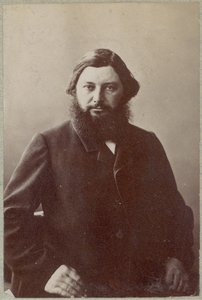
ギュスターヴ・クールベ
1819 - 1877 , フランス
プロフィール概要
- フルネーム: ギュスターヴ・クールベ
- 主な作品:
- 石割り
- オルナンの埋葬
- 画室
- 出生地: オルナンの町、フランス
- 国籍: フランス人
- 影響を与えたアーティストまたはムーブメント:
- 印象派
- 後期印象派
- 影響を受けたアーティスト:
- ドラクロワ
- ジェリコー
- カラヴァッジョ
- 死亡年月日: 1877年12月31日
- 生年月日: 1819年6月10日
- 芸術運動またはスタイル: 写実主義