


 プレビュー
プレビュー
 プリントを購入
 シェアする
シェアする シェアする
シェアする
 詳細を見る
詳細を見る

 ダウンロード
 似ている作品
 X線調査
X線調査 スライドショー
Saint Sebastian being Tended by Saintly Women


 詳細を見る
詳細を見る
オンラインプレビューをはるかに凌ぐ、高解像度で鮮明なデジタル画像をご購入いただけます。
各ファイルは、社内の専門家が高度なツールと熟練した手作業によるレタッチを用いて、細心の注意を払って準備されています。すべての画像において、卓越した鮮明度、正確な色彩再現性、そして繊細なディテールを保証いたします。
最終ファイルは、プロフェッショナルな編集・印刷環境ですぐにご利用いただけるよう最適化された状態で、72時間以内にメールにてお届けいたします。これは、一流のデザインスタジオ、出版社、ギャラリーから信頼されているものと同等の品質です。
デジタル画像のご注文に付随する特典
高品質なデジタル画像配信を、確かな品質で。
ArtsDot.com を選ぶことは、単に画像を手に入れることではありません。それは、プロの手によって精密に仕上げられ、満足保証が付いた高品質なデジタルアートワークを受け取ることを意味します。ご注文いただいた際に自動的に付随する内容は、以下の通りです:

メールですぐにお届け
ご注文から72時間以内に、高解像度のデジタル画像ファイルがメールでお手元に届きます。すぐにそのままご利用いただけます。

AI技術で最適化されたデジタルファイル
お客様の作品は、高度なAIツールと専門家による手作業の編集を組み合わせてプロフェッショナルに最適化されており、細部のディテール、鮮明さ、そして正確な色再現性を最大限に引き出しています。

一生涯無料の再送サービス
ファイルを誤って削除したり、紛失してしまったりしましたか?ご安心ください。いつでも無料で再送いたします。

輸入手数料は一切かかりません
関税や手数料、配送料を気にすることなく、お気に入りのアートワークをすぐにお楽しみいただけます。デジタルダウンロードは常に免税です。

色彩再現の保証
プロ仕様のツールとカラーマネジメント技術を用いることで、デジタル画像が元の色を最大限に忠実に再現することを保証いたします。

60日間満足保証
ご購入いただいたデジタル画像にご満足いただけない場合は、60日以内であれば、修正または100%の返金(理由を問う必要はありません)をさせていただきます。

100% 返金保証
ご満足いただけない場合は、デジタルファイルを受け取ってから60日以内であれば、理由を問わず全額返金いたします。

まとめ買い割引
3枚購入で10%OFF - 5枚購入で15%OFF - 10枚以上購入で20%OFF。クリエイティブなプロジェクト、ギャラリー、エージェンシーに最適です。
作品の詳細
Saint Sebastian being Tended by Saintly Women – A Symbolist Vision
Gustave Moreau’s “Saint Sebastian being Tended by Saintly Women,” completed around 1869, stands as a cornerstone of the Symbolist movement—a testament to its preoccupation with psychological depth and evocative imagery rather than mere representation. Housed in the Clemens-Sels-Museum Neuss, Germany, this oil on canvas masterpiece transcends simple narrative; it’s an invitation into Moreau’s meticulously crafted dreamscape where faith and compassion intertwine against a backdrop of brooding grandeur.The Artist's Unique Approach: Symbolism Embodied
Moreau wasn’t driven by the Impressionist desire to capture fleeting light or color—he sought instead to distill emotion and spiritual essence onto canvas. Influenced profoundly by mythology and folklore, Moreau rejected realism in favor of a visual language steeped in symbolism. This approach is vividly realized here: Saint Sebastian, depicted as a martyr enduring agonizing wounds – arrows piercing his flesh – isn’t presented as a heroic figure battling physical pain; rather, he embodies vulnerability and suffering, mirroring the human condition itself. The artist's genius lies in transforming observable reality into an internalized experience for the viewer.A Dramatic Landscape and Its Symbolic Resonance
The painting unfolds against a mountainous landscape rendered with muted tones—a deliberate choice that underscores the solemn mood of the scene. Moreau employs atmospheric perspective to heighten the sense of distance and mystery, mirroring the spiritual realm he seeks to portray. Scattered birds punctuate the desolate expanse, symbolizing tranquility amidst hardship – a subtle counterpoint to Sebastian’s torment. The rocky terrain serves as more than just scenery; it embodies resilience and endurance—qualities mirrored in Saint Sebastian's unwavering faith.The Figures: Compassion Amidst Suffering
At the heart of “Saint Sebastian being Tended by Saintly Women” are two saintly women who attend to Sebastian’s wounds with tender care. Moreau meticulously captures human form, emphasizing grace and serenity—a deliberate contrast to Sebastian’s pain. Their gestures convey compassion and devotion, representing divine mercy and highlighting the importance of spiritual solace. The figures aren't merely supporting Sebastian physically; they embody the transformative power of faith and empathy.Symbolic Layers: Mythological Echoes and Spiritual Depth
Moreau draws heavily upon mythological narratives—specifically the legend of Saint Sebastian’s martyrdom—to imbue his painting with layers of meaning. Like many Symbolist works, “Saint Sebastian being Tended by Saintly Women” operates on multiple levels, inviting contemplation about themes of sacrifice, redemption, and divine grace. The vibrant colors used – predominantly blues and greens – contribute to the painting's mystical atmosphere, reinforcing its symbolic intent. Moreau’s masterful technique—characterized by meticulous detail and expressive brushstrokes—further enhances the artwork’s emotional impact, transporting viewers into a realm beyond mere visual perception.Concluding Thoughts: An Enduring Legacy
“Saint Sebastian being Tended by Saintly Women” remains an unforgettable portrayal of faith and compassion—a testament to Gustave Moreau's pioneering vision within Symbolism. Its enduring appeal lies in its ability to evoke profound emotion and stimulate intellectual curiosity, cementing its place as a masterpiece of late nineteenth-century art.関連作品


作家の略歴
Gustave Moreau (1826 - 1898)
Gustave Moreau, a name synonymous with the ethereal beauty and enigmatic depths of Symbolist painting, emerged from 19th-century Paris as a singular artistic voice. Born in 1826 into a bourgeois family—his father an architect and archivist—Moreau’s early life was steeped in intellectual curiosity and aesthetic sensibility. From a young age, he displayed a remarkable gift for drawing, nurtured through traditional academic training at the École des Beaux-Arts under figures like François-Édouard Picot. However, Moreau's artistic path would diverge sharply from the prevailing Realist and Impressionist currents of his time. He wasn’t interested in capturing fleeting moments or objective reality; instead, he sought to unlock the hidden realms of myth, religion, and the human psyche through a deeply personal and symbolic visual language. His journey was one of inward exploration, translating subjective emotions and spiritual yearnings onto canvas with an obsessive attention to detail and a vibrant, often opulent palette.Early Influences and Artistic Training
Moreau’s artistic development wasn't born in a vacuum. While rejecting the dominant trends of his era, he drew inspiration from diverse sources. The dramatic use of color and exotic subject matter found in the works of Eugène Delacroix ignited a passion for narrative painting imbued with emotional intensity—a fascination that would define much of his oeuvre. He particularly admired Michelangelo’s monumental sculptures and Leonardo da Vinci’s masterful anatomical drawings, recognizing their profound impact on artistic technique and psychological insight. Moreau's formal training at the École des Beaux-Arts solidified these influences, equipping him with the skills necessary to execute ambitious projects and forge a distinctive visual style. However, he quickly distinguished himself from his peers by prioritizing imaginative exploration over mere replication of nature—a decision that would propel him toward the forefront of Symbolist painting.The Italian Journey: Rediscovering Antiquity
Between 1857 and 1859, Moreau embarked on a transformative voyage to Italy—a pilgrimage fueled by an ardent desire to reconnect with the artistic heritage of antiquity and the Renaissance. Guided by his mentor Frédéric de Courcy, he immersed himself in the art of Rome and Florence, meticulously copying Old Master paintings and studying architectural ruins. This experience profoundly shaped his artistic sensibilities, fostering a fascination for Byzantine iconography and inspiring him to synthesize classical and medieval traditions into a wholly original visual language. Moreau’s meticulous observation and unwavering dedication to craft—traits that would characterize his entire career—were honed during this formative period, preparing him for the monumental achievements that lay ahead.Salome Dancing Before Herod: A Symbolist Masterpiece
Moreau's artistic breakthrough arrived in 1864 with *Salome Dancing before Herod*, a painting that instantly established his reputation as a visionary artist and cemented his place among the pioneers of Symbolism. Departing radically from the conventions of academic art, Moreau presented a dramatic depiction of the biblical tale—not as a literal recounting of events, but as an exploration of psychological complexities and symbolic resonances. The composition is strikingly asymmetrical, mirroring the fractured psyche of Salome—a figure embodying sensual desire and moral ambiguity—and reflecting the unsettling interplay between light and shadow. Moreau’s masterful use of color—particularly crimson and gold—creates an atmosphere of opulent grandeur and underscores the painting's spiritual dimension. He employed a technique characterized by painstaking layering of paint, achieving remarkable textural detail and capturing the elusive beauty of the human form with unparalleled precision.Legacy and Influence: Shaping Modern Art
Though initially met with skepticism from some critics, Moreau’s work gained recognition in subsequent decades—particularly after the resurgence of interest in Symbolism during the 1960s and 70s. His influence extended far beyond the confines of his own time, inspiring artists across generations—including Henri Matisse and Georges Rouault—to embrace imaginative exploration and challenge conventional artistic norms. Moreau championed the notion that painting should strive to evoke emotion and convey spiritual truths—a conviction that resonated deeply with the existential anxieties of the 20th century. His unwavering commitment to craft—combined with his profound understanding of mythology and psychology—established him as a pivotal figure in the history of art—a testament to the enduring power of Symbolist painting and its capacity to illuminate the complexities of human experience. Gustave Moreau’s legacy continues to inspire artists today, reminding us that true artistic achievement lies not merely in technical virtuosity but in the ability to capture the essence of the soul and transform vision into tangible form.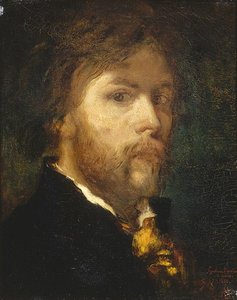
ゴスタヴ・モロー
1826 - 1898 , フランス
プロフィール概要
- Artistic Movement Or Style: シンボリズム
- Artists Who Influenced This Artist:
- エウゲニオ・デルラクロワール
- ミケランジェロ
- レオナルド・ダ・ヴィンチ
- Date Of Birth: 1826年4月6日
- Date Of Death: 1898年4月18日
- Full Name: Gustave Moreau
- Nationality: フランス人
- Notable Artworks:
- ソロモンの踊り før ヘロドス
- ユピテルのセメレ
- オレアフス
- 出現
- デスメドナ
- Place Of Birth: パリ、フランス

