

 プレビュー
プレビュー
 シェアする
シェアする シェアする
シェアする
 詳細を見る
詳細を見る

 ダウンロード
 似ている作品
 X線調査
X線調査 スライドショー
 統計情報
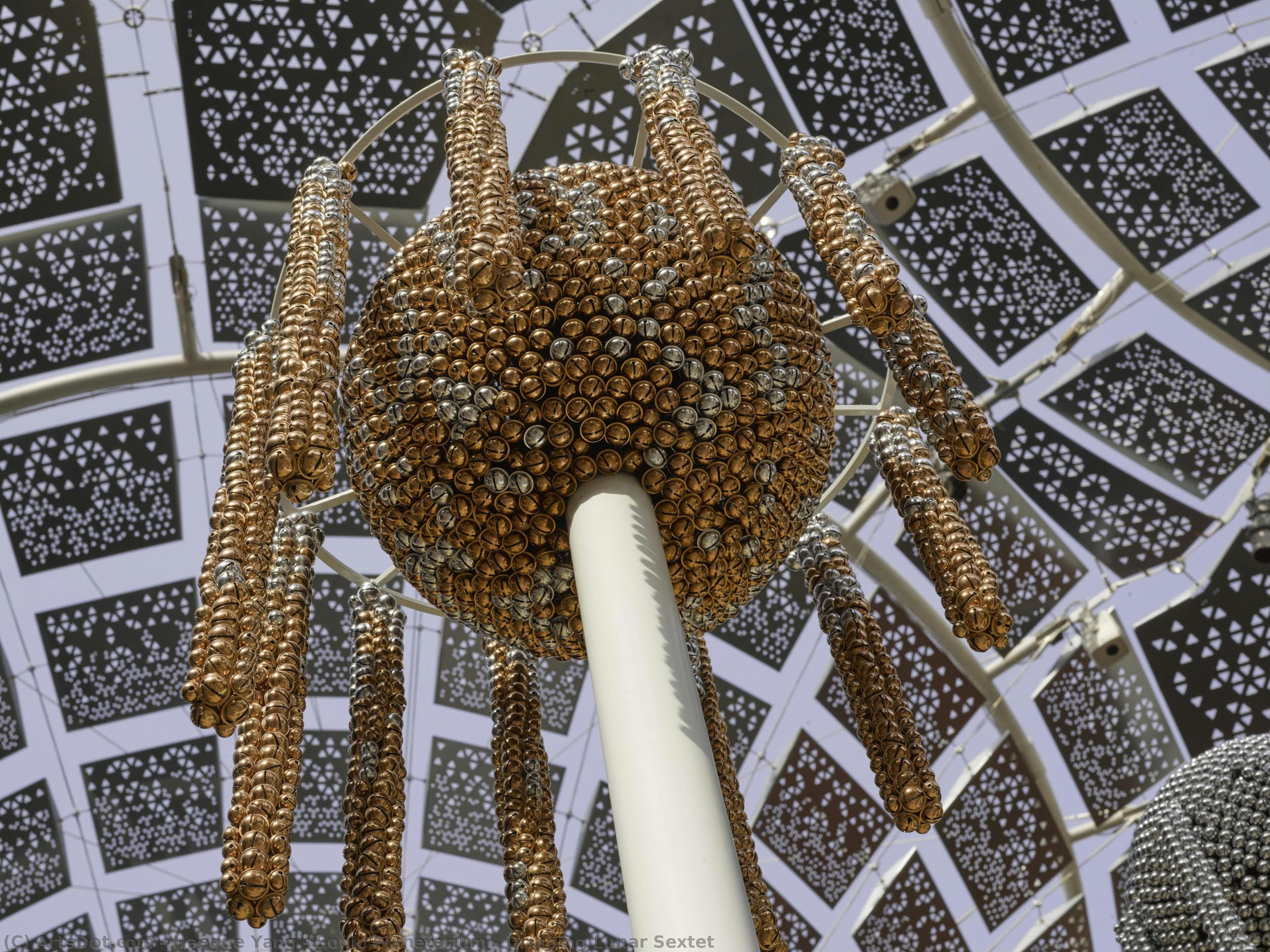
統計情報Sonic Planetarium – Dripping Lunar Sextet
 444.0 x 437.0 cm
 Expo 2020 Dubai
 詳細を見る
詳細を見る
オンラインプレビューをはるかに凌ぐ、高解像度で鮮明なデジタル画像をご購入いただけます。
各ファイルは、社内の専門家が高度なツールと熟練した手作業によるレタッチを用いて、細心の注意を払って準備されています。すべての画像において、卓越した鮮明度、正確な色彩再現性、そして繊細なディテールを保証いたします。
最終ファイルは、プロフェッショナルな編集・印刷環境ですぐにご利用いただけるよう最適化された状態で、72時間以内にメールにてお届けいたします。これは、一流のデザインスタジオ、出版社、ギャラリーから信頼されているものと同等の品質です。
デジタルアート
個人での鑑賞、印刷、クリエイティブなプロジェクト用に、高解像度ファイルをダウンロードできます。 ( プリント版に切り替え 手描きの絵画を購入)
デジタル画像のご注文に付随する特典
高品質なデジタル画像配信を、確かな品質で。
ArtsDot.com を選ぶことは、単に画像を手に入れることではありません。それは、プロの手によって精密に仕上げられ、満足保証が付いた高品質なデジタルアートワークを受け取ることを意味します。ご注文いただいた際に自動的に付随する内容は、以下の通りです:

メールですぐにお届け
ご注文から72時間以内に、高解像度のデジタル画像ファイルがメールでお手元に届きます。すぐにそのままご利用いただけます。

AI技術で最適化されたデジタルファイル
お客様の作品は、高度なAIツールと専門家による手作業の編集を組み合わせてプロフェッショナルに最適化されており、細部のディテール、鮮明さ、そして正確な色再現性を最大限に引き出しています。

一生涯無料の再送サービス
ファイルを誤って削除したり、紛失してしまったりしましたか?ご安心ください。いつでも無料で再送いたします。

輸入手数料は一切かかりません
関税や手数料、配送料を気にすることなく、お気に入りのアートワークをすぐにお楽しみいただけます。デジタルダウンロードは常に免税です。

色彩再現の保証
プロ仕様のツールとカラーマネジメント技術を用いることで、デジタル画像が元の色を最大限に忠実に再現することを保証いたします。

100日間満足保証
ご購入いただいたデジタル画像にご満足いただけない場合は、100日以内であれば、理由を問わず修正または100%の返金対応をさせていただきます。

100% 返金保証
ご満足いただけない場合は、デジタルファイルを受け取ってから100日以内であれば、理由を問わず全額返金いたします。

まとめ買い割引
3枚購入で10%OFF - 5枚購入で15%OFF - 10枚以上購入で20%OFF。クリエイティブなプロジェクト、ギャラリー、エージェンシーに最適です。
関連作品









作家の略歴
Early Life and Artistic Foundations
Haegue Yang, born in Seoul, South Korea, in 1971, emerged from a family deeply intertwined with the nation’s socio-political landscape. Her parents, Hansoo Yang, a journalist, and Misoon Kim, a writer, were vocal dissidents during a period of rapid industrialization and political unrest. Their activism within the Minjung Movement—a democratic grassroots movement—instilled in young Haegue a keen awareness of societal structures, censorship, and the power of individual expression. This formative environment would profoundly shape her artistic trajectory, fostering a sensibility attuned to themes of displacement, identity, and collective memory. Yang’s early education at Seoul National University, where she earned her B.F.A. in sculpture in 1994, provided a foundational understanding of traditional sculptural techniques. However, it was her subsequent move to Germany in 1995—to study under the influential Georg Herold at Städelschule—that truly ignited her artistic evolution. This period marked a pivotal shift, exposing her to European conceptual art practices and broadening her perspective on materiality and representation.A Transnational Practice: Berlin, Seoul, and Beyond
Yang’s artistic practice is fundamentally rooted in movement – both physical and conceptual. Since the mid-1990s, she has navigated a transnational existence between Seoul and Berlin, a deliberate state of flux that informs her work on multiple levels. This constant relocation isn't merely biographical; it’s an integral component of her exploration into themes of alienation, belonging, and the construction of identity in a globalized world. She describes this experience as a conscious “delocalization,” allowing her to observe and deconstruct cultural norms from a unique vantage point. Her work often incorporates found objects—household items like yarn, light fixtures, fans, and venetian blinds—recontextualizing their everyday functionality into complex sculptural assemblages. This act of displacement imbues these materials with new meanings, prompting viewers to question the inherent values we assign to objects and spaces. Yang’s deliberate ambiguity regarding her own identity – resisting categorization based on gender, race, or geography – further underscores this exploration of fluid boundaries and multifaceted perspectives.The Language of Vulnerability: Themes and Techniques
Central to Yang's artistic philosophy is a belief in the “unusual strength” that emerges from embracing vulnerability. This conviction manifests in her layered installations, which often evoke a sense of both fragility and resilience. Her iconic series featuring venetian blinds are particularly striking; these structures transform gallery spaces through their interplay of light and shadow, creating dynamic environments that challenge traditional notions of perspective and perception. The blinds’ segmented nature also alludes to barriers and divisions, while simultaneously allowing glimpses beyond, suggesting the possibility of connection and understanding. Beyond sculpture, Yang's practice encompasses video essays, writings, performances, and graphic wall pieces. She masterfully integrates diverse sensory experiences—incorporating scent, sound, and tactile elements—to reorient viewers’ perceptions and engage them on a visceral level. Her work is not about providing definitive answers but rather about fostering dialogue and inviting contemplation.Major Achievements and Critical Recognition
Over the past three decades, Haegue Yang has established herself as a leading figure in contemporary art, garnering international acclaim for her innovative and thought-provoking installations. Her prolific output—documented in a comprehensive catalogue raisonné listing over 1,400 works as of 2018—testifies to her unwavering commitment to artistic exploration. She has been the subject of numerous solo exhibitions at prestigious institutions worldwide, including the Walker Art Center (Minneapolis), Centre Pompidou (Paris), and Museum Ludwig (Cologne). Her work is held in prominent collections such as The National Museum of Modern and Contemporary Art (South Korea) and the Museum of Modern Art. In 2018, she received the Republic of Korea Cultural and Art Award (Presidential Citation) in the Visual Arts Sector, a testament to her significant contributions to the field. Installations like *Sadong 30* (2006), which incorporated personal belongings and references to her family history, and performances such as *The Malady of Death* (2010-ongoing), demonstrate her ability to seamlessly blend autobiography with broader socio-political concerns.Historical Significance and Lasting Impact
Haegue Yang’s work occupies a unique position within contemporary art, bridging the gap between sculpture, installation, performance, and social practice. Her exploration of migration, postcolonial diaspora, and enforced exile resonates deeply in an increasingly interconnected world. By challenging modernist conventions and embracing “poor” materials, she subverts traditional hierarchies and elevates the undervalued histories of non-Western cultures. Her installations are not merely aesthetic objects but rather immersive environments that invite viewers to question their own perceptions and engage with complex social issues. Yang’s commitment to ambiguity and her refusal to be defined by a single identity have paved the way for a more inclusive and nuanced understanding of contemporary art. Her influence extends beyond the realm of visual arts, inspiring artists across disciplines to explore themes of vulnerability, displacement, and collective memory in their own work. She continues to teach at Städelschule, nurturing the next generation of artists and solidifying her legacy as a visionary leader in the field.
haegue yang
1971 - , South Korea
プロフィール概要
- Artistic Movement Or Style: Sculpture, Installation Art
- Artists Who Influenced This Artist: ['Georg Herold']
- Date Of Birth: December 12, 1971
- Full Name: Haegue Yang
- Nationality: South Korean
- Notable Artworks:
- Sadong 30 (2006)
- Dress Vehicles (2012)
- Migratory DMZ Birds (2020)
- Place Of Birth: Seoul, South Korea