

 プレビュー
プレビュー
 プリントを購入
 シェアする
シェアする シェアする
シェアする
 詳細を見る
詳細を見る

 ダウンロード
 似ている作品
 X線調査
X線調査 スライドショー
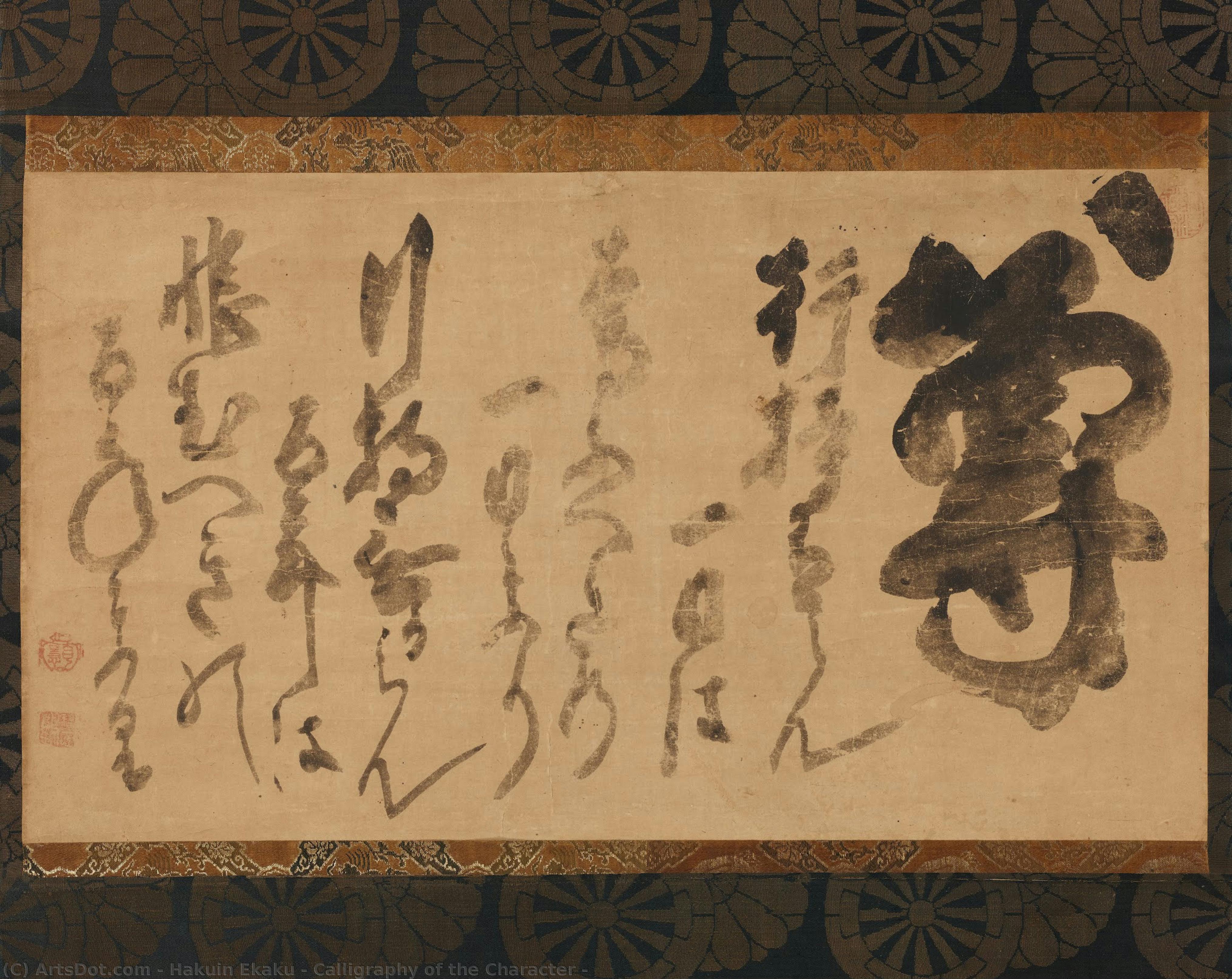
Calligraphy of the Character


 詳細を見る
詳細を見る
オンラインプレビューをはるかに凌ぐ、高解像度で鮮明なデジタル画像をご購入いただけます。
各ファイルは、社内の専門家が高度なツールと熟練した手作業によるレタッチを用いて、細心の注意を払って準備されています。すべての画像において、卓越した鮮明度、正確な色彩再現性、そして繊細なディテールを保証いたします。
最終ファイルは、プロフェッショナルな編集・印刷環境ですぐにご利用いただけるよう最適化された状態で、72時間以内にメールにてお届けいたします。これは、一流のデザインスタジオ、出版社、ギャラリーから信頼されているものと同等の品質です。
デジタル画像のご注文に付随する特典
高品質なデジタル画像配信を、確かな品質で。
ArtsDot.com を選ぶことは、単に画像を手に入れることではありません。それは、プロの手によって精密に仕上げられ、満足保証が付いた高品質なデジタルアートワークを受け取ることを意味します。ご注文いただいた際に自動的に付随する内容は、以下の通りです:

メールですぐにお届け
ご注文から72時間以内に、高解像度のデジタル画像ファイルがメールでお手元に届きます。すぐにそのままご利用いただけます。

AI技術で最適化されたデジタルファイル
お客様の作品は、高度なAIツールと専門家による手作業の編集を組み合わせてプロフェッショナルに最適化されており、細部のディテール、鮮明さ、そして正確な色再現性を最大限に引き出しています。

一生涯無料の再送サービス
ファイルを誤って削除したり、紛失してしまったりしましたか?ご安心ください。いつでも無料で再送いたします。

輸入手数料は一切かかりません
関税や手数料、配送料を気にすることなく、お気に入りのアートワークをすぐにお楽しみいただけます。デジタルダウンロードは常に免税です。

色彩再現の保証
プロ仕様のツールとカラーマネジメント技術を用いることで、デジタル画像が元の色を最大限に忠実に再現することを保証いたします。

60日間満足保証
ご購入いただいたデジタル画像にご満足いただけない場合は、60日以内であれば、修正または100%の返金(理由を問う必要はありません)をさせていただきます。

100% 返金保証
ご満足いただけない場合は、デジタルファイルを受け取ってから60日以内であれば、理由を問わず全額返金いたします。

まとめ買い割引
3枚購入で10%OFF - 5枚購入で15%OFF - 10枚以上購入で20%OFF。クリエイティブなプロジェクト、ギャラリー、エージェンシーに最適です。
関連作品
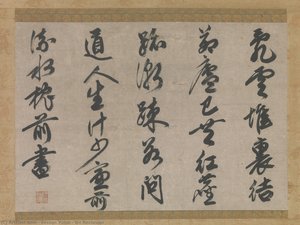
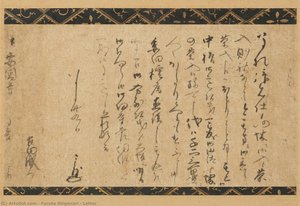
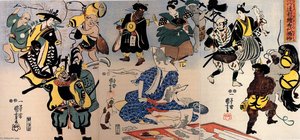
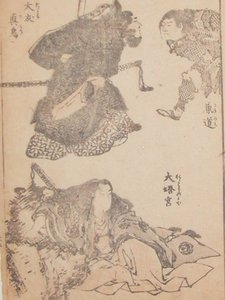
作家の略歴
The Revitalizer of Zen: A Life Dedicated to Awakening
Born in the serene landscape of Hara, nestled at the foot of Mount Fuji in 1686, Hakuin Ekaku emerged as a pivotal figure not only within Japanese Zen Buddhism but also as an influential artist whose work continues to resonate with profound spiritual depth. His early life was subtly shaped by his mother’s devout Nichiren Buddhist faith, a background that initially instilled in him a palpable fear of the hell realms – a fear that ultimately propelled him toward monastic life as a means of seeking liberation. This formative experience reveals a young mind grappling with existential questions, setting the stage for a lifelong dedication to unraveling the mysteries of existence through spiritual practice. He entered the Shōin-ji temple at fifteen, beginning his formal training, but found early Buddhist texts somewhat unsatisfying, perceiving them as simple narratives rather than pathways to genuine insight. This dissatisfaction fueled a relentless pursuit of deeper understanding, leading him on a journey of exploration and self-discovery that would ultimately redefine Zen practice in Japan.A Brush with Enlightenment: Artistic Expression and Spiritual Practice
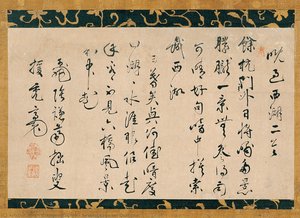
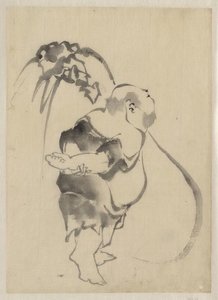
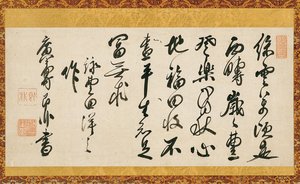
Hakuin’s artistic endeavors were never separate from his spiritual quest; rather, they were inextricably intertwined. He didn't merely *create* art—he embodied Zen principles through brushstrokes, transforming calligraphy and painting into potent vehicles for conveying enlightenment. While not prolific in the conventional sense of producing a vast body of work, each piece he created – such as his iconic portrait of Bodhidharma or delicate calligraphic renderings – served as a direct expression of his meditative state and understanding of koan teachings. His style is characterized by bold simplicity, dynamic energy, and an intentional use of negative space—all hallmarks of Zen aesthetics. He masterfully employed sumi-e ink painting techniques, achieving remarkable depth and nuance with minimal strokes. The power of Hakuin’s art lies not in its representational accuracy but in its ability to evoke a sense of presence, stillness, and the inherent interconnectedness of all things. He believed that art could be a direct path to awakening, bypassing intellectual understanding and speaking directly to the intuitive mind.Koans and Revitalization: Reshaping Zen Training
Perhaps Hakuin’s most significant contribution was his revitalization of the Rinzai school of Zen Buddhism. During his time, the tradition had become somewhat stagnant, losing its original vigor and directness. He recognized this decline and dedicated himself to restoring the essence of Zen practice through a renewed emphasis on koan study. Koans—paradoxical riddles or stories designed to challenge logical thought and provoke intuitive insight—became central to his teaching method. He didn’t simply present koans as intellectual puzzles; he used them as tools to dismantle habitual patterns of thinking, forcing students to confront the limitations of their own minds and experience reality directly. He is credited with creating many of the koans still in use today, including the famous “sound of one hand clapping,” which continues to challenge Zen practitioners worldwide. His approach was rigorous yet compassionate, demanding unwavering commitment while simultaneously fostering a supportive environment for exploration and growth.Legacy and Influence: A Lasting Impact on Art and Spirituality
The impact of Hakuin Ekaku extends far beyond the confines of Japanese Zen Buddhism. His teachings and artistic vision profoundly influenced subsequent generations of artists and spiritual seekers, both in Japan and abroad. He inspired a lineage of Zen masters who carried forward his legacy of rigorous practice and compassionate wisdom. Furthermore, his art played a crucial role in shaping the aesthetic sensibilities of later Japanese painting styles. The principles of simplicity, spontaneity, and direct expression that characterize Hakuin’s work resonated with artists across various disciplines. His influence can also be seen in the broader context of Japonisme, the late 19th-century Western fascination with Japanese art and culture, which profoundly impacted Impressionist painters like Degas, Monet, and Manet. They were captivated by the unique aesthetic qualities of Japanese prints and paintings, incorporating elements of their style into their own work. Hakuin’s legacy serves as a testament to the enduring power of Zen Buddhism and the transformative potential of art—a reminder that true awakening is not merely an intellectual pursuit but a lived experience that permeates every aspect of our being.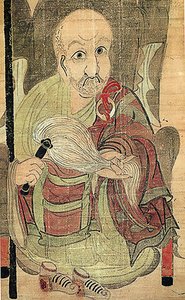
Hakuin Ekaku
1686 - 1769 , Japan
プロフィール概要
- Artistic Movement Or Style: Zen Buddhism art
- Artists Or Movements Influenced By This Artist:
- Ukiyo-e
- Sōsaku-hanga
- Date Of Birth: January 19, 1686
- Date Of Death: 1769
- Full Name: Hakuin Ekaku
- Nationality: Japanese
- Notable Artworks:
- Portrait of Bodhidharma
- Calligraphy of the Character
- Place Of Birth: Hara, Japan

