

 プレビュー
プレビュー
 シェアする
シェアする シェアする
シェアする
 詳細を見る
詳細を見る

 ダウンロード
 似ている作品
 X線調査
X線調査 スライドショー
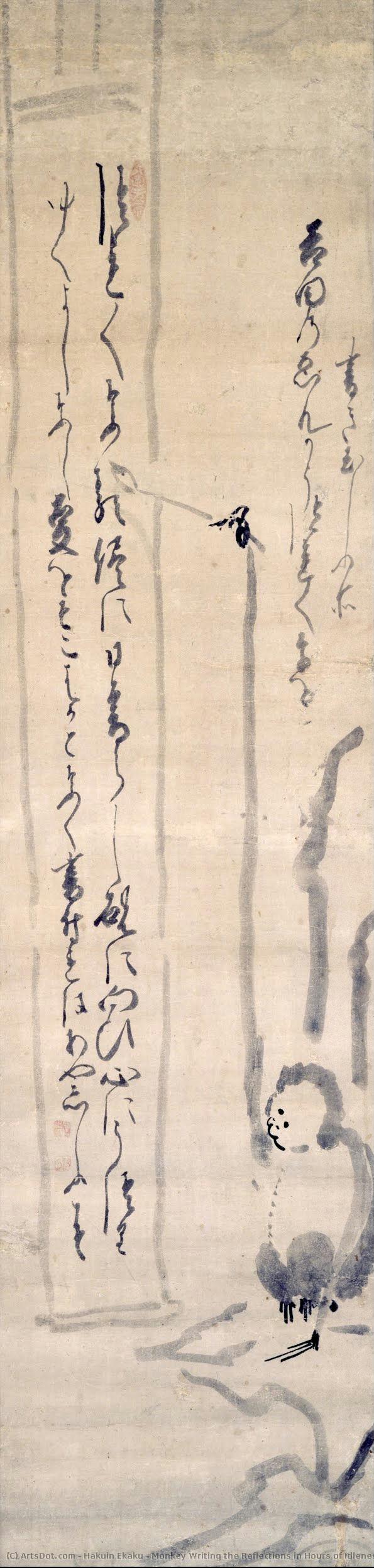
Monkey Writing the Reflections in Hours of Idleness


 詳細を見る
詳細を見る
ジークレー/アートプリント
迅速な制作と多彩な仕上げオプションを備えた、ミュージアムクオリティのジークレーまたはキャンバスプリント。 ( 手描きの絵画を購入 画像を購入)




































作品のオリジナル比率に合わせた、当店の規定サイズからお選びください。

特定のフレームやスペースに合わせて、ご自身でサイズを指定することも可能です。選択されたサイズが元の画像の比率と一致しない場合、作品をトリミングするか、鏡面反射または単色での塗りつぶしによって画像を拡張いたします。制作を開始する前に、ご確認用のデジタルモックアップをお送りいたします。
画面上のプレビューには、実際のトリミングや拡張は反映されませんのでご注意ください。最終的な構図を正確に確認できるのは、モックアップのみとなります。
カスタムサイズも承っておりますが、元の比率を維持するためには、あらかじめ用意されたリストからサイズを選択することをお勧めいたします。


 ガラスオプションは、110cm未満のサイズでのみご利用いただけます。

Monkey Writing the Reflections in Hours of Idleness
ジークレー/アートプリント
複製画のサイズ
-


合計金額
$ 62
関連作品









アーティストの略歴
The Revitalizer of Zen: A Life Dedicated to Awakening
Born in the serene landscape of Hara, nestled at the foot of Mount Fuji in 1686, Hakuin Ekaku emerged as a pivotal figure not only within Japanese Zen Buddhism but also as an influential artist whose work continues to resonate with profound spiritual depth. His early life was subtly shaped by his mother’s devout Nichiren Buddhist faith, a background that initially instilled in him a palpable fear of the hell realms – a fear that ultimately propelled him toward monastic life as a means of seeking liberation. This formative experience reveals a young mind grappling with existential questions, setting the stage for a lifelong dedication to unraveling the mysteries of existence through spiritual practice. He entered the Shōin-ji temple at fifteen, beginning his formal training, but found early Buddhist texts somewhat unsatisfying, perceiving them as simple narratives rather than pathways to genuine insight. This dissatisfaction fueled a relentless pursuit of deeper understanding, leading him on a journey of exploration and self-discovery that would ultimately redefine Zen practice in Japan.A Brush with Enlightenment: Artistic Expression and Spiritual Practice
Hakuin’s artistic endeavors were never separate from his spiritual quest; rather, they were inextricably intertwined. He didn't merely *create* art—he embodied Zen principles through brushstrokes, transforming calligraphy and painting into potent vehicles for conveying enlightenment. While not prolific in the conventional sense of producing a vast body of work, each piece he created – such as his iconic portrait of Bodhidharma or delicate calligraphic renderings – served as a direct expression of his meditative state and understanding of koan teachings. His style is characterized by bold simplicity, dynamic energy, and an intentional use of negative space—all hallmarks of Zen aesthetics. He masterfully employed sumi-e ink painting techniques, achieving remarkable depth and nuance with minimal strokes. The power of Hakuin’s art lies not in its representational accuracy but in its ability to evoke a sense of presence, stillness, and the inherent interconnectedness of all things. He believed that art could be a direct path to awakening, bypassing intellectual understanding and speaking directly to the intuitive mind.Koans and Revitalization: Reshaping Zen Training
Perhaps Hakuin’s most significant contribution was his revitalization of the Rinzai school of Zen Buddhism. During his time, the tradition had become somewhat stagnant, losing its original vigor and directness. He recognized this decline and dedicated himself to restoring the essence of Zen practice through a renewed emphasis on koan study. Koans—paradoxical riddles or stories designed to challenge logical thought and provoke intuitive insight—became central to his teaching method. He didn’t simply present koans as intellectual puzzles; he used them as tools to dismantle habitual patterns of thinking, forcing students to confront the limitations of their own minds and experience reality directly. He is credited with creating many of the koans still in use today, including the famous “sound of one hand clapping,” which continues to challenge Zen practitioners worldwide. His approach was rigorous yet compassionate, demanding unwavering commitment while simultaneously fostering a supportive environment for exploration and growth.Legacy and Influence: A Lasting Impact on Art and Spirituality
The impact of Hakuin Ekaku extends far beyond the confines of Japanese Zen Buddhism. His teachings and artistic vision profoundly influenced subsequent generations of artists and spiritual seekers, both in Japan and abroad. He inspired a lineage of Zen masters who carried forward his legacy of rigorous practice and compassionate wisdom. Furthermore, his art played a crucial role in shaping the aesthetic sensibilities of later Japanese painting styles. The principles of simplicity, spontaneity, and direct expression that characterize Hakuin’s work resonated with artists across various disciplines. His influence can also be seen in the broader context of Japonisme, the late 19th-century Western fascination with Japanese art and culture, which profoundly impacted Impressionist painters like Degas, Monet, and Manet. They were captivated by the unique aesthetic qualities of Japanese prints and paintings, incorporating elements of their style into their own work. Hakuin’s legacy serves as a testament to the enduring power of Zen Buddhism and the transformative potential of art—a reminder that true awakening is not merely an intellectual pursuit but a lived experience that permeates every aspect of our being.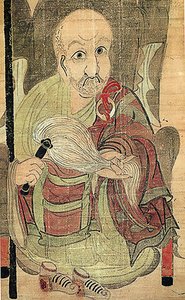
Hakuin Ekaku
1686 - 1769 , Japan
基本情報
- Artistic Movement Or Style: Zen Buddhism art
- Artists Or Movements Influenced By This Artist:
- Ukiyo-e
- Sōsaku-hanga
- Date Of Birth: January 19, 1686
- Date Of Death: 1769
- Full Name: Hakuin Ekaku
- Nationality: Japanese
- Notable Artworks:
- Portrait of Bodhidharma
- Calligraphy of the Character
- Place Of Birth: Hara, Japan

