

 プレビュー
プレビュー
 プリントを購入
 シェアする
シェアする シェアする
シェアする
 詳細を見る
詳細を見る

 ダウンロード
 似ている作品
 X線調査
X線調査 スライドショー
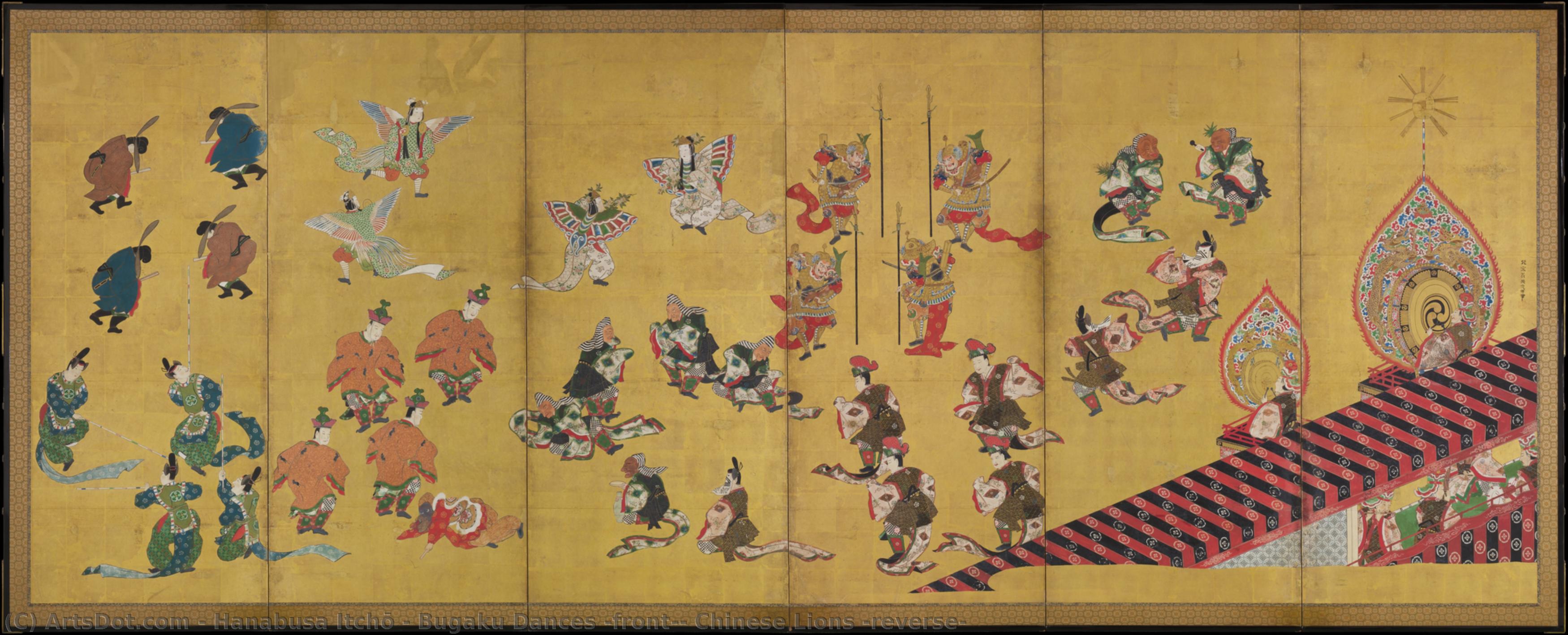
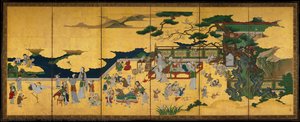
Bugaku Dances (front); Chinese Lions (reverse)
 701
701 165.0cm x 433.0cm
 詳細を見る
詳細を見る
オンラインプレビューをはるかに凌ぐ、高解像度で鮮明なデジタル画像をご購入いただけます。
各ファイルは、社内の専門家が高度なツールと熟練した手作業によるレタッチを用いて、細心の注意を払って準備されています。すべての画像において、卓越した鮮明度、正確な色彩再現性、そして繊細なディテールを保証いたします。
最終ファイルは、プロフェッショナルな編集・印刷環境ですぐにご利用いただけるよう最適化された状態で、72時間以内にメールにてお届けいたします。これは、一流のデザインスタジオ、出版社、ギャラリーから信頼されているものと同等の品質です。
デジタル画像のご注文に付随する特典
高品質なデジタル画像配信を、確かな品質で。
ArtsDot.com を選ぶことは、単に画像を手に入れることではありません。それは、プロの手によって精密に仕上げられ、満足保証が付いた高品質なデジタルアートワークを受け取ることを意味します。ご注文いただいた際に自動的に付随する内容は、以下の通りです:

メールですぐにお届け
ご注文から72時間以内に、高解像度のデジタル画像ファイルがメールでお手元に届きます。すぐにそのままご利用いただけます。

AI技術で最適化されたデジタルファイル
お客様の作品は、高度なAIツールと専門家による手作業の編集を組み合わせてプロフェッショナルに最適化されており、細部のディテール、鮮明さ、そして正確な色再現性を最大限に引き出しています。

一生涯無料の再送サービス
ファイルを誤って削除したり、紛失してしまったりしましたか?ご安心ください。いつでも無料で再送いたします。

輸入手数料は一切かかりません
関税や手数料、配送料を気にすることなく、お気に入りのアートワークをすぐにお楽しみいただけます。デジタルダウンロードは常に免税です。

色彩再現の保証
プロ仕様のツールとカラーマネジメント技術を用いることで、デジタル画像が元の色を最大限に忠実に再現することを保証いたします。

100日間満足保証
ご購入いただいたデジタル画像にご満足いただけない場合は、100日以内であれば、修正または100%の返金(理由を問う必要はありません)をさせていただきます。

100% 返金保証
ご満足いただけない場合は、デジタルファイルを受け取ってから100日以内であれば、理由を問わず全額返金いたします。

まとめ買い割引
3枚購入で10%OFF - 5枚購入で15%OFF - 10枚以上購入で20%OFF。クリエイティブなプロジェクト、ギャラリー、エージェンシーに最適です。
関連作品



作家の略歴
The Maverick of the Edo Brush: The Life and Legacy of Hanabusa Itchō
In the vibrant, shifting landscape of Edo-period Japan, few figures possessed the rebellious spirit and multifaceted brilliance of Hanabusa Itchō. Born in Osaka in 1652 as Taga Shinkō, the son of a physician, Itchō’s journey was one of profound transformation—from a disciplined student of tradition to a celebrated iconoclast of the literati movement. His early years were defined by rigorous training under the esteemed Kanō Yasunobu, where he mastered the meticulous techniques and sacred iconography of the Kanō school. Yet, beneath this veneer of academic perfection, a more expressive soul was stirring. Itchō found the rigid formalism of his masters stifling, feeling a deep-seated need to move beyond mere technical precision toward an art form that could breathe with the spontaneity of human emotion and the fleeting beauty of everyday life.
This rejection of orthodoxy led to the birth of the Hanabusa school, a style that would forever alter the trajectory of Japanese painting. By embracing the bunjin, or literati, aesthetic, Itchō prioritized the capture of impressions over the strict adherence to established canons. His work became a bridge between the structured past and an expressive future, characterized by a remarkable versatility that saw him move seamlessly between delicate calligraphy, evocative haiku poetry, and bold, dynamic painting. This intellectual depth was further enriched by his profound connection to the literary world; mentored by the legendary haiku master Matsuo Bashō and collaborating with poets like Kikaku Encro, Itchō’s visual art was never isolated from the rhythmic pulse of Japanese verse.
A Symphony of Ink, Gold, and Humor
The true genius of Itchō lay in his ability to inhabit multiple artistic worlds simultaneously. While he could produce religious works of profound solemnity, such as his early depictions of Jizō Bosatsu, he was equally celebrated for his keen, often humorous observations of urban life in Edo. His genre paintings possessed a wit and a vitality that resonated with the burgeoning culture of the era, capturing the textures of the streets and the subtle nuances of human interaction. This duality—the ability to be both a master of sacred tradition and a chronicler of the mundane—is what makes his oeuvre so captivating to the modern eye.
Nowhere is this technical mastery more evident than in his large-scale commissions, such as his magnificent pair of screens featuring Chinese Lions (Karajishi). In these works, one can witness the artist at the height of his powers. Across a vast expanse of gold, nine lions engage in a playful, swirling dance of dark ink and grayish tones. The brushwork is nothing short of electric, utilizing jagged curves and sweeping tails to create a sense of perpetual motion. Even when working within more traditional modes, such as the depiction of Bugaku court dances on his screens, Itchō infused the meticulous detail with a sense of life that transcends the static nature of the medium.
Exile, Resilience, and Historical Significance
Itchō’s path was not without its tribulations. His penchant for satire and his refusal to bow to social hierarchies led to a period of exile in 1698, following a controversial parody involving a shōgun's concubine. Yet, rather than silencing his creativity, this period of hardship seemed to refine his spirit. Upon his return to the artistic fold in 1709, his work took on an even more profound depth, marked by a seasoned mastery that commanded respect across all social strata, from the elite samurai class to the common citizens of Edo.
The historical significance of Hanabusa Itchō extends far beyond his individual paintings. He stands as a pivotal figure who helped dismantle the monopoly of the Kanō school, paving the way for a more personal, expressive, and intellectually engaged form of Japanese art. His legacy is found in:
- The Synthesis of Arts: The seamless integration of painting, calligraphy, and haiku poetry that defined the bunjin spirit.
- Stylistic Innovation: The transition from rigid, formalist traditions to a more spontaneous and observational approach to subject matter.
- Cultural Documentation: His role as a brilliant observer of the Genroku period, capturing the humor, energy, and evolving social fabric of Edo Japan.
Today, when we look upon the swirling ink of his lions or the delicate strokes of his calligraphy, we are not just viewing art; we are witnessing the enduring triumph of an artist who dared to break the mold to find his own truth.

hanabusa itchō
1652 - 1724 , Japan
プロフィール概要
- Artistic Movement Or Style: Literati painting; Kanō style blending
- Artists Or Movements Influenced By This Artist: ['Bashō']
- Artists Who Influenced This Artist: ['Kanō Yasunobu']
- Date Of Birth: Osaka, Japan (1652)
- Date Of Death: February 7, 1724
- Full Name: Hanabusa Itchō
- Nationality: Japanese
- Notable Artworks:
- Jizō Bosatsu
- Bugaku Dances (front); Chinese Lions (reverse)
- Taking Shelter from the Rain
- Place Of Birth: Osaka