

 プリントを購入
 シェアする
シェアする シェアする
シェアする
 詳細を見る
詳細を見る

 ダウンロード
 似ている作品
 スライドショー
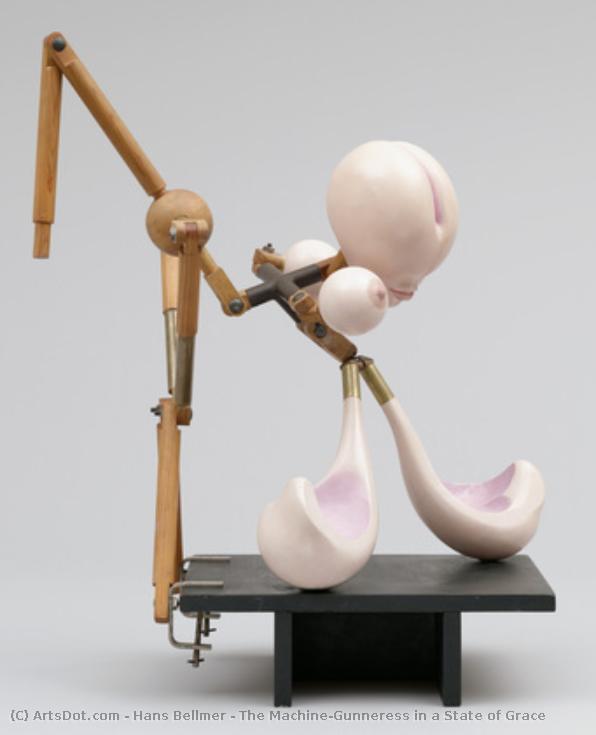
The Machine-Gunneress in a State of Grace


 詳細を見る
詳細を見る




































作品のオリジナル比率に合わせた、当店の規定サイズからお選びください。

特定のフレームやスペースに合わせて、ご希望のサイズをご入力いただけます。選択されたサイズが元の画像の比率と異なる場合、アートワークをトリミングするか、手描きで要素を追加して絵画を拡張いたします。デジタルモックアップ を制作し、制作開始前にご確認(承認)をいただきます。
画面上のプレビューは、実際のトリミングや拡張を正確に反映しているものではありません。最終的な構図は、モックアップによってのみ正確にご確認いただけます。
カスタムサイズもご利用いただけますが、元の比率を維持するためには、あらかじめ用意されたリストからサイズを選択することをお勧めいたします。
ご注文後、ArtsDot.com チームより詳細な指示をお送りするとともに、仕上がりイメージ(モックアップ)をご提供いたします。


 ガラスオプションは、110cm未満のサイズでのみご利用いただけます。

The Machine-Gunneress in a State of Grace
複製技法
複製画のサイズ
-


合計金額
$ 263
A Fragmented Vision: Hans Bellmer’s “The Machine-Gunneress”
Hans Bellmer's "The Machine-Gunneress in a State of Grace," created in 1937, isn’t merely a sculpture; it’s an unsettling plunge into the subconscious, a meticulously crafted collision of beauty and brutality. Born in Poland amidst political turmoil and personal tragedy, Bellmer channeled his anxieties – fueled by the rise of fascism, familial discord, and a potent fascination with the female form – into this profoundly disturbing yet undeniably captivating work. The piece immediately confronts the viewer with its fragmented composition: a doll-like figure, seemingly caught mid-action, fused with mechanical elements that speak to both control and vulnerability. It’s a visual paradox, demanding prolonged contemplation and inviting multiple interpretations.
The sculpture's core is a meticulously assembled doll – a porcelain-skinned torso anchored by broomstick legs and adorned with a hauntingly blank mask. This isn’t the idealized beauty of traditional dolls; rather, it’s a deliberately distorted representation, hinting at a suppressed or corrupted femininity. Crucially, this figure is integrated into a complex wooden framework resembling a camera tripod or robotic arm, suggesting a loss of agency, a reduction to an object within a system of observation and control. The deliberate imbalance of the composition – the doll's head tilted precariously, limbs awkwardly positioned – amplifies the sense of unease and instability.
Surrealist Techniques & Materials: A Dance Between Organic and Inorganic
Bellmer’s artistic process was characterized by a radical deconstruction and reconstruction. He began with existing dolls, meticulously disassembling them and altering their proportions – elongating limbs, distorting faces, and removing features altogether. This technique, combined with the use of wood, metal, and glass, creates a jarring juxtaposition between organic fragility and cold, mechanical precision. The smooth porcelain-like surface of the doll contrasts sharply with the grainy texture of the wood, while the glass eyes offer an unnerving gaze. The incorporation of ball joints, inspired by antique articulated dolls, further emphasizes this interplay – suggesting a rigid structure beneath a veneer of apparent life.
Bellmer’s approach wasn't simply about assembling disparate parts; it was about creating a new, unsettling reality. He employed techniques reminiscent of early photography, utilizing a staged presentation to heighten the sculpture’s impact. The lighting, diffused and even, minimizes shadows, lending a clinical quality to the scene – as if observing this disturbing tableau through a detached lens. This deliberate flattening of perspective contributes to the work's two-dimensional feel, intensifying its surreal and dreamlike atmosphere.
Symbolism & Historical Context: Fascination, Control, and Resistance
“The Machine-Gunneress” is deeply rooted in the anxieties of its time. Created during the rise of Nazism, it’s often interpreted as a veiled critique of totalitarian control and the dehumanizing effects of mass culture. Bellmer himself alluded to his father's authoritarian personality and the oppressive atmosphere of post-war Germany as influences on his work. The machine gun itself – a symbol of violence and destruction – is inextricably linked to the doll, suggesting a merging of innocence and aggression, vulnerability and power.
Furthermore, the doll figure can be seen as an allegory for the female body under patriarchal control. Its fragmented form and unsettling gaze evoke themes of objectification, repression, and the struggle for agency. The title itself – “in a State of Grace” – is profoundly ironic, juxtaposing beauty with violence, suggesting a corrupted ideal of femininity. Despite the sculpture’s disturbing nature, it also carries a subtle undercurrent of resistance—a defiant assertion of individuality against overwhelming forces.
A Legacy of Unease: Bellmer's Enduring Influence
Hans Bellmer remains one of the most significant figures in Surrealist art. “The Machine-Gunneress in a State of Grace” stands as a testament to his unique vision and unsettling ability to explore the darkest corners of the human psyche. His work continues to resonate with contemporary audiences, prompting reflection on themes of identity, control, and the complex relationship between technology and humanity. Reproductions of this powerful sculpture offer a compelling glimpse into Bellmer’s world—a world where beauty and horror coexist in a perpetually unsettling dance.
関連作品




関連記事

Bronze Sculptures That Defined Art History | ArtsDot
Journey through art history with our Top 10 bronze sculptures! Explore masterpieces by Rodin, Michelangelo & more. Discover stories behind iconic statues and find museum-quality reproductions for your home decor at ArtsDot.com.

The Enduring Form: Exploring Themes & Techniques in Sculpture Across Historical Periods
Explore the rich history of sculpture from ancient masterpieces to contemporary innovations. Discover key techniques, influential artists & investment potential for discerning art collectors.

Bronze Age to Modern Masters: 10 Sculptures That Redefined Art | ArtsDot
Journey through art history with 10 legendary bronze sculptures – from Michelangelo's David to Rodin’s Thinker. Explore the stories, techniques & timeless beauty of these masterpieces. Find museum-quality reproductions & elevate your home decor on ArtsDot.com.

The Enduring Form: Sculpture Across History, Technique & Emotional Resonance
Explore the rich history of sculpture with ArtsDot. Discover key techniques, influential artists & investment potential for discerning collectors. Expert insights into valuing and collecting timeless masterpieces.
青銅彫刻の永続的遺産:歴史、技法、そして現代における解釈
青銅彫刻の歴史、技法、現代における解釈を専門家が解説。古代から現代までの貴重な作品群を深く理解し、コレクションや投資に役立つ情報を提供します。美術品鑑定、修復についてもご紹介。