 プレビュー
プレビュー
 プリントを購入
 シェアする
シェアする シェアする
シェアする
 詳細を見る
詳細を見る

 ダウンロード
 似ている作品
 X線調査
X線調査 スライドショー
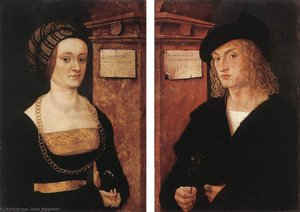
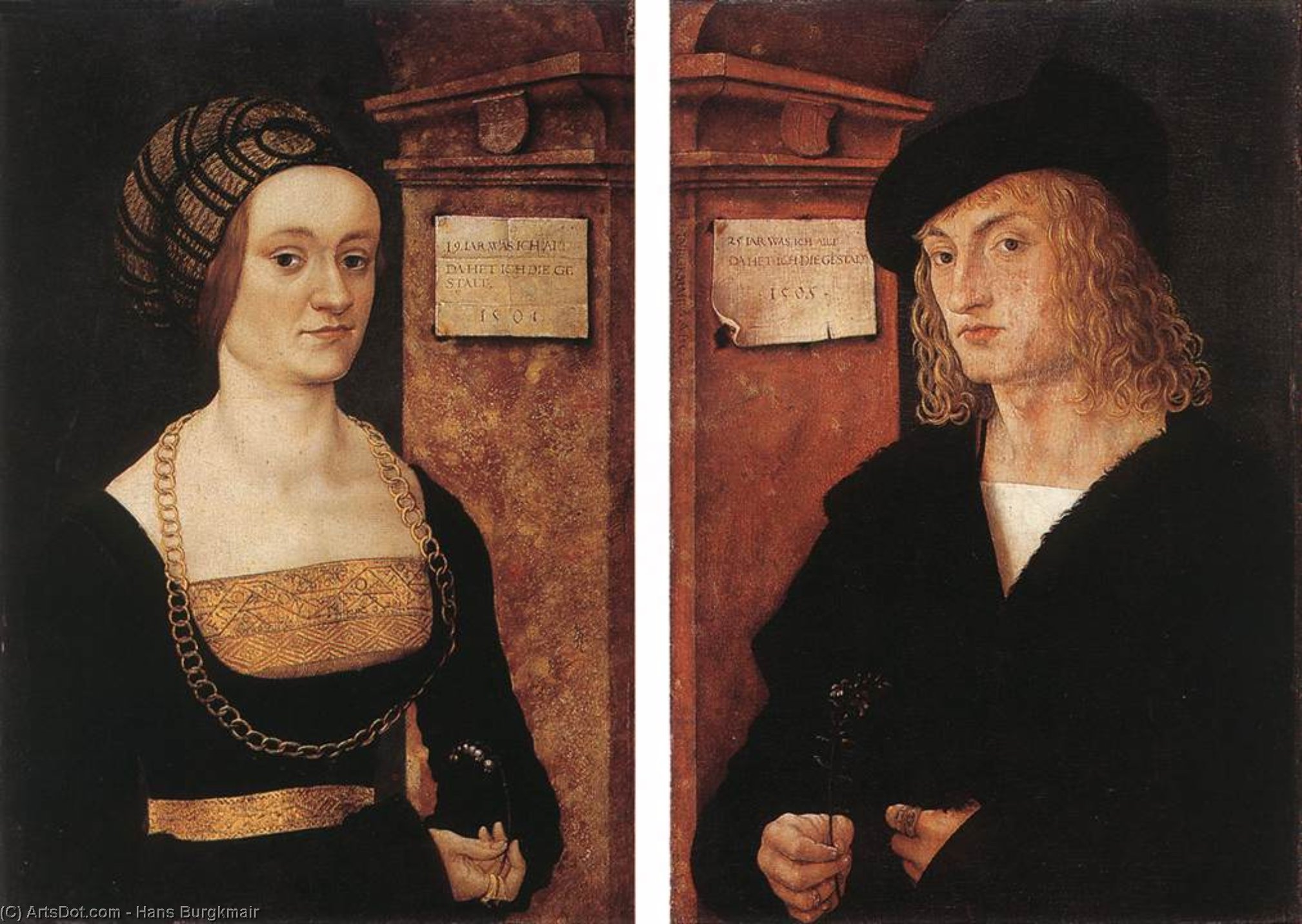
ババラとハンス・シュテルレンベルク
 キャンバスにアクリル絵具
- ウォールアート
- Renaissance Italian Style
 1505
1505 41.0 x 28.0 cm
 ウォールラフ・リヒャルトス美術館
 詳細を見る
詳細を見る




P118B $10

P118H $10

P118W $10

P438Z $10

P508JH $12

P508YH $12

P805H $10

P805Z $10

P919BZ $10

P919G $10

P919XJ $10

P959ZH $10

P968JZ $12

W106C $8

W218G $10

W218JH $8

W218Y $10

W307PJ $10

W316G $10

W316PJ $8

W316Y $10

W398PJ $8

W4111J $10

W500HY $15

W500JH $15

W692G $12

W849H $8

W940BG $15

W953PJ $8




作品のオリジナル比率に合わせた、当店の規定サイズからお選びください。

特定のフレームやスペースに合わせて、ご希望のサイズをご入力いただけます。選択されたサイズが元の画像の比率と異なる場合、アートワークをトリミングするか、手描きで要素を追加して絵画を拡張いたします。デジタルモックアップ を制作し、制作開始前にご確認(承認)をいただきます。
画面上のプレビューは、実際のトリミングや拡張を正確に反映しているものではありません。最終的な構図は、モックアップによってのみ正確にご確認いただけます。
カスタムサイズもご利用いただけますが、元の比率を維持するためには、あらかじめ用意されたリストからサイズを選択することをお勧めいたします。
ご注文後、ArtsDot.com チームより詳細な指示をお送りするとともに、仕上がりイメージ(モックアップ)をご提供いたします。


 ガラスオプションは、110cm未満のサイズでのみご利用いただけます。

ババラとハンス・シュテルレンベルク
複製技法
複製画のサイズ
-


合計金額
$ 263
バーバラとハンス・シュエレンベルク:ルネサンスの愛と調和を表現した傑作
ハンズ・ブルークマイヤーは、ドイツ美術史における重要な転換期に活躍した画家であり、ゴシック後期からルネサンス初期へと移行する時期に特に輝いた人物です。彼はイタリア芸術の革新を取り入れながらも、独自のドイツ的な美意識を維持し、他のヨーロッパ諸国への新しい芸術潮流の伝播を担いました。多くのアーティストがイタリアで形式的な訓練を受ける代わりに、彼は印刷された書籍やイメージを通じて広まる思想に深く関わり、ヨーロッパ全体で新たな芸術様式が普及する上で重要な役割を果たしました。単なる模倣ではなく、彼は伝統的な技術と主題を融合させ、独自の芸術表現を行いました。
- 画家: ハンス・ブルークマイヤー(ハンズ・ブルークマイヤー長老)
- 生誕年: 1473年
- 没年: 1531年
- 生誕都市: アウグスブルク
- 生誕国: ドイツ
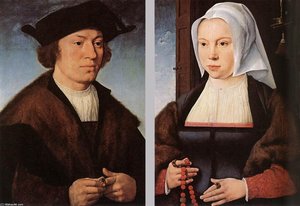
この絵画は、ルネサンス時代の男性と女性の肖像画であり、その美しい色彩と繊細な技法が特徴です。特に注目すべき点は、愛を象徴するエブライトの花と幸福を約束するユリの葉という伝統的なシンボルが用いられている点です。これらの花は、結婚生活における喜びと繁栄を願うための配偶者の選択を表しており、絵画全体に優雅さと調和を感じさせます。
- 絵画スタイル: ルネサンス様式
- 技法: 油彩画
- サイズ: 幅41cm × 高さ28cm
- 制作年代: 1505年頃
絵画には、左右に立つ二つの柱が配置されており、これは空間的な奥行きと構造感を効果的に表現しています。女性は黒いドレスを身につけ、金色のトリミングが施され、男性は帽子をかぶっています。これらの衣装は当時の貴族階級のファッションであり、絵画全体に権威と洗練された雰囲気を醸し出しています。この作品は、愛と結婚というテーマを表現した傑作として、美術史において特別な位置を占めています。
壁画は、ハンズ・ブルークマイヤーの卓越した技術と芸術的センスを示すとともに、当時のルネサンスイタリアにおける芸術思想や美意識を反映しています。この絵画は、愛する人との絆を表現し、結婚生活における幸福を願うための美しい芸術作品として、現代の人々にも感動を与え続けています。
出典:ウォールラフ・リヒャルト美術館関連作品
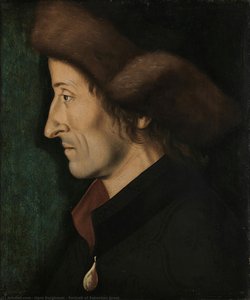
アーティストの略歴
Hans Burgkmair the Elder: Bridging Renaissance Italy and German Tradition
Born in Augsburg, Germany, around 1473, Hans Burgkmair the Elder emerged as a pivotal figure in the transition between late Gothic and early Renaissance art. His life coincided with a period of intense artistic exchange between Northern Europe and Italy, and he skillfully absorbed the innovations of the Italian Renaissance while retaining a distinctly German sensibility. Unlike many artists who traveled to Italy for formal training, Burgkmair’s influence stemmed from his deep engagement with the ideas circulating through printed books and images – a crucial development in disseminating new artistic trends across Europe. He wasn't merely copying Italian models; he was actively synthesizing them with established Northern European techniques and subject matter.
His early career began as an apprentice to his father, Thomas Burgkmair, a respected painter in Strasbourg. This familial connection provided him with a solid foundation in traditional German painting styles. However, it was his time working under Martin Schongauer in Colmar that truly ignited his artistic development. Schongauer’s mastery of detail and use of oil paint—techniques still relatively novel at the time—profoundly impacted Burgkmair's approach to rendering form and texture. Following Schongauer’s death, Burgkmair continued his training in Augsburg, absorbing further influences from the burgeoning artistic scene.
The Rise of a Master: Woodcuts and Frescoes
Burgkmair quickly established himself as a highly sought-after artist, specializing primarily in woodcut and fresco. His woodcuts, numbering around 700, are particularly significant for their innovative use of chiaroscuro – the dramatic interplay of light and shadow achieved through multiple blocks inked with varying tones. This technique, pioneered by Burgkmair, moved beyond the traditional single-block method and allowed him to create a remarkable sense of depth and volume, mimicking the effects of oil painting. His most celebrated woodcut series is undoubtedly the “Triumphs of Maximilian,” commissioned by Emperor Maximilian I to commemorate his victories and solidify his imperial authority. These prints are not merely decorative; they’re complex allegorical narratives filled with symbolism and meticulously rendered details.
Beyond woodcuts, Burgkmair was a skilled fresco painter. He is credited with decorating the facade of the Fugger residence in Augsburg – a landmark building that exemplifies the early Italian Renaissance style in Germany. Sadly, these frescoes have been lost to history, leaving behind only tantalizing descriptions and fragments of their grandeur. His work on the Munich and Vienna facades offers valuable insights into his fresco technique and stylistic choices.
Influences and Artistic Style
Burgkmair’s artistic style is a fascinating blend of Northern European tradition and Italian Renaissance ideals. He retained the meticulous detail and realism characteristic of German painting, but he also embraced the Italian emphasis on perspective, proportion, and classical motifs. The influence of Giorgione, a Venetian painter known for his atmospheric landscapes and poetic compositions, is particularly evident in Burgkmair’s work. Giorgione's use of muted colors and evocative scenes clearly resonated with Burgkmair, who sought to capture the mood and atmosphere of his subjects rather than simply depicting them realistically.
His son, Hans Burgkmair the Younger, continued his father’s legacy, collaborating on the “Turnierbuch,” a lavish illustrated tournament book. This collaborative effort further cemented the family's reputation as leading artists of their time and demonstrated the transmission of artistic knowledge from one generation to the next.
Legacy and Historical Significance
Hans Burgkmair the Elder’s contribution to art history is immense. He was among the first German artists to genuinely engage with the innovations of the Italian Renaissance, adapting them to his own cultural context and developing a unique artistic style. His pioneering use of chiaroscuro in woodcuts revolutionized printmaking techniques, paving the way for future generations of artists. Furthermore, he played a crucial role in introducing Renaissance ideas to Northern Europe through his prints and frescoes, contributing significantly to the broader dissemination of artistic knowledge during a period of rapid cultural change. He stands as a testament to the dynamic interplay between tradition and innovation that characterized the early Renaissance era.
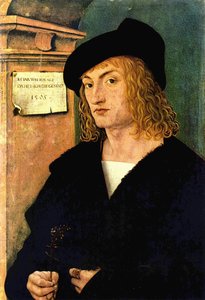
hans burgkmair
1473 - 1531 , Germany
基本情報
- Artistic Movement Or Style: Italian Renaissance
- Artists Or Movements Influenced By This Artist: ['Hans Burgkmair the Younger']
- Artists Who Influenced This Artist:
- Giovanni Bellini
- Giorgione
- Date Of Birth: 1473
- Date Of Death: c. 1531
- Full Name: Hans Burgkmair the Elder
- Nationality: German
- Notable Artworks:
- Triumphs of Maximilian
- Turnierbuch
- Lovers Surprised by Death
- Place Of Birth: Augsburg, Germany
関連記事
German Expressionism's 10 Defining Masterpieces | Art for Your Home
Explore 10 defining German Expressionism masterpieces – from Munch's 'The Scream' to Kandinsky’s abstracts. Discover the artists, stories & bold colors behind this powerful art movement. Find museum-quality reproductions at ArtsDot.com.
The Northern Awakening: Artistic Innovation & Cultural Transformation in the German Renaissance
Explore the artistic innovation of the German Renaissance! Discover Dürer, the Danube School & Reformation art. Learn about techniques, materials & lasting influence. Find museum-quality reproductions at ArtsDot.
Hans Holbein the Younger: A Renaissance Portraitist's Mastery of Realism & Psychological Insight
Explore the life & art of Hans Holbein the Younger, a Renaissance master renowned for his strikingly realistic portraits and psychological insight. Discover iconic works like 'The Ambassadors' and delve into his lasting legacy.
Hans Baldung Grien: A Renaissance Master of Allegory, Innovation & the Grotesque
Explore the captivating world of Hans Baldung Grien, a Renaissance master renowned for his allegorical paintings, striking woodcuts & unique depictions of mythology and the grotesque. Discover his life, works & legacy with ArtsDot.
Anton von Werner: Imperial Painter, Historical Witness & Shifting German Identity
Explore the life & work of Anton von Werner, Imperial Germany's leading painter. Discover his dramatic depictions of war, unification, and court life – a fascinating insight into 19th-century German history & art.