

 プレビュー
プレビュー
 プリントを購入
 シェアする
シェアする シェアする
シェアする
 詳細を見る
詳細を見る

 ダウンロード
 似ている作品
 X線調査
X線調査 スライドショー
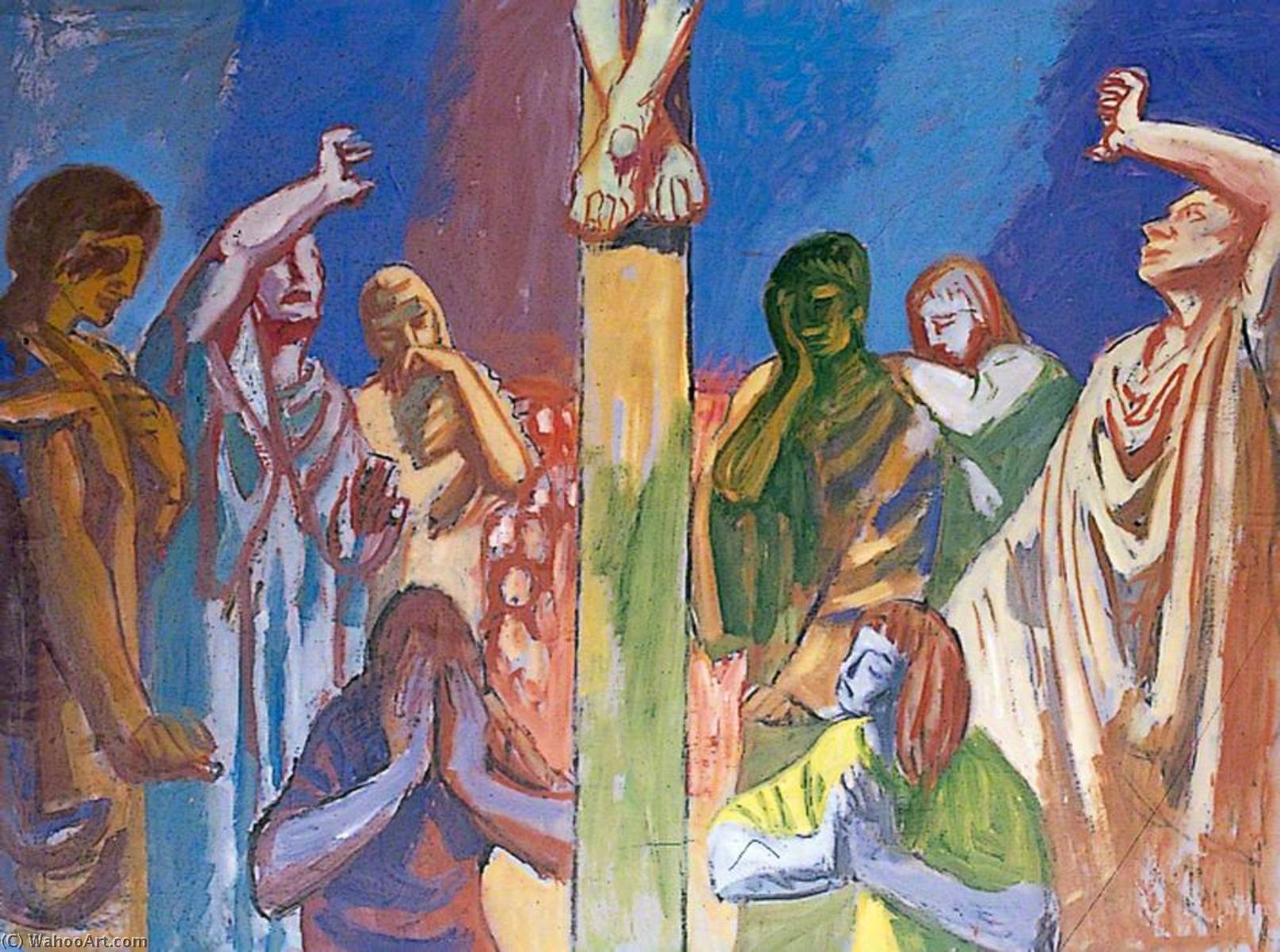
At the Feet of Christ on the Cross
 92.0 x 122.0 cm
 Pallant House Gallery
 詳細を見る
詳細を見る




































作品のオリジナル比率に合わせた、当店の規定サイズからお選びください。

特定のフレームやスペースに合わせて、ご希望のサイズをご入力いただけます。選択されたサイズが元の画像の比率と異なる場合、アートワークをトリミングするか、手描きで要素を追加して絵画を拡張いたします。デジタルモックアップ を制作し、制作開始前にご確認(承認)をいただきます。
画面上のプレビューは、実際のトリミングや拡張を正確に反映しているものではありません。最終的な構図は、モックアップによってのみ正確にご確認いただけます。
カスタムサイズもご利用いただけますが、元の比率を維持するためには、あらかじめ用意されたリストからサイズを選択することをお勧めいたします。
ご注文後、ArtsDot.com チームより詳細な指示をお送りするとともに、仕上がりイメージ(モックアップ)をご提供いたします。


 ガラスオプションは、110cm未満のサイズでのみご利用いただけます。

At the Feet of Christ on the Cross
複製技法
複製画のサイズ
-


合計金額
$ 263
関連作品





アーティストの略歴
A Life Forged in the Fires of Change
Born in Frankfurt am Main, Hans Feibusch’s early years were a tapestry of artistic awakening and historical upheaval. The son of a dental surgeon and an amateur painter, his creative spirit was nurtured by the delicate brushstrokes of his mother and the rigorous academic training he received under Karl Hofer at the Berlin University of the Arts. His youth, however, was not merely one of quiet study; the shadows of World War I loomed large as he served on the Russian front, an experience that would forever color his understanding of human resilience and the fragility of existence. In the vibrant, pre-war atmosphere of Germany and later Paris, Feibusch absorbed the rhythmic energy of Expressionism and the daring palettes of Fauvism, honing a style that balanced meticulous realism with a profound, emotive intensity.
From Exile to the Sacred Walls of England
The ascent of Nazism in 1933 forced a dramatic and painful redirection of Feibusch’s destiny. Driven by the necessity to protect his family, he fled Germany for England, carrying with him the weight of displacement and the richness of his Jewish heritage. It was within this new, often uncertain landscape that Feibusch found his most enduring calling: the transformation of Anglican sacred spaces. He did not merely decorate; he breathed life into stone and mortar. Through a series of monumental murals spanning nearly thirty churches across England, he wove together themes of faith, suffering, and transcendence. His work in places like Ely Cathedral stands as a testament to an artist who could bridge the gap between his ancestral traditions and the liturgical heart of the Church of England, creating a visual language that was both deeply personal and universally spiritual.
The Eternal Dance of Color and Spirit
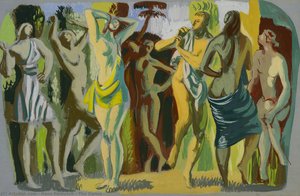
Feibusch’s oeuvre is characterized by a breathtaking vitality, where color serves as a primary vessel for emotion. Whether capturing the sun-drenched landscapes of Sicily in Taormina, Sicily or the rhythmic ecstasy of human connection in his 1950 masterpiece The Dance, his brushwork remains unapologetically expressive. His mastery lies in the ability to evoke the sublime through several key elements:
- Bold Chromaticism: The use of vibrant, often clashing hues that command attention and stir the soul.
- Dynamic Motion: A sense of rhythmic vitality that makes even a static mural feel alive with movement.
- Symbolic Depth: An intricate layering of Jewish cultural motifs and Christian iconography.
As we look back upon his century-long journey, Feibusch remains a singular figure—a painter who turned the trauma of exile into a legacy of light, leaving behind a trail of sacred beauty that continues to inspire awe in all who enter his painted sanctuaries.
Hans Feibusch
1898 - 1998
基本情報
- Artistic Movement Or Style: Expressionist Color
- Artists Or Movements Influenced By This Artist:
- Jankel Adler
- Marc Chagall
- Artists Who Influenced This Artist:
- Rudolf Hofer
- Andre Lhote
- Date Of Birth: 1898
- Date Of Death: 1998
- Full Name: Hans Nathan Feibusch
- Nationality: German
- Notable Artworks:
- Taormina, Sicily
- Narcissus
- Wooded Landscape
- Place Of Birth: Frankfurt am Main, Germany