プレビュー
プレビュー
 プリントを購入
 シェアする
シェアする シェアする
シェアする
 詳細を見る
詳細を見る

 ダウンロード
 似ている作品
 X線調査
X線調査 スライドショー
Body of the Dead Christ in the Tomb


 詳細を見る
詳細を見る




P118B $10

P118H $10

P118W $10

P438Z $10

P508JH $12

P508YH $12

P805H $10

P805Z $10

P919BZ $10

P919G $10

P919XJ $10

P959ZH $10

P968JZ $12

W106C $8

W218G $10

W218JH $8

W218Y $10

W307PJ $10

W316G $10

W316PJ $8

W316Y $10

W398PJ $8

W4111J $10

W500HY $15

W500JH $15

W692G $12

W849H $8

W940BG $15

W953PJ $8




作品のオリジナル比率に合わせた、当店の規定サイズからお選びください。

特定のフレームやスペースに合わせて、ご希望のサイズをご入力いただけます。選択されたサイズが元の画像の比率と異なる場合、アートワークをトリミングするか、手描きで要素を追加して絵画を拡張いたします。デジタルモックアップ を制作し、制作開始前にご確認(承認)をいただきます。
画面上のプレビューは、実際のトリミングや拡張を正確に反映しているものではありません。最終的な構図は、モックアップによってのみ正確にご確認いただけます。
カスタムサイズもご利用いただけますが、元の比率を維持するためには、あらかじめ用意されたリストからサイズを選択することをお勧めいたします。
ご注文後、ArtsDot.com チームより詳細な指示をお送りするとともに、仕上がりイメージ(モックアップ)をご提供いたします。


 ガラスオプションは、110cm未満のサイズでのみご利用いただけます。

Body of the Dead Christ in the Tomb
複製技法
複製画のサイズ
-


合計金額
$ 263
A Visceral Encounter with Mortality
In the quiet corridors of the Kunstmuseum Basel, there exists a painting that refuses to let the viewer look away. Hans Holbein the Younger’s "Body of the Dead Christ in the Tomb" is not merely a depiction of a biblical event; it is an unflinching confrontation with the physical reality of death. Created between 1520 and 1522, this extraordinary longitudinal panel stretches across the field of vision like a heavy shroud, demanding an emotional response that transcends mere observation. Unlike the idealized, serene depictions of Christ common in many religious works, Holbein presents a body marked by the brutal weight of mortality. The pale, lifeless flesh, the subtle traces of decomposition, and the chillingly accurate rendering of wounds create a scene that is as much a masterpiece of anatomical study as it is a profound theological meditation.
The power of this work lies in its startling realism, a hallmark of Holbein’s Northern Renaissance mastery. Through meticulous brushwork, the artist captures the texture of skin, the glisten of dried blood, and the heavy stillness of a corpse that has been stripped of its divinity to reveal its humanity. For the collector or lover of fine art, this piece offers an unparalleled study in chiaroscuro and anatomical precision. Holbein’s ability to render the physical weight of the limbs and the way the body rests upon the crimson drapery creates a sense of profound gravity. It is a work that speaks to the fragility of existence, making it a captivating centerpiece for those who appreciate art that explores the deeper, more complex layers of the human condition.
Symbolism and the Weight of Devotion
Beyond its anatomical brilliance, the painting serves as a complex tapestry of religious symbolism and historical tension. The composition, characterized by its unusual elongated format, directs the eye along the length of Christ’s body, mirroring the journey from suffering to the eventual promise of resurrection. The use of deep crimson in the linens serves as a poignant reminder of the sacrifice made, contrasting sharply with the pallor of the deceased. This interplay of color and light does more than create visual drama; it anchors the viewer in the theological gravity of the Reformation era, a time when the boundaries of faith and the reality of physical suffering were being intensely debated across Europe.
For interior designers and curators seeking to evoke a sense of contemplative depth within a space, this artwork provides an unparalleled emotional anchor. The painting does not merely decorate a wall; it transforms an environment into a sanctuary for reflection. Whether presented as a high-quality reproduction in a private study or as part of a curated gallery collection, the "Body of the Dead Christ" brings with it an aura of historical significance and intellectual rigor. It is a piece that invites conversation, challenging the observer to find beauty within the macabre and to recognize the profound dignity found even in the most harrowing moments of human history.
関連作品


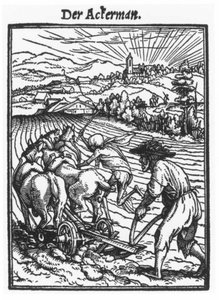
アーティストの略歴
ホルベインとその時代:ルネサンスの肖像画家
ハンス・ホルベイン(1497/8 - 1543)は、ドイツ生まれのスイス人画家であり、北ヨーロッパにおけるルネサンス美術を代表する肖像画の巨匠として知られています。彼の作品は、驚くべきリアリズムと心理描写の深さで、時代を超えて人々を魅了し続けています。ホルベインの生涯は、芸術的探求心と時代の変遷が複雑に絡み合ったものであり、その足跡は16世紀ヨーロッパ美術史に深く刻まれています。幼少期を過ごしたアウグスブルクは、当時すでに芸術の中心地として栄えており、ホルベインは父ハンス・ホルベイン長老の工房で基礎を築きました。この初期教育は、単なる筆遣いや色彩技法だけでなく、対象を注意深く観察し、その本質を見抜く力を養う上で重要な役割を果たしました。バーゼルからテューダー朝へ:台頭する芸術家
ホルベインは、修業を終えると、スイス各地を旅しながら独立した画家として活動を開始します。特にバーゼルでは、宗教画や木版画など多様な作品を手がけ、その才能を開花させました。『死の踊り』シリーズはその代表的な例で、死という普遍的なテーマを独自の解釈で描き出しています。1526年、ホルベインはイングランドへ渡ります。この時、人文学者エラスムスの紹介状を持参しており、それがテューダー朝の有力な社交界への足がかりとなりました。すぐにその才能が認められ、トーマス・モア卿をはじめとする多くの貴族から肖像画の依頼を受けるようになります。肖像画における革新:リアリズムと象徴性
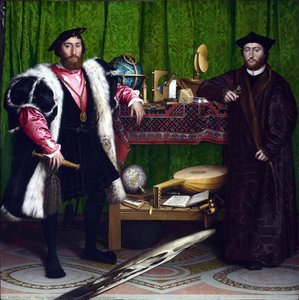
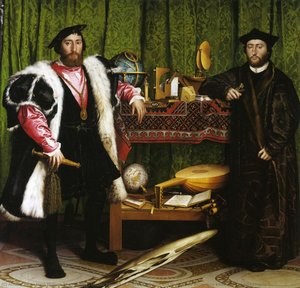
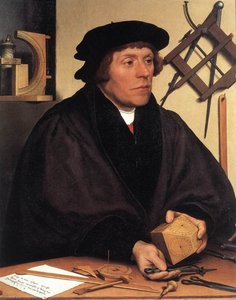
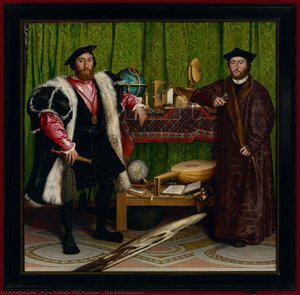
ホルベインの芸術的特徴は、驚くべきリアリズムにあります。彼は対象を丹念に観察し、質感や衣服の細部まで忠実に再現することで、単なる外見だけでなく、その人物の内面までも描き出そうと試みました。肖像画の構図においても革新的な試みが見られ、象徴的な小道具や背景を用いることで、作品に深遠な意味を付与しています。『大使たち』は、ホルベインの才能を示す傑作中の傑作です。この作品には、あえて歪曲された形状で描かれた頭蓋骨が隠されており、死という避けられない運命を暗示する*Memento Mori*として解釈されています。ヘンリー8世の肖像画群は、王権の威厳と権力を象徴するものとして、歴史に刻まれました。また、『ニコラウス・クラッツァーの肖像』は、その写実性と科学的な詳細描写において、ホルベインの卓越した技術を物語っています。影響と遺産:時代を超えた芸術的貢献
ホルベインの芸術は、ドイツ美術の伝統とイタリア・ルネサンスの影響が融合した独自のスタイルを確立しました。アルブレヒト・デューラーをはじめとするドイツ人画家たちから影響を受けつつも、イタリア美術の研究を通して得た知識や技術を取り入れ、それを昇華させました。彼の肖像画は、後の世代の画家たちに大きな影響を与え、リアリズムと心理描写を重視する肖像画の新たな基準を打ち立てました。テューダー朝時代の主要な人物たちの肖像画は、当時の政治的・宗教的な動向や文化の変化を知る上で貴重な資料となっています。ホルベインの芸術は、単なる技術的な卓越性にとどまらず、知的好奇心と芸術的革新、そして人間存在に対する深い理解に基づいたものであり、今なお多くの人々に感動を与え続けています。彼の作品は、時を超えて私たちに語りかけ、過去の世界を鮮やかに蘇らせます。歴史的意義:時代の鏡
1543年、ホルベインはロンドンで死去しましたが、その残した作品群は、今日に至るまで美術史において重要な位置を占めています。彼の肖像画は、単なる美しいイメージではなく、テューダー朝時代の政治的な陰謀や宗教改革の混乱、そして文化的な変遷を映し出す歴史的文書としての価値も持ち合わせています。- ヘンリー8世の肖像画は、王権の象徴として、その威厳を示す役割を果たしました。
- エラスムスやトーマス・モアといった人文主義者の肖像画は、当時の知識人たちの生き様を伝えています。
- 作品に込められた象徴的な要素は、観る者に深い思索を促し、時代背景への理解を深めます。
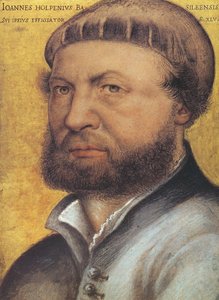
ハンス・ホルバイン
1497 - 1543 , イタリア
基本情報
- フルネーム: ハンス・ホルバイン ザンガー
- 主な作品:
- アンバサダーズ
- ヘンリー8世の肖像
- エラスムスの肖像
- ニコラウス クラッツァーの肖像
- 出生地: アウグスブルク(ドイツ)
- 国籍: ドイツ・スイス
- 影響を与えた芸術家: ['後世の肖像画家']
- 影響を受けた芸術家: ['アルブレヒト・デューラー']
- 死亡年月日: 1543年
- 生年月日: 1497年頃
- 芸術運動: 北方ルネサンス
関連記事

Giclée Prints: Archival Quality & Aesthetic Nuances for the Discerning Collector
Explore the world of giclée prints with ArtsDot. Learn about archival quality, aesthetic nuances & investment potential. Expert guidance for discerning art collectors seeking museum-quality reproductions and lasting value.
Hans Holbein the Younger: A Renaissance Portraitist's Mastery of Realism & Psychological Insight
Explore the life & art of Hans Holbein the Younger, a Renaissance master renowned for his strikingly realistic portraits and psychological insight. Discover iconic works like 'The Ambassadors' and delve into his lasting legacy.

The Enduring Legacy of Fine Art Prints: Technique, History & Aesthetic Impact
Explore the rich history & techniques of fine art prints. Discover investment potential, assess authenticity, and learn how to preserve your collection with expert guidance. Trusted insights for discerning collectors.

Echoes of Time: Exploring the Enduring Appeal & Historical Context of Vintage Art Prints
Explore the captivating world of vintage art prints! Discover their history, collecting tips & enduring appeal. Expert insights on chromolithography and building a legacy collection with ArtsDot.
The Enduring Legacy of Printmaking: Techniques, Themes & Artistic Innovation Across Centuries
Explore the rich history of printmaking with ArtsDot. Discover techniques from intaglio to lithography, learn about collecting valuable prints & find museum-quality reproductions. Expert insights for art enthusiasts and collectors.

![ジャン・ド・ダンティヴィルとジョルジュ・ド・セルヴの二重肖像画(別名:大使たち)[細部]](/media/artworks/images-thumb/bb/ab/bbab7ce77b7dd15d23d21114a63b51a4.jpg)
![ジャン・ド・ダンティヴィルとジョルジュ・ド・セルヴの二重肖像画(別名『大使たち』)[細部]](/media/artworks/images-thumb/42/81/42813dc49b2f72bce897aaf8b747ad5b.jpg)