

 プレビュー
プレビュー
 プリントを購入
 シェアする
シェアする シェアする
シェアする
 詳細を見る
詳細を見る

 ダウンロード
 似ている作品
 X線調査
X線調査 スライドショー
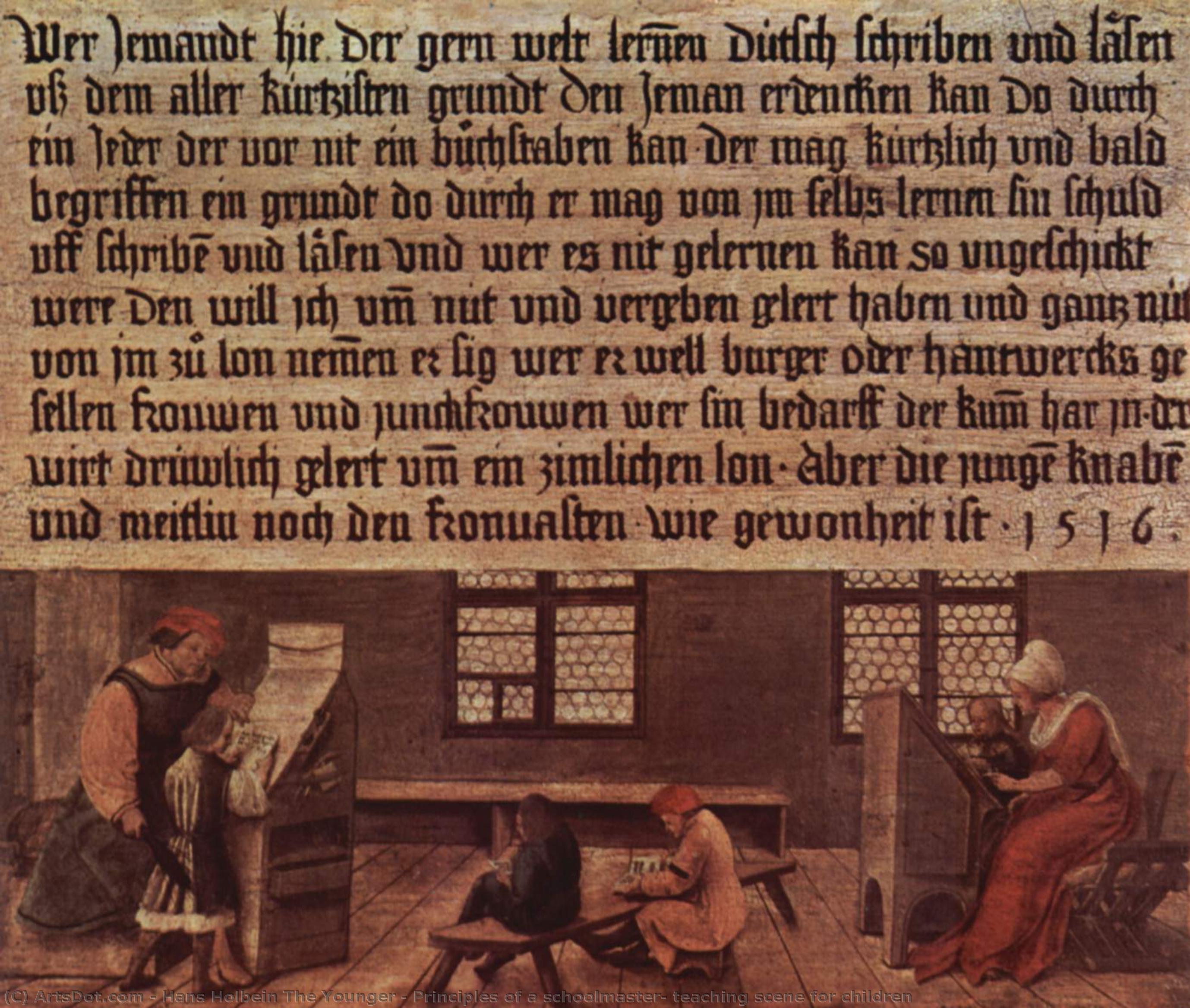
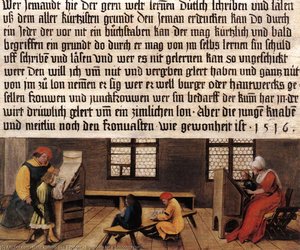
Principles of a schoolmaster, teaching scene for children
 Tempera
- Northern Renaissance
 1516
1516 56.0 x 66.0 cm
 詳細を見る
詳細を見る
オンラインプレビューをはるかに凌ぐ、高解像度で鮮明なデジタル画像をご購入いただけます。
各ファイルは、社内の専門家が高度なツールと熟練した手作業によるレタッチを用いて、細心の注意を払って準備されています。すべての画像において、卓越した鮮明度、正確な色彩再現性、そして繊細なディテールを保証いたします。
最終ファイルは、プロフェッショナルな編集・印刷環境ですぐにご利用いただけるよう最適化された状態で、72時間以内にメールにてお届けいたします。これは、一流のデザインスタジオ、出版社、ギャラリーから信頼されているものと同等の品質です。
デジタル画像のご注文に付随する特典
高品質なデジタル画像配信を、確かな品質で。
ArtsDot.com を選ぶことは、単に画像を手に入れることではありません。それは、プロの手によって精密に仕上げられ、満足保証が付いた高品質なデジタルアートワークを受け取ることを意味します。ご注文いただいた際に自動的に付随する内容は、以下の通りです:

メールですぐにお届け
ご注文から72時間以内に、高解像度のデジタル画像ファイルがメールでお手元に届きます。すぐにそのままご利用いただけます。

AI技術で最適化されたデジタルファイル
お客様の作品は、高度なAIツールと専門家による手作業の編集を組み合わせてプロフェッショナルに最適化されており、細部のディテール、鮮明さ、そして正確な色再現性を最大限に引き出しています。

一生涯無料の再送サービス
ファイルを誤って削除したり、紛失してしまったりしましたか?ご安心ください。いつでも無料で再送いたします。

輸入手数料は一切かかりません
関税や手数料、配送料を気にすることなく、お気に入りのアートワークをすぐにお楽しみいただけます。デジタルダウンロードは常に免税です。

色彩再現の保証
プロ仕様のツールとカラーマネジメント技術を用いることで、デジタル画像が元の色を最大限に忠実に再現することを保証いたします。

60日間満足保証
ご購入いただいたデジタル画像にご満足いただけない場合は、60日以内であれば、修正または100%の返金(理由を問う必要はありません)をさせていただきます。

100% 返金保証
ご満足いただけない場合は、デジタルファイルを受け取ってから60日以内であれば、理由を問わず全額返金いたします。

まとめ買い割引
3枚購入で10%OFF - 5枚購入で15%OFF - 10枚以上購入で20%OFF。クリエイティブなプロジェクト、ギャラリー、エージェンシーに最適です。
作品の詳細
A Window into Renaissance Education: Holbein’s “Principles of a Schoolmaster”
Hans Holbein the Younger's "Principles of a Schoolmaster, Teaching Scene for Children," painted in 1516, is more than just a charming depiction of classroom life; it’s a meticulously crafted window into the intellectual and social landscape of early sixteenth-century Europe. This tempera on wood panel offers a rare glimpse into the burgeoning emphasis on humanist education during the Northern Renaissance—an era where the rediscovery of classical learning intertwined with practical skills, shaping not only individuals but also the future of society. The painting’s intimate scale – measuring just 56 x 66 cm – invites us to observe closely, revealing a wealth of detail that speaks volumes about the values and practices of the time.
The Scene Unfolds: Composition and Narrative
Within the warmly lit interior, Holbein masterfully orchestrates a tableau of learning. A schoolmaster, presumably a learned gentleman, stands patiently guiding a young boy towards a reading lectern or music stand – a common feature in humanist schools. To his right, an older woman, likely a female tutor, directs another child’s attention to a similar instructional device. A solitary boy sits at a wooden bench on the left, diligently practicing writing or drawing, his focus entirely absorbed in his task. The arrangement isn't merely observational; it suggests a carefully structured pedagogical process – a deliberate progression from foundational skills to more advanced pursuits. Note the subtle gestures of the figures: the schoolmaster’s pointing hand, the tutor’s gentle guidance, and the children’s concentrated expressions all contribute to a narrative of instruction and growth.
Technique and Materials: A Master at Work
Holbein's skill as a painter is immediately apparent in the meticulous detail of this work. Executed in tempera on wood, a technique favored for its luminosity and ability to create rich colors, the painting showcases his remarkable attention to texture and form. The artist’s use of light and shadow creates a sense of depth and realism, bringing the figures and their surroundings to life. The delicate rendering of fabrics – the boy's tunic, the woman’s gown – reveals Holbein’s mastery of capturing subtle nuances in material quality. Furthermore, the inclusion of the Gothic lettering at the top of the composition—likely providing a textual explanation of the scene—demonstrates his understanding of integrating text and image within a single artistic statement.
Symbolism and Context: Renaissance Values
“Principles of a Schoolmaster” is deeply rooted in the humanist ideals that defined the Northern Renaissance. The emphasis on education, particularly for young boys, reflects a belief in the importance of cultivating intellectual curiosity and preparing individuals to contribute meaningfully to society. The presence of both male and female tutors highlights the growing recognition of women’s role in education – a significant shift from earlier medieval practices. The scene itself embodies the Renaissance aspiration to reconcile classical learning with contemporary needs, creating a balanced curriculum that fostered both knowledge and virtue. The inclusion of musical instruments also suggests an appreciation for the arts as integral components of a well-rounded education.
This painting offers more than just a visual representation; it’s a testament to Holbein's artistic genius and a poignant reminder of the values that shaped a pivotal era in European history. A reproduction captures this essence beautifully, allowing you to bring this remarkable scene into your own home or office – a subtle yet powerful symbol of knowledge, guidance, and the enduring pursuit of learning.
関連作品
作家の略歴
ホルベインとその時代:ルネサンスの肖像画家
ハンス・ホルベイン(1497/8 - 1543)は、ドイツ生まれのスイス人画家であり、北ヨーロッパにおけるルネサンス美術を代表する肖像画の巨匠として知られています。彼の作品は、驚くべきリアリズムと心理描写の深さで、時代を超えて人々を魅了し続けています。ホルベインの生涯は、芸術的探求心と時代の変遷が複雑に絡み合ったものであり、その足跡は16世紀ヨーロッパ美術史に深く刻まれています。幼少期を過ごしたアウグスブルクは、当時すでに芸術の中心地として栄えており、ホルベインは父ハンス・ホルベイン長老の工房で基礎を築きました。この初期教育は、単なる筆遣いや色彩技法だけでなく、対象を注意深く観察し、その本質を見抜く力を養う上で重要な役割を果たしました。バーゼルからテューダー朝へ:台頭する芸術家
ホルベインは、修業を終えると、スイス各地を旅しながら独立した画家として活動を開始します。特にバーゼルでは、宗教画や木版画など多様な作品を手がけ、その才能を開花させました。『死の踊り』シリーズはその代表的な例で、死という普遍的なテーマを独自の解釈で描き出しています。1526年、ホルベインはイングランドへ渡ります。この時、人文学者エラスムスの紹介状を持参しており、それがテューダー朝の有力な社交界への足がかりとなりました。すぐにその才能が認められ、トーマス・モア卿をはじめとする多くの貴族から肖像画の依頼を受けるようになります。肖像画における革新:リアリズムと象徴性
ホルベインの芸術的特徴は、驚くべきリアリズムにあります。彼は対象を丹念に観察し、質感や衣服の細部まで忠実に再現することで、単なる外見だけでなく、その人物の内面までも描き出そうと試みました。肖像画の構図においても革新的な試みが見られ、象徴的な小道具や背景を用いることで、作品に深遠な意味を付与しています。『大使たち』は、ホルベインの才能を示す傑作中の傑作です。この作品には、あえて歪曲された形状で描かれた頭蓋骨が隠されており、死という避けられない運命を暗示する*Memento Mori*として解釈されています。ヘンリー8世の肖像画群は、王権の威厳と権力を象徴するものとして、歴史に刻まれました。また、『ニコラウス・クラッツァーの肖像』は、その写実性と科学的な詳細描写において、ホルベインの卓越した技術を物語っています。影響と遺産:時代を超えた芸術的貢献
ホルベインの芸術は、ドイツ美術の伝統とイタリア・ルネサンスの影響が融合した独自のスタイルを確立しました。アルブレヒト・デューラーをはじめとするドイツ人画家たちから影響を受けつつも、イタリア美術の研究を通して得た知識や技術を取り入れ、それを昇華させました。彼の肖像画は、後の世代の画家たちに大きな影響を与え、リアリズムと心理描写を重視する肖像画の新たな基準を打ち立てました。テューダー朝時代の主要な人物たちの肖像画は、当時の政治的・宗教的な動向や文化の変化を知る上で貴重な資料となっています。ホルベインの芸術は、単なる技術的な卓越性にとどまらず、知的好奇心と芸術的革新、そして人間存在に対する深い理解に基づいたものであり、今なお多くの人々に感動を与え続けています。彼の作品は、時を超えて私たちに語りかけ、過去の世界を鮮やかに蘇らせます。歴史的意義:時代の鏡
1543年、ホルベインはロンドンで死去しましたが、その残した作品群は、今日に至るまで美術史において重要な位置を占めています。彼の肖像画は、単なる美しいイメージではなく、テューダー朝時代の政治的な陰謀や宗教改革の混乱、そして文化的な変遷を映し出す歴史的文書としての価値も持ち合わせています。- ヘンリー8世の肖像画は、王権の象徴として、その威厳を示す役割を果たしました。
- エラスムスやトーマス・モアといった人文主義者の肖像画は、当時の知識人たちの生き様を伝えています。
- 作品に込められた象徴的な要素は、観る者に深い思索を促し、時代背景への理解を深めます。
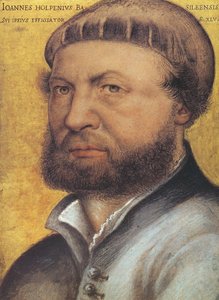
ハンス・ホルバイン
1497 - 1543 , イタリア
プロフィール概要
- フルネーム: ハンス・ホルバイン ザンガー
- 主な作品:
- アンバサダーズ
- ヘンリー8世の肖像
- エラスムスの肖像
- ニコラウス クラッツァーの肖像
- 出生地: アウグスブルク(ドイツ)
- 国籍: ドイツ・スイス
- 影響を与えた芸術家: ['後世の肖像画家']
- 影響を受けた芸術家: ['アルブレヒト・デューラー']
- 死亡年月日: 1543年
- 生年月日: 1497年頃
- 芸術運動: 北方ルネサンス

