

 プレビュー
プレビュー
 シェアする
シェアする シェアする
シェアする
 詳細を見る
詳細を見る

 ダウンロード
 似ている作品
 X線調査
X線調査 スライドショー
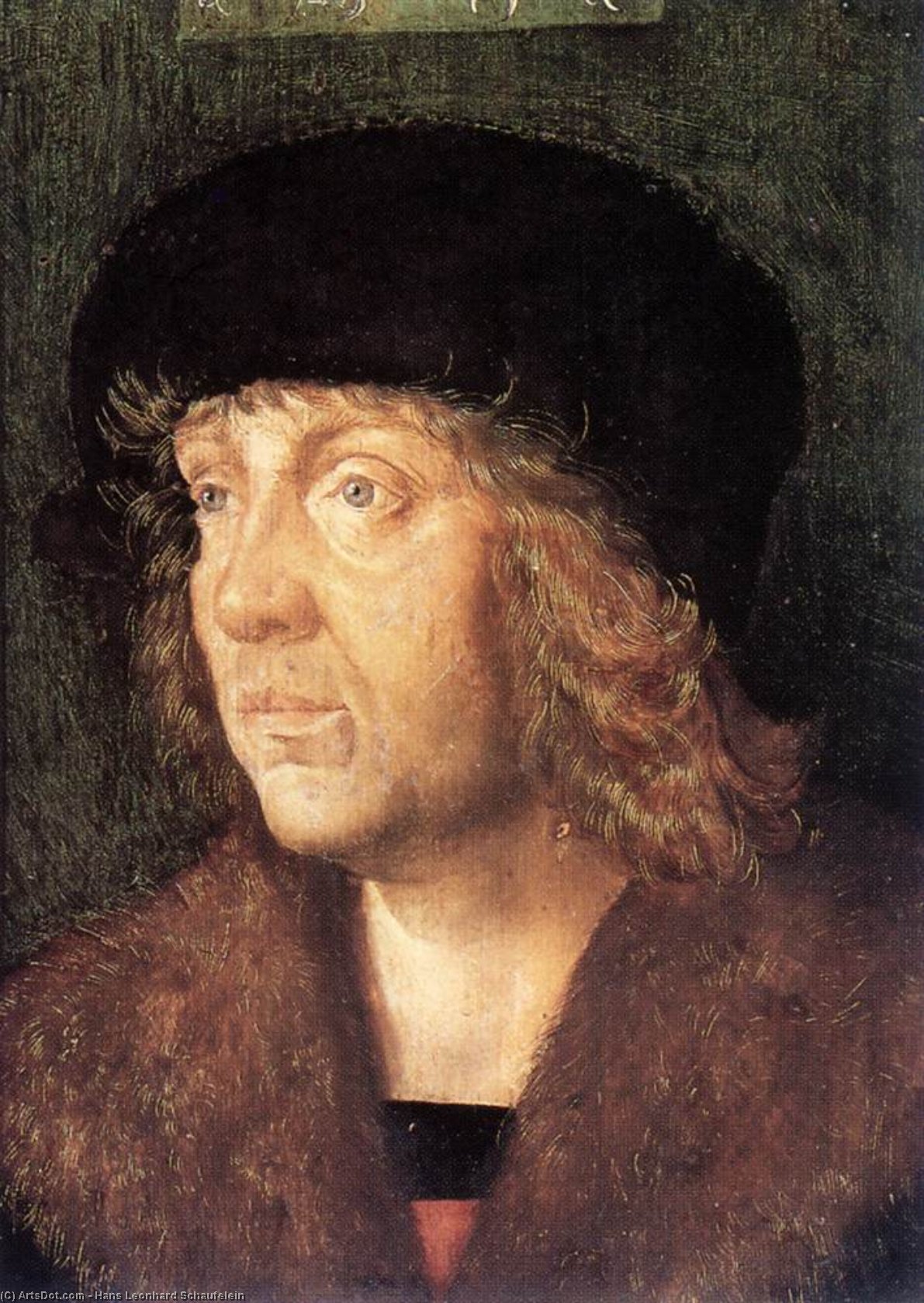
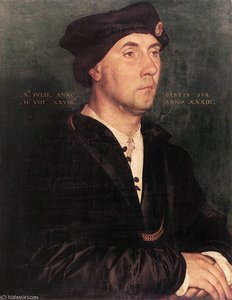
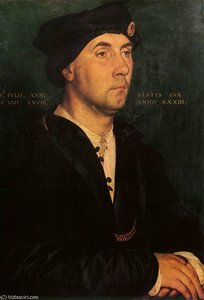
Portrait of a Man


 詳細を見る
詳細を見る
ジークレー/アートプリント
迅速な制作と多彩な仕上げオプションを備えた、ミュージアムクオリティのジークレーまたはキャンバスプリント。 ( 手描きの絵画を購入 画像を購入)




P118B $10

P118H $10

P118W $10

P438Z $10

P508JH $12

P508YH $12

P805H $10

P805Z $10

P919BZ $10

P919G $10

P919XJ $10

P959ZH $10

P968JZ $12

W106C $8

W218G $10

W218JH $8

W218Y $10

W307PJ $10

W316G $10

W316PJ $8

W316Y $10

W398PJ $8

W4111J $10

W500HY $15

W500JH $15

W692G $12

W849H $8

W940BG $15

W953PJ $8




作品のオリジナル比率に合わせた、当店の規定サイズからお選びください。

特定のフレームやスペースに合わせて、ご自身でサイズを指定することも可能です。選択されたサイズが元の画像の比率と一致しない場合、作品をトリミングするか、鏡面反射または単色での塗りつぶしによって画像を拡張いたします。制作を開始する前に、ご確認用のデジタルモックアップをお送りいたします。
画面上のプレビューには、実際のトリミングや拡張は反映されませんのでご注意ください。最終的な構図を正確に確認できるのは、モックアップのみとなります。
カスタムサイズも承っておりますが、元の比率を維持するためには、あらかじめ用意されたリストからサイズを選択することをお勧めいたします。


 ガラスオプションは、110cm未満のサイズでのみご利用いただけます。

Portrait of a Man
ジークレー/アートプリント
複製画のサイズ
-


合計金額
$ 62
作品詳細説明
Portrait of a Man by Hans Leonhard Schäufelein
Hans Leonhard Schäufelein’s “Portrait of a Man,” painted in 1505, stands as a testament to the burgeoning artistic spirit of Nuremberg during the High Renaissance. More than just a likeness, it embodies the humanist ideals prevalent at the time—a celebration of intellect and dignity rendered with remarkable precision and emotional depth by one of Germany’s foremost painters.The Artist's Context: Nuremberg's Artistic Crucible
Schäufelein emerged from a vibrant artistic environment dominated by figures like Matthias Grünewald and Johann Wohlgemut, artists who championed expressive realism—a stylistic departure from the prevailing Gothic traditions. Nuremberg itself was rapidly transforming into a center of commerce and innovation, attracting skilled artisans and fostering an atmosphere conducive to artistic experimentation. Schäufelein’s formative years were profoundly shaped by his association with Albrecht Dürer, whose unwavering commitment to meticulous detail and compositional balance instilled in Schäufelein a similar aesthetic sensibility. This influence is evident throughout Schäufelein's oeuvre, particularly in the careful rendering of textures and surfaces—a hallmark of Nuremberg painting.A Study in Renaissance Portraiture: Technique and Style
Executed in oil on canvas, “Portrait of a Man” exemplifies the stylistic conventions of Renaissance portraiture. Schäufelein skillfully employed chiaroscuro – dramatic contrasts between light and shadow – to sculpt the figure’s face and torso, creating an illusion of three-dimensionality that transcends mere representation. The artist meticulously observed anatomical proportions, capturing subtle nuances of musculature and bone structure with astonishing accuracy. Furthermore, Schäufelein's masterful use of color contributes significantly to the painting's emotive impact; muted hues dominate the palette, conveying a sense of solemn contemplation and understated elegance.Symbolism Within Form: Clothing and Accessories
The portrait’s symbolism extends beyond its physical appearance. The man wears a dark velvet robe adorned with fur trim—a deliberate gesture indicative of wealth and status during the Renaissance. His black hat, embellished with a feather plume, symbolizes nobility and authority—a visual shorthand for conveying social standing. These details underscore Schäufelein's intention to portray not merely an individual but also his role within the broader societal hierarchy. The gaze of the subject is direct yet introspective, inviting viewers to contemplate themes of contemplation and inner reflection – core tenets of humanist philosophy.A Legacy Enduring Through Time: Preservation and Influence
Currently housed at the Galleria Borghese in Rome, “Portrait of a Man” continues to captivate audiences with its timeless beauty and artistic merit. Its influence can be discerned in subsequent portraits produced by artists across Europe, cementing Schäufelein’s position as a pivotal figure in German Renaissance art history. The painting serves as an enduring reminder of the period's fascination with human dignity and intellectual pursuit—a masterpiece that transcends stylistic conventions to resonate powerfully with viewers centuries later.関連作品
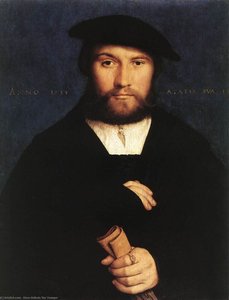
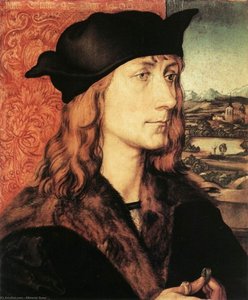
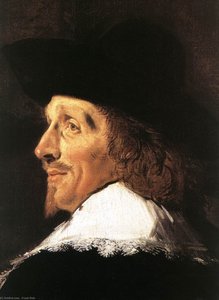
アーティストの略歴
The Nuremberg Crucible: A Convergence of Masters
In the vibrant, bustling heart of Nuremberg, a city poised at the intersection of commerce and culture, Hans Leonhard Schäufelein emerged as a defining voice of the German Renaissance. Born around 1480, his early years were steeped in an atmosphere of unparalleled artistic excellence. He was a child of a milieu shaped by the expressive intensity of Matthias Grünewald and the meticulous craftsmanship of Johann Wohlgemut.
Yet, perhaps no figure loomed larger over his formative development than Albrecht Dürer. As an assistant to Dürer, Schäufelein did more than merely learn a trade; he absorbed a revolutionary approach to precision and compositional balance that would become the hallmark of his mature style. This period of apprenticeship allowed him to bridge the gap between the lingering Gothic traditions and the burgeoning humanist ideals of the High Renaissance, creating a unique aesthetic that married Flemish delicacy with Northern German strength.
A Symphony of Light and Devotion
Schäufelein’s brushwork tells a story of profound spiritual depth and technical mastery. His religious compositions, such as the celebrated altarpiece for Ober Sankt Veit or his poignant depictions of The Birth of Christ and The Circumcision of Christ, reveal an artist capable of capturing the divine through the lens of human emotion. Through the skillful application of chiaroscuro, he sculpted figures out of shadow, lending a breathtaking three-dimensionality to his subjects.
In works like his Portrait of a Man, one can observe how he utilized muted palettes and subtle shading to convey dignity and intellect, reflecting the humanist spirit of his age. His ability to render textures—the softness of skin, the weight of fabric, the coldness of stone—demontains a level of observation that placed him among the elite painters of his era. Whether painting on wood or canvas, his focus remained on the interplay of light and the quiet gravity of his subjects.
The Precision of the Woodcut and the Imperial Vision
Beyond the confines of the easel, Schäufelein proved himself a formidable master of the graphic arts. His talent for wood engraving allowed him to reach audiences far beyond the altarpieces of local churches. Working on major print commissions for Emperor Maximilian I, he contributed to the visual splendor of works like the Weisskunig and the Theuerdank.
His skill in this medium is perhaps most vividly seen in the Tiegeraltar for St. George’s Church in Nordlingen, where his ability to weave dramatic narratives through stark, powerful lines remains a testament to his vision. Whether designing intricate playing cards or executing complex woodcuts, Schäuflein possessed an innate ability to translate grand historical and mythological themes into striking, accessible imagery that resonated across the Holy Roman Empire.
A Legacy of Grace and Detail
The journey of Hans Leonhard Schäufelein represents a vital chapter in the history of European art, marking the moment when Nuremberg's craftsmanship met the intellectual rigor of the Renaissance. His legacy is defined by:
- Artistic Synthesis: The seamless blending of Flemish precision with German expressive power.
- Technical Innovation: The advancement of woodcut techniques for both imperial propaganda and religious instruction.
- Humanist Expression: A focus on the dignity of the individual through masterful portraiture and emotive religious scenes.
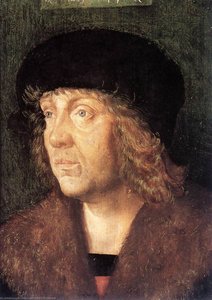
Hans Leonhard Schäufelein
1480 - 1540 , Germany
基本情報
- Artistic Movement Or Style: Flemish Primitive
- Artists Or Movements Influenced By This Artist: ['Albrecht Dürer']
- Artists Who Influenced This Artist: ['Joachim Wohlgemut']
- Date Of Birth: Nuremberg, Germany (1480)
- Date Of Death: 1540
- Full Name: Hans Leonhard Schäufelein
- Nationality: German
- Notable Artworks:
- Scenes from the Life of Christ
- St. Jerome
- Ziegler Altar
- Judith
- Psalter for Ottingen
- Playing Card Deck
- Place Of Birth: Nuremberg
関連記事

The Enduring Legacy of Oil on Canvas: Technique, History & Aesthetic Impact
Explore the rich history & techniques of oil painting – from Renaissance masters to Impressionism. Discover pigments, layering methods, and why this timeless medium endures. Expert insights for artists & art enthusiasts.

Oil on Canvas: A Historical & Technical Exploration of a Timeless Artistic Medium
Explore the rich history & enduring techniques of oil painting on canvas. Discover the science behind its longevity, conservation practices, and contemporary relevance. Expert insights for art enthusiasts.

The Enduring Power of Painting: A Historical & Contemporary Exploration of Form and Emotion
Explore the rich history & enduring techniques of oil painting with ArtsDot. Discover masterpieces, learn about art collecting, and find authentic handmade reproductions crafted by skilled artists.

油彩のキャンバス:技法、歴史、そして現代の実践 - 古典美術愛好家へ
油彩の技法、歴史、巨匠たちの秘密を徹底解説。古典美術愛好家向けに、初期フランドル絵画から現代の実践まで深く掘り下げます。ArtsDotで高品質な複製画やカスタムオーダーも承ります。
German Expressionism's 10 Defining Masterpieces | Art for Your Home
Explore 10 defining German Expressionism masterpieces – from Munch's 'The Scream' to Kandinsky’s abstracts. Discover the artists, stories & bold colors behind this powerful art movement. Find museum-quality reproductions at ArtsDot.com.

