

 プレビュー
プレビュー
 プリントを購入
 シェアする
シェアする シェアする
シェアする
 詳細を見る
詳細を見る

 ダウンロード
 似ている作品
 X線調査
X線調査 スライドショー
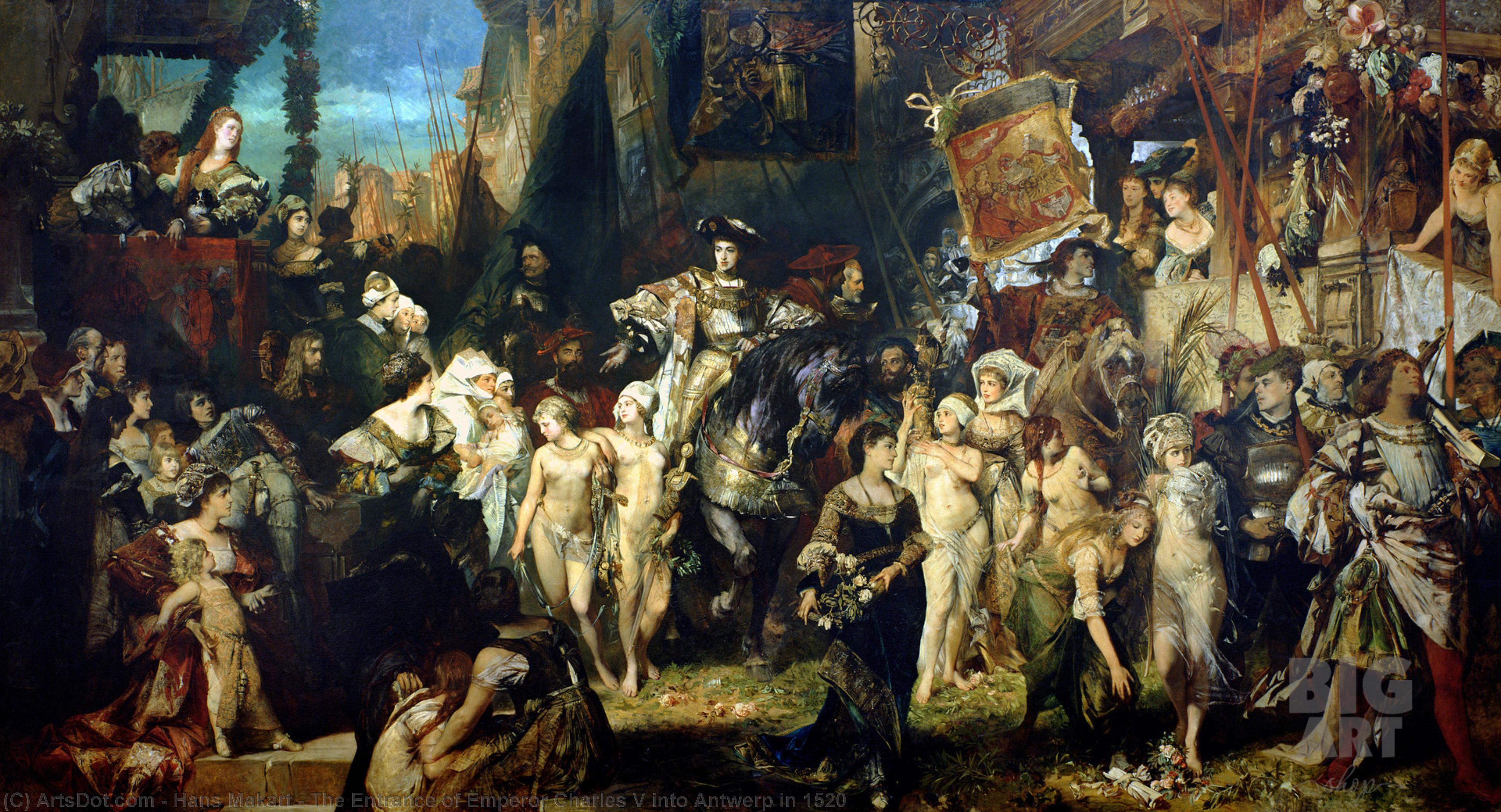
The Entrance of Emperor Charles V into Antwerp in 1520
 Oil On Canvas
- WallArt
- Academic Art
 1878
1878- 19th Century
 520.0 x 952.0 cm
 ハンブルク美術館
 詳細を見る
詳細を見る




P118B $10

P118H $10

P118W $10

P438Z $10

P508JH $12

P508YH $12

P805H $10

P805Z $10

P919BZ $10

P919G $10

P919XJ $10

P959ZH $10

P968JZ $12

W106C $8

W218G $10

W218JH $8

W218Y $10

W307PJ $10

W316G $10

W316PJ $8

W316Y $10

W398PJ $8

W4111J $10

W500HY $15

W500JH $15

W692G $12

W849H $8

W940BG $15

W953PJ $8




作品のオリジナル比率に合わせた、当店の規定サイズからお選びください。

特定のフレームやスペースに合わせて、ご希望のサイズをご入力いただけます。選択されたサイズが元の画像の比率と異なる場合、アートワークをトリミングするか、手描きで要素を追加して絵画を拡張いたします。デジタルモックアップ を制作し、制作開始前にご確認(承認)をいただきます。
画面上のプレビューは、実際のトリミングや拡張を正確に反映しているものではありません。最終的な構図は、モックアップによってのみ正確にご確認いただけます。
カスタムサイズもご利用いただけますが、元の比率を維持するためには、あらかじめ用意されたリストからサイズを選択することをお勧めいたします。
ご注文後、ArtsDot.com チームより詳細な指示をお送りするとともに、仕上がりイメージ(モックアップ)をご提供いたします。


 ガラスオプションは、110cm未満のサイズでのみご利用いただけます。

The Entrance of Emperor Charles V into Antwerp in 1520
複製技法
複製画のサイズ
-


合計金額
$ 263
A Grand Spectacle of Imperial Splendor
In the vast, sweeping expanse of Hans Makart’s 1878 masterpiece, The Entrance of Emperor Charles V into Antwerp in 1520, the viewer is not merely observing a historical event but is being swept into a theatrical whirlwind of Habsburg glory. This monumental oil on canvas serves as a breathtaking window into a pivotal moment of European history, capturing the triumphant arrival of one of the most powerful monarchs to ever grace the continent. Makart, a titan of the late Romantic era and the architect of the opulent Makartstil, does not settle for a dry, academic recording of facts. Instead, he orchestrates a visual symphony where every brushstroke contributes to an atmosphere of overwhelming majesty and profound historical weight.
The composition is a dense, vibrant tapestry of humanity and movement. As the Emperor’s entourage makes its way through the streets of Antwerp, the canvas teems with life; noblemen in heavy silks, commoners peering through the crowds, and figures draped in the rich textures of a bygone era all converge to create a sense of breathless anticipation. A horse, poised on the left, adds a touch of organic vitality to the structured grandeur, while the sheer scale of the work—stretching over nine meters in width—forces the eye to wander through a labyrinth of historical detail and emotional depth.
The Alchemy of Makartstil: Color and Technique
To understand this painting is to understand the sensory revolution known as Makartstil. Moving beyond the rigid constraints of traditional Academic Art, Makart utilized color as a primary narrative tool. The palette is dominated by a regal triad of crimson, gold, and deep azure, colors that evoke the very essence of imperial authority and divine right. These hues are not merely decorative; they pulse with a life of their and serve to guide the viewer's gaze through the complex layers of the crowd, highlighting the shimmering embroidery of costumes and the sun-drenched architectural flourishes of Antwerp.
The technique employed here is nothing short of masterful. Makart’s ability to manipulate light creates a dramatic chiaroscuro effect that lends a sculptural quality to the figures. One can almost feel the weight of the velvet robes and the cold touch of the ceremonial armor. For the discerning collector or interior designer, this painting offers an unparalleled opportunity to introduce a sense of historical gravity and luxurious texture into a space. The interplay of light and shadow provides a dynamic energy that remains captivating regardless of the lighting conditions in which the piece is displayed.
A Legacy of Power and Artistic Vision
Beyond its aesthetic brilliance, the painting functions as a profound cultural document. It captures Antwerp at a moment of transformation—a city standing at the crossroads of religious upheaval and economic prosperity. Through his meticulous research into historical costumes and architectural precision, Makart imbues the scene with an authenticity that honors the spirit of 1520 while elevating it to the level of myth. He crafts a vision of the Habsburg Empire that is both a celebration of political stability and a romanticized dream of a golden age.
For those seeking to adorn a grand hall, a library, or a sophisticated contemporary suite, a high-quality reproduction of this work offers more than just decoration; it offers an invitation to dialogue with history. It is a piece that commands attention, sparking conversation about the nature of power, the beauty of craftsmanship, and the enduring allure of the monumental. To possess such a work is to hold a fragment of the late 19th-century Viennese aesthetic—a period defined by its unapologetic embrace of opulence, drama, and the sublime.
関連作品
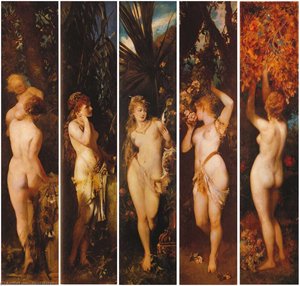
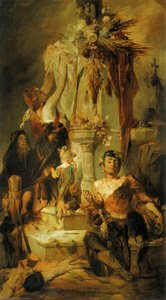
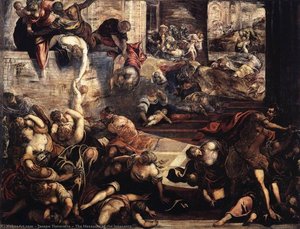
アーティストの略歴
ハンス・マカルト:絢爛豪華な生涯とその影響力
- 生年: 1840年5月28日、オーストリア、ザルツブルク
- 没年: 1884年10月3日、オーストリア、ウィーン
国籍: オーストリア- 芸術運動: アカデミズム、マカルト様式(マカルトスティール)
幼少期と修練の道
- ハンス・マカルトの芸術的な旅路は、ハプスブルク宮廷との繋がりを持つ家系に生まれたザルツブルクから始まりました。当初はその才能を期待され、1850年から1851年にかけてウィーン・アカデミーに入学しましたが、素描技術における苦闘が原因で、一度はアカデミーを去ることとなります。
- しかし、自身の色彩への情熱を見出したマカルトは、1861年から186十分間、ミュンヘンにてカール・テオドール・フォン・ピロッティに師事しました。この時期は、彼の芸術的スタイルを形成し、鮮やかな色彩を用いた彼独自の表現技法を確立する上で極めて重要な転換点となりました。
- その後、ロンドン、パリ、そしてローマへと足を延ばした旅は、ヨーロッパの様々な芸術運動や技法への視野を広げ、彼の芸術的観点をより豊かなものへと昇華させていきました。
芸術的様式と主要な傑作
- マカルト様式(マカルトスティール): 「マカルト様式」として知られる彼の代名詞的なスタイルは、豪華絢爛な装飾、鮮烈な色彩、そして演劇的な華やかさを特徴としています。この美学は、オーストリア=ハンガリー帝国のみならず、広く周辺地域の視覚芸術に多大な影響を与えました。
- 初期の評価: 『囚われのラヴォアジエ』などの初期作品では、芽生えつつあった色彩感覚が示され、『騎士と水の精』においては、彼の装飾的な才能が遺憾なく発揮されました。
- 名声への飛躍: 『現代のアモレッティ』や『フィレンツェのペスト』といった作品は、第一級の画家としての地位を不動のものにしました。さらに、オーストリア皇帝がウィーン美術館のために『ロミオとジュリエット』を買い取ったことは、彼の社会的地位を決定的なものとしました。
- 代表作:
- 1520年、神聖ローマ皇帝カール5世のアントワープ入城
- 現代のアモレッティ
- フィレンツェのペスト
- ロミオとジュリエット
影響、遺産、そして「マカルト・パレード」
- 芸術的源泉: マカルトは、カール・テオドール・フォン・ピロッティや、象徴主義、アール・ヌーヴォーといったヨーロッパの芸術運動、さらにはピーテル・パウル・ルーベンスのような巨匠たちから多大なインスピレーションを受けました。
- 社交界の寵児: ウィーンにある彼の豪華なアトリエは、王族、政治家、芸術家、文人が集う重要な社交の拠点となりました。
- マカルト・パレード: 彼のキャリアにおける決定的な瞬間は、1879年に行われた皇帝フランツ・ヨーゼフ1世と皇后エリザベート(シシィ)の銀婚式を祝う祭典のデザインを手がえたことでした。「マカルト・パレード」として知られるこの精緻なスペクタクルは、衣装や舞台装置における彼の卓越した才能を披露し、大衆を熱狂させました。
- ウィーン・アカデミー教授就任: 1879年、マカルトはウィーン・アカデミーの教授に任命され、芸術界のエスタブリッシュメントにおける地位を確固たるものにしました。
- クリムトへの影響: 彼の存在は、後にウィーン分離派やアール・ヌーヴォーの旗手となるグスタフ・クリムトに対しても、深い影響を及ぼしました。
晩年と歴史的意義
- 1884年、44歳という若さで迎えたマカルトの不慮の死は、一つの時代の終焉を意味していました。彼が収集した膨大なアンティークや美術品のコレクションは競売にかけられ、その遺産は様々なコレクションへと分散していきました。
- 歴史的評価: 歴史的な正確性をめぐって一部のアカデミズムから批判を受けたものの、ウィーンの文化や芸術的潮流におけるマカルトの影響力は否定しようのないものです。彼は、絢爛豪華な壮大さと美学的革新が共存した時代を象徴する存在でした。
- 不朽の魅力: 鮮やかな色彩、装飾的な豊かさ、そして彼が生み出した独特の空気感は、今なお高く評価されており、19世紀オーストリア美術における重要な人物としての地位を揺るぎないものにしています。
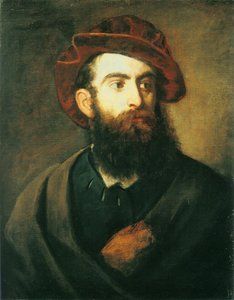
ハンス・マカールト
1840 - 1884 , オーストリア
基本情報
- Artistic Movement Or Style: アカデミックな歴史画
- Artists Or Movements Influenced By This Artist:
- グスタフ・クリムト
- アール・ヌーヴォー
- Artists Who Influenced This Artist:
- カール・テオドール・フォン・ピロッティ
- ヨハン・フィッシュバッハ
- Date Of Birth: 1840年5月28日
- Date Of Death: 1884年10月3日
- Full Name: ハンス・マルカート
- Nationality: オーストリア
- Notable Artworks:
- 牢獄のラヴォアジエ
- 現代のアモレッティ
- フィレンツェのペスト
- ロミオとジュリエット
- Place Of Birth: オーストリア、ザルツブルク
関連記事
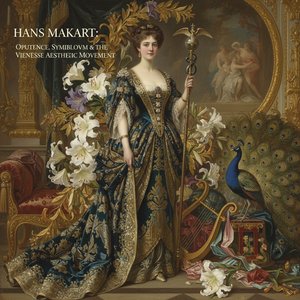
Hans Makart: Opulence, Symbolism & the Viennese Aesthetic Movement
Explore the opulent world of Hans Makart, a pivotal figure in Austrian art history. Discover his influence on Klimt & the Vienna Secession, signature style, and investment potential. Expert insights for collectors.
Academic Realism's Finest: 10 Masterpieces for Art Lovers & Home Decor
Explore 10 defining Academic Realism masterpieces by Bouguereau, Gérôme & Cabanel. Discover the stories behind these iconic paintings and bring timeless art into your home with museum-quality reproductions from ArtsDot.com. Explore the full collection online!
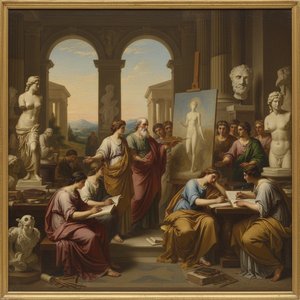
Academic Art: Tradition, Technique & the Pursuit of Ideal Form in the 19th Century
Explore the world of Academic Art! Discover its history, key artists like Ingres & Bouguereau, defining techniques, and lasting influence on 19th-century painting. Learn about the Salon system and its legacy.
Academic Art: Tradition, Technique & the Rise of Modernism
Explore the rich history of Academic Art – its techniques, key masters like Bouguereau & Ingres, and influence on 19th-century painting. Discover this enduring tradition.
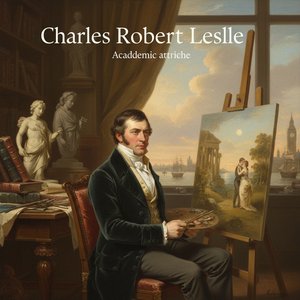
Charles Robert Leslie: Navigating Romantic Ideals & Academic Tradition
Explore the life & art of Charles Robert Leslie, a key figure bridging Romantic ideals with Victorian academic tradition. Discover his captivating portraits, literary scenes, and enduring legacy as Constable’s biographer.

