

 プレビュー
プレビュー
 プリントを購入
 シェアする
シェアする シェアする
シェアする
 詳細を見る
詳細を見る

 ダウンロード
 似ている作品
 X線調査
X線調査 スライドショー
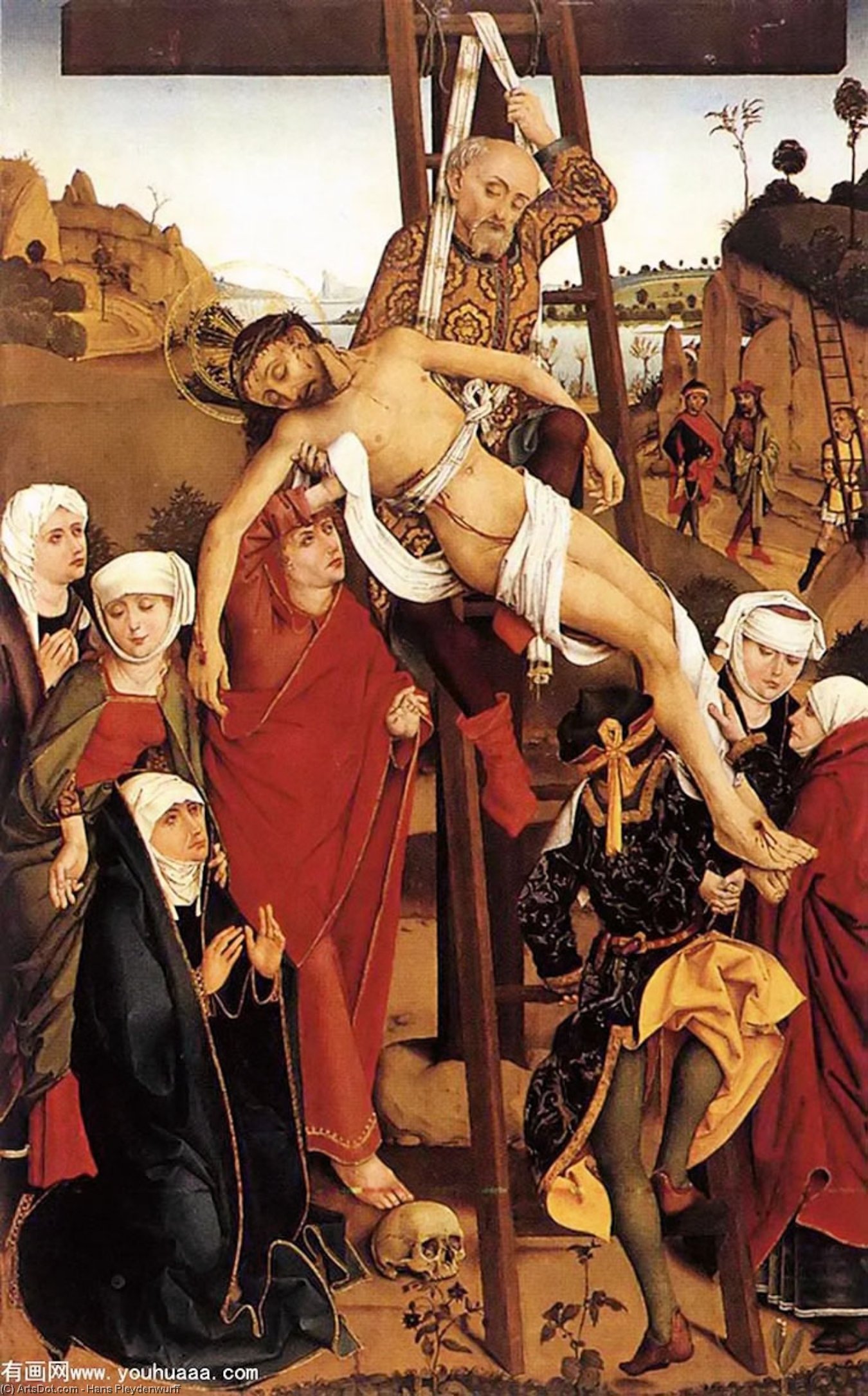
Crucifixion of the Hof Altarpiece
 Oil On Panel
- Early Netherlandish Renaissance
 1465
1465- Renaissance
 177.0 x 112.0 cm
 アルテ・ピナコテーク
 詳細を見る
詳細を見る
オンラインプレビューをはるかに凌ぐ、高解像度で鮮明なデジタル画像をご購入いただけます。
各ファイルは、社内の専門家が高度なツールと熟練した手作業によるレタッチを用いて、細心の注意を払って準備されています。すべての画像において、卓越した鮮明度、正確な色彩再現性、そして繊細なディテールを保証いたします。
最終ファイルは、プロフェッショナルな編集・印刷環境ですぐにご利用いただけるよう最適化された状態で、72時間以内にメールにてお届けいたします。これは、一流のデザインスタジオ、出版社、ギャラリーから信頼されているものと同等の品質です。
デジタル画像のご注文に付随する特典
高品質なデジタル画像配信を、確かな品質で。
ArtsDot.com を選ぶことは、単に画像を手に入れることではありません。それは、プロの手によって精密に仕上げられ、満足保証が付いた高品質なデジタルアートワークを受け取ることを意味します。ご注文いただいた際に自動的に付随する内容は、以下の通りです:

メールですぐにお届け
ご注文から72時間以内に、高解像度のデジタル画像ファイルがメールでお手元に届きます。すぐにそのままご利用いただけます。

AI技術で最適化されたデジタルファイル
お客様の作品は、高度なAIツールと専門家による手作業の編集を組み合わせてプロフェッショナルに最適化されており、細部のディテール、鮮明さ、そして正確な色再現性を最大限に引き出しています。

一生涯無料の再送サービス
ファイルを誤って削除したり、紛失してしまったりしましたか?ご安心ください。いつでも無料で再送いたします。

輸入手数料は一切かかりません
関税や手数料、配送料を気にすることなく、お気に入りのアートワークをすぐにお楽しみいただけます。デジタルダウンロードは常に免税です。

色彩再現の保証
プロ仕様のツールとカラーマネジメント技術を用いることで、デジタル画像が元の色を最大限に忠実に再現することを保証いたします。

60日間満足保証
ご購入いただいたデジタル画像にご満足いただけない場合は、60日以内であれば、修正または100%の返金(理由を問う必要はありません)をさせていただきます。

100% 返金保証
ご満足いただけない場合は、デジタルファイルを受け取ってから60日以内であれば、理由を問わず全額返金いたします。

まとめ買い割引
3枚購入で10%OFF - 5枚購入で15%OFF - 10枚以上購入で20%OFF。クリエイティブなプロジェクト、ギャラリー、エージェンシーに最適です。
The Profound Grief of Divine Descent
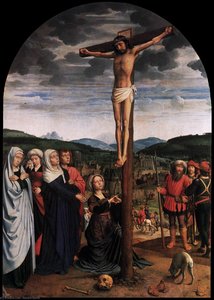
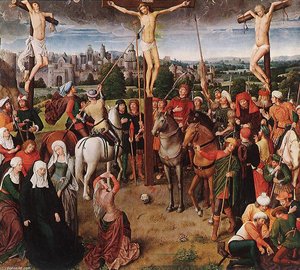
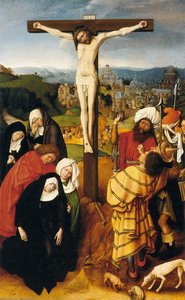
Before you unfolds a scene steeped in profound piety and human sorrow: the Crucifixion of the Hof Altarpiece. This masterful work transports the viewer directly into the aftermath of ultimate sacrifice, capturing not just an event, but the very essence of communal grief. The composition is immediately arresting, drawing the eye to the central, monumental figure of Christ, whose descent from the cross forms the emotional anchor of the entire narrative. It speaks volumes about the period's deep spiritual currents, presenting a moment of transition—from agonizing death to sacred repose. The sheer density of figures, each rendered with painstaking attention, creates a palpable sense of weight and solemnity that permeates the air around this devotional tableau.
Mastery in Early Netherlandish Technique
Examining the technique reveals the extraordinary skill of its creator, Hans Pleydenwurff. The painting, executed in oil on panel, showcases the hallmark meticulousness characteristic of the Early Netherlandish Renaissance. Observe how the light seems to emanate from an unseen source, dramatically sculpting the forms and highlighting the rich textures—the heavy folds of drapery, the smoothness of skin, the intricate details of hair and jewelry. Pleydenwurff employs a sophisticated understanding of perspective, using receding architectural elements and distant, stylized landscapes to give the scene depth, even as the immediate drama pulls us into its shallow, intimate space. The interplay between organic human forms and the more rigid geometry of the scaffolding speaks to a brilliant synthesis of naturalism and structure.
Symbolism Woven in Earth Tones
The color palette itself is deeply evocative, dominated by warm earth tones—ochres, deep reds, and rich browns—which ground the spiritual drama in tangible reality. These are beautifully contrasted by cooler blues and greens found in the background foliage and garments, suggesting both the earthly realm and divine mystery. Symbolically, every figure plays a vital role; the presence of Mary Magdalene and John the Apostle anchors the narrative in recognizable devotion. The entire scene is a meditation on loss, piety, and the enduring nature of faith, inviting contemplation upon the human capacity for sorrow alongside the promise of redemption.
A Timeless Piece for Contemplative Spaces
To bring this piece into your home or gallery is to invite centuries of artistic devotion into your modern life. The Crucifixion of the Hof Altarpiece, dating from 1465, offers an unparalleled opportunity to own a reproduction that captures the sublime detail and emotional resonance of Northern Renaissance masters. Its dramatic narrative power makes it a breathtaking focal point for any space dedicated to reflection or artistic appreciation. It is more than mere decoration; it is a visual sermon, rich with history, technique, and enduring human emotion.
関連作品
![The Passion [detail] — ハンス・ホルバイン, Northern Renaissance](/media/artworks/images-thumb/81/74/817439a508b8b87f2a9553f94994456b.jpg)
作家の略歴
Hans Pleydenwurff (1420 – 9 January 1472): A Flemish Echo in Nuremberg’s Renaissance
Hans Pleydenwurff, born around 1420 in Bamberg, Germany, stands as a fascinating testament to the artistic dynamism of the early fifteenth century. While rooted in Germanic traditions, his oeuvre reveals a profound engagement with Northern European stylistic innovations—particularly those emanating from Flanders—marking him as a pivotal figure in shaping Nuremberg’s burgeoning Renaissance aesthetic. His father, Kunz Pleydenwurff, was already a respected painter and part-time mayor, establishing a lineage of artistic excellence that would continue through his son's prolific career.- Early Life & Training: Precise biographical details remain elusive, yet evidence suggests Pleydenwurff received training in Bamberg’s workshop tradition, absorbing the stylistic conventions prevalent at the time. His father’s influence undoubtedly instilled a foundational understanding of Germanic artistic sensibilities.
- Move to Nuremberg (1457): Around 1457, Pleydenwurff relocated to Nuremberg, where he established himself as a leading artist and teacher. This move coincided with a surge in urban prosperity and cultural ambition—conditions ideal for fostering artistic experimentation.
A Distinctive Style: Realism Infused with Flemish Influence
Pleydenwurff’s distinctive style emerged from a synthesis of Germanic realism and Northern Renaissance techniques. Unlike many contemporary artists who adhered to stylized representations, Pleydenwurff championed meticulous observation and anatomical accuracy—a hallmark of Flemish painters like Rogier van der Weyden and Jan van Eyck. This commitment to detail is vividly exemplified in his monumental altarpiece paintings, notably the Hof Crucifixion (1465), where he painstakingly rendered human musculature and drapery with unprecedented realism. The dramatic use of light—a technique borrowed directly from Flemish masters—further enhances the emotional impact of these works.- The Hof Crucifixion: This masterpiece showcases Pleydenwurff’s mastery of chiaroscuro, creating a palpable sense of depth and conveying profound spiritual contemplation.
- Collaboration with Wolgemut: He collaborated closely with Michael Wolgemut on the woodcuts for Hartmann Schedel's Nuremberg Chronicle (1468-1472), demonstrating his versatility as an artist and furthering the dissemination of humanist ideals throughout Germany.
Legacy & Influence
Pleydenwurff’s artistic legacy extends beyond his individual creations. He served as a teacher to Michael Wolgemut, shaping the stylistic development of Nuremberg’s artistic elite and fostering a tradition of realism that would endure for generations. His son Wilhelm Pleydenwurff continued this lineage, collaborating with Wolgemut on significant projects—a testament to the enduring influence of his father's vision. Furthermore, Pleydenwurff’s meticulous approach to painting established precedents for subsequent artists striving to capture the nuances of human emotion and anatomical precision—solidifying his place as a cornerstone of Renaissance art history.Notable Works
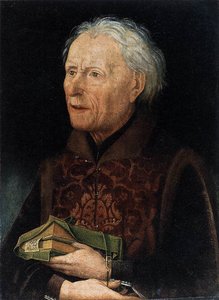
Among Pleydenwurff’s celebrated achievements are:- Portrait of Count Georg von Löwenstein
- Crucifixion of the Hof Altarpiece
hans pleydenwurff
1420 - 1472 , Germany
プロフィール概要
- Artistic Movement Or Style: Early Netherlandish Painting
- Artists Or Movements Influenced By This Artist: ['Hans Holbein the Younger']
- Artists Who Influenced This Artist: ['Michael Wolgemut']
- Date Of Birth: c. 1420
- Date Of Death: 9 January 1472
- Full Name: Hans Pleydenwurff
- Nationality: German
- Notable Artworks:
- Portrait of Count Georg von Löwenstein
- Crucifixion of the Hof Altarpiece
- Master of the Starck Triptych
- Place Of Birth: Bamberg, Germany

