

 プレビュー
プレビュー
 プリントを購入
 シェアする
シェアする シェアする
シェアする
 詳細を見る
詳細を見る

 ダウンロード
 似ている作品
 X線調査
X線調査 スライドショー
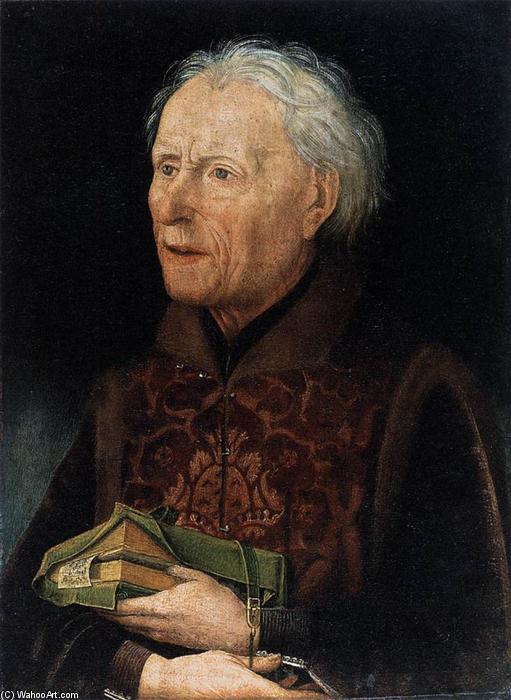
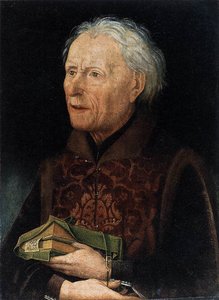
Portrait of Count Georg von Löwenstein
 1457
1457 34.0 x 25.0 cm
 Germanisches Nationalmuseum
 詳細を見る
詳細を見る




































作品のオリジナル比率に合わせた、当店の規定サイズからお選びください。

特定のフレームやスペースに合わせて、ご希望のサイズをご入力いただけます。選択されたサイズが元の画像の比率と異なる場合、アートワークをトリミングするか、手描きで要素を追加して絵画を拡張いたします。デジタルモックアップ を制作し、制作開始前にご確認(承認)をいただきます。
画面上のプレビューは、実際のトリミングや拡張を正確に反映しているものではありません。最終的な構図は、モックアップによってのみ正確にご確認いただけます。
カスタムサイズもご利用いただけますが、元の比率を維持するためには、あらかじめ用意されたリストからサイズを選択することをお勧めいたします。
ご注文後、ArtsDot.com チームより詳細な指示をお送りするとともに、仕上がりイメージ(モックアップ)をご提供いたします。


 ガラスオプションは、110cm未満のサイズでのみご利用いただけます。

Portrait of Count Georg von Löwenstein
複製技法
複製画のサイズ
-


合計金額
$ 263
The Artist and His Style
Hans Pleydenwurff was a prominent figure in the Northern Renaissance movement, known for his innovative style that blended realism with a deep sense of humanity. His works often featured intricate details and a strong emphasis on texture, as seen in the Portrait of Count Georg von Löwenstein. This painting is a testament to Pleydenwurff's ability to capture the essence of his subjects, conveying a sense of wisdom and contemplation. Key Features of the Painting The Portrait of Count Georg von Löwenstein features several notable elements, including:- The subject's attire, which includes a fur-lined garment, indicating his wealth and status
- The book or manuscript held by the count, suggesting his appreciation for knowledge and literature
- The subtle use of light and shadow, which adds depth and dimension to the painting
Other Notable Works by Hans Pleydenwurff
For those interested in exploring more of Hans Pleydenwurff's works, visit the ArtsDot website to discover a range of his paintings, including the Portrait of Count Georg von Löwenstein. Additionally, the Germanisches Nationalmuseum in Nuremberg is home to an impressive collection of artworks from the Northern Renaissance period, featuring pieces by artists such as Albrecht Durer and Lucas Cranach The Elder.To learn more about the art and history of the Northern Renaissance, visit the ArtsDot website or explore the Germanisches Nationalmuseum in person.
関連作品


アーティストの略歴
Hans Pleydenwurff (1420 – 9 January 1472): A Flemish Echo in Nuremberg’s Renaissance
Hans Pleydenwurff, born around 1420 in Bamberg, Germany, stands as a fascinating testament to the artistic dynamism of the early fifteenth century. While rooted in Germanic traditions, his oeuvre reveals a profound engagement with Northern European stylistic innovations—particularly those emanating from Flanders—marking him as a pivotal figure in shaping Nuremberg’s burgeoning Renaissance aesthetic. His father, Kunz Pleydenwurff, was already a respected painter and part-time mayor, establishing a lineage of artistic excellence that would continue through his son's prolific career.- Early Life & Training: Precise biographical details remain elusive, yet evidence suggests Pleydenwurff received training in Bamberg’s workshop tradition, absorbing the stylistic conventions prevalent at the time. His father’s influence undoubtedly instilled a foundational understanding of Germanic artistic sensibilities.
- Move to Nuremberg (1457): Around 1457, Pleydenwurff relocated to Nuremberg, where he established himself as a leading artist and teacher. This move coincided with a surge in urban prosperity and cultural ambition—conditions ideal for fostering artistic experimentation.
A Distinctive Style: Realism Infused with Flemish Influence
Pleydenwurff’s distinctive style emerged from a synthesis of Germanic realism and Northern Renaissance techniques. Unlike many contemporary artists who adhered to stylized representations, Pleydenwurff championed meticulous observation and anatomical accuracy—a hallmark of Flemish painters like Rogier van der Weyden and Jan van Eyck. This commitment to detail is vividly exemplified in his monumental altarpiece paintings, notably the Hof Crucifixion (1465), where he painstakingly rendered human musculature and drapery with unprecedented realism. The dramatic use of light—a technique borrowed directly from Flemish masters—further enhances the emotional impact of these works.- The Hof Crucifixion: This masterpiece showcases Pleydenwurff’s mastery of chiaroscuro, creating a palpable sense of depth and conveying profound spiritual contemplation.
- Collaboration with Wolgemut: He collaborated closely with Michael Wolgemut on the woodcuts for Hartmann Schedel's Nuremberg Chronicle (1468-1472), demonstrating his versatility as an artist and furthering the dissemination of humanist ideals throughout Germany.
Legacy & Influence
Pleydenwurff’s artistic legacy extends beyond his individual creations. He served as a teacher to Michael Wolgemut, shaping the stylistic development of Nuremberg’s artistic elite and fostering a tradition of realism that would endure for generations. His son Wilhelm Pleydenwurff continued this lineage, collaborating with Wolgemut on significant projects—a testament to the enduring influence of his father's vision. Furthermore, Pleydenwurff’s meticulous approach to painting established precedents for subsequent artists striving to capture the nuances of human emotion and anatomical precision—solidifying his place as a cornerstone of Renaissance art history.Notable Works
Among Pleydenwurff’s celebrated achievements are:- Portrait of Count Georg von Löwenstein
- Crucifixion of the Hof Altarpiece
hans pleydenwurff
1420 - 1472 , Germany
基本情報
- Artistic Movement Or Style: Early Netherlandish Painting
- Artists Or Movements Influenced By This Artist: ['Hans Holbein the Younger']
- Artists Who Influenced This Artist: ['Michael Wolgemut']
- Date Of Birth: c. 1420
- Date Of Death: 9 January 1472
- Full Name: Hans Pleydenwurff
- Nationality: German
- Notable Artworks:
- Portrait of Count Georg von Löwenstein
- Crucifixion of the Hof Altarpiece
- Master of the Starck Triptych
- Place Of Birth: Bamberg, Germany

