

 プレビュー
プレビュー
 プリントを購入
 シェアする
シェアする シェアする
シェアする
 詳細を見る
詳細を見る

 ダウンロード
 似ている作品
 X線調査
X線調査 スライドショー
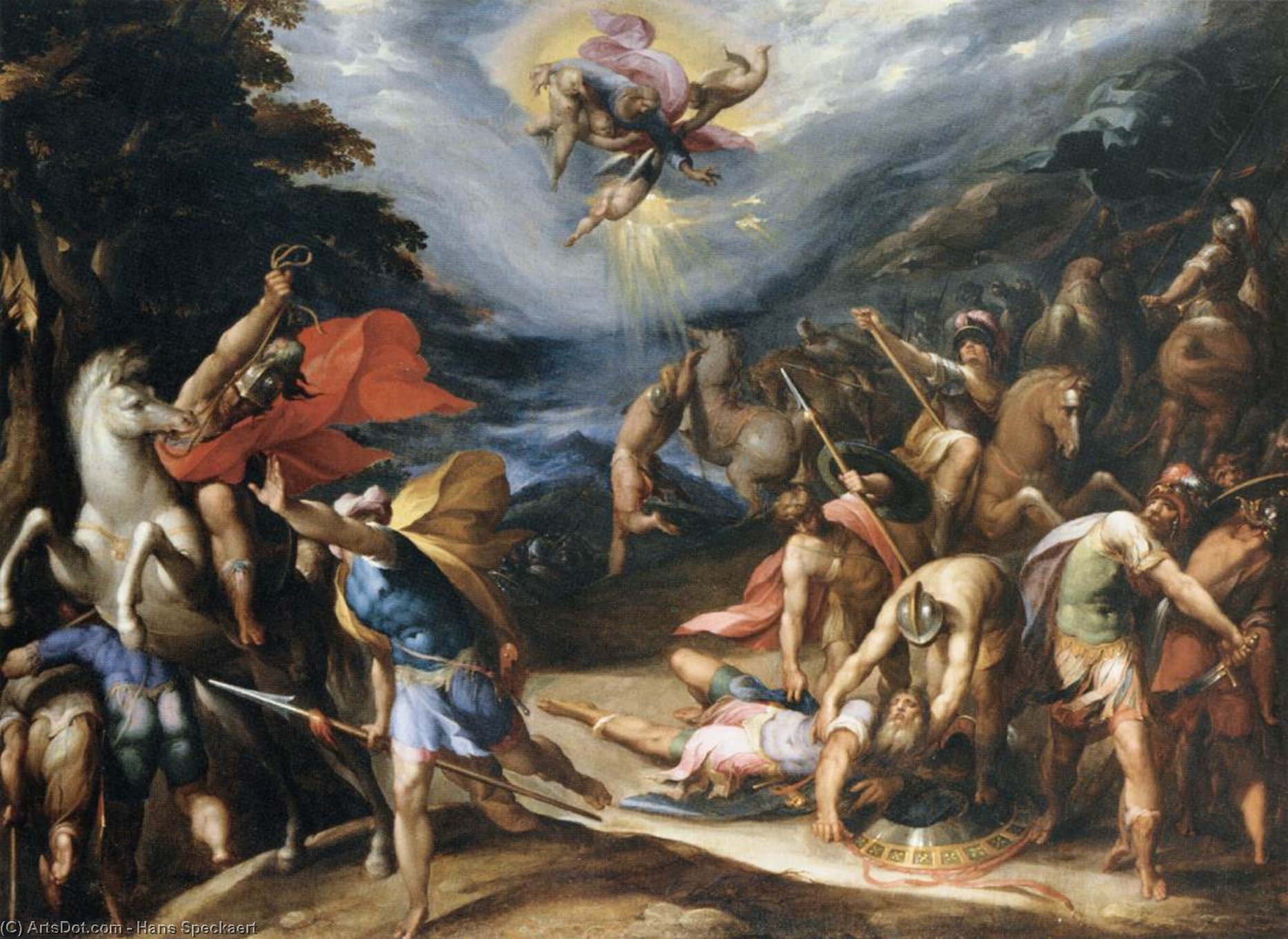
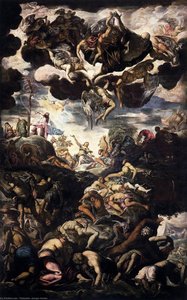
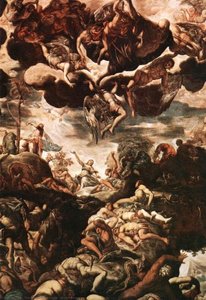
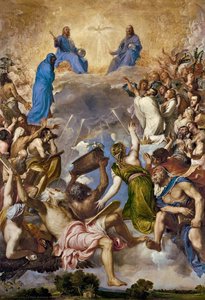
Conversion of St Paul on the Road to Damascus


 詳細を見る
詳細を見る




































作品のオリジナル比率に合わせた、当店の規定サイズからお選びください。

特定のフレームやスペースに合わせて、ご希望のサイズをご入力いただけます。選択されたサイズが元の画像の比率と異なる場合、アートワークをトリミングするか、手描きで要素を追加して絵画を拡張いたします。デジタルモックアップ を制作し、制作開始前にご確認(承認)をいただきます。
画面上のプレビューは、実際のトリミングや拡張を正確に反映しているものではありません。最終的な構図は、モックアップによってのみ正確にご確認いただけます。
カスタムサイズもご利用いただけますが、元の比率を維持するためには、あらかじめ用意されたリストからサイズを選択することをお勧めいたします。
ご注文後、ArtsDot.com チームより詳細な指示をお送りするとともに、仕上がりイメージ(モックアップ)をご提供いたします。


 ガラスオプションは、110cm未満のサイズでのみご利用いただけます。

Conversion of St Paul on the Road to Damascus
複製技法
複製画のサイズ
-


合計金額
$ 313

アーティストの略歴
Hans Speckaert: A Northern Mannerist Bridging Italy and Belgium
Hans Speckaert (c. 1540 – c. 1577) remains a captivating figure in the history of Flemish art, a painter whose career unfolded across continents and whose work embodies the complex currents of the Northern Renaissance. Born in Brussels, Belgium, he navigated the artistic landscape of 16th-century Europe with a distinctive style that blended Italian influences with his native Flemish traditions, ultimately establishing himself as one of the key representatives of the burgeoning Mannerist movement. While details about his early life remain somewhat elusive – largely pieced together from biographical accounts like those by Karel van Mander – it’s clear he received training within the established artistic circles of Brussels, potentially under the tutelage of Pieter de Kempeneer (also known as Pedro Campaña).Early Years and Italian Sojourn
Speckaert's journey took him to Italy around 1566, a pivotal moment that profoundly shaped his artistic development. Italy at this time was the epicenter of Renaissance innovation, and Speckaert immersed himself in the works of masters like Michelangelo, Raphael, and Rosso Fiorentino. This exposure wasn’t merely observational; he actively studied their techniques, particularly their masterful use of anatomy, composition, and dramatic lighting – elements that would become hallmarks of his own style. He joined a group of Northern painters working in Rome, creating a vibrant community where artistic ideas were freely exchanged and debated. The documented dispute with the Brussels Painters’ Guild over work performed in Rome highlights the complexities of navigating professional boundaries within this international environment.Style and Technique: A Synthesis of Influences
Speckaert's art is characterized by a remarkable synthesis of influences. He inherited from his Flemish roots a meticulous attention to detail, a refined draftsmanship, and a deep understanding of color. However, he was deeply impacted by the innovations of Italian Mannerism – evident in his elongated figures, dynamic poses, and often theatrical compositions. His drawings, in particular, demonstrate an extraordinary command of line and a fluid elegance that exerted considerable influence on subsequent generations of Northern artists, including Bartholomeus Spranger and Hans von Aachen. His work frequently employed *chiaroscuro*—the dramatic contrast between light and dark—to heighten emotional impact and create a sense of depth and volume.Notable Works and Subjects
Speckaert’s oeuvre, though relatively small, showcases his versatility across various genres. He excelled in portraits, often depicting them with an aristocratic bearing and subtle psychological insight. His history paintings, such as “Conversion of St Paul on the Road to Damascus” (Louvre), are dramatic narratives filled with movement and emotional intensity. The composition is meticulously rendered, capturing the pivotal moment of divine revelation with a palpable sense of awe and terror. Other significant works include "Moses and the Brazen Serpent" (Museo Nacional de Bellas Artes, Buenos Aires) and “Diana and Actaeon,” demonstrating his ability to convey both narrative complexity and emotional depth. His drawings, including “Jaël and Sisera” (Museum Boijmans Van Beuningen), reveal a remarkable draftsmanship and an interest in exploring the human form with expressive dynamism.Legacy and Historical Significance
Hans Speckaert’s contribution to art history lies not only in his individual achievements but also in his role as a crucial bridge between Flemish and Italian artistic traditions. He absorbed the innovations of the High Renaissance while retaining a distinctly Northern sensibility, creating a unique style that resonated with contemporary audiences. His influence extended beyond his own lifetime, shaping the work of numerous artists who followed in his footsteps. Despite the scarcity of biographical information, Speckaert’s legacy endures through his captivating paintings and drawings—testaments to a talented artist who navigated the complexities of 16th-century Europe with remarkable skill and vision. His art continues to be studied and appreciated for its technical mastery, emotional depth, and enduring beauty.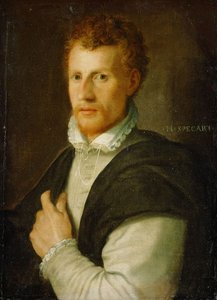
hans speckaert
1540 - 1577 , Belgium
基本情報
- Artistic Movement Or Style: Flemish Primitive, Mannerism
- Artists Or Movements Influenced By This Artist: ['Bartholomeus Spranger']
- Artists Who Influenced This Artist: ['Pieter de Kempeneer']
- Date Of Birth: ca. 1540, Brussels
- Date Of Death: 1577, Rome
- Full Name: Hans Speckaert
- Nationality: Flemish
- Notable Artworks:
- Conversion of St Paul
- Nude Soldiers Fighting
- Woman by Candlelight
- Jaël and Sisera
- Place Of Birth: Brussels, Belgium
関連記事
パウル・クレー傑作25選:色彩と象徴に満ちた芸術の世界 | ArtsDot
パウル・クレーの傑作25選🎨 色彩と象徴に満ちた抽象絵画の世界を旅。ドイツ表現主義からバウハウスまで、クレーの革新的な技法と感動的な作品群をArtsDotで。高品質な美術品複製やインテリアアートも豊富です。オンラインストアで全コレクションをご覧ください。

ポール・セザンヌ:至高の25選 - 傑作と革新の軌跡 | ArtsDot
ポール・セザンヌの至高の25選。ポスト印象派を代表する画家、セザンヌの傑作と革新的な技法を紐解きます。ArtsDotで高品質な複製画やインテリアアートを見つけ、芸術の世界をご自宅に。今すぐコレクションをご覧ください。

バロックのドラマ:現代のインテリアに壮麗さと情感を取り込む
バロック様式の歴史、絵画、家具の魅力をご紹介。ArtsDotでは、高品質な油絵複製やカスタムポートレートをご提供し、現代のインテリアに壮麗さと情感を取り入れます。アートコンサルテーションも承ります。

The Dramatic Flourish: Exploring the Baroque Movement's Enduring Legacy in Art History
Explore the dramatic world of Baroque art! Discover iconic artists like Caravaggio & Rubens, defining techniques, and its lasting impact on art history. Expert insights for collectors & enthusiasts at ArtsDot.

バロック美術を極めた至宝:時代を彩る10大名作の世界
バロック美術の華!カラヴァッジョ、ベルニーニら巨匠が創り上げた10大名作を徹底解剖。ドラマチックな色彩と豪華絢爛の世界観に触れ、至宝のアートプリントで空間を彩ろう。ArtsDot.comで美術館品質の複製と洗練されたインテリアを見つけましょう!

