

 プレビュー
プレビュー
 プリントを購入
 シェアする
シェアする シェアする
シェアする
 詳細を見る
詳細を見る

 ダウンロード
 似ている作品
 X線調査
X線調査 スライドショー
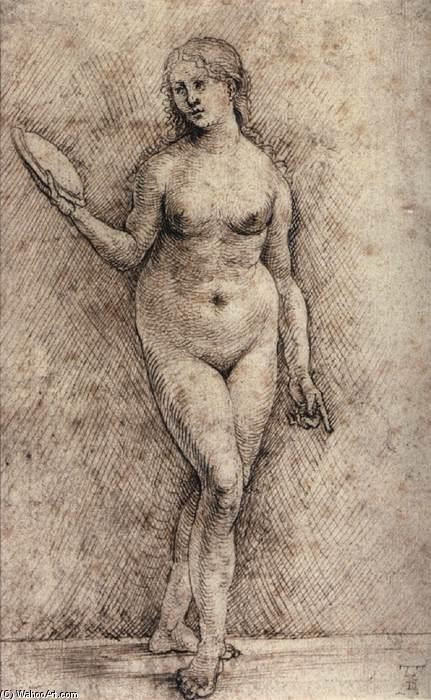
Nude Woman with a Mirror
 Acrylic On Canvas
- WallArt
- Mannerism
 1500
1500 171.0 x 105.0 cm
 J・ポール・ゲティ美術館
 詳細を見る
詳細を見る




P118B $10

P118H $10

P118W $10

P438Z $10

P508JH $12

P508YH $12

P805H $10

P805Z $10

P919BZ $10

P919G $10

P919XJ $10

P959ZH $10

P968JZ $12

W106C $8

W218G $10

W218JH $8

W218Y $10

W307PJ $10

W316G $10

W316PJ $8

W316Y $10

W398PJ $8

W4111J $10

W500HY $15

W500JH $15

W692G $12

W849H $8

W940BG $15

W953PJ $8




作品のオリジナル比率に合わせた、当店の規定サイズからお選びください。

特定のフレームやスペースに合わせて、ご希望のサイズをご入力いただけます。選択されたサイズが元の画像の比率と異なる場合、アートワークをトリミングするか、手描きで要素を追加して絵画を拡張いたします。デジタルモックアップ を制作し、制作開始前にご確認(承認)をいただきます。
画面上のプレビューは、実際のトリミングや拡張を正確に反映しているものではありません。最終的な構図は、モックアップによってのみ正確にご確認いただけます。
カスタムサイズもご利用いただけますが、元の比率を維持するためには、あらかじめ用意されたリストからサイズを選択することをお勧めいたします。
ご注文後、ArtsDot.com チームより詳細な指示をお送りするとともに、仕上がりイメージ(モックアップ)をご提供いたします。


 ガラスオプションは、110cm未満のサイズでのみご利用いただけます。

Nude Woman with a Mirror
複製技法
複製画のサイズ
-


合計金額
$ 263
作品解説
Nude Woman with a Mirror by Hans Süss von Kulmbach
Hans Süß von Kulmbach (c. 1480 – December 3, 1522) stands as a monumental figure in German Renaissance art, primarily celebrated for his breathtaking stained glass windows and colossal altar paintings that grace churches throughout Bavaria and Kraków—testaments to an era defined by humanist ideals and artistic innovation. Born around 1480 in Kulmbach, Franconia—a region steeped in medieval tradition yet eagerly embracing the burgeoning intellectual currents of the Renaissance—Kulmbach’s artistic journey unfolded against a backdrop of transformative cultural change. His formative years were spent honing his craft under the tutelage of Albrecht Dürer, arguably Germany's most revered artist of the time; this influential apprenticeship instilled within him an unwavering commitment to meticulous detail and a masterful command of perspective—elements characteristic of Dürer’s groundbreaking achievements.Early Influences: The Renaissance Spirit
Kulmbach’s artistic vision was undeniably shaped by the prevailing aesthetic sensibilities of the Renaissance, particularly those championed by masters like Filippo Brunelleschi and Piero della Francesca. These artists prioritized geometric precision and idealized proportions—concepts that resonated profoundly within Kulmbach’s creative process—reflecting a broader movement toward reviving classical forms and celebrating human beauty as expressions of divine order. This humanist ethos permeated his work, mirroring the burgeoning interest in philosophical inquiry and artistic experimentation that characterized the period.Training Under Dürer: Mastering Technique
The collaboration with Albrecht Dürer proved invaluable, extending beyond mere instruction in painting techniques; Dürer imparted a profound understanding of artistic philosophy—a conviction that art possessed the capacity to elevate the human spirit and convey moral truths—which would permeate Kulmbach’s subsequent endeavors. This mentorship fostered an unparalleled mastery of draughtsmanship, emphasizing meticulous observation and precise rendering—skills honed through countless hours of practice under Dürer's watchful eye. The resulting style is marked by exceptional realism and a remarkable sensitivity to tonal variations, demonstrating the enduring legacy of Dürer’s artistic influence.The Nürnberg Workshop: A Flourishing Artistic Environment
Around 1505, Kulmbach established his workshop in Nuremberg—a city rapidly becoming a center for commerce and artistic patronage—attracting talented assistants and fostering a vibrant creative milieu. This period witnessed an astonishing output of commissions, cementing his reputation as one of the foremost artists of his generation; he undertook ambitious projects that showcased his versatility and reaffirmed his dedication to artistic excellence.Notable Achievements: Stained Glass Windows & Altarpieces
Kulmbach’s legacy rests principally upon his magnificent stained glass windows—particularly the Maximilian Stained Glass at St Lorenz Church in Nuremberg—and monumental altar paintings, such as St John's Altar in Kraków and the Nikolaus Altar at Lorenzkirche. These artworks exemplify the apex of Mannerist style, characterized by dramatic contrasts of light and shade, stylized figures, and intricate decorative patterns—expressions of artistic ambition and spiritual contemplation that continue to inspire awe and admiration centuries later.Symbolism & Emotional Impact
The artwork embodies a quiet dignity and vulnerability conveyed by its gaze and posture—a subtle acknowledgment of human mortality amidst the grandeur of classical form. The meticulous detail with which Kulmbach rendered the nude figure underscores the Renaissance preoccupation with idealized beauty and explores themes of contemplation and introspection. It serves as a poignant reminder of the enduring power of art to communicate profound emotional truths and elevate the viewer’s understanding of the human condition.関連作品
アーティストの略歴
ハンス・フォン・クルムバッハ:ステンドグラスと祭壇画装飾の巨匠
ハンス・フォン・クルムバッハ(1480年頃 – 1522年12月3日)は、ドイツ・ルネサンス美術における極めて重要な人物です。彼は、バイエルンからクラクフに至る各地の教会を彩る、息をのむほど美しいステンドグラスや壮大な祭壇画によってその名を馳せています。中世の伝統が色濃く残りつつも、新たな人文主義の精神が芽吹き始めていたフランケン地方のクルムバッホに生まれた彼の芸術的歩みは、大きな文化的変革のうねりの中で展開されました。その形成期において、彼は当時ドイツで最も名高い芸術家の一人であるアルブレヒト・デューラーの指導のもとで技を磨きました。この師弟関係は、彼の様式的な感性と技術的な卓越性に深い影響を与えました。デューラーの画期的な業績を象徴する要素である、細部への緻密なこだわりと透視図法の見事な支配力は、この修行時代を通じて彼の中に深く刻み込まれたのです。- 初期の受容: クルムバッハの芸術的ビジョンは、ルネサンス期に主流であった美学的潮流、特にフィリッポ・ブルネレスキやピエロ・デラ・フランチェスカといった巨匠たちが提唱した概念から、紛れもなく影響を受けていました。幾何学的な精密さと理想化された比率を重視するこれらの思想は、クルムバッチの創造的プロセスの中に深く共鳴しました。
- デューラーの下での研鑽: デューラーとの交流は、単なる絵画技法の伝授にとどまらない、計り知れない価値を持つものでした。デューラーは、芸術には人間の精神を高揚させ、道徳的な真理を伝える力があるという、芸術哲学への深い洞察を彼に授けました。この信念は、その後のクルムバッハの作品の隅々にまで浸透していくことになります。
- ニュルンベルクの工房: 1505年頃、クルムバッハはニュルンベルクに自身の工房を設立し、才能ある助手たちを集めて活気ある芸術的環境を育みました。この時期には数多くの依頼作品が制作され、彼は同世代における最も優れた芸術家の一人としての地位を確固たるものにしました。
輝かしい業績:ステンドグラス — 光と色彩の遺産
クルムバッハの名声は、主にその並外れたステンドグラスに依るところが大きく、それは色彩と光を操る彼の手腕がいかに比類なきものであったかを物語っています。特にニュルンベルクの聖ゼバルド教会における「マクシミリアン・ステンドグラス」は、構図のデザインと色彩の調和における彼の熟練した技量を示す記念碑的な事業として、高い評価を得ています。同様に、聖ローレンツ教会における「ヴェルザー・ステンドグラス」や、同教会の「ニコラウス祭壇画」も圧巻であり、それぞれの窓には聖書の物語が精緻なディテールと鮮やかな色彩で描かれています。これらの窓は単なる装飾品ではありませんでした。それは精神的な瞑想へと誘う導き手であり、教会の内部空間を、神聖な美に浸る没入体験の場へと変容させていたのです。- マクシミリアン・ステンドグラス: この野心的なプロジェクトには、緻密な計画と実行が伴っており、芸術的な卓越性に対するクルムバッハの献身的な姿勢を反映しています。
- 聖ローレンツの窓: 聖ローレンツ教会のヴェルザー・ステンドグラスは、力強い視覚的物語を生み出すクルムバッハの能力を象徴しています。
クラクフ祭壇画 — 共同作業による勝利
クルムバッハの最も名高い業績はおそらく、クラクフの聖カタリナ教会に安置されている「クラクフ祭壇画」でしょう。これは、先駆的なピアノ製作者であり、その卓越した職人技をこのプロジェクトに注ぎ込んだヨハン・ゲオルク・アンドレアス・シュタインとの共同作業による結実です。ルネサント美術の頂点を示すこの壮大な芸術作品は、人文主義的なパトロネージュの精神を体現しています。聖カタリナと聖ヨハネを描いた複雑な図像学は、クルムバッハの細部への執拗なまでのこだわりと、深遠な神学的テーマを伝える能力を証明しています。また、シュタインの貢献によって、この祭壇は美的に素晴らしいだけでなく、その規模を考慮すれば驚くべきことに構造的な堅牢さも兼ね備えていました。遺産と歴史的意義
ハンス・フォン・クルムバッハは1522年、ニュルンベルクにおいて早すぎる死を遂げましたが、ドイツ・ルネサンスにおいて最も影響力のある芸術家の一人として、不朽の遺産を残しました。ステンドグラスや祭壇画における彼の様式的な革新は、同時代の芸術家たちのリーダーとしての地位を確立させ、今日においてもなお称賛を集め続けています。さらに重要なことに、クルムバッハの作品は、人間の理性と芸術的創造性を精神的豊かさのための道具とする、当時の人文主義的理想を具現化しています。彼は今もなお、芸術的卓越性の模範であり、ニュルンベルクの文化的遺産の象徴として輝き続けているのです。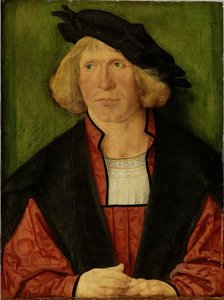
ハンス・フォン・クルムバッハ
1480 - 1522 , ドイツ
基本情報
- この芸術家が影響を与えた芸術家または運動: ドイツ・ルネサンス美術
- この芸術家に影響を与えた芸術家: アルブレヒト・デューラー
- 主な作品:
- 聖ヨハネの祭壇(クラクフ)
- マクシミリアンのステンドグラス
- 辺境伯のステンドグラス
- ニコラウスの祭壇
- 出生地: ドイツ、クルムバッハ
- 国籍: ドイツ
- 氏名: ハンス・ズース・フォン・クルムバッハ
- 生年月日: 1480年頃
- 芸術運動または様式: ルネサンス美術
関連記事
The Eloquent Form: A Historical & Aesthetic Exploration of the Nude in Art
Explore the captivating history of the nude in art! From ancient Greece to modern masters, discover its evolving symbolism, techniques & enduring beauty. Expert insights for collectors and enthusiasts.

The Nuances of Graphite: Exploring Emotional Depth & Technical Mastery in Pencil Drawing
Explore the captivating world of graphite drawing! Discover its rich history, master essential techniques like chiaroscuro, and learn how artists evoke emotion through this timeless medium. Expert insights for art enthusiasts.
The Enduring Allure of the Nude: A Historical & Artistic Exploration of the Human Form
Explore the captivating history of nude art! Discover iconic paintings & artists from classical to modern eras. Uncover symbolism, techniques & find museum-quality reproductions at ArtsDot.
Hans von Aachen: Mannerism's Courtly Visionary & Imperial Portraiture
Explore the captivating world of Hans von Aachen, a leading Mannerist painter renowned for his exquisite imperial portraits & mythological scenes. Discover his legacy and influence on 16th-century European art.
Frederick Bridgman: Anatomical Mastery & the Evolution of Figure Drawing Instruction
Explore the anatomical mastery of George B. Bridgman & his revolutionary figure drawing techniques. Discover how his methods transformed art instruction and continue to inspire artists today. Learn more at ArtsDot.

