

 プレビュー
プレビュー
 プリントを購入
 シェアする
シェアする シェアする
シェアする
 詳細を見る
詳細を見る

 ダウンロード
 似ている作品
 X線調査
X線調査 スライドショー
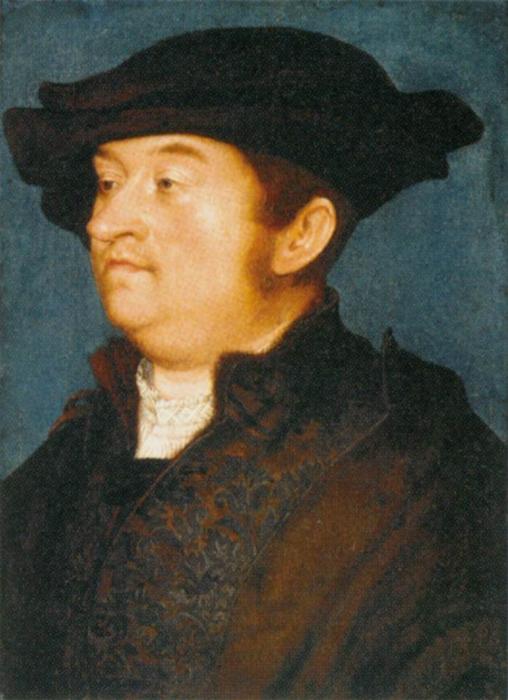
Portrait of a Man
 Acrylic On Canvas
- WallArt
- Northern Renaissance Realism
 1518
1518 24.0 x 17.0 cm
 プラド美術館
 詳細を見る
詳細を見る




P118B $10

P118H $10

P118W $10

P438Z $10

P508JH $12

P508YH $12

P805H $10

P805Z $10

P919BZ $10

P919G $10

P919XJ $10

P959ZH $10

P968JZ $12

W106C $8

W218G $10

W218JH $8

W218Y $10

W307PJ $10

W316G $10

W316PJ $8

W316Y $10

W398PJ $8

W4111J $10

W500HY $15

W500JH $15

W692G $12

W849H $8

W940BG $15

W953PJ $8




作品のオリジナル比率に合わせた、当店の規定サイズからお選びください。

特定のフレームやスペースに合わせて、ご希望のサイズをご入力いただけます。選択されたサイズが元の画像の比率と異なる場合、アートワークをトリミングするか、手描きで要素を追加して絵画を拡張いたします。デジタルモックアップ を制作し、制作開始前にご確認(承認)をいただきます。
画面上のプレビューは、実際のトリミングや拡張を正確に反映しているものではありません。最終的な構図は、モックアップによってのみ正確にご確認いただけます。
カスタムサイズもご利用いただけますが、元の比率を維持するためには、あらかじめ用意されたリストからサイズを選択することをお勧めいたします。
ご注文後、ArtsDot.com チームより詳細な指示をお送りするとともに、仕上がりイメージ(モックアップ)をご提供いたします。


 ガラスオプションは、110cm未満のサイズでのみご利用いただけます。

Portrait of a Man
複製技法
複製画のサイズ
-


合計金額
$ 263
作品解説
A Moment Frozen in Time: Hans Holbein’s Portrait of a Man
The Augsburg Master, Hans Holbein the Elder, stands as a cornerstone of Northern Renaissance art—a figure whose meticulous observation and profound understanding of human psychology cemented his legacy as one of the era's most influential painters. His “Portrait of a Man,” executed around 1520, resides within the Thyssen-Bornemisza Collection, offering an unparalleled glimpse into the artistic sensibilities of its time and demonstrating Holbein’s mastery of realism alongside subtle psychological exploration. This captivating artwork transcends mere representation; it embodies a carefully crafted narrative designed to convey both status and inner contemplation.The Anatomy of Detail: Technique and Style
Holbein's approach distinguishes itself from many contemporaries who favored idealized depictions. Instead, he painstakingly dissected the human form—a technique honed during his formative years in Basel—to achieve an astonishing level of anatomical accuracy. The portrait’s surface is rendered with oil paint on panel, utilizing layering and glazing techniques that imbue the image with luminous depth and subtle tonal variations. Notice the meticulous rendering of musculature beneath the skin, capturing the contours of bone and flesh with remarkable precision. This dedication to realism wasn't merely a stylistic choice; it reflected Holbein’s belief in representing the human body truthfully—a cornerstone of humanist thought prevalent during the Renaissance. The artist skillfully employs chiaroscuro – dramatic contrasts between light and shadow – to sculpt the figure’s form, emphasizing musculature and creating an illusion of three-dimensionality that draws the viewer's eye into the portrait’s core.A Window Into Tudor England: Historical Context
“Portrait of a Man” emerged during the tumultuous reign of Henry VIII—a period marked by religious upheaval and political maneuvering. Holbein, serving as court painter to Thomas Cromwell, skillfully captured the essence of aristocratic identity within this context. The subject’s attire – a dark velvet robe adorned with gold trim – speaks volumes about his wealth and social standing, mirroring the opulent tastes of Tudor England. Furthermore, the man's gaze—directed outwards, seemingly contemplating distant horizons—suggests introspection and intellectual curiosity—qualities valued by humanist thinkers who championed reason and observation as paths to understanding the human condition. The painting’s placement within the broader artistic landscape reflects the burgeoning interest in portraying individuals with psychological complexity – a departure from earlier conventions that prioritized symbolic representation over realistic portrayal.Symbolism Beyond Appearance: Facial Expression and Gesture
Beyond its technical brilliance and historical significance, “Portrait of a Man” possesses a profound emotional resonance. The subject’s expression—characterized by a furrowed brow and widened eyes—conveys surprise or shock—a subtle gesture that invites contemplation about the circumstances surrounding his gaze. This carefully considered facial expression is not merely decorative; it communicates an inner state—a reaction to something perceived beyond the frame of the painting. Holbein's masterful use of gesture reinforces this impression, subtly conveying a sense of dignified composure amidst apparent astonishment. The artist’s intention was to capture not just physical likeness but also psychological character—a feat achieved through astute observation and nuanced artistic interpretation.A Legacy Enduring Through Reproduction
Today, “Portrait of a Man” continues to inspire admiration for its unparalleled realism and psychological depth. High-quality reproductions offer art lovers the opportunity to experience Holbein’s vision firsthand—bringing this iconic masterpiece into homes and galleries worldwide. Owning a faithful rendition allows one to appreciate the enduring power of artistic innovation and the profound beauty found in capturing the complexities of human emotion—a testament to Hans Holbein the Elder's indelible contribution to the history of art.関連作品
アーティストの略歴
アウクスブルクの巨匠:ハンス・ホルバイン・ザ・エルダーとルネサンス写実主義の黎明
1497年頃、ドイツの活気あふれる芸術拠点であるアウクスブルクに生まれたハンス・ホルバイン・ザ・エルダー(かつてはイタリア生まれとする説もありましたが、現在はドイツ起源が定説となっています)は、後期ゴシックの伝統と、胎動しつつあった北欧ルネサンスの革新を結びつける極めて重要な役割を果たしました。彼の生涯は、宗教的・政治的な激動の時代の中にあり、その背景は彼の芸術的ヴィジョンに繊細ながらも深い影響を与えました。修行のためにイタリア半島へと向かった多くの画家たちとは異なり、ホルバインはドイツの芸術的風景の中でその腕を磨き、アルブレヒト・デューラーのような巨匠たちの影響を吸収しながら、同時に独自のパーソナルな様式を確立していったのです。初期のキャリアはスイスのバーゼルで花開き、宗教画や公共・私的な空間を彩る緻なった壁画、そして美しく細密な挿絵を描く画家として、瞬く間にその名を馳せました。しかし、彼の遺産を決定づけたのは、単なる外見の模写に留まらず、描かれた人物の魂そのものを捉えた、開花しつつあった肖像画への類まれな才能でした。様式の融合:ゴシックの細密描写とルネサンスの人文主義
ホルバインの芸術的アプローチは、決して急進的な断絶ではなく、むしろ見事な「統合」でした。彼は後期ゴシック期の特徴である緻密なディテールや正確な素描技術を捨て去ることはありませんでした。むしろ、それらにイタリアからヨーロッパ全土へと広がっていた人文主義の理想を吹き込んだのです。レオナルド・ダ・ヴィンチやサンドロ・ボッティチェッリの影響は、直接的な模倣としてではなく、自然主義へのこだわり、心理的な深み、そして洗練された解剖学的理解の採用という形で、彼の作品の中に見て取ることができます。この融合によって、かつてないほどの存在感を放つ、驚くほど生命力に満ちた肖像画が誕生しました。彼は、絹の光沢、ベルベットの重厚感、肌の微細な質感といったテクスチャーを、息を呑むような正確さで描き出す並外れた能力を備えていました。1499年に制作され、現在はウィーンの美術史美術館に収蔵されている聖母子(Maria, das Kind liebköstend)は、この初期の卓越した技量を象徴しています。繊細な筆致と人体への鋭い観察眼によって、感情的な響きに満ちた慈愛に満った描写が実現されています。また、聖ペテロと聖パウロを描いた題材板も、彼の技術的な熟練度だけでなく、構図の中に展開される物語的な感性を証明しています。外見を超えて:人物像と時代背景の捕捉
ホルバインの肖像画は、単なる視覚的な正確さを追求した練習作ではありませんでした。それは、人物の性格や社会的地位を洞察するための深い研究でもあったのです。彼は、衣服や宝飾品、さらには姿勢までもが、その人物のアイデンティティや社会における立ち位置を雄弁に物語ることを理解していました。彼は単に人々が「どのように見えるか」を描いたのではなく、彼らが「何者であるか」――その野心、不安、そして世界における居場所――を描き出そうとしたのです。この心理的な深みを捉える能力こそが、同時代の多くの画家と彼を分かつものでした。キャリアを通じて宗教画も制作しましたが、彼の名声を不動のものとし、永続的な影響力を確かなものにしたのは、この肖像画への集中でした。彼の作品は、大きな変革期にあった人々の生活を貴重な断片として現代に伝えており、歴史家や芸術愛好家に対して、16世紀の複雑な社会構造を覗き見る窓を提供してくれます。不朽の遺産:影響と再発見
より有名な息子であるハンス・ホルバイン・ザ・ユンガーの影に隠れてしまうこともありますが、エルダー(父)が美術史に残した衝撃は否定しようのないものです。ジャンルを融合させた革新的な手法は、細部への細やかな注意と心理的洞察力と相まって、後の世代の肖像画家たちの道を切り拓きました。美術史家のエリス・ウォーターハウスが正当に指摘しているように、息子の描いた肖察画でさえも、父の指導の下での初期修行を通じて培われた基礎的な技術と審美眼に恩恵を受けているのです。今日、ArtsDot.comのようなプラットフォームを通じて、ホルバインの作品の複製画に触れることができることは、世界中の芸術愛好家が彼の天才性を享受することを可能にしています。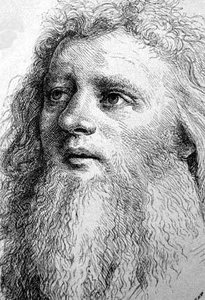
ハンス・ホルバイン(父)
1497 - 1543 , イタリア
基本情報
- Artistic Movement Or Style: 北方のルネサンス
- Artists Or Movements Influenced By This Artist: 北方ルネサンスの芸術家
- Artists Who Influenced This Artist:
- レオナルド・ダ・ヴィンチ
- サンドロ・ボッティチェッリ
- Date Of Birth: 1497年頃
- Date Of Death: 1543年
- Full Name: ハンス・ホルバイン(父)
- Nationality: ドイツ
- Notable Artworks:
- 幼子を愛でるマリア
- 聖ペテロと聖パウロの題名板
- Place Of Birth: ドイツ、アウクスブルク
関連記事
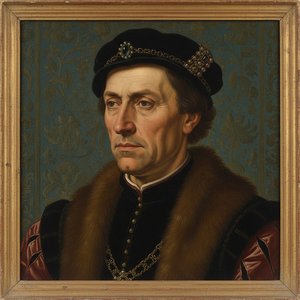
Hans Holbein the Younger: A Renaissance Portraitist's Mastery of Realism & Psychological Insight
Explore the life & art of Hans Holbein the Younger, a Renaissance master renowned for his strikingly realistic portraits and psychological insight. Discover iconic works like 'The Ambassadors' and delve into his lasting legacy.
北方ルネサンスを彩る至宝:10の傑作が語る芸術と革新の世界
北方ルネサンスの10大傑作を紐解き、芸術の革新と美しさを再発見。ヤン・ファン・エイクからデューラーまで、巨匠たちの物語と技法を深く探求。高品質な複製絵画で、お部屋にアートの息吹を。ArtsDot.comで至宝の世界をお楽しみください!
The Northern Awakening: Artistic Innovation & Cultural Transformation in the German Renaissance
Explore the artistic innovation of the German Renaissance! Discover Dürer, the Danube School & Reformation art. Learn about techniques, materials & lasting influence. Find museum-quality reproductions at ArtsDot.
German Expressionism's 10 Defining Masterpieces | Art for Your Home
Explore 10 defining German Expressionism masterpieces – from Munch's 'The Scream' to Kandinsky’s abstracts. Discover the artists, stories & bold colors behind this powerful art movement. Find museum-quality reproductions at ArtsDot.com.
Hans von Aachen: Mannerism's Courtly Visionary & Imperial Portraiture
Explore the captivating world of Hans von Aachen, a leading Mannerist painter renowned for his exquisite imperial portraits & mythological scenes. Discover his legacy and influence on 16th-century European art.

