

 プレビュー
プレビュー
 プリントを購入
 シェアする
シェアする シェアする
シェアする
 詳細を見る
詳細を見る

 ダウンロード
 似ている作品
 X線調査
X線調査 スライドショー
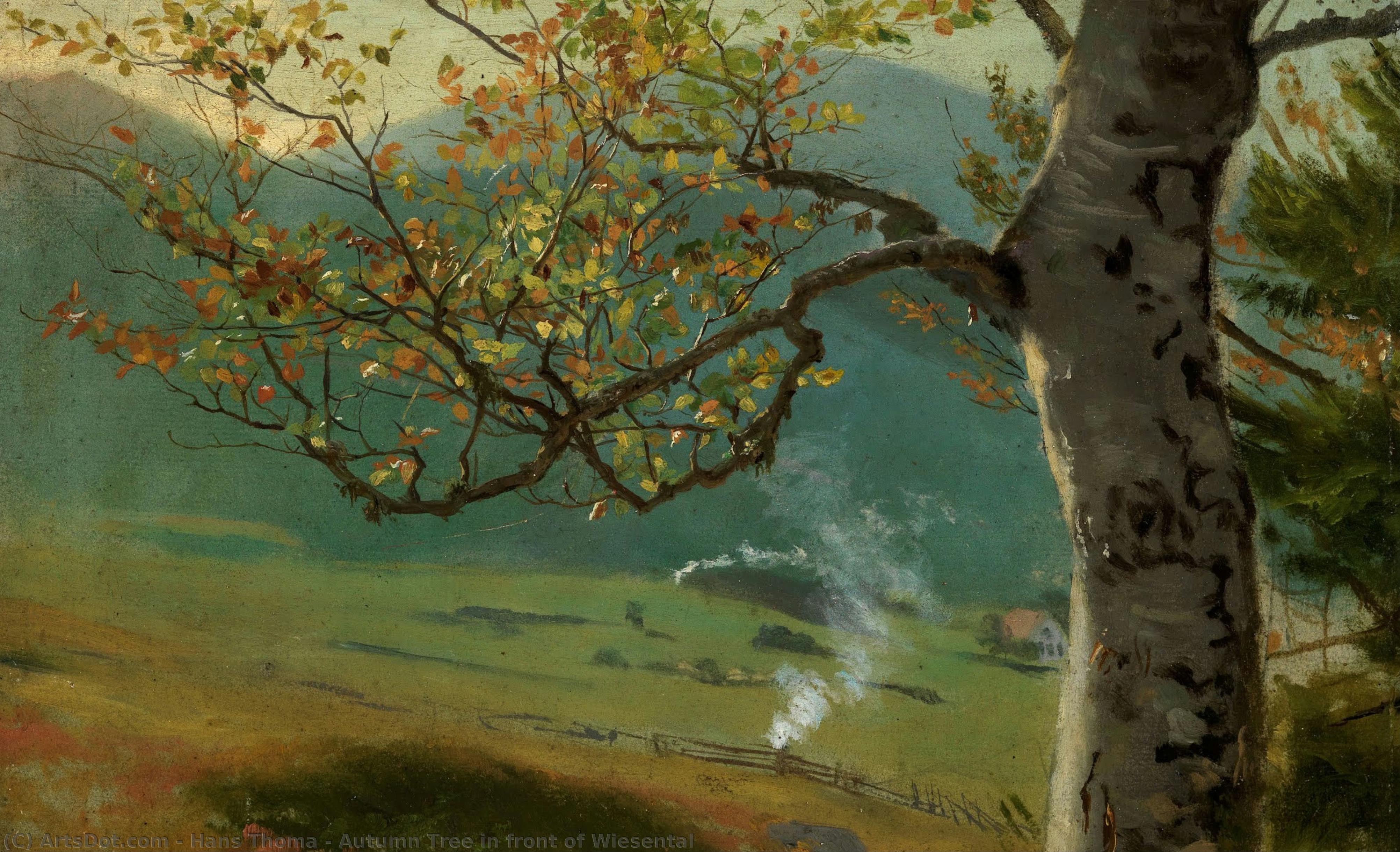
Autumn Tree in front of Wiesental


 詳細を見る
詳細を見る




P118B $10

P118H $10

P118W $10

P438Z $10

P508JH $12

P508YH $12

P805H $10

P805Z $10

P919BZ $10

P919G $10

P919XJ $10

P959ZH $10

P968JZ $12

W106C $8

W218G $10

W218JH $8

W218Y $10

W307PJ $10

W316G $10

W316PJ $8

W316Y $10

W398PJ $8

W4111J $10

W500HY $15

W500JH $15

W692G $12

W849H $8

W940BG $15

W953PJ $8




作品のオリジナル比率に合わせた、当店の規定サイズからお選びください。

特定のフレームやスペースに合わせて、ご希望のサイズをご入力いただけます。選択されたサイズが元の画像の比率と異なる場合、アートワークをトリミングするか、手描きで要素を追加して絵画を拡張いたします。デジタルモックアップ を制作し、制作開始前にご確認(承認)をいただきます。
画面上のプレビューは、実際のトリミングや拡張を正確に反映しているものではありません。最終的な構図は、モックアップによってのみ正確にご確認いただけます。
カスタムサイズもご利用いただけますが、元の比率を維持するためには、あらかじめ用意されたリストからサイズを選択することをお勧めいたします。
ご注文後、ArtsDot.com チームより詳細な指示をお送りするとともに、仕上がりイメージ(モックアップ)をご提供いたします。


 ガラスオプションは、110cm未満のサイズでのみご利用いただけます。

Autumn Tree in front of Wiesental
複製技法
複製画のサイズ
-


合計金額
$ 263
作品解説
A Symphony of Gold and Rust: The Autumnal Vision of Hans Thoma
In the quiet, evocative masterpiece Autumn Tree in front of Wiesental, painted in 1862, Hans Thoma invites the viewer into a moment of profound seasonal transition. This work serves as a breathtaking window into the heart of the German landscape, where the vibrant, dying embers of autumn meet the enduring stillness of the countryside. The composition is anchored by a magnificent tree in the foreground, its intricate network of branches heavy with a mosaic of amber, gold, and russet leaves. Thoma’s brushwork captures not just the color of the foliage, but the very weight of the season, as if one could feel the crisp, cooling air pressing against the canvas. The scene is far from a lonely landscape; it is a living, breathing ecosystem, populated by small, delicate birds perched amidst the canopy and grazing cows that ground the ethereal beauty of the trees in the humble reality of pastoral life.
The technique employed here reflects Thoma’s early mastery and his deep-seated connection to the traditions of German Romanticism. There is a meticulous attention to detail—a trait perhaps inherited from his father’s clockmaking lineage—that allows every leaf and every creature to hold its own significance within the larger tapestry. The artist utilizes a harmonious palette where the warm, fiery tones of the autumn leaves are balanced by the soft, muted greens and earthy browns of the Wiesental valley. This careful calibration of color creates a sense of depth and atmosphere, drawing the eye from the textured bark of the foreground tree toward the gentle, rolling hills in the distance. For the collector or interior designer, this painting offers a sophisticated interplay of light and texture that can serve as a soulful focal point in any curated space.
Beyond its visual splendor, the painting carries a deep symbolic resonance, embodying the cyclical nature of life and the bittersweet beauty of change. The autumn tree, standing resilient yet shedding its finery, acts as a metaphor for the passage of time and the inevitable rhythms of the natural world. The presence of the birds and the cattle introduces a theme of continuity; even as the season wanes, life persists in its quiet, rhythmic grace. This emotional depth makes the piece more than just a landscape; it is an invitation to contemplation and a celebration of the enduring spirit of the Black Forest region. Owning a reproduction of this work means bringing into one's home not just a beautiful image, but a profound sense of peace and a timeless connection to the earth’s most poetic transformations.
関連作品
アーティストの略歴
ハンス・トーマ:黒い森の画家
ハンス・トーマ(1839年 – 1924年)は、ドイツ美術史において特異な存在として輝いています。彼の描く風景画や肖像画は、まるで魂を宿したかのような力強さで「黒い森」の精神を捉えており、この地は彼の芸術的ビジョンに深く根ざしています。ドイツのベルナウ・バイ・ベルリンで生まれた彼は、故郷の伝統と民間伝承への揺るぎない献身をもって芸術の道を歩み始めました。その作品には、細部にわたる緻密な観察眼と、ロマン主義的な理想主義が深く融合しているのです。初期の生活と芸術的出発点
ハンス・トーマの形成期は、田園生活の素朴なリズムに彩られていました。彼の父が時計職人であったことは、彼の中に後に絵画全体を貫くほどの精密さと細部への注意深さを育みました。1859年、彼はカールスルーエのアカデミーに入学し、ヨハン・ヴィルヘルム・シルマーやルートヴィヒ・デ・クールブールといった指導者たちのもとで風景画の技法を学び、確固たる基礎を築きました。その後、デュッセルドルフ、パリ、イタリア、ミュンヘン、フランクフルトなどでの研鑽は、彼に多様な芸術の流れを知らしめましたが、同時にドイツの田園生活の本質と自然が持つ永遠の美しさを捉え続けるという彼の決意をより強固なものにしたのです。様式と影響:プリラファエル派のエコー
トーマの独特な作風は容易に分類することができませんが、その根底にはプリラファエル派特有の輝く色彩への傾倒や、自然の題材を詳細に描き込む情熱と紛れもない親和性を持っています。ダンテ・ガブリエル・ロセッティやジョン・エヴェレット・ミレーといった芸術家たちのように、トーマもまた、大気の状態を捉え、微妙な色調の変化を通して感情を伝えることを重視しました。彼の緻密な描写力――正確な輪郭線と慎重な陰影によって特徴づけられる――は、シルマーやデ・クールブールのもとでの修行を通じて磨かれました。それは、想像力に彩られたビジョンを持ちながらも、リアリズムへの深い献身を反映しています。アルブレヒト・デューラーやルーカス・クラナッハ・ザ・エルダーといった巨匠たちは、トーマの芸術的感性を形作り、彼の構図上の選択に影響を与えた極めて重要な存在でした。特筆すべき作品と芸術的功績
トーマの作品群は、約300点にも及ぶ膨大な量であり、彼の多作な活動と不朽の芸術的遺産を物語っています。特に名高いのが、「黒い森の日曜日の午後」、「ザッキンゲンのリネ川」、「死と乙女」、「孤独な乗馬」といった作品群です。これらはそれぞれが、ドイツの雄大な風景の中に漂う静謐な思索の一瞬を捉えています。植物、動物、そして人物像の描写に見られる彼の細部への徹底したこだわりは、単なる再現を超越し、鑑賞者の心に深く響く没入的な体験へと昇華させているのです。さらに、フランクフルトのカフェ・エルンスト・ルートヴィヒを飾る装飾的な壁画やリトグラフなどは、彼が持つ芸術家としての多様性と、様々な媒体に取り組む能力を示しています。彼の作品は、リバプールのノイエ・マイスター・ギャラリーやフランクフルトのシュタデル美術館など、ヨーロッパ各地の著名なコレクションに所蔵されています。歴史的意義:ロマン主義的理想主義の声
ハンス・トーマの芸術的成果は、ドイツ美術史における極めて重要な転換点を示しています。それはアカデミックな形式主義への反動であり、ロマン主義的な理想主義を受け入れた証左です。彼は、観察、感情、そして精神的な思索に根ざした芸術というビジョンを提唱し、それらの価値観は当時の広範な文化景観と共鳴していました。黒い森の神話や伝説、伝統に対する彼の揺るぎない愛着は、絶え間ないインスピレーション源となり、作品には触れることができるほどの郷愁と夢のような感覚が満ちています。トーマの永続的な影響力は、ロマン主義の表現力を再獲得しつつも芸術的誠実さを保とうとした後世のドイツ人芸術家たちの中に今なお見出すことができます。彼は今日に至るまで観客を魅了し続ける芸術家であり、その卓越した技術と情緒豊かなイメージを通して、人間の経験に関する深遠な真実を伝える能力の証左なのです。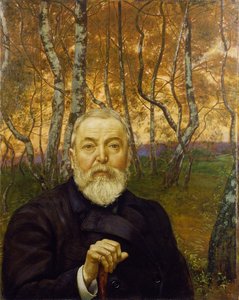
ハンス・トーマ
1839 - 1924 , ドイツ
基本情報
- Artistic Movement Or Style: プリラファエル美術様式
- Artists Or Movements Influenced By This Artist: ['ウォルター・コンツ']
- Artists Who Influenced This Artist:
- アルブレヒト・デューラー
- ルーカス・クラナッハ・シニア
- Date Of Birth: 1839年10月2日
- Date Of Death: 1924年
- Full Name: ハンス・トーマ
- Nationality: ドイツ人
- Notable Artworks:
- 若き日の自画像
- 驚異の鳥たち
- オード、フランクフルトのホルツハウゼン公園
- Place Of Birth: ベルリン近郊のベルナウ
関連記事
Arboreal Echoes: A Historical & Artistic Exploration of Trees in Painting
Explore the rich history of trees in painting! Discover symbolism, Romantic masterpieces by Caspar David Friedrich & beyond. A curated journey for art enthusiasts.
Arboreal Echoes: A Historical & Artistic Exploration of Trees in Painting
Explore the rich history of trees in painting! Discover symbolism, Romantic masterpieces by Caspar David Friedrich & beyond. A curated journey for art enthusiasts.
Feathered Visions: A Historical & Artistic Exploration of Birds in Painting
Explore the rich history of birds in painting! Discover symbolism, artistic movements & master artists like Audubon. High-quality reproductions available at ArtsDot.

ポール・セザンヌ:至高の25選 - 傑作と革新の軌跡 | ArtsDot
ポール・セザンヌの至高の25選。ポスト印象派を代表する画家、セザンヌの傑作と革新的な技法を紐解きます。ArtsDotで高品質な複製画やインテリアアートを見つけ、芸術の世界をご自宅に。今すぐコレクションをご覧ください。

Charles Bird King: Capturing Native American Dignity Through Portraiture & Cultural Exchange
Explore the captivating portraits of Charles Bird King, renowned for his depictions of Native American leaders. Discover the historical context, artistic techniques, and collecting value of these significant 19th-century artworks.

