

 プレビュー
プレビュー
 プリントを購入
 シェアする
シェアする シェアする
シェアする
 詳細を見る
詳細を見る

 ダウンロード
 似ている作品
 X線調査
X線調査 スライドショー
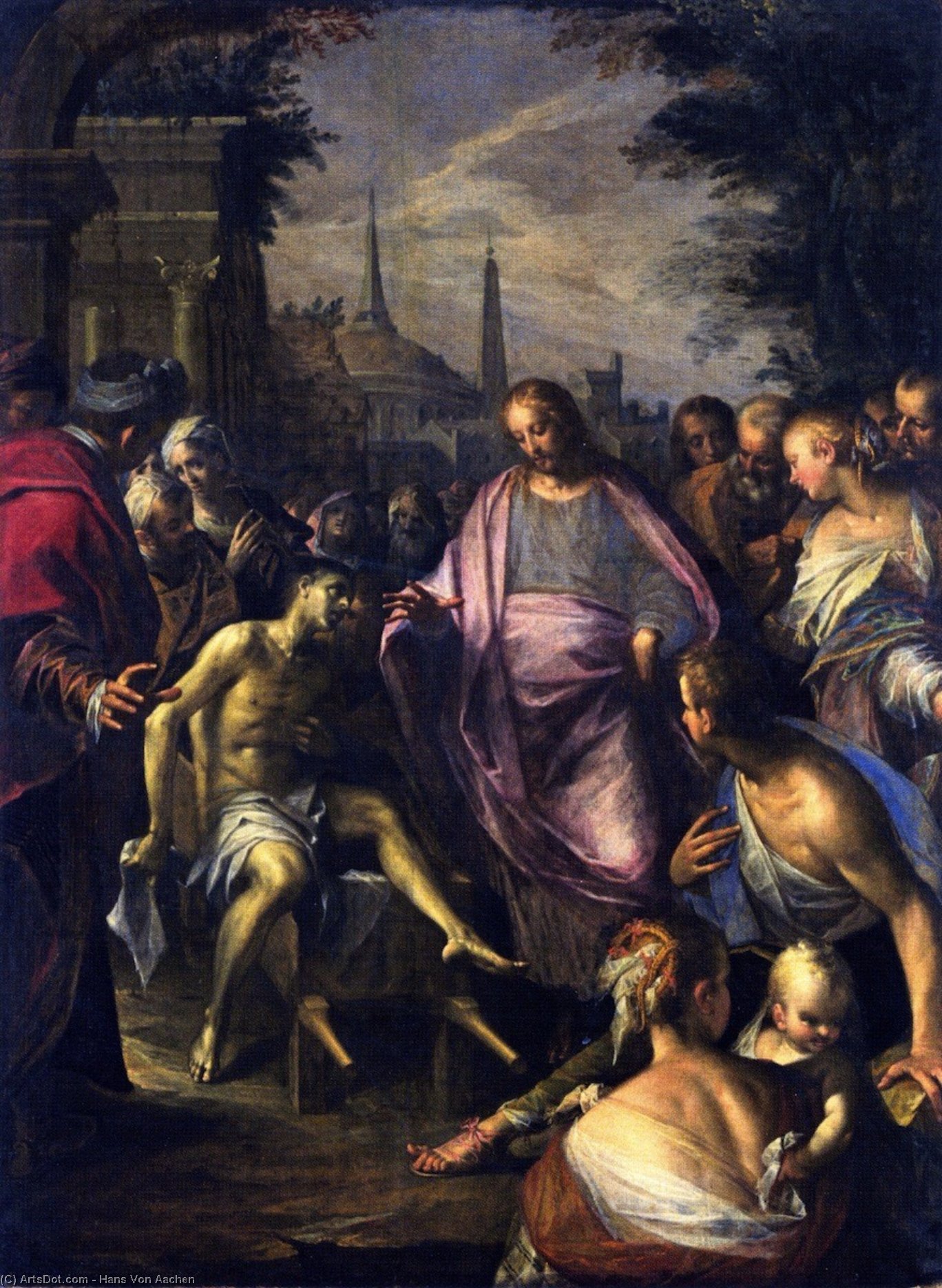
The Raising of the Widow's Son of Niam
 Oil On Canvas
- WallArt
- Mannerist Style
 1590
1590 230.0 x 171.0 cm
 バイエリッシュェ・シュターツガマルデザムルンゲン
 詳細を見る
詳細を見る




P118B $10

P118H $10

P118W $10

P438Z $10

P508JH $12

P508YH $12

P805H $10

P805Z $10

P919BZ $10

P919G $10

P919XJ $10

P959ZH $10

P968JZ $12

W106C $8

W218G $10

W218JH $8

W218Y $10

W307PJ $10

W316G $10

W316PJ $8

W316Y $10

W398PJ $8

W4111J $10

W500HY $15

W500JH $15

W692G $12

W849H $8

W940BG $15

W953PJ $8




作品のオリジナル比率に合わせた、当店の規定サイズからお選びください。

特定のフレームやスペースに合わせて、ご希望のサイズをご入力いただけます。選択されたサイズが元の画像の比率と異なる場合、アートワークをトリミングするか、手描きで要素を追加して絵画を拡張いたします。デジタルモックアップ を制作し、制作開始前にご確認(承認)をいただきます。
画面上のプレビューは、実際のトリミングや拡張を正確に反映しているものではありません。最終的な構図は、モックアップによってのみ正確にご確認いただけます。
カスタムサイズもご利用いただけますが、元の比率を維持するためには、あらかじめ用意されたリストからサイズを選択することをお勧めいたします。
ご注文後、ArtsDot.com チームより詳細な指示をお送りするとともに、仕上がりイメージ(モックアップ)をご提供いたします。


 ガラスオプションは、110cm未満のサイズでのみご利用いただけます。

The Raising of the Widow's Son of Niam
複製技法
複製画のサイズ
-


合計金額
$ 263
A Masterpiece of Mannerism: Hans von Aachen's "The Raising of the Widow’s Son of Niam"
Hans von Aachen’s “The Raising of the Widow’s Son of Niam,” completed in 1590, stands as a testament to the fervor and artistic innovation characteristic of the Mannerist movement. Executed on canvas measuring 230 x 171 cm and currently housed at the Bayerische Staatsgemaldesammlungen in Munich, Germany, this painting transcends mere depiction; it strives for emotional intensity and dramatic visual impact—a hallmark of Aachen’s distinctive style.Historical Context & Artistic Influences
The Renaissance had begun to yield to Mannerism, a stylistic reaction that prioritized expressive gesture and stylized form over the idealized beauty favored by its predecessors. Aachen himself absorbed considerable influence from El Greco, whose elongated figures and dramatic chiaroscuro—the interplay of light and shadow—became foundational elements in Aachen’s oeuvre. This artistic lineage reflects the broader cultural anxieties of the period, grappling with questions of faith, mortality, and divine intervention amidst a turbulent political landscape. The painting's subject matter – the biblical miracle recounted in Matthew 9:27-31 – tapped into deeply held spiritual beliefs and served as a vehicle for conveying profound emotional resonance.Composition & Technique
Aachen’s masterful technique employed oil on canvas, allowing for rich pigment layering and nuanced tonal gradations that heighten the painting's dramatic effect. The composition is deliberately unsettling; Aachen arranges figures in asymmetrical groupings, creating a sense of dynamism and instability. Notably, fourteen individuals populate the scene—a deliberate choice intended to overwhelm the viewer’s gaze and emphasize the magnitude of the miraculous event. The central figure of Jesus dominates the canvas, radiating compassion and authority as he raises the son of the widow from death. Careful attention is paid to anatomical detail, albeit rendered in a mannerist style that prioritizes expressive distortion over accurate representation. The artist skillfully utilizes color—primarily reds and golds—to convey warmth and solemnity, reinforcing the spiritual significance of the narrative.Symbolism & Emotional Impact
Beyond its visual splendor, “The Raising of the Widow’s Son of Niam” is laden with symbolic meaning. The widow represents humility and vulnerability before God, while the resurrected son symbolizes hope and redemption—themes central to Christian theology. Aachen's expressive brushstrokes convey a palpable sense of emotion – awe, compassion, and reverence – inviting contemplation on themes of faith and divine grace. The painting’s impact lingers long after viewing, prompting reflection on humanity’s relationship with spirituality and the transformative power of miracles.Further Exploration & Reproduction
For those captivated by Aachen's artistic vision, reproductions of “The Raising of the Widow’s Son of Naim” offer an opportunity to experience its beauty and grandeur firsthand. Available at https://ArtsDot.com/, these meticulously crafted prints allow art enthusiasts to appreciate the legacy of Hans von Aachen and immerse themselves in the emotive power of Mannerist painting. To delve deeper into Aachen's artistic journey, visit /art/list/?Filter=8DP7GJ-Hans-Von-Aachen-Portrait-of-Emperor-Rudolf-II and explore other masterpieces at /en/art/show/art-8ydqmz-en/ .関連作品
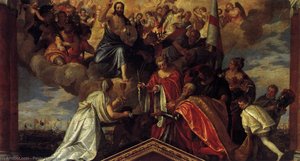
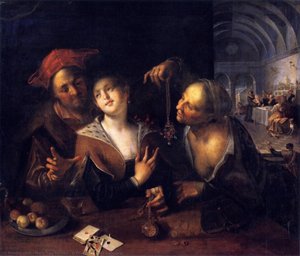
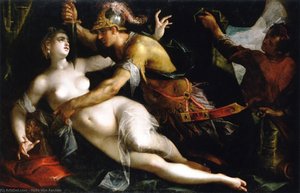
アーティストの略歴
初期の生涯と修行
ハンス・フォン・アーヘンというドイツの画家は、1552年にケルンの街で生まれました。彼の初期の生活についてはほとんど知られていませんが、地元の画家であったレオナルドゥス・ジーヴェンホーフェンの工房で芸術的な修行を積んだと信じられています。芸術様式と影響
アーヘンの作品は、マニエリスム様式に典型的な鮮やかな色彩と劇的な構図の使用によって特徴づけられています。彼の絵画にはしばしば引き伸ばされた人物像、精緻なディテール、そして張り詰めた緊張感が漂っており、これらはエル・グレコ(ドメニコス・テオトコポロス)の作品から強い影響を受けています。彼の注目すべき作品には以下のようなものがあります。- 『磔刑像』(1585年)は、彼の大胆な色彩と劇的な光の使い方が際立つ作品です。
- 『最後の審判』(1590年)は、単一の構図の中に複数の人物を調和させる彼の能力を示しています。
- 『謎の女性の肖像』(1595年)は、人間の表情の微妙な機微を捉える彼の熟練した技量を際立たせた肖像画です。
著名な所蔵と展覧会
アーヘンの作品は、以下のような様々な美術館で見ることができます。- ゲマルトゲレエ・アルテ・マイスター(ドイツ、ドレスデン)では、15世紀から18世紀にかけての広範なヨーロッパ絵画コレクションを誇ります。
- 博物館オストドイチェ・ガレリー(ドイツ、レーゲンブルク)では、東ドイツ美術のユニークなコレクションを展示しています。
遺産
ハンス・フォン・アーヘンは1615年に世を去り、精緻で感情豊かな絵画という遺産を残しました。彼の作品は今もなお芸術家や美術愛好家たちにインスピレーションを与え続け、マニエリスム美術の世界への唯一無二の垣間見せてくれます。ハンス・フォン・アーヘンの生涯と作品についてさらに知るには、ArtsDot.comをご覧ください: [https://ArtsDot.com/@@/a@d3aquv](https://ArtsDot.com/@@/a@d3aquv) | 博物館オストドイチェ・ガレリー(ドイツ)の発見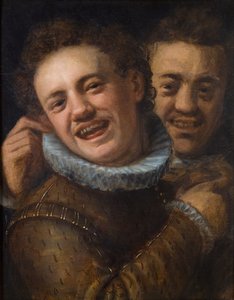
ハンス・フォン・アーヘン
1552 - 1615 , ドイツ
基本情報
- Artistic Movement Or Style: マニエリスム絵画
- Artists Or Movements Influenced By This Artist: ['ルネサンス美術']
- Artists Who Influenced This Artist: ['エル・グレコ']
- Date Of Birth: 1552年、ドイツのケルン
- Date Of Death: 1615年
- Full Name: ハンス・フォン・アーヘン
- Nationality: ドイツ人
- Notable Artworks:
- 磔刑像
- 最後の審判
- 謎の女性の肖像
- Place Of Birth: ケルン
関連記事
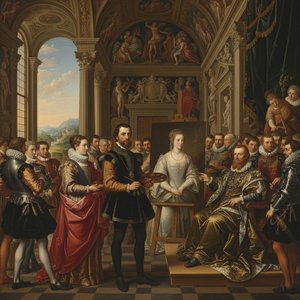
Hans von Aachen: Mannerism's Courtly Visionary & Imperial Portraiture
Explore the captivating world of Hans von Aachen, a leading Mannerist painter renowned for his exquisite imperial portraits & mythological scenes. Discover his legacy and influence on 16th-century European art.
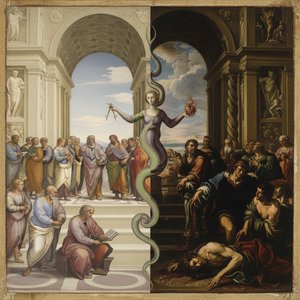
Mannerism: Bridging Renaissance Harmony & Baroque Drama – A Study of Style & Affectation
Explore the fascinating world of Mannerism! Discover its key characteristics, pioneering artists like Pontormo & Bronzino, and its pivotal role in bridging Renaissance harmony to Baroque drama. A comprehensive guide for art enthusiasts.

Illuminating Faith: Biblical Narrative & Artistic Expression Through the Ages
Explore the rich history of biblical art from Giotto to the Renaissance masters with ArtsDot. Discover symbolism, techniques & enduring legacies. Museum-quality reproductions & expert insights.
Eugen von Blaas: Capturing Alpine Life & Sentiment in 19th-Century Austrian Painting
Discover the captivating world of Eugen von Blaas! Explore his exquisite 19th-century paintings capturing Venetian life & Alpine beauty. Learn about his Academic Classicism style and find museum-quality reproductions at ArtsDot.
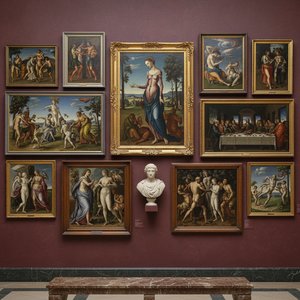
Mannerism's Masters: 10 Artworks That Redefined Renaissance Style | ArtsDot
Explore 10 defining Mannerism masterpieces – from Pontormo to El Greco. Discover the stories behind these Renaissance paintings, their unique style & symbolism. Find museum-quality art reproductions at ArtsDot.com and elevate your home decor.

