

 プレビュー
プレビュー
 シェアする
シェアする シェアする
シェアする
 詳細を見る
詳細を見る

 ダウンロード
 似ている作品
 X線調査
X線調査 スライドショー
 統計情報
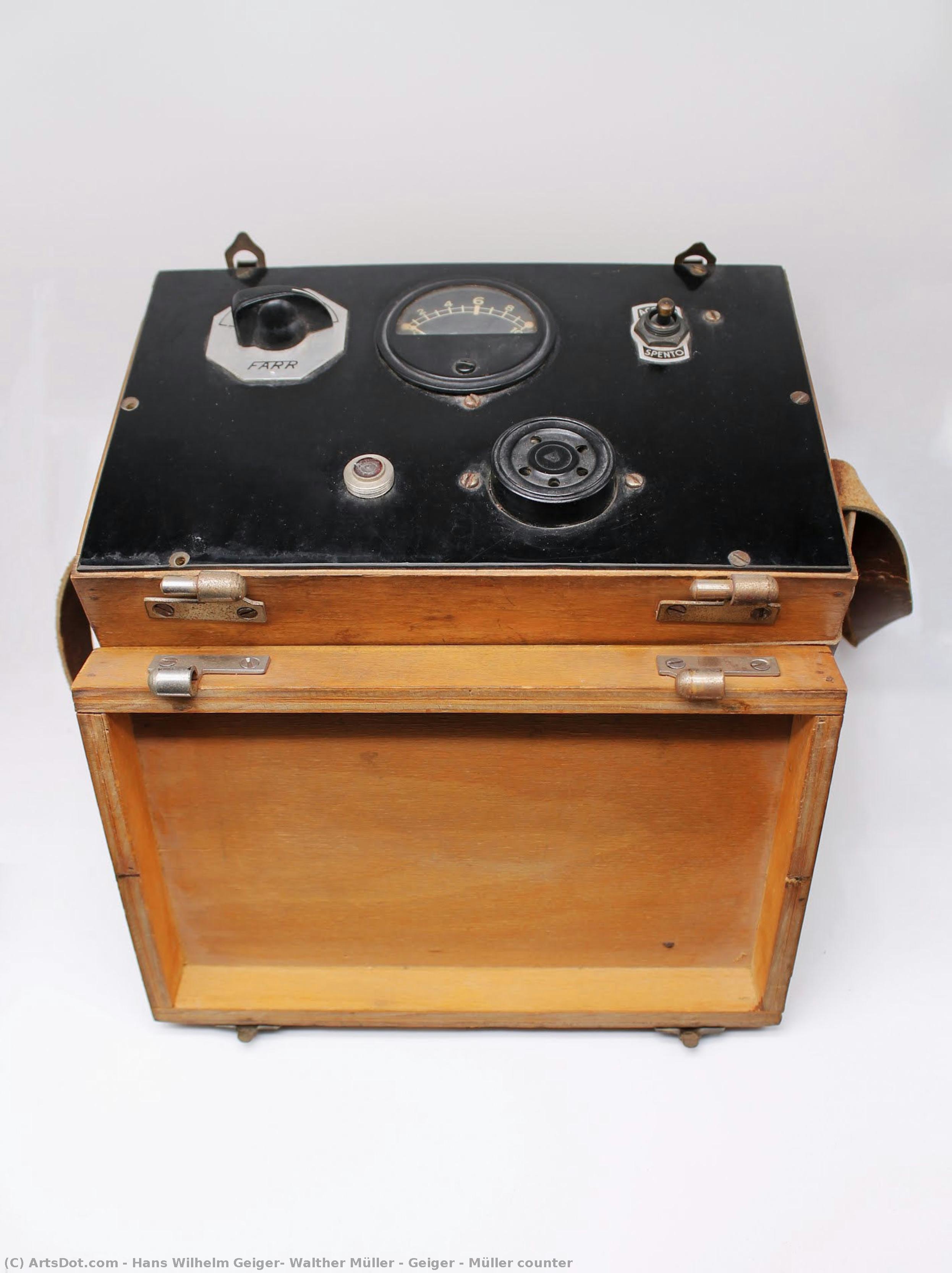
統計情報Geiger - Müller counter

 詳細を見る
詳細を見る
手描き油彩複製画
当社のアーティストが、お客様のご希望のサイズと額縁に合わせて、キャンバスに手描きで制作する油彩画です。 ( プリント版に切り替え デジタル画像販売へ切り替え)




































作品のオリジナル比率に合わせた、当店の規定サイズからお選びください。

特定のフレームやスペースに合わせて、ご希望のサイズをご入力いただけます。選択されたサイズが元の画像の比率と異なる場合、アートワークをトリミングするか、手描きで要素を追加して絵画を拡張いたします。デジタルモックアップ を制作し、制作開始前にご確認(承認)をいただきます。
画面上のプレビューは、実際のトリミングや拡張を正確に反映しているものではありません。最終的な構図は、モックアップによってのみ正確にご確認いただけます。
カスタムサイズもご利用いただけますが、元の比率を維持するためには、あらかじめ用意されたリストからサイズを選択することをお勧めいたします。
ご注文後、ArtsDot.com チームより詳細な指示をお送りするとともに、仕上がりイメージ(モックアップ)をご提供いたします。


 ガラスオプションは、110cm未満のサイズでのみご利用いただけます。

Geiger - Müller counter
複製技法
複製画のサイズ
-


合計金額
$ 263
関連作品









アーティストの略歴
The Unseen Architecture of Matter
In the quiet laboratories of the early twentieth century, a new kind of artistry was being forged—not with pigment or stone, but with the invisible currents of the atom. Hans Wilhelm Geiger, born in the serene landscapes of Neustadt near Haardt, possessed an intellect tuned to the subtle vibrations of the universe. His journey began amidst the academic rigor of Erlangen and Munich, where his early explorations into electrical discharges through gases served as the preparatory sketches for a much grander scientific composition. There was a profound, almost poetic pursuit in his quest to map the unseen, a dedication to capturing the ephemeral dance of particles that would eventually redefine our reality.To Geiger, the vacuum and the gas were canvases upon which the most fundamental truths of nature were written. His early fascination with the way electricity moves through matter provided the technical foundation for what would become one of the most significant breakthroughs in human history. He did not merely observe science; he sought to create a medium through which the silent, invisible world could finally speak to the human senses.
A Symphony of Collaboration and Invention
The true masterpiece of this scientific era emerged through a synergy of minds, most notably during Geiger’s transformative tenure at Manchester University. Working alongside the legendary Ernest Rutherford, Geiger entered a period of intense creative and scientific friction, much like an artist finding their voice through the mastery of light and shadow. It was within this collaborative atmosphere that the foundations of the Geiger counter were laid. Recognizing the limitations of existing methods for detecting radioactive decay, Geiger conceived of a revolutionary instrument—an ionization chamber that could translate the silent strikes of radiation into measurable data.However, the brilliance of this work reached its zenith through his partnership with Walther Müller. If Geiger provided the initial vision, Müller provided the refinement necessary to turn a laboratory experiment into a universal tool. Together, they developed the Geiger-Müller tube, a device that stands as a triumph of both engineering and observation. This instrument utilized the Townsend avalanche phenomenon to produce an easily detectable electronic pulse from even a single ionizing event. Their work transformed the chaotic, invisible bombardment of alpha, beta, and gamma particles into a rhythmic, audible, and quantifiable pulse—a heartbeat for the atomic age.
The Eternal Pulse of Discovery
The impact of their work transcends the boundaries of the laboratory, echoing through the decades as a fundamental pillar of modern physics. The Geiger-Müller tube remains a ubiquitous presence in our world today, a testament to a design so elegant and functional that it has become an essential part of our scientific lexicon. Their ability to capture the fleeting moment of an ionizing event represents a triumph of precision over the ephemeral.As we reflect upon their contributions, we see more than just the invention of a counter; we see the unveiling of the atomic nucleus itself. The legacy of Hans Wilhelm Geiger and Walther Müller is written in every measurement of radiation and every exploration of the subatomic realm. They taught us how to listen to the silent language of the universe, leaving behind a scientific heritage that continues to illuminate the darkest, most hidden corners of existence.
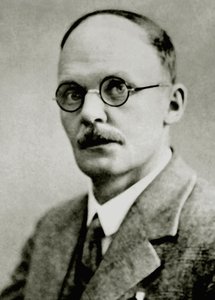
hans wilhelm geiger, walther müller
1882 - 1945 , Germany
基本情報
- Artistic Movement Or Style: Scientific Instrumentation
- Artists Or Movements Influenced By This Artist: ['Rutherford Scattering Experiments']
- Artists Who Influenced This Artist: ['Ernest Rutherford']
- Date Of Birth: 1882
- Full Name: Hans Wilhelm Geiger & Walther Müller
- Nationality: German
- Notable Artworks: ['Geiger-Müller counter']
- Place Of Birth: Neustadt near Haardt, Germany