


 プレビュー
プレビュー
 プリントを購入
 シェアする
シェアする シェアする
シェアする
 詳細を見る
詳細を見る

 ダウンロード
 似ている作品
 X線調査
X線調査 スライドショー
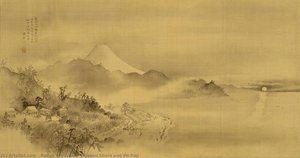
View of Mt. Fuji and Miho-no-Matsubara

 詳細を見る
詳細を見る
オンラインプレビューをはるかに凌ぐ、高解像度で鮮明なデジタル画像をご購入いただけます。
各ファイルは、社内の専門家が高度なツールと熟練した手作業によるレタッチを用いて、細心の注意を払って準備されています。すべての画像において、卓越した鮮明度、正確な色彩再現性、そして繊細なディテールを保証いたします。
最終ファイルは、プロフェッショナルな編集・印刷環境ですぐにご利用いただけるよう最適化された状態で、72時間以内にメールにてお届けいたします。これは、一流のデザインスタジオ、出版社、ギャラリーから信頼されているものと同等の品質です。
デジタル画像のご注文に付随する特典
高品質なデジタル画像配信を、確かな品質で。
ArtsDot.com を選ぶことは、単に画像を手に入れることではありません。それは、プロの手によって精密に仕上げられ、満足保証が付いた高品質なデジタルアートワークを受け取ることを意味します。ご注文いただいた際に自動的に付随する内容は、以下の通りです:

メールですぐにお届け
ご注文から72時間以内に、高解像度のデジタル画像ファイルがメールでお手元に届きます。すぐにそのままご利用いただけます。

AI技術で最適化されたデジタルファイル
お客様の作品は、高度なAIツールと専門家による手作業の編集を組み合わせてプロフェッショナルに最適化されており、細部のディテール、鮮明さ、そして正確な色再現性を最大限に引き出しています。

一生涯無料の再送サービス
ファイルを誤って削除したり、紛失してしまったりしましたか?ご安心ください。いつでも無料で再送いたします。

輸入手数料は一切かかりません
関税や手数料、配送料を気にすることなく、お気に入りのアートワークをすぐにお楽しみいただけます。デジタルダウンロードは常に免税です。

色彩再現の保証
プロ仕様のツールとカラーマネジメント技術を用いることで、デジタル画像が元の色を最大限に忠実に再現することを保証いたします。

60日間満足保証
ご購入いただいたデジタル画像にご満足いただけない場合は、60日以内であれば、修正または100%の返金(理由を問う必要はありません)をさせていただきます。

100% 返金保証
ご満足いただけない場合は、デジタルファイルを受け取ってから60日以内であれば、理由を問わず全額返金いたします。

まとめ買い割引
3枚購入で10%OFF - 5枚購入で15%OFF - 10枚以上購入で20%OFF。クリエイティブなプロジェクト、ギャラリー、エージェンシーに最適です。
関連作品
作家の略歴
Hara Zaichū: The Quiet Master of Kyoto’s Artistic Heart
Hara Zaichū (1750-1837), born Hara Chien, stands as a pivotal figure in Japanese art history – the founding patriarch of the esteemed Hara School. His life unfolded entirely within the serene landscapes of Kyoto, a city that profoundly shaped his artistic vision and served as the enduring backdrop for his remarkable career. Unlike many artists who sought fortune or fame beyond their birthplace, Zaichū remained deeply rooted in Kyoto, dedicating himself to honing his craft and quietly influencing generations of painters. His story is one of quiet dedication, masterful technique, and a profound connection to Buddhist principles, all expressed through the evocative beauty of ink and color on silk.Early Life and Artistic Training
Zaichū’s origins were far removed from the world of high art. His family were sake brewers, a humble profession that nonetheless instilled in him a strong work ethic and an appreciation for detail – qualities he would later translate into his paintings. However, Zaichū harbored a fervent passion for painting, a desire that superseded familial expectations. Recognizing this dedication, he sought out the most prestigious artistic training available at the time: the Kanō School. Under the tutelage of the renowned master painter Ishida Yutei (1721–86), Zaichū immersed himself in the rigorous techniques and traditions of classical Japanese painting. Crucially, he also benefited from instruction in Buddhist painting by Yamamoto Tan’en (d. 1816), a connection that profoundly shaped his artistic sensibilities and informed many of his subjects. This dual training – mastering the formal structures of the Kanō School while absorbing the spiritual depth of Buddhist art – proved to be the bedrock of his unique style. It's also worth noting that Zaichū had access to, and studied alongside, Maruyama Ōkyo (1733–95), a figure whose influence on Japanese painting is undeniable, though the precise nature of their relationship remains debated by scholars.The Development of the Hara School
Following Ishida Yutei’s death in 1786, Zaichū assumed leadership of his studio, effectively establishing the Hara School. Unlike many other schools that rigidly adhered to established lineages and techniques, the Hara School embraced a more flexible approach. While retaining core elements of Kanō painting – meticulous brushwork, precise composition, and a deep understanding of perspective – Zaichū subtly infused it with his own distinctive style. He favored landscapes and figures, often depicting scenes of quiet contemplation and natural beauty. His paintings are characterized by a remarkable sense of atmosphere, achieved through the skillful layering of ink washes and subtle color variations. A key element of the Hara School’s philosophy was its emphasis on *shitsuga* (質画) – innate artistic talent – combined with *gakuga* (学画) – learned technique. Pupils were rigorously trained in copying exemplary works, a process designed to cultivate both technical proficiency and an appreciation for aesthetic ideals.Themes and Style
Zaichū’s paintings are renowned for their serene beauty and profound sense of atmosphere. He frequently depicted landscapes – mountains shrouded in mist, rivers flowing through valleys, and gardens teeming with life – often imbued with a subtle spiritual quality. Figures appeared less frequently than landscapes, but when present, they were typically rendered with quiet dignity and an air of contemplation. His use of ink was masterful, creating delicate washes that conveyed texture, light, and shadow with remarkable subtlety. He skillfully employed color to enhance the mood and atmosphere of his scenes, favoring muted tones and harmonious palettes. A hallmark of Zaichū’s style is his ability to capture the essence of a scene – not merely its physical appearance, but also its underlying spirit or feeling. His work reflects a deep appreciation for nature and a profound understanding of Buddhist principles, particularly the concept of *wabi-sabi* – finding beauty in imperfection and transience.Legacy and Influence
Hara Zaichū’s influence extended far beyond his own lifetime. He served as an imperial court painter, contributing paintings to various temples and shrines throughout Kyoto, including the Kyoto Imperial Palace. His work helped to shape the artistic landscape of Kyoto during the Edo period, establishing a distinct aesthetic that would be carried on by subsequent generations of Hara School painters. The school continued to thrive for over a century after Zaichū’s death, producing numerous talented artists who further refined and developed his legacy. Today, Zaichū is remembered as one of Japan's most important landscape painters, a master of ink and color whose work continues to inspire admiration and appreciation. His quiet dedication, combined with exceptional artistic skill, cemented his place as the founder of a school that profoundly impacted Japanese art history.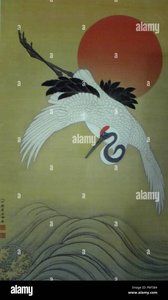
hara zaichū
1750 - 1837 , Japan
プロフィール概要
- Artistic Movement Or Style: Hara School painter
- Artists Or Movements Influenced By This Artist:
- Kanō School
- Hara School
- Artists Who Influenced This Artist:
- Ishida Yutei
- Yamamoto Tan'en
- Date Of Birth: 1750
- Date Of Death: 1837
- Full Name: Hara Zaichū (致遠)
- Nationality: Japanese
- Notable Artworks:
- Ink landscapes
- Figure paintings
- Buddhist art
- Place Of Birth: Kyoto, Japan

