

 プレビュー
プレビュー
 シェアする
シェアする シェアする
シェアする
 詳細を見る
詳細を見る

 ダウンロード
 似ている作品
 X線調査
X線調査 スライドショー
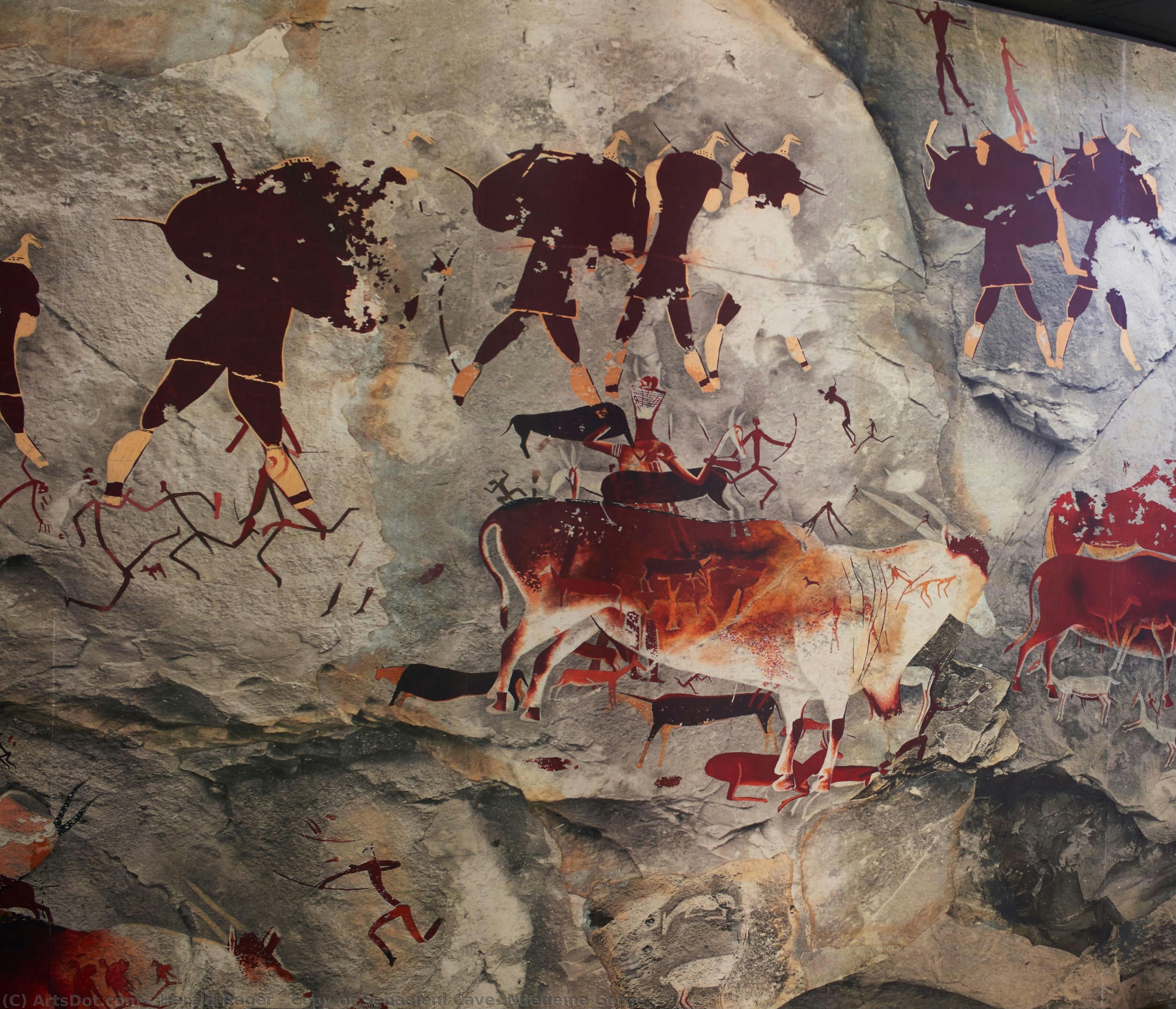
Copy of Sebaaieni Cave, Ndedema Gorge


 詳細を見る
詳細を見る
ジークレー/アートプリント
迅速な制作と多彩な仕上げオプションを備えた、ミュージアムクオリティのジークレーまたはキャンバスプリント。 ( 手描きの絵画を購入 画像を購入)




P118B $10

P118H $10

P118W $10

P438Z $10

P508JH $12

P508YH $12

P805H $10

P805Z $10

P919BZ $10

P919G $10

P919XJ $10

P959ZH $10

P968JZ $12

W106C $8

W218G $10

W218JH $8

W218Y $10

W307PJ $10

W316G $10

W316PJ $8

W316Y $10

W398PJ $8

W4111J $10

W500HY $15

W500JH $15

W692G $12

W849H $8

W940BG $15

W953PJ $8




作品のオリジナル比率に合わせた、当店の規定サイズからお選びください。

特定のフレームやスペースに合わせて、ご自身でサイズを指定することも可能です。選択されたサイズが元の画像の比率と一致しない場合、作品をトリミングするか、鏡面反射または単色での塗りつぶしによって画像を拡張いたします。制作を開始する前に、ご確認用のデジタルモックアップをお送りいたします。
画面上のプレビューには、実際のトリミングや拡張は反映されませんのでご注意ください。最終的な構図を正確に確認できるのは、モックアップのみとなります。
カスタムサイズも承っておりますが、元の比率を維持するためには、あらかじめ用意されたリストからサイズを選択することをお勧めいたします。


 ガラスオプションは、110cm未満のサイズでのみご利用いただけます。

Copy of Sebaaieni Cave, Ndedema Gorge
ジークレー/アートプリント
複製画のサイズ
-


合計金額
$ 62
A Journey Through Time: The Living Landscape of Ndedema Gorge
In the evocative painting Copy of Sebaaieni Cave, Ndedema Gorge, the viewer is transported into a rhythmic dance of life and movement across an ancient, rugged terrain. This piece, a masterful reproduction of work by the dedicated Austrian artist Harald Pager, captures more than just a landscape; it captures a moment of profound connection between humanity, livestock, and the earth. The composition unfolds with a sense of wandering grace, as a group of figures traverses the crest of a weathered rock formation. There is an inherent vitality in the way the subjects are positioned—some pressing forward into the distance while others linger in the foreground—creating a cinematic depth that draws the eye through the undulating contours of the stone.
The presence of cows, wandering peacefully amidst the travelers, adds a layer of pastoral serenity to the scene. These animals serve as anchors of stillness within the movement, grounding the human activity in a cycle of traditional life that feels both timeless and deeply rooted in the geography of the gorge. The interplay between the figures, carrying the tools of their journey such as backpacks and handbags, suggests a narrative of migration, trade, or perhaps a seasonal pilgrimage. It is a scene that breathes with the quiet energy of a community in motion, making it an ideal centerpiece for those who wish to bring a sense of adventure and organic warmth into their living spaces.
The Legacy of Harald Pager: Preserving Ancient Narratives
To understand the soul of this artwork, one must look to the hands that recreated it. Harald Pager (1923–1985) was not merely a painter but a custodian of heritage. Driven by an intense fascination with the San/Bushman rock art of Southern Africa, Pager dedicated much of his career to meticulously documenting and replicating the intricate symbols etched into ancient sandstone canvases. His background in European Expressionism and Surrealism allowed him to approach these indigenous motifs with a unique sensitivity, blending the raw, primal power of prehistoric imagery with a sophisticated painterly technique.
In this specific work, Pager’s influence is felt in the way he translates the rugged textures of the Ndedema Gorge into a visual language that resonates with modern sensibilities. While the subject matter pays homage to the historical significance of the Sebaaieni Cave and its surrounding landscapes, the execution possesses a fluid, almost lyrical quality. For collectors and interior designers, this piece offers a rare opportunity to own a fragment of preserved history—a bridge between the ancient traditions of the San people and the contemporary appreciation for fine, narrative-driven art.
A Masterpiece for the Discerning Collector
For those looking to curate an environment of depth and storytelling, Copy of Sebaaieni Cave, Ndedema Gorge serves as a profound focal point. The artwork’s palette and composition are designed to evoke emotion, stirring feelings of nostalgia, wanderlust, and respect for the natural world. Whether placed in a sunlit gallery, a sophisticated study, or a contemporary living room, the painting introduces a layer of intellectual and aesthetic richness that transcends mere decoration.
The emotional impact of the piece lies in its ability to make the viewer feel like a silent participant in the journey. It invites contemplation on the passage of time and the enduring relationship between humans and the landscapes they inhabit. As a high-quality reproduction, it brings the rugged beauty of the Ndedema Gorge into the home, offering an enduring sense of peace and a window into a world where every movement is part of a much larger, ancient story.
関連作品

アーティストの略歴
The European Genesis of a Global Visionary
Born in the heart of Austria in 1923, Harald Pager’s artistic consciousness was initially forged within the sophisticated and emotive currents of European modernism. His early years were steeped in the profound psychological depth of Expressionism and the dreamlike, structured distortions of Surrealism, drawing significant inspiration from masters such as Ernst Ludwig Kirchner and the quiet, sculptural elegance of Giorgio Morandi. This foundation in graphic design and painting provided him with a rigorous technical discipline, yet it was a burgeoning fascination with the primal narratives of the ancient world that would eventually redirect his creative compass. By the early 1960s, Pager’s gaze shifted from the avant-garde studios of Europe toward the sun-drenched, weathered landscapes of Southern Africa, where he encountered a visual language far older and more visceral than any modern movement.This transition marked the beginning of a lifelong devotion to a different kind of storytelling—one etched into the very bones of the earth. As he moved away from the stylized abstractions of his youth, he found himself drawn to the rhythmic, symbolic power of indigenous traditions, setting the stage for a career that would transcend mere painting and become an act of historical preservation.
A Custodian of Ancient Narrates
The encounter with San and Bushman rock art was nothing short of transformative for Pager, igniting a profound mission to document the ephemeral before it vanished into the shadows of time. He recognized that the intricate stories etched onto ancient sandstone canvases were under constant threat from the elements, prompting him to act as a vital bridge between the prehistoric past and the modern era. His work became a meticulous crusade of preservation, where he sought to replicate the complex symbols and rhythmic depictions found in remote caves across Southern Africa. Through his eyes, the rock art was not merely static imagery but a living history—a dance of humanity, livestock, and nature that demanded a faithful witness.In his evocative reproductions, such as those depicting the Ndedema Gorge, Pager captured more than just a landscape; he captured a moment of profound connection between the earth and its original inhabitants. His dedication ensured that these vanishing legacies would continue to resonate within institutions like the Rock Art Research Institute, providing a window into a world where every line and figure held deep spiritual significance. By meticulously recreating these remote images, Pager became a custodian of heritage, ensuring that the ancestral narratives of the San people remained visible to a global audience.
The Alchemy of Texture and Spirit
To achieve a true resonance with the ancient surfaces he studied, Pager developed a highly specialized methodology that blended scientific precision with artistic intuition. He did not merely seek to paint; he sought to reconstruct the very essence of the stone itself. To mirror the rugged, tactile depth characteristic of ancient sandstone, he employed a unique combination of watercolor pigments mixed with resin. This technique allowed him to achieve vibrant yet weathered hues and a textural complexity that faithfully mimicked the appearance of original cave walls.Each reproduction was an arduous labor of love, requiring hours of painstaking observation to ensure that the medium captured both the visual likeness and the underlying spirit of the subject. This technical mastery allowed Pager to present more than just a copy; he presented a resurrection of the ancient. Through his skillful execution, the textures of the rock and the vitality of the figures seemed to breathe once more, inviting viewers to step into a timeless landscape where the boundaries between art, history, and nature are beautifully blurred.

harald pager
1923 - 1985 , Austria
基本情報
- Artistic Movement Or Style: Rock Art Replication
- Date Of Birth: 1923
- Full Name: Harald Pager
- Nationality: Austrian
- Notable Artworks: ['Copy of Sebaaieni Cave']
- Place Of Birth: Austria
関連記事
大型装飾画のフレーム構造とキャンバス張り:フリーランスデコレーター向け専門ガイド
フリーランスデコレーター向け:大型装飾画のフレーム構造とキャンバス張りの専門ガイド。素材選びからプロのテクニック、トラブルシューティングまで網羅。ArtsDot.comで高品質なアート作品を提供しましょう。

ArtsDot.com F.A.Q.: 大判フレームキットの組み立て:至高のコレクターのためのガイド
ArtsDot.comの至高のコレクター向けガイド。大判フレームキットの選び方、組み立て手順、設置の注意点をプロの視点から解説。作品を美しく保護し、コレクションの価値を高めるための情報が満載です。

ルーブル美術館の至宝25選:名画と芸術史を巡る旅 | ArtsDot
ルーブル美術館の至宝25選。レオナルド・ダ・ヴィンチ、ミロのヴィーナス…名画の歴史と感動を紐解きます。複製画やインテリアアートも豊富に。ArtsDotで、あなただけの芸術空間を。

ポール・セザンヌ:至高の25選 - 傑作と革新の軌跡 | ArtsDot
ポール・セザンヌの至高の25選。ポスト印象派を代表する画家、セザンヌの傑作と革新的な技法を紐解きます。ArtsDotで高品質な複製画やインテリアアートを見つけ、芸術の世界をご自宅に。今すぐコレクションをご覧ください。
Louis Bosworth Hurt: Capturing Atmospheric Light in the Scottish Highlands
Explore the serene landscapes & majestic Highland cattle paintings of Louis Bosworth Hurt (1856-1929). Discover his mastery of atmospheric perspective and lasting legacy in British art. Learn more at ArtsDot.