

 プレビュー
プレビュー
 プリントを購入
 シェアする
シェアする シェアする
シェアする
 詳細を見る
詳細を見る

 ダウンロード
 似ている作品
 X線調査
X線調査 スライドショー
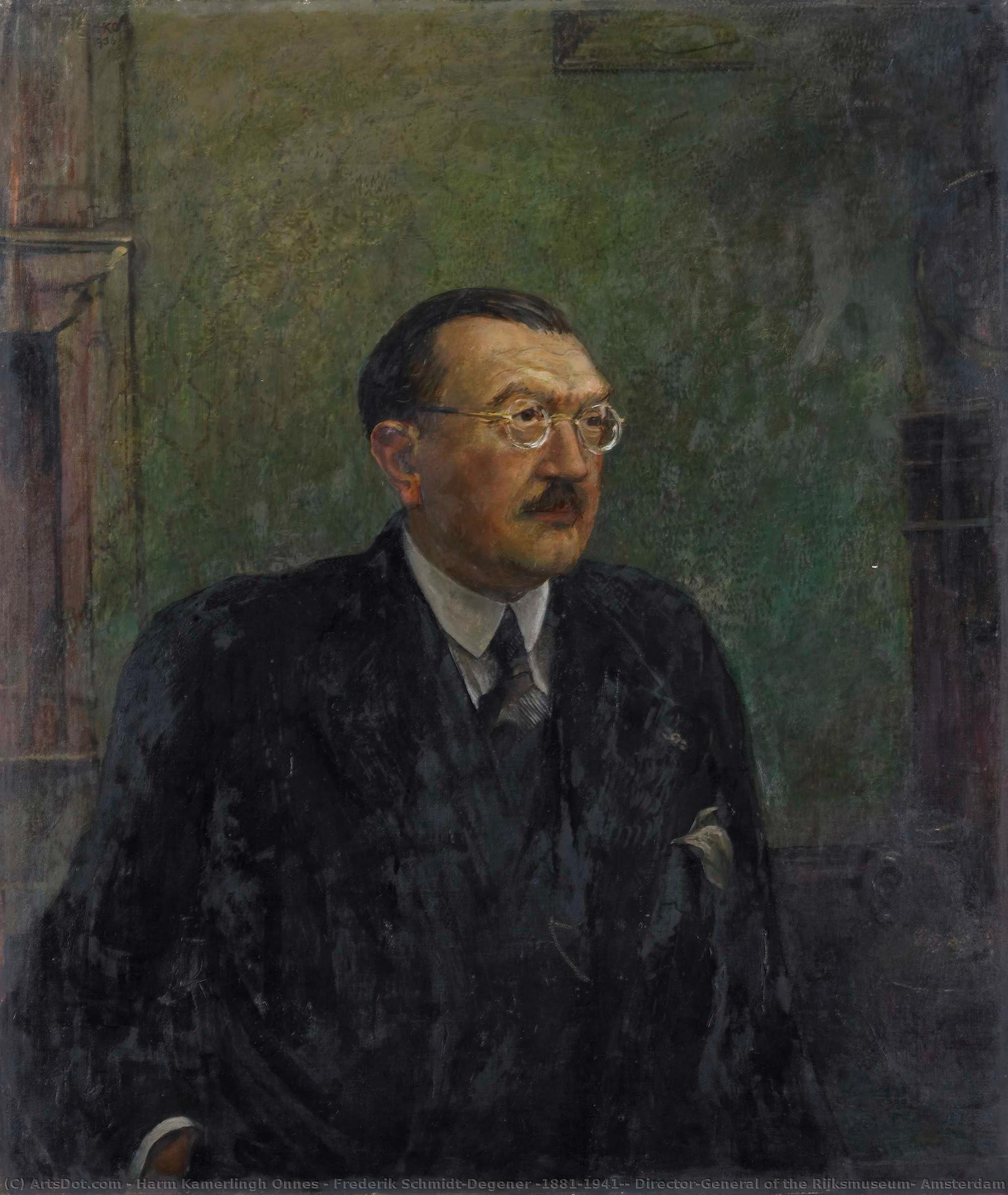
Frederik Schmidt-Degener (1881-1941), Director-General of the Rijksmuseum, Amsterdam (1922-41), Harm Kamerlingh Onnes, 1936
 1936
1936 97.0 x 84.0 cm
 詳細を見る
詳細を見る
オンラインプレビューをはるかに凌ぐ、高解像度で鮮明なデジタル画像をご購入いただけます。
各ファイルは、社内の専門家が高度なツールと熟練した手作業によるレタッチを用いて、細心の注意を払って準備されています。すべての画像において、卓越した鮮明度、正確な色彩再現性、そして繊細なディテールを保証いたします。
最終ファイルは、プロフェッショナルな編集・印刷環境ですぐにご利用いただけるよう最適化された状態で、72時間以内にメールにてお届けいたします。これは、一流のデザインスタジオ、出版社、ギャラリーから信頼されているものと同等の品質です。
デジタル画像のご注文に付随する特典
高品質なデジタル画像配信を、確かな品質で。
ArtsDot.com を選ぶことは、単に画像を手に入れることではありません。それは、プロの手によって精密に仕上げられ、満足保証が付いた高品質なデジタルアートワークを受け取ることを意味します。ご注文いただいた際に自動的に付随する内容は、以下の通りです:

メールですぐにお届け
ご注文から72時間以内に、高解像度のデジタル画像ファイルがメールでお手元に届きます。すぐにそのままご利用いただけます。

AI技術で最適化されたデジタルファイル
お客様の作品は、高度なAIツールと専門家による手作業の編集を組み合わせてプロフェッショナルに最適化されており、細部のディテール、鮮明さ、そして正確な色再現性を最大限に引き出しています。

一生涯無料の再送サービス
ファイルを誤って削除したり、紛失してしまったりしましたか?ご安心ください。いつでも無料で再送いたします。

輸入手数料は一切かかりません
関税や手数料、配送料を気にすることなく、お気に入りのアートワークをすぐにお楽しみいただけます。デジタルダウンロードは常に免税です。

色彩再現の保証
プロ仕様のツールとカラーマネジメント技術を用いることで、デジタル画像が元の色を最大限に忠実に再現することを保証いたします。

100日間満足保証
ご購入いただいたデジタル画像にご満足いただけない場合は、100日以内であれば、修正または100%の返金(理由を問う必要はありません)をさせていただきます。

100% 返金保証
ご満足いただけない場合は、デジタルファイルを受け取ってから100日以内であれば、理由を問わず全額返金いたします。

まとめ買い割引
3枚購入で10%OFF - 5枚購入で15%OFF - 10枚以上購入で20%OFF。クリエイティブなプロジェクト、ギャラリー、エージェンシーに最適です。
関連作品






作家の略歴
A Life Immersed in Dutch Light and Everyday Moments
Harm Henrick Kamerlingh Onnes, born on February 15th, 1893, in the quaint village of Zoeterwoude-Dorp, Netherlands, was an artist whose career unfolded as a quiet yet persistent exploration of Dutch life. He wasn’t a painter of grand historical narratives or sweeping landscapes; instead, Kamerlingh Onnes found beauty and meaning in the small vignettes of daily existence, capturing the humor, warmth, and subtle poetry of ordinary moments with remarkable sensitivity. His long life, spanning nearly a century until his death in Leiden on May 20th, 1985, was one dedicated to observation, refinement, and a uniquely personal artistic vision. He came from an exceptionally creative family; his father, Menso Kamerlingh Onnes, was a respected painter associated with The Hague School, providing young Harm with early encouragement and foundational lessons. This familial connection proved pivotal, granting him access to the world of art without the constraints of formal academic training—a freedom that would shape his independent style. Further enriching his artistic lineage were uncles who excelled in diverse fields: Floris Verster, a painter, and the Nobel laureate physicist Heike Kamerlingh Onnes, whose intellectual curiosity undoubtedly permeated the atmosphere of his upbringing.From Modernist Experimentation to Figuration
Kamerlingh Onnes’s artistic journey began amidst the burgeoning currents of modernism. During his formative years, from approximately 1915 to 1925, he engaged with abstract forms and stylistic experimentation. This period saw him involved with De Stijl, a Dutch artistic movement known for its geometric purity and reductionist aesthetic. In 1918, he contributed designs for stained-glass windows for Jacobus Oud’s vacation home, “De Vonk,” showcasing his early embrace of modernist principles. However, this exploration wasn't merely an adherence to dogma; it was a period of searching, a necessary phase before discovering his true artistic voice. A pivotal moment arrived after a visit to the studio of Piet Mondrian. It was there that Kamerlingh Onnes realized abstract art simply didn’t resonate with his inherent inclination towards representing the tangible world. This realization marked a decisive shift in his trajectory. From 1925 onward, he resolutely committed himself to figurative work, focusing almost exclusively on scenes from everyday life. He wasn't interested in idealized representations or dramatic compositions; instead, he sought to capture the essence of reality with honesty and wit.A Master of Observation: Themes and Techniques
The core of Kamerlingh Onnes’s artistic output lies in his ability to transform seemingly mundane subjects into captivating narratives. His paintings, watercolors, and gouaches depict scenes of domestic life, bustling city streets, charming coastal towns, and intimate portraits—all rendered with a keen eye for detail and a gentle sense of humor. He possessed an exceptional talent for capturing character, imbuing his figures with personality and warmth. While he often worked in oil, watercolor became a favored medium, allowing him to achieve a delicate luminosity and subtle tonal variations that perfectly suited his subject matter. His technique was characterized by precision and refinement, yet never at the expense of spontaneity or emotional resonance. He wasn’t interested in grand gestures; instead, he focused on capturing fleeting moments, the nuances of human interaction, and the quiet beauty of everyday surroundings. Beyond painting, Kamerlingh Onnes demonstrated versatility as a ceramist and designer, creating tile panels and even designs for Dutch postage stamps—a testament to his adaptability and broad artistic skill set.Connections to Science and Public Life
Kamerlingh Onnes’s life wasn't confined solely to the realm of art; it was interwoven with the intellectual currents of his time, particularly through his family connections to the scientific community. His uncle Heike Kamerlingh Onnes, a Nobel laureate in physics, fostered an environment of curiosity and exploration that undoubtedly influenced his artistic perspective. This connection manifested itself in several intriguing commissions: designs for stained-glass windows depicting discoveries made by physicists Pieter Zeeman and Hendrik Lorentz. These weren’t merely decorative elements; they were visual representations of complex scientific concepts, blending art and intellect in a unique and compelling way. He also created portraits of prominent scientists like Albert Einstein and Paul Ehrenfest, further solidifying his connection to the world of academia. His involvement extended beyond private commissions; he was an active member of several prestigious artists’ societies—Pulchri Studio and Arti et Amicitiae among them—and contributed to the Nederlandse Federatie van Beroepsverenigingen van Kunstenaars, demonstrating a commitment to the broader artistic community.Legacy and Historical Significance
Although Kamerlingh Onnes didn’t achieve widespread fame during his lifetime, his work has garnered increasing recognition in recent years as scholars and collectors rediscover the quiet brilliance of his oeuvre. He represents a fascinating bridge between traditional Dutch painting and modern applied arts—a unique voice that blended realism with subtle humor and intellectual curiosity. His paintings offer a poignant glimpse into 20th-century Dutch life, capturing the essence of everyday moments with honesty and sensitivity. His monogram, HKO, became synonymous with a distinctive style characterized by meticulous observation, gentle wit, and a profound appreciation for the beauty of the ordinary. While he may not be a household name, Harm Kamerlingh Onnes’s legacy endures as a testament to the power of quiet contemplation, skillful execution, and a uniquely personal artistic vision—a reminder that true artistry often lies in finding beauty in the most unexpected places. His work continues to resonate with those who appreciate the subtle poetry of everyday life.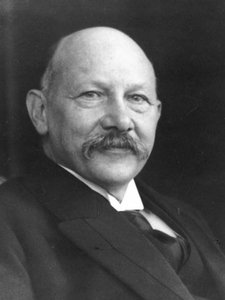
プロフィール概要
- Artistic Movement Or Style: Modernism, Figurative painting
- Artists Who Influenced This Artist:
- Menso Kamerlingh Onnes
- Floris Verster
- Bart van der Leck
- Date Of Birth: February 15, 1893
- Date Of Death: May 20, 1985
- Full Name: Harm Henrick Kamerlingh Onnes
- Nationality: Dutch
- Notable Artworks:
- Stained-glass windows
- Humorous vignettes
- Portraits
- Ceramic vessels
- Place Of Birth: Zoeterwoude, Netherlands