

 プリントを購入
 シェアする
シェアする シェアする
シェアする
 詳細を見る
詳細を見る

 ダウンロード
 似ている作品
 スライドショー
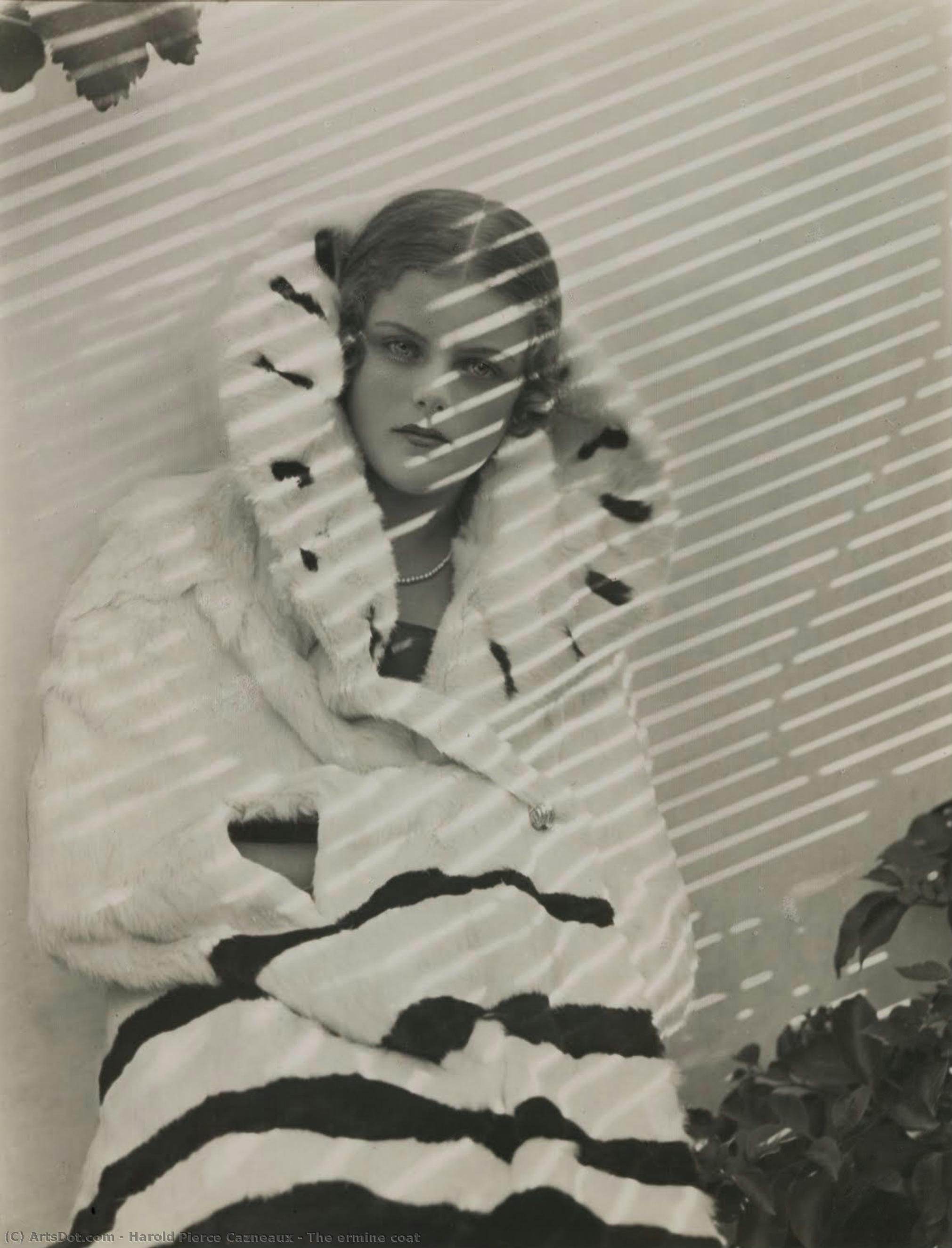
The ermine coat
 Black and White Photography
- Photo
 1931
1931- Modern
 22.0 x 28.0 cm
 南オーストラリア・ギャラリー
 詳細を見る
詳細を見る




































作品のオリジナル比率に合わせた、当店の規定サイズからお選びください。

特定のフレームやスペースに合わせて、ご希望のサイズをご入力いただけます。選択されたサイズが元の画像の比率と異なる場合、アートワークをトリミングするか、手描きで要素を追加して絵画を拡張いたします。デジタルモックアップ を制作し、制作開始前にご確認(承認)をいただきます。
画面上のプレビューは、実際のトリミングや拡張を正確に反映しているものではありません。最終的な構図は、モックアップによってのみ正確にご確認いただけます。
カスタムサイズもご利用いただけますが、元の比率を維持するためには、あらかじめ用意されたリストからサイズを選択することをお勧めいたします。
ご注文後、ArtsDot.com チームより詳細な指示をお送りするとともに、仕上がりイメージ(モックアップ)をご提供いたします。


 ガラスオプションは、110cm未満のサイズでのみご利用いただけます。

The ermine coat
複製技法
複製画のサイズ
-


合計金額
$ 263
A Study in Monochrome Elegance
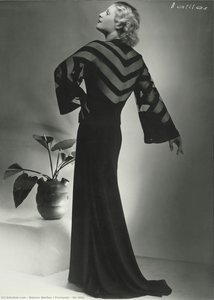
In the quiet, silvered depths of Harold Pierce Cazneaux’s 1931 photograph, "The ermine coat," we encounter a moment frozen in time that transcends mere portraiture to become a poetic meditation on texture and grace. The image presents a woman enveloped in the luxurious weight of a fur-trimmed coat, her head partially shrouded by a hood that lends an air of mystery and soft seclusion. As a master of the pictorialist movement, Cazneaux does not simply document a subject; he sculpts with light. The monochromatic palette strips away the distractions of color, forcing the viewer to confront the tactile reality of the ermine—the way the light catches the individual fibers of the fur and the heavy, elegant drape of the fabric against the stillness of the background.
The composition is a masterclass in balanced intimacy. While the woman remains the undeniable focal point, her presence is harmoniously framed by subtle elements of the natural world. Two potted plants, positioned with deliberate artistic intent at the periphery, breathe a quiet vitality into the scene. This juxtaposition between the sophisticated, man-made luxury of the ermine and the organic simplicity of the greenery creates a profound dialogue between civilization and nature. The soft focus characteristic of Cazneaux’s technique softens the edges of the world, inviting the observer to step into a dreamlike state where the boundaries between reality and impression blur.
The Legacy of Pictorialist Vision
To understand the emotional resonance of this piece, one must look to the historical context of Cazneaux’s career. As a pioneer of Australian photography, he sought to elevate the medium from a technical craft to a high art form capable of expressing deep, subjective truths. In "The ermint coat," we see the influence of his upbringing in a family of painters and colorists; he approaches the camera with the eye of a fine artist. The photograph carries the weight of the 1930s aesthetic—a period marked by a yearning for elegance and a romanticized view of the individual amidst a changing world. There is a palpable sense of nostalgia within the frame, a quiet dignity that speaks to a lost era of sartorial splendor.
For the discerning collector or interior designer, this work offers more than just visual beauty; it provides an atmospheric anchor for a sophisticated space. The subtle interplay of shadows and highlights makes it a versatile masterpiece, capable of adding depth to a minimalist modern gallery or providing a soulful, vintage touch to a classic study. It is a piece that demands slow contemplation, rewarding the viewer with new details upon every encounter—the soft curve of a scarf, the delicate silhouette of a leaf, or the hauntingly beautiful gaze of a subject lost in thought. Owning a reproduction of such a significant work is an invitation to surround oneself with the enduring spirit of photographic poetry.
関連作品
![Retrato De Lo Eterno [portrait Of The Eternal] — Manuel Álvarez Bravo](/media/artworks/images-thumb/69/1d/691d2cefecf85d79201437f1b00cac91.jpg)
アーティストの略歴
A Pioneer of the Australian Lens: The Life and Legacy of Harold Pierce Cazneaux
Harold Pierce Cazneaux, a name synonymous with the blossoming of pictorial photography in Australia, was more than just a photographer; he was a visual poet who captured the spirit of a nation finding its identity. Born in Wellington, New Zealand, on March 30th, 1878, his journey began amidst artistic inclinations – his mother, Emily Florence Bentley Cazneaux, was a skilled colourist and miniature painter. The family’s relocation to Adelaide in 1890 proved pivotal, immersing young Harold in the world of commercial photography through his father's work at Hammer & Co. This early exposure wasn’t merely technical training; it was an apprenticeship in seeing, in understanding light and composition, laying the foundation for a career that would redefine Australian photographic artistry. He honed these skills further with evening classes at the School of Design, Painting, and Technical Art, bridging the gap between traditional artistic disciplines and the emerging medium of photography.From Sydney Studios to Pictorial Mastery
Cazneaux’s move to Sydney in 1904 marked a turning point. His employment with Freeman & Co. quickly saw him rise through the ranks, eventually becoming manager and chief operator. However, it wasn't simply professional advancement that fueled his growth; it was the burgeoning artistic community he encountered. In 1916, alongside luminaries like Cecil Bostock, James Stening, and Henri Mallard, Cazneaux founded the Sydney Camera Circle – a collective dedicated to elevating photography beyond mere documentation and into the realm of fine art. This group championed pictorialism, an international movement that sought to imbue photographs with emotional resonance and aesthetic beauty, often mimicking the techniques of painting and etching. Cazneaux became a leading figure in this movement within Australia, advocating for a distinctly Australian approach – one that embraced the unique qualities of light and landscape found on the continent. He believed in capturing “truly Australian sunshine effects,” rejecting the prevailing British preference for subdued tones.A Legacy Etched in Light and Shadow
Cazneaux’s artistic vision extended far beyond studio portraits, though he excelled at those as well – his striking image of Anna Pavlova is a testament to his ability to capture both physical grace and inner character. He was equally adept at landscape photography, transforming familiar scenes into evocative studies of light, texture, and mood. His work wasn’t simply about *representing* the Australian environment; it was about *interpreting* it, imbuing it with a sense of poetry and longing. He produced numerous books showcasing his vision, including “Canberra, Australia's Federal Capital” (1928), “Sydney Surfing” (1929) and "The Sydney Book" (1931). These publications weren’t just collections of photographs; they were carefully curated narratives that celebrated the beauty and diversity of Australian life. His achievements garnered international recognition, culminating in his honorary fellowship from the Royal Photographic Society of Great Britain in 1937 – a first for an Australian photographer. He regularly exhibited at the London Salon of Photography between 1911 and 1952, further solidifying his reputation on the world stage.Influence and Enduring Significance
Harold Pierce Cazneaux’s influence on Australian photography is immeasurable. He didn't just create beautiful images; he helped to establish photography as a legitimate art form within Australia. His dedication to pictorialism, his advocacy for an authentically Australian aesthetic, and his commitment to artistic excellence paved the way for generations of photographers who followed. He demonstrated that photography could be more than just a record of reality – it could be a powerful means of expression, capable of evoking emotion, challenging perceptions, and celebrating the unique beauty of the world around us. His work continues to inspire, reminding us of the power of light, composition, and vision to transform the ordinary into the extraordinary. Cazneaux passed away on June 19th, 1953, leaving behind a rich legacy that ensures his place as one of Australia’s most important and influential photographers. His self-portrait from 1937 stands as a poignant reminder of the contemplative artist who dedicated his life to capturing the soul of a nation through the lens of his camera.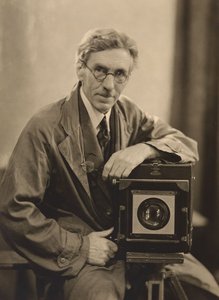
Harold Pierce Cazneaux
1878 - 1953 , New Zealand
基本情報
- Artistic Movement Or Style: Pictorialism
- Date Of Birth: March 30, 1878
- Date Of Death: June 19, 1953
- Full Name: Harold Pierce Cazneaux
- Nationality: Australian
- Notable Artworks:
- Self-portrait
- Anna Pavlova
- The Surgeon (Dr Smith)
- Place Of Birth: Wellington, New Zealand
関連記事

White on Canvas: 10 Masterpieces & Timeless Elegance for Your Home Decor
Explore 10 iconic white paintings by Monet, Whistler & Rothko! Discover the stories behind these serene masterpieces and their impact on art history. Find museum-quality reproductions for your home decor at .

Dark Masterpieces: 10 Iconic Paintings Dominated by Black Tones |
Explore 10 iconic paintings dominated by black tones, from Rembrandt’s chiaroscuro to Goya's dark expressions. Discover the stories behind these masterpieces & find museum-quality art reproductions for your home at .

Monochrome Visions: Exploring the Aesthetic & Historical Significance of Black & White Photography
Explore the rich history & artistic power of black and white photography. From early techniques to iconic masters like Ansel Adams, discover why monochrome continues to captivate art lovers today. Expert insights for collectors.
Mars Black Masterpieces: 10 Iconic Paintings & Timeless Art Decor Ideas
Delve into the power of 'Mars Black' with 10 iconic paintings by masters like Rembrandt & Caravaggio. Explore dramatic chiaroscuro, gothic art, and timeless beauty. Find museum-quality reproductions & elevate your home decor on .

The Subtleties of White: Exploring Absence, Light & Symbolism in Art History
Explore the profound symbolism & history of white in art! From ancient purity to modern abstraction, discover how artists have used absence & light. Expert insights from ArtsDot.