

 プレビュー
プレビュー
 プリントを購入
 シェアする
シェアする シェアする
シェアする
 詳細を見る
詳細を見る

 ダウンロード
 似ている作品
 X線調査
X線調査 スライドショー
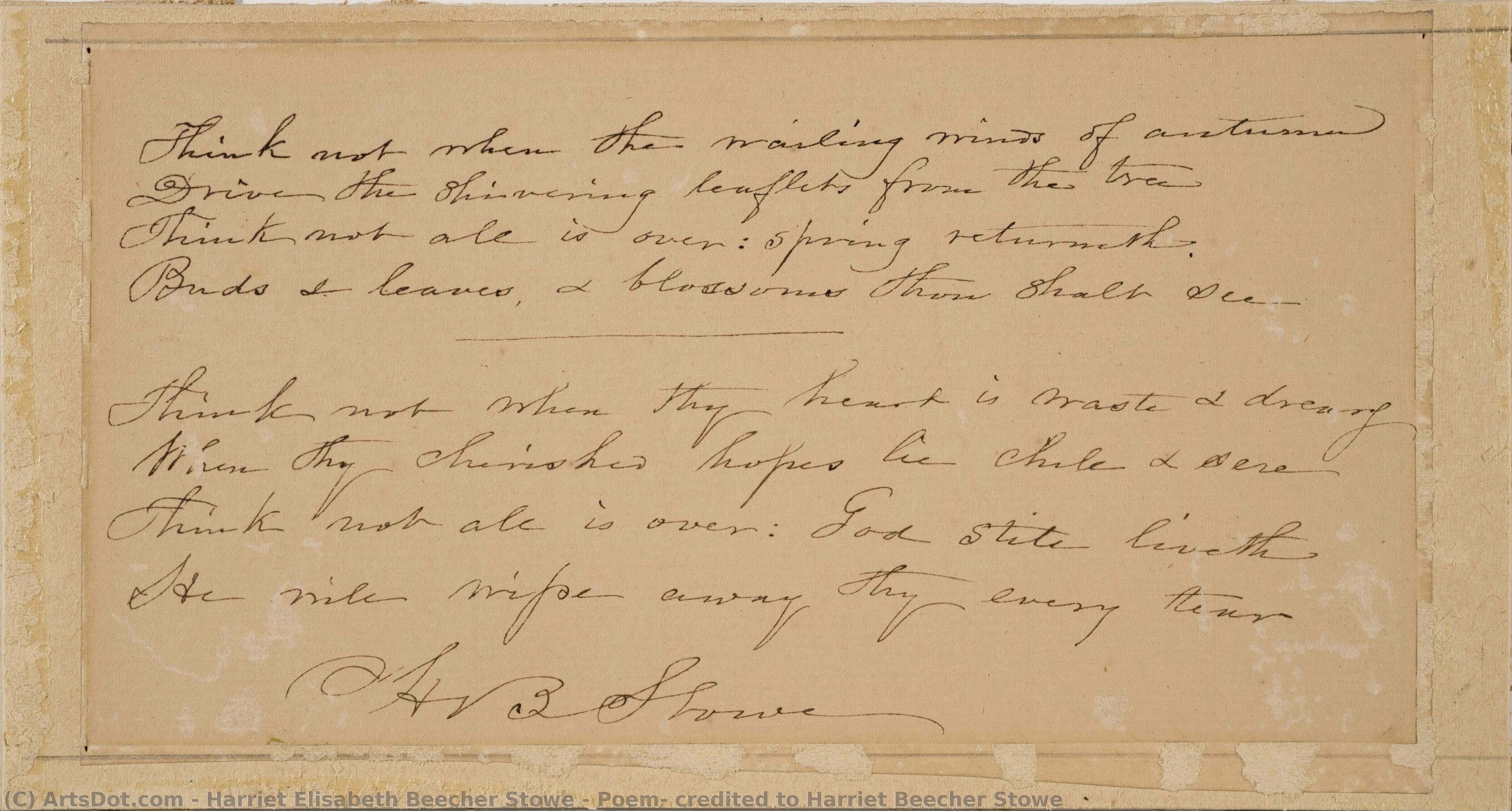
Poem, credited to Harriet Beecher Stowe

 詳細を見る
詳細を見る
オンラインプレビューをはるかに凌ぐ、高解像度で鮮明なデジタル画像をご購入いただけます。
各ファイルは、社内の専門家が高度なツールと熟練した手作業によるレタッチを用いて、細心の注意を払って準備されています。すべての画像において、卓越した鮮明度、正確な色彩再現性、そして繊細なディテールを保証いたします。
最終ファイルは、プロフェッショナルな編集・印刷環境ですぐにご利用いただけるよう最適化された状態で、72時間以内にメールにてお届けいたします。これは、一流のデザインスタジオ、出版社、ギャラリーから信頼されているものと同等の品質です。
デジタル画像のご注文に付随する特典
高品質なデジタル画像配信を、確かな品質で。
ArtsDot.com を選ぶことは、単に画像を手に入れることではありません。それは、プロの手によって精密に仕上げられ、満足保証が付いた高品質なデジタルアートワークを受け取ることを意味します。ご注文いただいた際に自動的に付随する内容は、以下の通りです:

メールですぐにお届け
ご注文から72時間以内に、高解像度のデジタル画像ファイルがメールでお手元に届きます。すぐにそのままご利用いただけます。

AI技術で最適化されたデジタルファイル
お客様の作品は、高度なAIツールと専門家による手作業の編集を組み合わせてプロフェッショナルに最適化されており、細部のディテール、鮮明さ、そして正確な色再現性を最大限に引き出しています。

一生涯無料の再送サービス
ファイルを誤って削除したり、紛失してしまったりしましたか?ご安心ください。いつでも無料で再送いたします。

輸入手数料は一切かかりません
関税や手数料、配送料を気にすることなく、お気に入りのアートワークをすぐにお楽しみいただけます。デジタルダウンロードは常に免税です。

色彩再現の保証
プロ仕様のツールとカラーマネジメント技術を用いることで、デジタル画像が元の色を最大限に忠実に再現することを保証いたします。

60日間満足保証
ご購入いただいたデジタル画像にご満足いただけない場合は、60日以内であれば、修正または100%の返金(理由を問う必要はありません)をさせていただきます。

100% 返金保証
ご満足いただけない場合は、デジタルファイルを受け取ってから60日以内であれば、理由を問わず全額返金いたします。

まとめ買い割引
3枚購入で10%OFF - 5枚購入で15%OFF - 10枚以上購入で20%OFF。クリエイティブなプロジェクト、ギャラリー、エージェンシーに最適です。
関連作品




作家の略歴
Harriet Beecher Stowe: A Voice For Humanity
Harriet Elisabeth Beecher Stowe (June 14, 1811 – July 1, 1896) wasn’t merely an author; she was a catalyst for change. Born in Litchfield Hills, Connecticut, into a family deeply rooted in religious reform and intellectual discourse—her father, Lyman Beecher, a prominent Presbyterian minister—Stowe's early life laid the foundation for her enduring legacy as one of America’s most influential voices against slavery. Her story is inextricably linked to the tumultuous era of the mid-19th century, a period defined by moral reckoning and the agonizing struggle over human freedom. Her work transcended simple storytelling; it ignited public opinion, fueled abolitionist movements, and ultimately contributed significantly to the dismantling of this brutal institution.
Stowe’s childhood was marked by profound loss – the early death of her mother at age five profoundly shaped her empathy and understanding of human suffering. This sensitivity, coupled with a rigorous education encompassing classics, languages, and mathematics, instilled in her a keen observational eye and a powerful ability to articulate complex emotions. Her family's commitment to social reform, particularly through her father’s sermons and involvement in the Lane Debates on Slavery, exposed her to the moral urgency of the issue and fostered within her a deep-seated conviction against injustice. The debates, with their passionate arguments for and against slavery, served as a crucial intellectual training ground, sharpening her critical thinking skills and solidifying her opposition to the institution.
The Genesis of ‘Uncle Tom’s Cabin’
While Stowe penned numerous books throughout her life – novels, travel memoirs, collections of articles, and letters – it is undoubtedly Uncle Tom's Cabin (1852) that cemented her place in literary history. The novel wasn’t born from a singular inspiration but rather coalesced from a confluence of experiences: the horrors she witnessed during her time in Cincinnati, Ohio—a bustling port city rife with the realities of slavery; the accounts of escaped slaves seeking refuge in her home; and, perhaps most powerfully, a vivid dream she recounted as a source of profound emotional resonance. The story centers on Tom, an elderly enslaved man who embodies resilience, faith, and unwavering dignity amidst unimaginable cruelty. Through Tom’s journey—his separation from his family, his experiences on various plantations, and his steadfast commitment to protecting the children under his care—Stowe exposed the brutal realities of slavery with unflinching honesty and heartbreaking detail.
The novel's immediate impact was staggering. Published as a serial in The National Era, it quickly gained widespread popularity, selling over three million copies within just a few years. Its success wasn’t merely due to its compelling narrative; it resonated deeply with readers because of Stowe’s masterful portrayal of human emotion and her refusal to shy away from the graphic details of slavery's horrors. The play adaptation of Uncle Tom’s Cabin, which premiered in London in 1852, further amplified the novel’s reach, captivating audiences across the Atlantic and fueling anti-slavery sentiment in Great Britain.
Beyond ‘Uncle Tom’s Cabin: A Life Dedicated to Reform
While Uncle Tom's Cabin remains her most celebrated work, Stowe’s literary output extended far beyond this single novel. She continued to write prolifically throughout her life, exploring themes of family, morality, and social justice. Her other notable works include *Woman in the Corner* (1870), a poignant story about a young woman struggling with poverty and despair; *A Gossip’s Secret* (1873), a novel that tackles issues of female agency and societal expectations; and *The Minister's Wooing* (1875), a romantic comedy exploring the complexities of marriage. Beyond her novels, Stowe was an active participant in the women’s rights movement, advocating for suffrage and equal opportunities for women.
Furthermore, Stowe actively engaged with the abolitionist cause beyond writing. She used her platform to raise awareness about the plight of enslaved people, donating generously to anti-slavery organizations and participating in fundraising efforts. Her commitment extended to providing safe haven for fugitive slaves, offering them temporary shelter and assistance as they sought freedom. Her actions reflected a deep-seated belief that all human beings deserved dignity and respect, regardless of their race or social status.
Legacy and Enduring Significance
Harriet Beecher Stowe’s legacy extends far beyond the pages of her books. She is recognized as a pivotal figure in American literature and a crucial advocate for abolitionism and women's rights. Uncle Tom’s Cabin remains a powerful testament to the horrors of slavery and continues to be studied and debated today, prompting critical reflection on issues of race, justice, and human compassion. Her work not only shaped public opinion during the Civil War era but also laid the groundwork for future generations of activists and reformers. Stowe's ability to connect with readers on an emotional level—to portray the suffering of enslaved people with empathy and dignity—solidifies her position as a truly transformative voice in American history. Her influence can still be felt today, reminding us of the ongoing struggle for equality and justice.
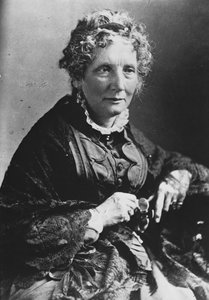
harriet elisabeth beecher stowe
1811 - 1896 , United States of America
プロフィール概要
- Artistic Movement Or Style: Realism, Abolitionist literature
- Artists Or Movements Influenced By This Artist: ['Transcendentalism']
- Artists Who Influenced This Artist: ['Lyman Beecher']
- Date Of Birth: June 14, 1811
- Date Of Death: July 1, 1896
- Full Name: Harriet Elisabeth Beecher Stowe
- Nationality: American
- Notable Artworks:
- Uncle Tom's Cabin
- Man in the Corner
- Woman's Christian Temperance Union
- Place Of Birth: Litchfield Hills, USA

