

 プレビュー
プレビュー
 シェアする
シェアする シェアする
シェアする
 詳細を見る
詳細を見る

 ダウンロード
 似ている作品
 X線調査
X線調査 スライドショー
 統計情報
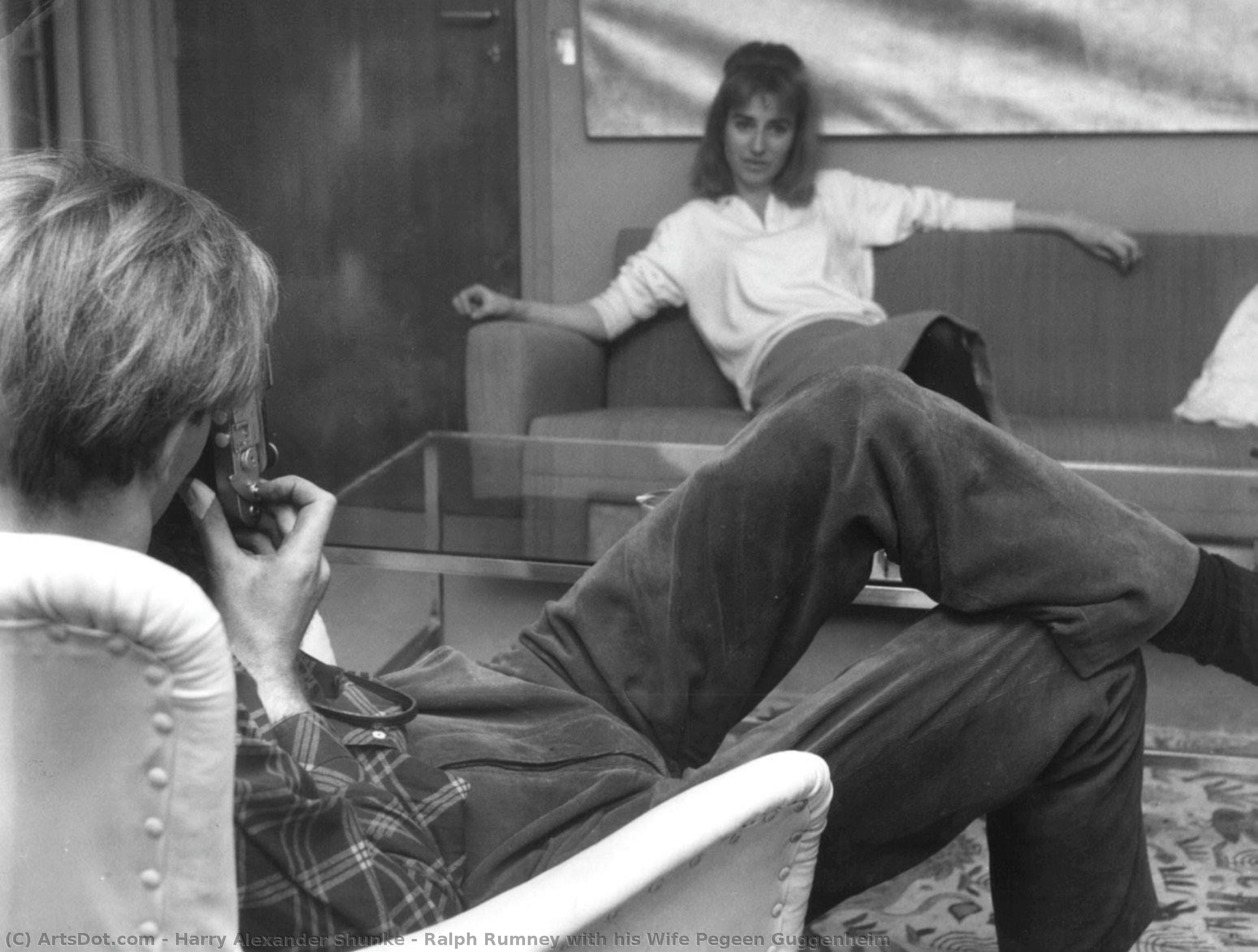
統計情報Ralph Rumney with his Wife Pegeen Guggenheim


 詳細を見る
詳細を見る
ジークレー/アートプリント
迅速な制作と多彩な仕上げオプションを備えた、ミュージアムクオリティのジークレーまたはキャンバスプリント。 ( 手描きの絵画を購入 デジタル画像販売へ切り替え)




































作品のオリジナル比率に合わせた、当店の規定サイズからお選びください。

特定のフレームやスペースに合わせて、ご自身でサイズを指定することも可能です。選択されたサイズが元の画像の比率と一致しない場合、作品をトリミングするか、鏡面反射または単色での塗りつぶしによって画像を拡張いたします。制作を開始する前に、ご確認用のデジタルモックアップをお送りいたします。
画面上のプレビューには、実際のトリミングや拡張は反映されませんのでご注意ください。最終的な構図を正確に確認できるのは、モックアップのみとなります。
カスタムサイズも承っておりますが、元の比率を維持するためには、あらかじめ用意されたリストからサイズを選択することをお勧めいたします。


 ガラスオプションは、110cm未満のサイズでのみご利用いただけます。

Ralph Rumney with his Wife Pegeen Guggenheim
ジークレー/アートプリント
複製画のサイズ
-


合計金額
$ 62
関連作品







アーティストの略歴
A Witness to Transformation: The Life and Legacy of Harry Shunk
Harry Alexander Shunk, born in Reuthen, Germany in 1924 and passing away in obscurity in Westbeth, New York City in 2006, was more than just a photographer; he was a chronicler of an era. While his name may not be as instantly recognizable as some of the artists he documented, Shunk’s contribution to art history is profound. He, alongside his long-time collaborator János Kender, formed the partnership “Shunk-Kender,” and together they created an unparalleled visual record of the burgeoning avant-garde scene in New York and Europe during the 1960s and 70s. Their work wasn’t about creating art *objects* themselves, but rather capturing the ephemeral moments of artistic creation, the energy of a movement, and the personalities that defined it.The Shunk-Kender Collaboration: Documenting a Revolution
Shunk's partnership with János Kender began around 1957/58 and lasted until 1973. This wasn’t simply a professional arrangement; it was a symbiotic relationship built on shared vision and an almost anthropological approach to their subject matter. They were hired by artists, dealers, and galleries not merely to photograph finished works, but to document the *process* – the messy, chaotic, often spontaneous acts of creation that lay behind them. This meant capturing Andy Warhol clutching flowers at openings, Yayoi Kusama immersed in her own installations, Yves Klein’s performative paintings with nude models covered in blue pigment, and countless others pushing the boundaries of artistic expression. Their photographs weren't staged; they were snapshots of reality, imbued with a raw energy that traditional art photography often lacked. They captured hundreds of artists at work, offering an intimate glimpse into their studios, exhibitions, and daily lives. The duo’s unique style—often black-and-white, direct, and unglamorous—became synonymous with the spirit of the time.A Shift in Focus: From Collaboration to Individual Pursuit
The dissolution of Shunk-Kender in 1973 marked a turning point for Harry Shunk. Remarkably, Kender ceded control of their joint archive to Shunk, allowing him to continue working with the material and pursue his own photographic endeavors for another three decades. This decision speaks volumes about the respect and understanding between the two artists. While the collaborative period defined much of Shunk’s early recognition, he didn't simply rest on past laurels. He continued to photograph, though perhaps with a more individual focus, building upon the foundation established during his partnership with Kender.Rediscovery and Lasting Influence
For years, Shunk lived a relatively quiet life after the breakup of the collaboration, largely unknown outside of art circles. However, in recent decades, there has been a significant resurgence of interest in his work—and that of Shunk-Kender as a whole. The 2013 donation of the Harry Shunk and Shunk-Kender Photography Collection by the Roy Lichtenstein Foundation to five major institutions – the Getty Research Institute, the Museum of Modern Art, the National Gallery of Art, the Tate, and the Pompidou Center – was pivotal in bringing their work back into the spotlight. This gift, comprising over 200,000 prints and negatives, provided unprecedented access to a treasure trove of images documenting a crucial period in art history. The photographs offer invaluable insights into the creative processes of some of the most important artists of the 20th century, revealing the often-unseen labor, collaboration, and experimentation that fueled their iconic works.The Significance of Documentation
Harry Shunk’s legacy lies not in a distinctive photographic style—though his work is certainly recognizable—but in the importance of documentation itself. He understood that art wasn't confined to the finished product; it existed within a broader context of social interaction, performance, and intellectual exchange. By capturing these fleeting moments, he preserved a vital record of an era characterized by radical experimentation and artistic innovation. His photographs are not simply images *of* art; they are documents *about* art—its creation, its reception, and its place within the cultural landscape. Shunk-Kender’s work continues to inspire artists, scholars, and collectors alike, reminding us that the story behind the artwork is often as compelling as the artwork itself.
harry alexander shunke
1924 - 2006 , Germany
基本情報
- Artistic Movement Or Style: Postmodern Photography
- Date Of Birth: 1924
- Date Of Death: June 26, 2006
- Full Name: Harry Alexander Shunke
- Nationality: German
- Place Of Birth: Reuthen, Germany