

 プレビュー
プレビュー
 シェアする
シェアする シェアする
シェアする
 詳細を見る
詳細を見る

 ダウンロード
 似ている作品
 X線調査
X線調査 スライドショー
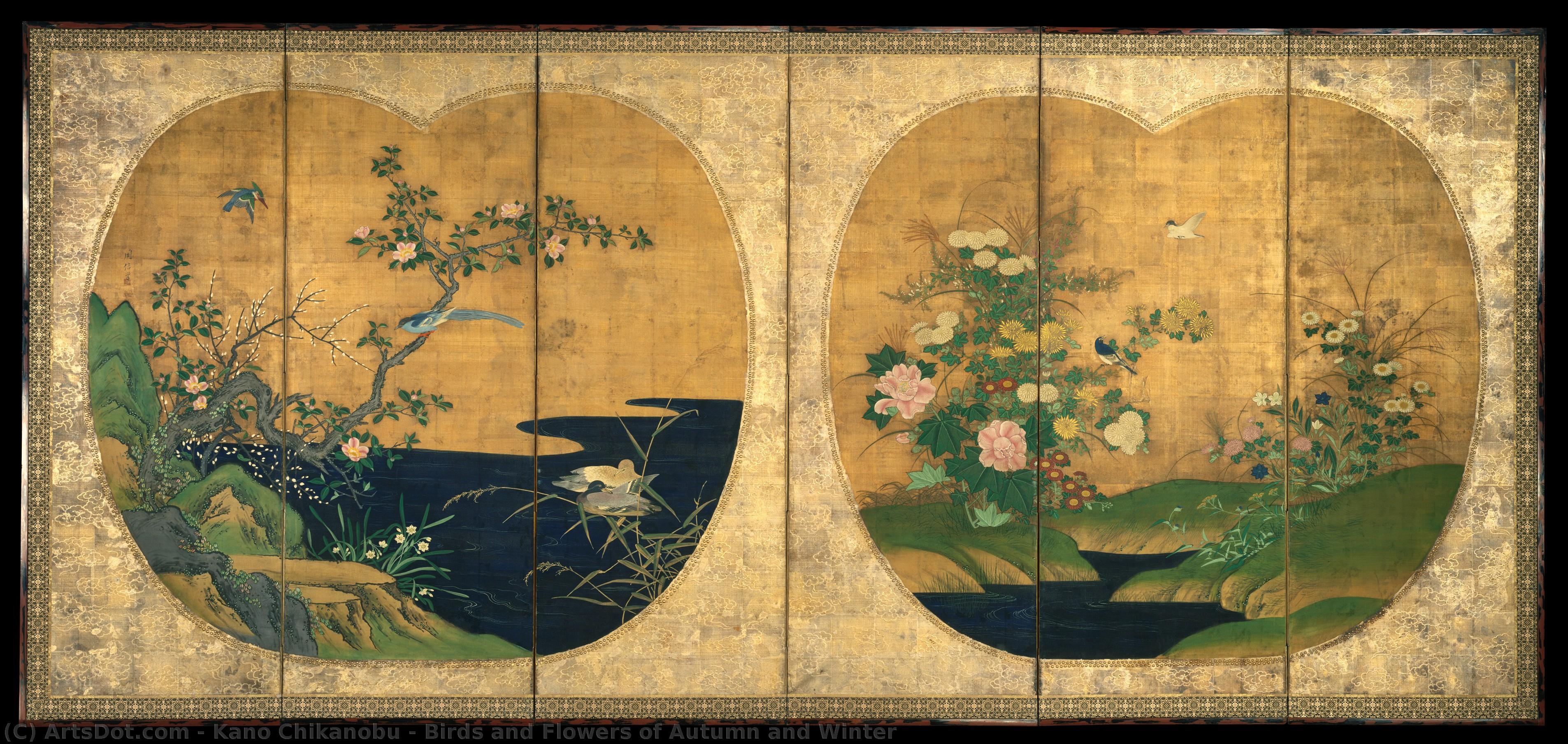
Birds and Flowers of Autumn and Winter
 Japanese Kano School
 701
701 155.0cm x 355.0cm
 詳細を見る
詳細を見る
ジークレー/アートプリント
迅速な制作と多彩な仕上げオプションを備えた、ミュージアムクオリティのジークレーまたはキャンバスプリント。 ( 手描きの絵画を購入 画像を購入)




































作品のオリジナル比率に合わせた、当店の規定サイズからお選びください。

特定のフレームやスペースに合わせて、ご自身でサイズを指定することも可能です。選択されたサイズが元の画像の比率と一致しない場合、作品をトリミングするか、鏡面反射または単色での塗りつぶしによって画像を拡張いたします。制作を開始する前に、ご確認用のデジタルモックアップをお送りいたします。
画面上のプレビューには、実際のトリミングや拡張は反映されませんのでご注意ください。最終的な構図を正確に確認できるのは、モックアップのみとなります。
カスタムサイズも承っておりますが、元の比率を維持するためには、あらかじめ用意されたリストからサイズを選択することをお勧めいたします。


 ガラスオプションは、110cm未満のサイズでのみご利用いただけます。

Birds and Flowers of Autumn and Winter
ジークレー/アートプリント
複製画のサイズ
-


合計金額
$ 62
Kano Chikanobu was a Japanese painter from the Edo period who specialized in bird-and-flower paintings. His work, Birds and Flowers of Autumn and Winter, is a stunning example of his talent and skill.
Description of the Painting
Birds and Flowers of Autumn and Winter is a folding screen with two panels, each measuring 160.7 x 85.4 cm. The painting depicts various flora and fauna in a serene landscape, with autumn on the left panel and winter on the right.
Autumn Panel
- Flowers: Chrysanthemums, bush clover, and Japanese pampas grass are depicted in full bloom, symbolizing the beauty of autumn.
- Birds: A variety of birds, including sparrows, thrushes, and crows, can be seen foraging for food among the foliage.
Winter Panel
- Flowers: Plum blossoms, camellias, and narcissus are shown in bloom, symbolizing the hope and renewal of spring amidst the harshness of winter.
- Birds: A flock of birds, including magpies and sparrows, can be seen huddled together for warmth, symbolizing the unity and resilience of nature in the face of adversity.
Significance of the Painting
Birds and Flowers of Autumn and Winter is a masterful work that showcases Kano Chikanobu's deep understanding and appreciation for the natural world. The painting serves as a reminder of the cyclical nature of life, with each season representing a different stage in the cycle.
Availability of Reproductions
At ArtsDot.com, we offer high-quality hand-made oil painting reproductions of Kano Chikanobu's Birds and Flowers of Autumn and Winter. Our skilled artists use traditional techniques to create stunningly accurate reproductions that capture the beauty and detail of the original work.
Conclusion
Birds and Flowers of Autumn and Winter by Kano Chikanobu is a beautiful and thought-provoking painting that showcases the artist's deep appreciation for the natural world. At ArtsDot.com, we are proud to offer high-quality hand-made oil painting reproductions of this stunning work, allowing art lovers everywhere to enjoy its beauty and meaning.
関連作品
アーティストの略歴
Early Life and Training in the Kano Tradition
Hashimoto Tadayoshi, better known as Kano Chikanobu, was born in 1660 in Niigata Prefecture, Japan, a period steeped in the traditions of the Edo era. His artistic journey began within the esteemed Kano school of painting, one of the most influential and long-lasting schools in Japanese art history. The Kano school, favored by the shogunate, emphasized precise brushwork, bold compositions, and often depicted historical or mythological scenes with a focus on power and authority. Chikanobu’s early training would have instilled in him a deep respect for these established conventions – a foundation he would later subtly yet significantly transform.
However, Chikanobu's artistic curiosity extended beyond the confines of traditional Kano style. He sought further refinement by studying with masters of the *ukiyo-e* world, specifically Kuniyoshi and Kunisada—artists renowned for their vibrant depictions of everyday life, popular culture, and captivating portraits. This exposure to *ukiyo-e*, with its emphasis on color, narrative, and accessibility, proved pivotal in shaping his unique artistic voice. Later mentorship under Toyohara Kunichika further solidified his understanding of contemporary printmaking techniques.
A Synthesis of Styles: From Kano Refinement to Edo Vibrancy
Chikanobu’s art represents a fascinating synthesis of these diverse influences. While rooted in the meticulous detail and compositional strength of the Kano school, his work blossomed with a newfound vibrancy—a characteristic borrowed from his *ukiyo-e* teachers. He masterfully blended the elegance of traditional Japanese subjects – birds and flowers, landscapes imbued with symbolic meaning, and depictions of figures – with a palette of bright, saturated colors and firm, decisive outlines. This combination created a distinctive aesthetic that resonated deeply with audiences during his time.
He worked across various formats, creating stunning hanging scrolls, elaborate six-panel folding screens, and delicate paintings on both paper and silk. Each medium allowed him to explore different facets of his artistic vision, but the core elements remained consistent: a celebration of Japanese beauty, a keen eye for detail, and an innovative use of color.
Patronage, Recognition, and the Shaping of Official Style
Chikanobu’s talent did not go unnoticed. He garnered significant support from the shogunate, which played a crucial role in establishing his reputation and elevating his work to become something of an official style. This patronage wasn't merely about aesthetic preference; it reflected a desire to cultivate a distinctly Japanese artistic tradition—one that acknowledged its Chinese influences while simultaneously asserting its own unique identity.
His paintings often depicted scenes reflecting the values and customs of the ruling class, further solidifying his position as an artist aligned with the shogunate’s vision. This alignment allowed him to flourish creatively and reach a wider audience than many artists of his time. The British Museum holds examples of his work, demonstrating the international recognition he achieved even during his lifetime.
Major Themes and Artistic Achievements
While Chikanobu's range was broad, certain themes consistently appear throughout his oeuvre. His depictions of birds and flowers are particularly noteworthy—not simply as aesthetic exercises but as vehicles for conveying symbolic meaning. Each flower, each bird species carried specific associations, adding layers of depth to his compositions. Landscapes were similarly imbued with cultural significance, often referencing classical poetry or historical events.
One striking example is his 1701 folding screen painting, ‘Birds & Flowers of Autumn & Winter,’ which showcases his masterful use of gold leaf and serene landscapes alongside symbolic flora and fauna. This work exemplifies his ability to create visually stunning pieces that also resonate with deeper cultural narratives. His series depicting the customs of the inner palace further demonstrate his skill in capturing both the beauty and the intricacies of Japanese court life.
Legacy and Historical Significance
Kano Chikanobu died in 1728, leaving behind a rich artistic legacy that continues to captivate audiences today. He stands as a pivotal figure in the transition between traditional Kano painting and the evolving aesthetic sensibilities of the Edo period. His work represents a harmonious blend of established conventions and innovative techniques—a testament to his skill, curiosity, and dedication.
He wasn’t simply replicating existing styles; he was actively synthesizing them, creating something new that reflected both the past and the present. His influence can be seen in the works of later artists who sought to balance tradition with contemporary trends, solidifying his place as a significant contributor to Japanese art history.
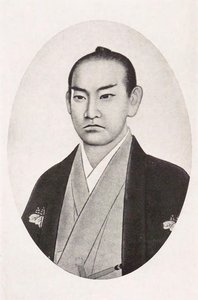
hashimoto tadayoshi
1660 - 1728 , Japan
基本情報
- Artistic Movement Or Style: Kano school painting
- Artists Who Influenced This Artist:
- Kano School masters
- Utagawa Kuniyoshi
- Utagawa Kunisada
- Date Of Birth: 1660
- Date Of Death: 1728
- Full Name: Hashimoto Tadayoshi
- Nationality: Japanese
- Notable Artworks:
- Birds & Flowers of Autumn & Winter
- Beauty
- Place Of Birth: Niigata Prefecture, Japan
関連記事
Feathered Visions: A Historical & Artistic Exploration of Birds in Painting
Explore the rich history of birds in painting! Discover symbolism, artistic movements & master artists like Audubon. High-quality reproductions available at ArtsDot.
Blossoming Symbolism: A Historical Journey Through Flowers in Western Painting
Explore the rich history of flower symbolism in Western painting! Discover how artists from the Renaissance to Modernism used blossoms to convey meaning, emotion & beauty. Learn about iconic artworks and movements.
Blossoms of Time: A Historical Journey Through Flower Painting
Explore the captivating history of flower painting! Discover Dutch masters, symbolic meanings, & botanical art. Expert insights & high-quality reproductions at ArtsDot.
Serenity on Canvas: A Guide to the Timeless Beauty of Japanese Landscape Painting
Discover the serene beauty of Japanese landscape painting. From Hokusai's iconic woodblock prints to meditative sumi-e ink washes, explore a visual journey through the 'floating world' and learn how to bring this timeless Zen aesthetic into your modern home decor.

葛飾北斎:25の傑作が語る浮世絵の世界 - ArtsDot
葛飾北斎の25選:『神奈川沖浪裏』や『富嶽三十六景』など、浮世絵の世界を深く探求。木版画の技法と日本美術の美をArtsDotで。高品質なアートプリントで空間に感動を。コレクションはこちら。

