

 プリントを購入
 シェアする
シェアする シェアする
シェアする
 詳細を見る
詳細を見る

 ダウンロード
 似ている作品
 スライドショー
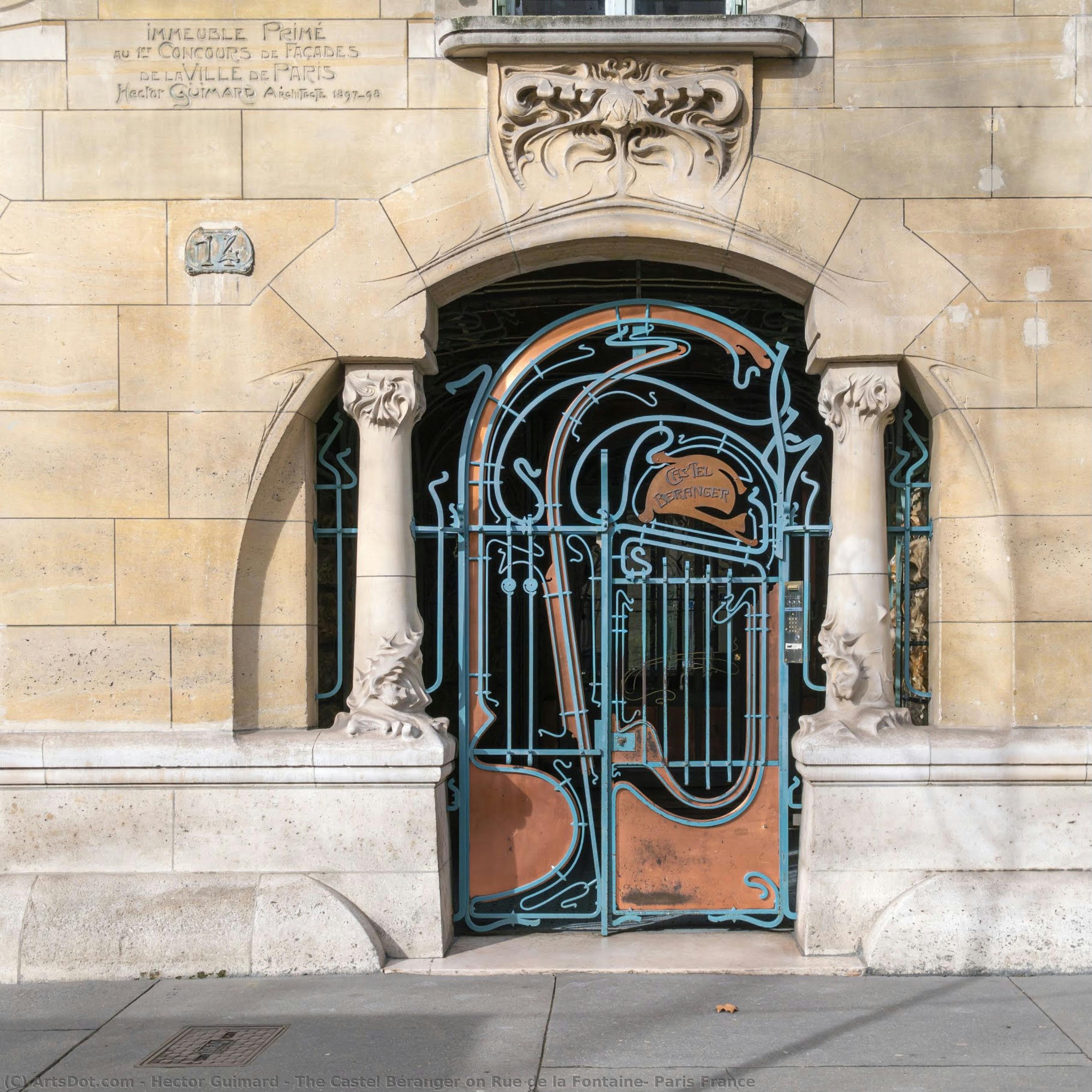
The Castel Béranger on Rue de la Fontaine, Paris France


 詳細を見る
詳細を見る




































作品のオリジナル比率に合わせた、当店の規定サイズからお選びください。

特定のフレームやスペースに合わせて、ご希望のサイズをご入力いただけます。選択されたサイズが元の画像の比率と異なる場合、アートワークをトリミングするか、手描きで要素を追加して絵画を拡張いたします。デジタルモックアップ を制作し、制作開始前にご確認(承認)をいただきます。
画面上のプレビューは、実際のトリミングや拡張を正確に反映しているものではありません。最終的な構図は、モックアップによってのみ正確にご確認いただけます。
カスタムサイズもご利用いただけますが、元の比率を維持するためには、あらかじめ用意されたリストからサイズを選択することをお勧めいたします。
ご注文後、ArtsDot.com チームより詳細な指示をお送りするとともに、仕上がりイメージ(モックアップ)をご提供いたします。


 ガラスオプションは、110cm未満のサイズでのみご利用いただけます。

The Castel Béranger on Rue de la Fontaine, Paris France
複製技法
複製画のサイズ
-


合計金額
$ 263
A Portal to the Belle Époque
Stepping into the visual narrative of Hector Guimard’s Castel Béranger is akin to entering a dreamscape where the rigid boundaries of architecture dissolve into the fluid grace of nature. This evocative depiction of the entrance on Rue de la Fontaine captures more than just a doorway; it captures the very soul of the Art Nouveau movement. The composition centers on a striking blue door, a vibrant heartbeat amidst the monochromatic textures of the Parisian streetscape. Through the lens of history, we see the intricate metalwork and the sweeping, organic archways that define Guimary’s "style organic." Every curve of the ironwork seems to pulse with a life of its own, mimicking the sinuous stems of climbing vines or the delicate skeletal structures of insects, inviting the viewer to lose themselves in a labyrinth of decorative elegance.
The photograph serves as a profound study of texture and contrast. The interplay between the heavy, protective metal bars and the ethereal, flowing lines of the decorative archway creates a captivating tension. One can almost feel the cool touch of the iron and the weathered grain of the stone facade. This piece is not merely a documentation of a building; it is an exploration of light and shadow that highlights the "Italia Liberty" inscription, a subtle nod to the pan-European stylistic shifts occurring at the turn of the century. For the discerning collector or interior designer, this image offers a masterclass in how structural elements can be transformed into pure poetry, making it an ideal focal point for spaces that celebrate historical depth and avant-garde sophistication.
The Poetry of Iron and Glass
To understand this work is to understand the genius of Hector Guimard, the "Poet of Iron and Glass." As a pioneer who sought to harmonize the industrial advancements of his era with the soft, undulating rhythms of the natural world, Guimard transformed the urban landscape of Paris into an outdoor gallery. The Castel Béranger stands as his inaugural masterpiece, a manifesto in stone and metal that challenged the stiff academicism of the time. In this visual representation, we witness the triumph of the whiplash line—that iconic, energetic curve that defines the Art Nouveau aesthetic. The composition invites us to contemplate the transition from the functional to the ornamental, where a simple entrance becomes a gateway to another era.
For those looking to integrate this piece into a curated collection, it offers an unparalleled emotional resonance. It evokes a sense of nostalgia for a Paris that was both burgeoning with modernity and deeply rooted in artisanal craftsmanship. The subtle asymmetry of the windows flanking the door adds a rhythmic complexity that prevents the eye from resting too quickly, encouraging a continuous journey through the frame. Whether placed in a contemporary gallery setting or a classic study, this reproduction brings with it the transformative power of Guimard’s vision, serving as a timeless reminder that even the most functional structures can be elevated to the realm of high art.
関連作品

アーティストの略歴
The Poet of Iron and Glass: The Life of Hector Guimard
Hector Guimard (1867-1942) stands as a singular figure in the annals of Art Nouveau architecture, embodying its ethos of organic form and flowing lines—a testament to the transformative power of design. Born in Lyon, France, he pursued his artistic education at the École des Beaux-Arts and later honed his skills at the School of Decorative Arts, establishing himself as both a craftsman and an innovator within the burgeoning Parisian avant-garde movement. His career spanned decades, leaving behind an indelible mark on the cityscape and shaping perceptions of beauty and functionality through a lens that merged the industrial with the biological.
Guimard’s artistic journey began amidst the fervor of Impressionism and Japonisme, absorbing stylistic cues from these movements that would ultimately coalesce into his distinctive vision. However, it was Castel Béranger—the inaugural apartment building in Paris—that cemented his reputation as a pioneer of Art Nouveau. Selected from a competitive design brief in 1899, Guimard’s audacious proposal captivated judges with its innovative use of ironwork and glass, establishing it as the first true exemplar of this revolutionary style. The building's undulating façade, adorned with stylized floral motifs and intricate geometric patterns—a deliberate rejection of rigid classical forms—became a symbol of artistic aspiration and signaled a decisive break from traditional architectural conventions.
A Legacy Written in the Streets of Paris
Guimard’s fame ascended to unparalleled heights thanks to his involvement in the construction of Paris’s first underground railway stations. Between 1890 and 1930, he designed approximately fifty metro entrances and over one hundred and forty-one station halls—a monumental undertaking that profoundly impacted the city's visual landscape and cultural identity. These structures are instantly recognizable for their graceful arches crafted from cast iron, which seem to emerge from the earth like skeletal vines or exotic flora. Through these entrances, Guimard brought high art to the masses, turning a utilitarian transit system into an immersive gallery of organic modernism.
Beyond the grand scale of urban architecture, Guimard’s genius extended into the intimate realms of interior design and decorative arts. He believed that a cohesive aesthetic should permeate every aspect of life, from the structural bones of a building to the smallest household object. His work often featured:
- Furniture Design: Pieces such as his Bench for a Smoking Parlour (1897) demonstrate how he applied the same sinuous, whip-lash curves found in his architecture to functional wooden forms, creating an atmosphere of luxurious, naturalistic elegance.
- Metalwork and Ironwork: His mastery over cast iron allowed him to manipulate hard, industrial materials into soft, fluid shapes that mimicked the growth patterns of plants.
- Integrated Ornamentation: In works like the entrance to Castel Béranger, he utilized elegant blue metal bars and intricate decorative elements to create a rhythmic, visual melody across the building's surface.
The Enduring Spirit of Art Nouveau
The historical significance of Hector Guimard lies in his ability to bridge the gap between the craftsmanship of the past and the industrial possibilities of the future. While his style was deeply rooted in the natural world, his use of mass-produced materials like iron and glass anticipated the functionalist movements that would follow. He did not merely decorate buildings; he breathed life into them, creating environments that felt as though they were breathing alongside their inhabitants.
Though the era of Art Nouveau eventually gave way to the more rigid geometries of Art Deco and Modernism, Guimard's influence remains etched into the very soul of Paris. His ability to transform the urban environment into a poetic landscape of iron and glass ensures that he is remembered not just as an architect, but as a visionary who taught the modern world how to find beauty in the organic flow of life.
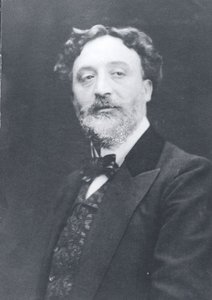
Hector Guimard
1867 - 1942 , France
基本情報
- Artistic Movement Or Style: Art Nouveau
- Artists Who Influenced This Artist:
- Gustav Eiffel
- Victor Horta
- Date Of Birth: March 10, 1867
- Date Of Death: May 20, 1942
- Full Name: Hector Guimard
- Nationality: French
- Notable Artworks:
- Madame Guimard’s Bedroom
- Grids for the Paris Métro
- Place Of Birth: Lyon, France
関連記事
アール・ヌーヴォーを彩る至宝:10の傑作が語る芸術と装飾の世界
アール・ヌーヴォーの魅力を再発見!ムンロ、ドレ、ガウディ…10の傑作が織りなす曲線美の世界。芸術と装飾が融合した至高のアートをArtsDotで堪能し、お部屋に新たな彩りを。コレクションをオンラインで探索しましょう。

The Flowing Line & Flourishing Form: Exploring Art Nouveau's Aesthetic Legacy
Explore the captivating world of Art Nouveau! Discover its origins, key artists like Horta & Mucha, regional styles, innovative techniques, and lasting influence on architecture & design. A comprehensive guide for art enthusiasts.
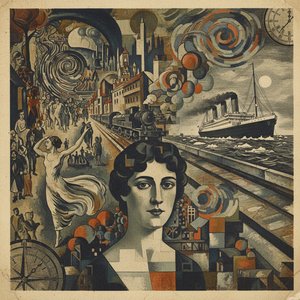
Echoes of a Turning Tide: Artistic Responses to 1912 – A Year of Transformation
Explore the pivotal artistic responses to 1912 – a year of transformation! Discover Cubism, Fauvism, Art Nouveau & more with expert analysis and stunning reproductions at ArtsDot.

Alphonse Mucha: A Comprehensive Exploration of Art Nouveau's Master of Decorative Symbolism
Explore the life & art of Alphonse Mucha, master of Art Nouveau! Discover his iconic posters, stunning illustrations, and the monumental Slav Epic. A comprehensive guide for collectors & enthusiasts.

Raphael Kirchner: A Poetic Vision of Belle Époque Society Through Art Nouveau Lithography
Explore the captivating world of Raphael Kirchner, a master of Art Nouveau illustration during the Belle Époque. Discover his iconic 'Kirchner Girls,' pioneering pin-up art & lasting influence.

