

 プレビュー
プレビュー
 プリントを購入
 シェアする
シェアする シェアする
シェアする
 詳細を見る
詳細を見る

 ダウンロード
 似ている作品
 X線調査
X線調査 スライドショー
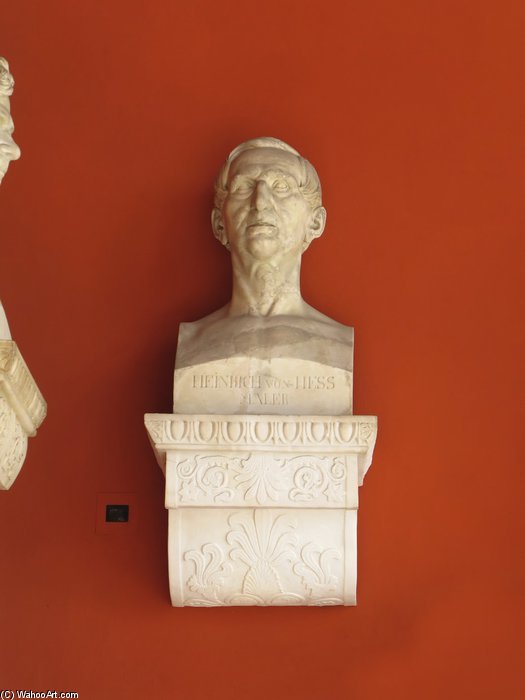
Munich, Hall Of Fame, Bust Of
 詳細を見る
詳細を見る
オンラインプレビューをはるかに凌ぐ、高解像度で鮮明なデジタル画像をご購入いただけます。
各ファイルは、社内の専門家が高度なツールと熟練した手作業によるレタッチを用いて、細心の注意を払って準備されています。すべての画像において、卓越した鮮明度、正確な色彩再現性、そして繊細なディテールを保証いたします。
最終ファイルは、プロフェッショナルな編集・印刷環境ですぐにご利用いただけるよう最適化された状態で、72時間以内にメールにてお届けいたします。これは、一流のデザインスタジオ、出版社、ギャラリーから信頼されているものと同等の品質です。
デジタル画像のご注文に付随する特典
高品質なデジタル画像配信を、確かな品質で。
ArtsDot.com を選ぶことは、単に画像を手に入れることではありません。それは、プロの手によって精密に仕上げられ、満足保証が付いた高品質なデジタルアートワークを受け取ることを意味します。ご注文いただいた際に自動的に付随する内容は、以下の通りです:

メールですぐにお届け
ご注文から72時間以内に、高解像度のデジタル画像ファイルがメールでお手元に届きます。すぐにそのままご利用いただけます。

AI技術で最適化されたデジタルファイル
お客様の作品は、高度なAIツールと専門家による手作業の編集を組み合わせてプロフェッショナルに最適化されており、細部のディテール、鮮明さ、そして正確な色再現性を最大限に引き出しています。

一生涯無料の再送サービス
ファイルを誤って削除したり、紛失してしまったりしましたか?ご安心ください。いつでも無料で再送いたします。

輸入手数料は一切かかりません
関税や手数料、配送料を気にすることなく、お気に入りのアートワークをすぐにお楽しみいただけます。デジタルダウンロードは常に免税です。

色彩再現の保証
プロ仕様のツールとカラーマネジメント技術を用いることで、デジタル画像が元の色を最大限に忠実に再現することを保証いたします。

60日間満足保証
ご購入いただいたデジタル画像にご満足いただけない場合は、60日以内であれば、修正または100%の返金(理由を問う必要はありません)をさせていただきます。

100% 返金保証
ご満足いただけない場合は、デジタルファイルを受け取ってから60日以内であれば、理由を問わず全額返金いたします。

まとめ買い割引
3枚購入で10%OFF - 5枚購入で15%OFF - 10枚以上購入で20%OFF。クリエイティブなプロジェクト、ギャラリー、エージェンシーに最適です。
関連作品

作家の略歴
Henri Rousseau: The Painter of Dreams
Born in Laval, France, in 1844, Henri Julien Félix Rousseau’s life was one of quiet transformation. Initially destined for a practical trade – his father was a tinsmith – Rousseau found solace and ultimately, his vocation, in the burgeoning world of art. Unlike many artists of his era who sought formal training in established academies, Rousseau embarked on an entirely self-taught journey, absorbing influences from the works of Eugène Delacroix, Gustave Courbet, and the vibrant color palettes of Japanese prints. This unconventional path would become a defining characteristic of his unique artistic vision – a world both intensely personal and profoundly universal.
Rousseau’s early years were marked by hardship and a sense of displacement. He worked as a toll collector, earning him the affectionate nickname “Le Douanier” (the customs officer), a moniker that perfectly captured his solitary existence and the exotic subjects he would later depict. It was during this period, in the late 1870s, that Rousseau began to dedicate himself fully to painting, driven by an almost obsessive need to capture the beauty and mystery of the natural world – particularly as he imagined it. His work emerged from a deeply felt connection to primal instincts and a fascination with indigenous cultures, reflecting a yearning for a simpler, more authentic existence.
The Naïve Vision
Rousseau’s artistic style is often categorized as “Naïve Art” or “Primitivism,” terms that describe a distinctive approach characterized by a lack of academic technique and a directness of expression. His paintings eschew perspective, realistic detail, and conventional composition in favor of bold colors, simplified forms, and an almost childlike innocence. This deliberate rejection of established artistic norms was not born out of ignorance but rather a conscious decision to access a deeper level of emotional truth. He sought to paint what he *felt*, not necessarily what he saw, creating dreamlike landscapes populated by exotic animals and figures – often engaged in scenes of ritual or celebration.
Influenced by the Japanese woodblock prints that arrived in Europe during this period, Rousseau adopted a flattened perspective and a vibrant use of color. His compositions are frequently dense with symbolism, drawing on his own experiences, folklore, and a deep appreciation for the natural world. The figures in his paintings—often anonymous or vaguely defined—seem to exist within a timeless realm, caught in moments of profound emotion or quiet contemplation.
Key Works and Themes
Several works stand out as particularly emblematic of Rousseau’s artistic vision. *The Sleeping Gypsy* (1897), perhaps his most famous painting, is a hauntingly beautiful depiction of a young woman resting beneath the stars, evoking themes of vulnerability, solitude, and the mysteries of the night. *Tiger in a Tropical Storm* (1906) showcases his masterful use of color and texture to convey both the ferocity of the animal and the overwhelming power of nature. Other notable paintings include *The Hungry Lion Throws Itself on the Antelope*, *Boy on the Rocks*, and *Post-Impressionism*.
Throughout his career, Rousseau explored recurring themes: the relationship between humanity and nature, the allure of the exotic, the power of dreams and imagination, and the search for spiritual meaning. His paintings are not simply representations of the external world but rather windows into a richly imagined inner landscape.
Recognition and Legacy
Despite his undeniable talent, Rousseau’s work was largely ignored during his lifetime. Critics dismissed his style as primitive and lacking in technical skill, failing to recognize the depth and emotional resonance of his paintings. It wasn't until after his death in 1910 that his unique vision began to be appreciated by a wider audience. In the decades following his death, Rousseau’s work gained increasing recognition as a significant contribution to the development of modern art, particularly influencing movements such as Fauvism and Surrealism.
Today, Henri Rousseau is celebrated as a visionary artist whose paintings offer a glimpse into a world both fantastical and profoundly moving. His unwavering commitment to his own artistic vision—a rejection of convention and an embrace of intuition—continues to inspire artists and viewers alike, reminding us of the power of art to transport us beyond the boundaries of reality.
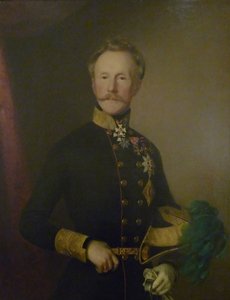
heinrich maria von hess
1844 - 1798 , Germany
プロフィール概要
- Artistic Movement Or Style:
- Post-Impressionism
- Naïve art
- Primitivism
- Artists Or Movements Influenced By This Artist:
- Degas
- Manet
- Artists Who Influenced This Artist: ['Mary Cassatt']
- Date Of Birth: May 21, 1844
- Date Of Death: September 2, 1910
- Full Name: Henri Julien Félix Rousseau
- Nationality: French
- Notable Artworks:
- The Sleeping Gypsy
- Tiger in a Tropical Storm
- Boy on the Rocks
- Place Of Birth: Laval, Mayenne, France

