

 プレビュー
プレビュー
 シェアする
シェアする シェアする
シェアする
 詳細を見る
詳細を見る

 ダウンロード
 似ている作品
 X線調査
X線調査 スライドショー
 統計情報
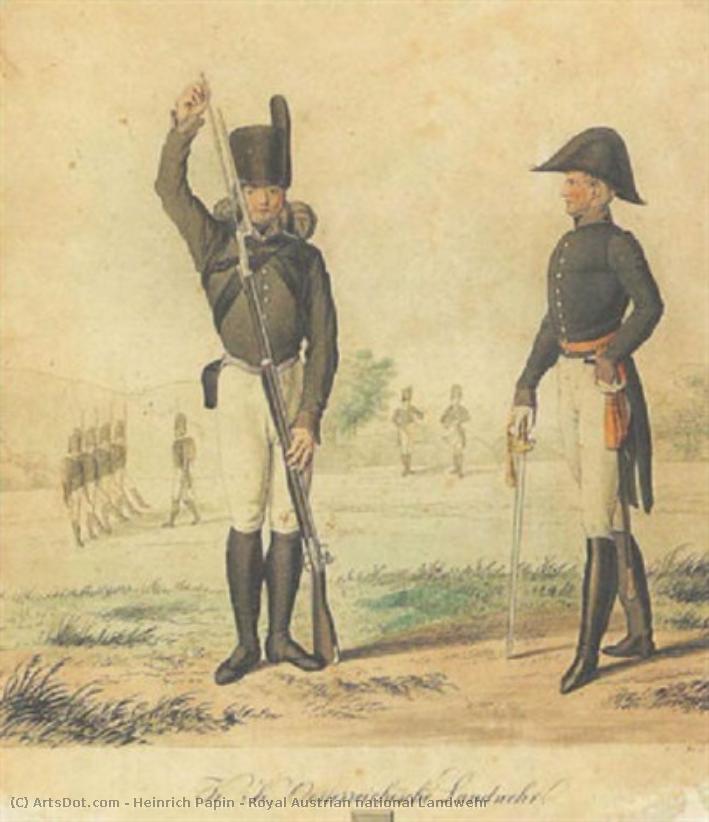
統計情報Royal Austrian national Landwehr
 Romanticism
 1820
1820 37.0 x 35.0 cm
 詳細を見る
詳細を見る
手描き油彩複製画
当社のアーティストが、お客様のご希望のサイズと額縁に合わせて、キャンバスに手描きで制作する油彩画です。 ( プリント版に切り替え デジタル画像販売へ切り替え)




































作品のオリジナル比率に合わせた、当店の規定サイズからお選びください。

特定のフレームやスペースに合わせて、ご希望のサイズをご入力いただけます。選択されたサイズが元の画像の比率と異なる場合、アートワークをトリミングするか、手描きで要素を追加して絵画を拡張いたします。デジタルモックアップ を制作し、制作開始前にご確認(承認)をいただきます。
画面上のプレビューは、実際のトリミングや拡張を正確に反映しているものではありません。最終的な構図は、モックアップによってのみ正確にご確認いただけます。
カスタムサイズもご利用いただけますが、元の比率を維持するためには、あらかじめ用意されたリストからサイズを選択することをお勧めいたします。
ご注文後、ArtsDot.com チームより詳細な指示をお送りするとともに、仕上がりイメージ(モックアップ)をご提供いたします。


 ガラスオプションは、110cm未満のサイズでのみご利用いただけます。

Royal Austrian national Landwehr
複製技法
複製画のサイズ
-


合計金額
$ 313
関連作品


アーティストの略歴
Heinrich Papin: A Romantic Engraver Capturing Prussian Realism
Heinrich Papin (1786 – 1839) stands as a prominent figure within the German Romantic movement, an artist whose meticulous engravings offer invaluable glimpses into the social and artistic landscape of his era. Born in Berlin, Papin’s life unfolded against the backdrop of burgeoning intellectual curiosity and artistic experimentation—characteristics that would profoundly shape his oeuvre. While biographical details remain somewhat sparse, scholarly research confirms he was a prolific engraver who achieved considerable renown during his lifetime.- Early Life & Training: Papin’s formative years were marked by exposure to the artistic traditions of Prussia and Berlin. He received formal training under Johann Christian Gärtner, a respected engraver known for his neoclassical style, establishing a foundation in technical precision and compositional balance. This grounding would prove crucial as Papin navigated the evolving aesthetic currents of Romanticism.
The Romantic Engagement: Artistic Vision & Historical Narrative
Papin’s artistic sensibilities aligned seamlessly with the Romantic preoccupation for emotion, imagination, and dramatic storytelling—themes that distinguished this movement from its predecessor. Unlike the idealized forms favored by Neoclassicism, Papin embraced expressive lines and tonal shading to convey psychological depth and atmospheric realism. His engravings frequently depicted historical scenes imbued with moral significance, reflecting the Romantic belief in art’s capacity to illuminate human experience and inspire social reform. Notably, he excelled at capturing the grandeur of military endeavors, as evidenced by his celebrated depictions of Austrian grenadiers and infantry—works that exemplify Prussian realism alongside Romantic fervor.- Notable Works & Techniques: Papin’s artistic technique was characterized by meticulous attention to detail and a masterful command of engraving tools. He employed mezzotint, a printing process known for its ability to produce rich tonal gradations—a technique particularly suited to conveying the mood and texture of landscapes and portraits. Among his most enduring achievements are ‘Royal Austrian Infantry,’ showcasing the disciplined ranks of Prussian soldiers with remarkable accuracy, and ‘The Fruit Women,’ an evocative illustration capturing the vibrancy of a German marketplace scene. These pieces stand as testaments to Papin’s artistic prowess and his ability to synthesize neoclassical precision with Romantic expressive power.
Influences & Artistic Legacy
Papin's artistic trajectory was undeniably influenced by the broader intellectual climate of his time—particularly the philosophical ideas of Johann Wolfgang Goethe and Friedrich Schiller, whose works championed emotion and imagination. Furthermore, he drew inspiration from classical antiquities and mythological narratives, reflecting a desire to engage with universal themes of human experience. Although Papin’s output remained relatively modest compared to some contemporaries, his engravings continue to resonate with scholars and collectors alike—serving as invaluable documents of 19th-century artistic practice and cultural sensibility. His contribution to Prussian realism cemented his place in art history.Historical Significance & Rediscovery
Heinrich Papin’s work gained renewed appreciation in the latter half of the twentieth century, fueled by advancements in printmaking scholarship and a growing interest in Romantic visual culture. Exhibitions featuring Papin's engravings prompted critical reassessment of his artistic achievements—highlighting his role as a pivotal figure within German Romanticism and demonstrating the enduring power of his images to convey both technical mastery and profound emotional resonance. Today, Heinrich Papin’s legacy persists through reproductions available on platforms like ArtsDot.com, ensuring that his captivating engravings continue to inspire admiration for their artistic merit and historical significance.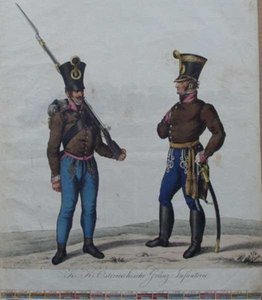
heinrich papin
1786 - 1839 , Germany
基本情報
- Artistic Movement Or Style: Romanticism
- Date Of Birth: 1786
- Full Name: Heinrich Papin
- Nationality: German
- Notable Artworks:
- Royal Austrian Infantry
- The fruit women
- Austrian grenadiers
- Place Of Birth: Berlin, Germany