

 プレビュー
プレビュー
 プリントを購入
 シェアする
シェアする シェアする
シェアする
 詳細を見る
詳細を見る

 ダウンロード
 似ている作品
 X線調査
X線調査 スライドショー
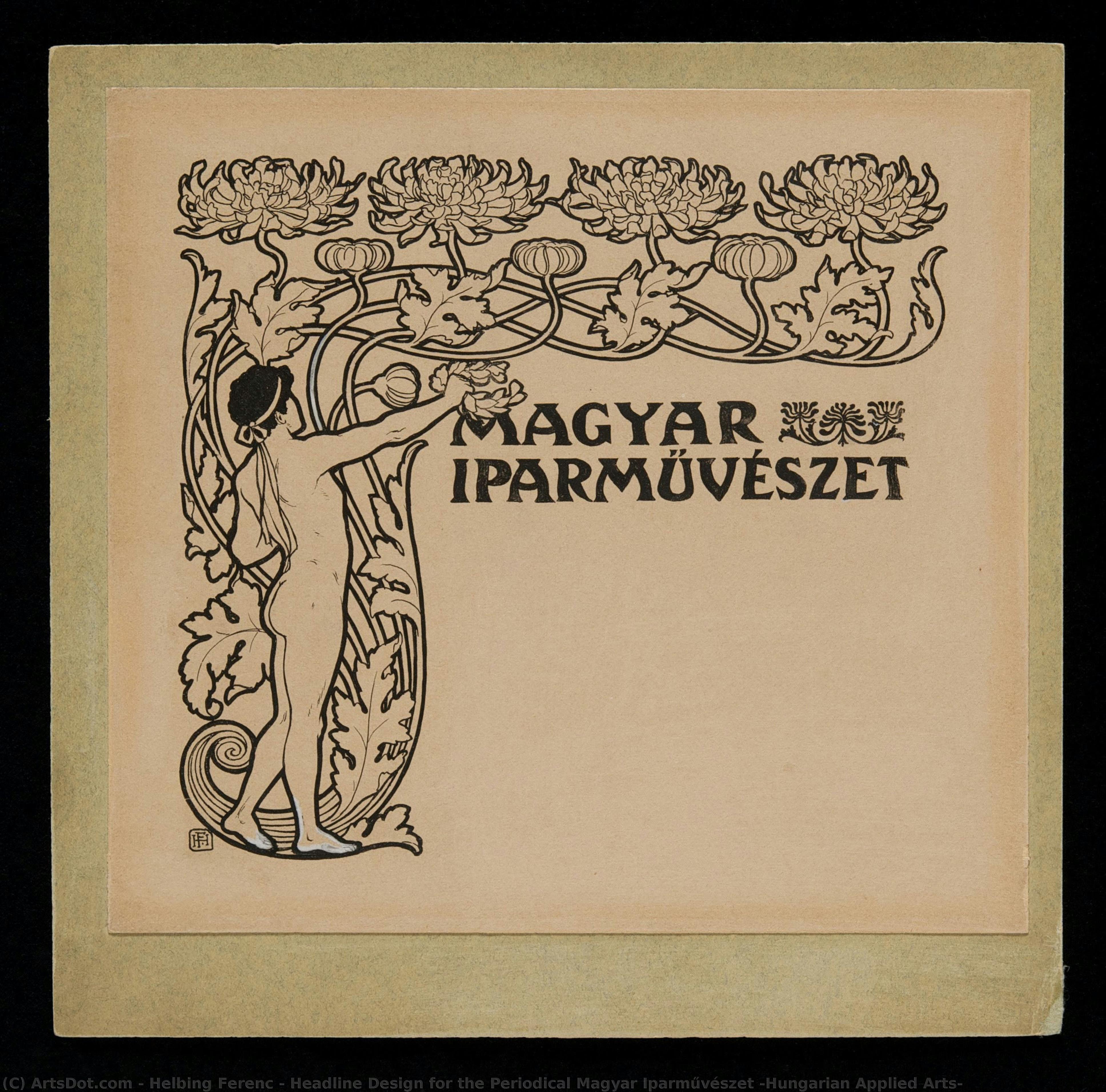
Headline Design for the Periodical Magyar Iparművészet (Hungarian Applied Arts)


 詳細を見る
詳細を見る




P118B $10

P118H $10

P118W $10

P438Z $10

P508JH $12

P508YH $12

P805H $10

P805Z $10

P919BZ $10

P919G $10

P919XJ $10

P959ZH $10

P968JZ $12

W106C $8

W218G $10

W218JH $8

W218Y $10

W307PJ $10

W316G $10

W316PJ $8

W316Y $10

W398PJ $8

W4111J $10

W500HY $15

W500JH $15

W692G $12

W849H $8

W940BG $15

W953PJ $8




作品のオリジナル比率に合わせた、当店の規定サイズからお選びください。

特定のフレームやスペースに合わせて、ご希望のサイズをご入力いただけます。選択されたサイズが元の画像の比率と異なる場合、アートワークをトリミングするか、手描きで要素を追加して絵画を拡張いたします。デジタルモックアップ を制作し、制作開始前にご確認(承認)をいただきます。
画面上のプレビューは、実際のトリミングや拡張を正確に反映しているものではありません。最終的な構図は、モックアップによってのみ正確にご確認いただけます。
カスタムサイズもご利用いただけますが、元の比率を維持するためには、あらかじめ用意されたリストからサイズを選択することをお勧めいたします。
ご注文後、ArtsDot.com チームより詳細な指示をお送りするとともに、仕上がりイメージ(モックアップ)をご提供いたします。


 ガラスオプションは、110cm未満のサイズでのみご利用いただけます。

Headline Design for the Periodical Magyar Iparművészet (Hungarian Applied Arts)
複製技法
複製画のサイズ
-


合計金額
$ 263
Headline Design for the Periodical Magyar Iparművészet: A Symphony of Symbolism and Art Nouveau
Ferenc Helbing’s 1898 design for the headline of the periodical “Magyar Iparművészet” (Hungarian Applied Arts) is more than just a graphic element; it's a meticulously crafted artifact of its era, embodying the burgeoning aesthetic currents of Historicism and the nascent influence of Art Nouveau. This striking composition, originally appearing in both 1898 and 1899, immediately captivates with its bold contrast – a stark white background punctuated by powerfully dark lettering and intricate black lines – a technique deliberately employed to maximize visual impact and create a sense of luxurious depth. The piece speaks volumes about the aspirations of Hungarian design at the turn of the century, reflecting a desire for innovation and a deep engagement with established artistic traditions.
Decoding the Symbolism: Laurel Wreaths and Chrysanthemums
At its core, the design is rooted in potent symbolism. The crowning of the title “MAGYAR IPARMŰVÉSZET” with a laurel wreath immediately evokes ancient Greek ideals of excellence and enduring achievement. This motif, frequently utilized on Historicist certificates, represented not just success but also a connection to classical heritage – a deliberate strategy employed to lend prestige and authority to the periodical itself. However, Helbing’s interpretation deviates subtly from the traditional nude depiction often associated with laurel wreaths; instead, he presents a figure extending the wreath, suggesting an active bestowal of honor rather than passive reception. Adding another layer of meaning is the carefully arranged framework of stylized branches, leaves, and flowers – predominantly chrysanthemums – that cascade from the bottom left corner. The chrysanthemum, a favored flower in Oriental cultures, was recognized as a symbol of royalty and longevity, further enriching the work’s narrative.
- Laurel Wreath: Symbol of excellence, ancient Greek heritage, prestige.
- Chrysanthemums: Royal symbolism, longevity, connection to Oriental culture.
Art Nouveau Technique and the Power of Contrast
Helbing’s mastery lies not only in his understanding of symbolism but also in his skillful execution. The Art Nouveau lettering is particularly noteworthy – deliberately flowing and organic, reflecting the movement's rejection of rigid Victorian styles. The emphatic contrast between black and white isn't merely decorative; it’s a fundamental element of the design’s impact. The carefully considered shading adds depth and dimension, creating a tactile quality that draws the viewer in. This deliberate manipulation of light and dark – a hallmark of Art Nouveau – elevates the piece beyond a simple headline, transforming it into a miniature work of art.
A Window to 1898: Context and Legacy
Created in 1898, this design represents a pivotal moment in Hungarian graphic arts. Helbing’s work reflects the broader trends of the period – a renewed interest in historical styles (Historicism), the rise of Art Nouveau, and a growing emphasis on applied arts and industrial design. His influence extended beyond this single headline; he became a leading figure in promoting innovative commercial graphics throughout Hungary. The meticulous detail and sophisticated use of symbolism demonstrate his commitment to elevating graphic design from mere functionality to a powerful form of artistic expression. This piece offers a tangible connection to the vibrant intellectual and artistic landscape of late 19th-century Hungary, showcasing the talent and vision of Ferenc Helbing.
関連作品

アーティストの略歴
The Visionary Architect of Hungarian Graphics
Born in 1870 in the historic town of Nový Zámek, Slovakia, Ferenc Helbing emerged as a transformative force in the landscape of European commercial art. His life’s work represents a seamless bridge between the meticulous precision of technical lithography and the expressive freedom of fine art. As a pioneer of Hungarian commercial graphics, Helbing did not merely create images; he shaped the visual identity of an era. His journey began with rigorous training in applied graphics and applied arts, a foundation that instilled in him a profound respect for the marriage of form and function. This early mastery of lithography served as the bedrock for a career that would eventually redefine how art could permeate the everyday lives of the public through stamps, banknotes, and posters.
The evolution of Helbing’s style was deeply intertwined with his role as an educator and administrator. From 1906, his presence at the College of Applied Graphics, and later at the College of Embellishment and Applied Arts, allowed him to cultivate a pedagogical legacy that would influence generations of Hungarian designers. He believed that technical skill should never be divorced from artistic soul, a philosophy that manifested in his diverse portfolio. Whether he was working on the delicate intricacies of a postage stamp or the grand scale of a mural, Helbing maintained a signature elegance characterized by innovative typography and a sophisticated use of graphic weight. His ability to navigate the demands of commercial utility while maintaining high aesthetic standards made him a titan of the applied arts.
A Legacy Carved in Ink and Paper
The true significance of Ferenc Helbing lies in his ability to elevate the "applied" to the level of the "monumental." His contributions to the Hungarian National Gallery serve as a testament to a man who saw beauty in the most functional of objects. To look upon his designs for banknotes and stamps is to witness a masterclass in composition, where every line and letterform serves a narrative purpose. His work in book illustrations and glass paintings further demonstrates a versatility that few of his contemporaries could match, proving that his creative impulse was as much about storytelling as it was about design.
Beyond the physical artifacts of his career, Helbing’s impact is felt in the very structure of art education in Hungary. By managing major institutions until 1936, he ensured that the rigorous standards of lithography and graphic design were passed down through a disciplined lineage of artists. His life remains a profound example of how an artist can influence the cultural fabric of a nation by finding inspiration in the intersection of commerce and creativity. Today, his work continues to be celebrated as a cornerstone of Hungarian visual heritage, reminding us that the most enduring art is often that which we hold in our hands every single day.
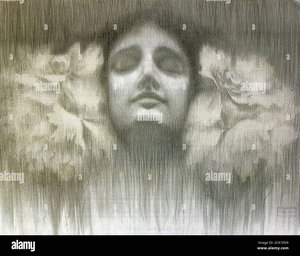
helbing ferenc
1870 - 1958 , Slovakia
基本情報
- Artistic Movement Or Style: Commercial Graphics
- Date Of Birth: Dec 25, 1870
- Date Of Death: Jan 28, 1958
- Full Name: Ferenc Helbing
- Nationality: Hungarian
- Notable Artworks: ['Hungarian National Gallery']
- Place Of Birth: Nové Zámky, Slovakia
関連記事
Károly Ferenczy: Pioneering Hungarian Modernism & the Soul of a Nation
Explore the life & art of Károly Ferenczy, a pivotal figure in Hungarian Modernism. Discover his landscapes, portraits, and role in founding the Nagybánya colony. Expert insights for collectors & enthusiasts.
The Flowing Line & Flourishing Form: Exploring Art Nouveau's Aesthetic Legacy
Explore the captivating world of Art Nouveau! Discover its origins, key artists like Horta & Mucha, regional styles, innovative techniques, and lasting influence on architecture & design. A comprehensive guide for art enthusiasts.
アール・ヌーヴォーを彩る至宝:10の傑作が語る芸術と装飾の世界
アール・ヌーヴォーの魅力を再発見!ムンロ、ドレ、ガウディ…10の傑作が織りなす曲線美の世界。芸術と装飾が融合した至高のアートをArtsDotで堪能し、お部屋に新たな彩りを。コレクションをオンラインで探索しましょう。
Alphonse Mucha: A Comprehensive Exploration of Art Nouveau's Master of Decorative Symbolism
Explore the life & art of Alphonse Mucha, master of Art Nouveau! Discover his iconic posters, stunning illustrations, and the monumental Slav Epic. A comprehensive guide for collectors & enthusiasts.
Koloman Moser: A Synthesis of Art Nouveau, Secessionism & the Gesamtkunstwerk Ideal
Explore the life & work of Koloman Moser, a pivotal figure in the Vienna Secession & Wiener Werkstätte. Discover his stunning graphic design, architecture, and applied arts – a true pioneer of Viennese Art Nouveau. Learn more at ArtsDot.

