

 プレビュー
プレビュー
 シェアする
シェアする シェアする
シェアする
 詳細を見る
詳細を見る

 ダウンロード
 似ている作品
 X線調査
X線調査 スライドショー
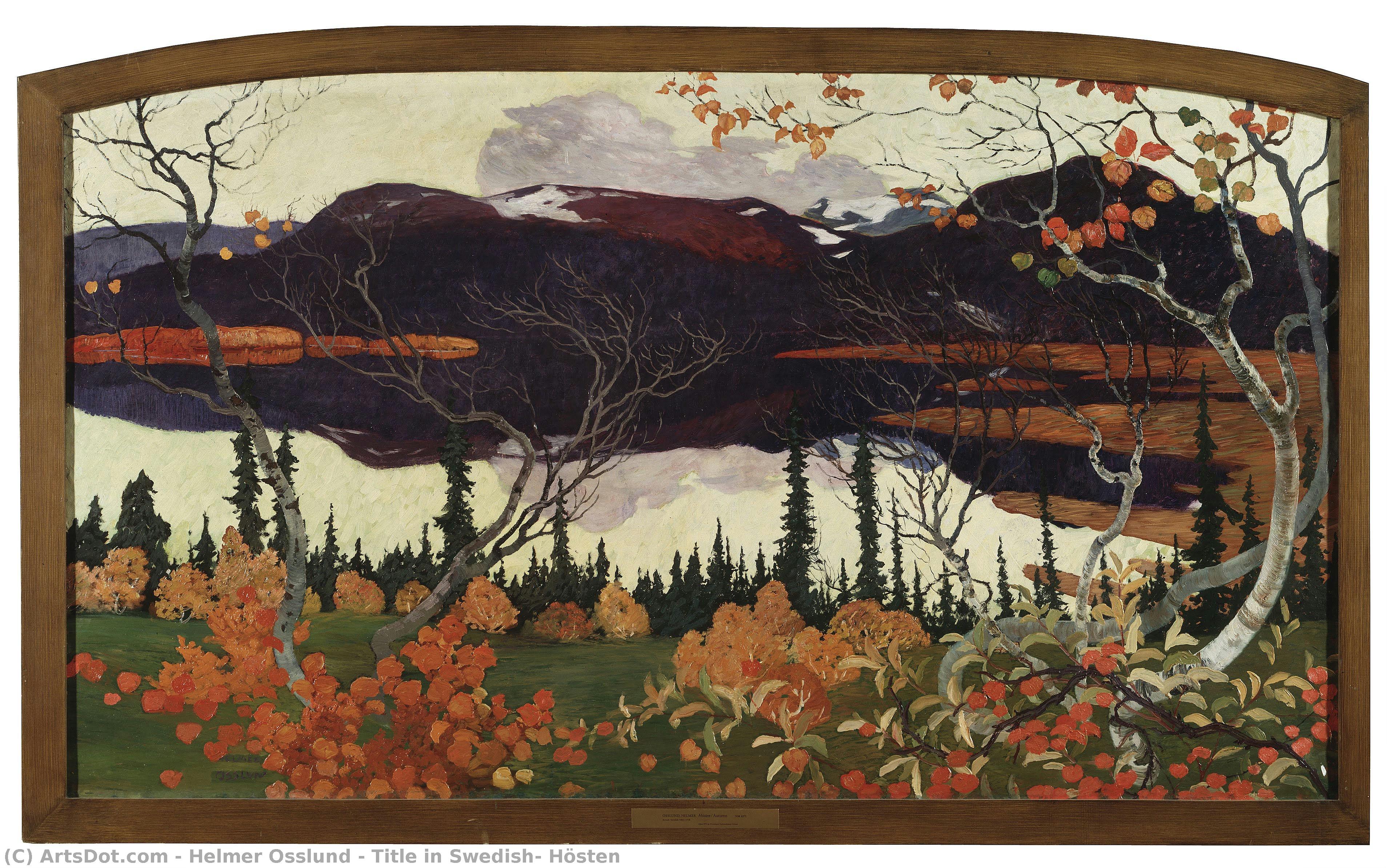
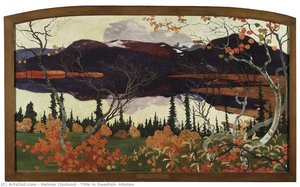
Title in Swedish: Hösten
 Oil On Canvas
- WallArt
- Impressionism
 1907
1907- 19th Century
 2020.0 x 1160.0 cm
 国立美術館
国立美術館
 詳細を見る
詳細を見る
ジークレー/アートプリント
迅速な制作と多彩な仕上げオプションを備えた、ミュージアムクオリティのジークレーまたはキャンバスプリント。 ( 手描きの絵画を購入 画像を購入)




P118B $10

P118H $10

P118W $10

P438Z $10

P508JH $12

P508YH $12

P805H $10

P805Z $10

P919BZ $10

P919G $10

P919XJ $10

P959ZH $10

P968JZ $12

W106C $8

W218G $10

W218JH $8

W218Y $10

W307PJ $10

W316G $10

W316PJ $8

W316Y $10

W398PJ $8

W4111J $10

W500HY $15

W500JH $15

W692G $12

W849H $8

W940BG $15

W953PJ $8




作品のオリジナル比率に合わせた、当店の規定サイズからお選びください。

特定のフレームやスペースに合わせて、ご自身でサイズを指定することも可能です。選択されたサイズが元の画像の比率と一致しない場合、作品をトリミングするか、鏡面反射または単色での塗りつぶしによって画像を拡張いたします。制作を開始する前に、ご確認用のデジタルモックアップをお送りいたします。
画面上のプレビューには、実際のトリミングや拡張は反映されませんのでご注意ください。最終的な構図を正確に確認できるのは、モックアップのみとなります。
カスタムサイズも承っておりますが、元の比率を維持するためには、あらかじめ用意されたリストからサイズを選択することをお勧めいたします。


 ガラスオプションは、110cm未満のサイズでのみご利用いただけます。

Title in Swedish: Hösten
ジークレー/アートプリント
複製画のサイズ
-


合計金額
$ 62
A Symphony of Autumnal Gold
In the quiet heart of the Swedish wilderness, where the boreal forest meets the mirror-like stillness of northern waters, Helmer Osslund captured a moment of profound seasonal transition. His 1907 masterpiece, Hösten (Autumn), serves as more than just a landscape; it is an evocative window into the soul of the Nordic landscape. The painting presents a breathtaking expanse of water that acts as a liquid canvas, reflecting the majestic mountain ranges and the vibrant, changing foliage of the surrounding forest. As the eye wanders across the composition, one is struck by the delicate balance between the solid, enduring presence of the mountains and the ephemeral, flickering light that dances upon the surface of the lake.
The artist’s technique in Hösten demonstrates a masterful command over the interplay between realism and impressionism. While the structural elements—the sturdy trunks of evergreen trees and the rugged silhouettes of the distant peaks—are rendered with a grounded, realistic precision, there is an unmistakable impressionistic breath that animates the work. Osslund utilizes visible, textured brushstrokes to breathe life into the autumn leaves, creating clusters of fiery oranges, deep reds, and burnt umbers that seem to vibrate against the cooler, muted tones of the water. This tactile quality adds a sense of movement, as if a gentle breeze might momentarily disturb the reflection on the lake's surface.
The Spirit of the North
Beyond its technical brilliance, the painting carries a deep symbolic weight, embodying the themes of solitude, tranquility, and the inevitable cycle of nature. The choice of an autumn setting is particularly poignant; it represents a period of preparation and quiet reflection before the slumber of winter. The misty atmosphere that partially obscures the distant mountains introduces an element of mystery and the sublime, reminding the viewer of the vastness and the untamed spirit of the Lappland region that so deeply moved Osslund. There is a certain spiritual weight to the scene, a sense of finding peace within the immense scale of the natural world.
For the discerning collector or interior designer, Hösten offers an unparalleled opportunity to introduce a sense of timeless elegance and organic warmth into a space. The rich, autumnal palette—dominated by warm ochres, deep greens, and earthy browns—complements both contemporary minimalist interiors and more traditional, classic settings. When presented in an ornate, dark wooden frame, as seen in the original, the piece takes on a formal, museum-quality presence that commands attention. A high-quality reproduction of this work does not merely decorate a wall; it invites the serene, contemplative atmosphere of the Swedish north into the home, providing a permanent connection to the enduring beauty of the changing seasons.
関連作品


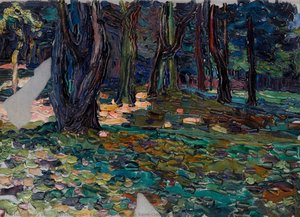

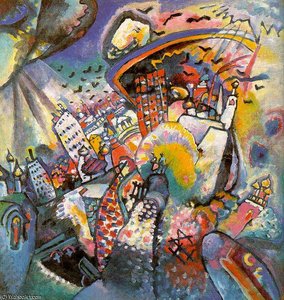
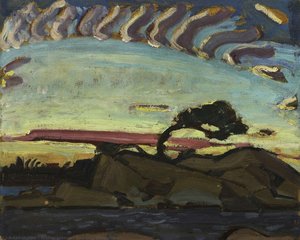
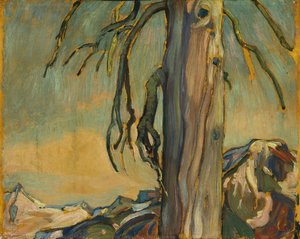
アーティストの略歴
A Northern Light: The Life and Art of Helmer Osslund
Helmer Osslund, born Åslund in 1866 and passing away in 1938, remains a captivating figure in Swedish art history. His name is inextricably linked with the stark beauty and ethereal quality of the Arctic landscapes he so passionately depicted. While not widely known outside of Scandinavian circles for much of the 20th century, Osslund’s work has experienced a resurgence in appreciation, recognized now for its unique technical innovation and profound emotional resonance. He wasn't merely *painting* Lappland; he was attempting to capture its very soul – the silence, the vastness, the spiritual weight of the northern wilderness. His life, though relatively quiet, was deeply informed by his connection to this region, a connection that would ultimately define his artistic vision.Early Years and Artistic Formation
Osslund’s early life provided the foundational experiences that shaped his aesthetic sensibility. Born in the province of Västerbotten, Sweden, he grew up surrounded by the dramatic natural environment of northern Scandinavia. This proximity to untamed wilderness instilled within him a deep reverence for nature's power and beauty. He received formal artistic training at the Academy of Fine Arts in Stockholm, where he initially pursued more conventional landscape painting styles. However, these academic approaches soon felt inadequate to express the specific qualities of the Arctic light and atmosphere that haunted his imagination. He found himself increasingly drawn back north, seeking a visual language capable of conveying the unique character of Lappland – its long winters, shimmering auroras, and the resilient lives of the Sami people who inhabited it. This yearning for authenticity led him to experiment with unconventional materials and techniques, setting him apart from many of his contemporaries.The Greaseproof Paper Technique: A Revolutionary Approach
Osslund’s most distinctive contribution to art lies in his pioneering use of greaseproof paper as a painting surface. Dissatisfied with the limitations of traditional canvas and watercolor papers, he discovered that this humble material possessed qualities uniquely suited to capturing the delicate nuances of Arctic light. The translucent nature of the paper allowed him to build up layers of color in a way that mimicked the subtle gradations of tone found in snow-covered landscapes and shimmering skies. He would apply thin washes of oil paint, often using his fingers or rags instead of brushes, creating an almost ethereal effect. This technique wasn’t simply about achieving a particular visual style; it was born from a practical need to work *en plein air* in the harsh Arctic conditions. The lightweight paper allowed for greater portability and speed, essential when capturing fleeting moments of light and weather. This innovative approach, initially met with skepticism by some critics, ultimately became his signature, allowing him to create works that possessed a unique luminosity and atmospheric depth.Themes and Symbolism in Osslund’s Work
The landscapes of Lappland are the dominant subject matter in Osslund's oeuvre. However, these aren’t merely topographical depictions; they are imbued with a profound sense of spirituality and emotional weight. He frequently depicted scenes of Sami life – reindeer herders traversing snow-covered plains, traditional dwellings nestled amongst the trees, and the Northern Lights illuminating the night sky. These images weren't intended as ethnographic studies, but rather as expressions of harmony between humanity and nature. The vastness of the landscape often dwarfs human figures, emphasizing their vulnerability and insignificance in the face of natural forces. The recurring motif of light – whether it be the soft glow of twilight or the vibrant colors of the aurora borealis – symbolizes hope, transcendence, and the enduring power of the spirit. His paintings frequently evoke a sense of solitude and contemplation, inviting viewers to connect with the raw beauty and quiet majesty of the Arctic wilderness.Legacy and Historical Significance
While Osslund’s work didn't immediately achieve widespread recognition during his lifetime, it has steadily gained prominence in recent decades. He is now considered a key figure in Swedish landscape painting, bridging the gap between 19th-century Romanticism and early Modernist explorations of abstraction. His innovative use of greaseproof paper paved the way for new approaches to materials and techniques, influencing generations of artists. More importantly, his paintings offer a powerful and evocative glimpse into a unique cultural landscape – a region often overlooked in mainstream art history.- Osslund’s work provides valuable insight into the lives and traditions of the Sami people.
- His pioneering technique continues to inspire artists working with unconventional materials.
- He successfully captured the emotional and spiritual essence of the Arctic wilderness, creating paintings that resonate deeply with viewers today.
helmer osslund
1866 - 1938
関連記事

ロマン派ランドスケープ:時代を彩る巨匠の10選|アートとインテリアの世界
ロマン派絵画の時代を彩る10選。巨匠たちの風景が織りなす感動の世界へ。ターナー、ルーベンスなど、名作の裏話と高精細複製でアートをお部屋に。ArtsDot.comで至福のアート体験を。

Evocations of Place: A Historical Journey Through Landscape Art
Explore the rich history of landscape art with ArtsDot. Discover renowned artists, movements like Impressionism & Romanticism, and expert guidance for collecting timeless pieces. Find your perfect serene escape today!

ジョン・コンスタブルの傑作25選:英国風景画の巨匠が描く自然と光の詩 | ArtsDot
ジョン・コンスタブルの傑作25選。英国風景画の巨匠が描く自然と光の詩の世界へ。ロマン主義を代表する絵画、デダム・ヴェールやヘイ・ウェインなど、ArtsDotで高品質なアートプリントをお楽しみください。インテリアに深みと感動を。コレクションはこちら。
Evocations of Place: A Historical Journey Through Landscape Art
Explore the rich history of landscape art with ArtsDot. Discover renowned artists, movements like Impressionism & tonalism, and expert guidance for collecting timeless pieces. Find your perfect serene escape today!
Nature’s Sanctuary: Curating Enchanting Forest Artworks to Transform Your Home into a Serene Woodland Retreat
Transform your home into a serene woodland retreat with enchanting forest artworks. Discover museum-quality oil reproductions and custom landscape commissions designed to bring the peaceful beauty of nature indoors.