

 プレビュー
プレビュー
 シェアする
シェアする シェアする
シェアする
 詳細を見る
詳細を見る

 ダウンロード
 似ている作品
 X線調査
X線調査 スライドショー
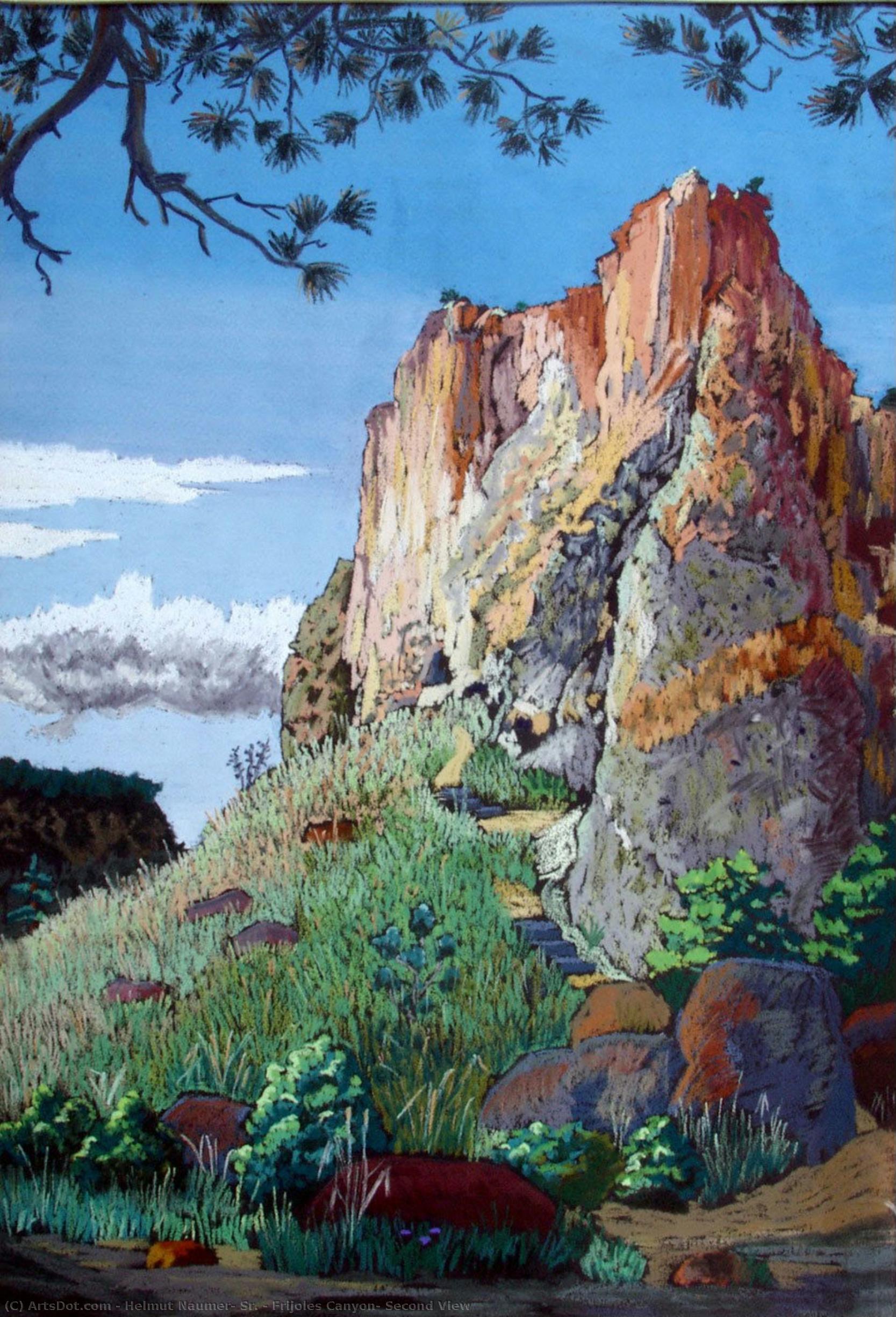
Frijoles Canyon, Second View


 詳細を見る
詳細を見る
ジークレー/アートプリント
迅速な制作と多彩な仕上げオプションを備えた、ミュージアムクオリティのジークレーまたはキャンバスプリント。 ( 手描きの絵画を購入 画像を購入)




































作品のオリジナル比率に合わせた、当店の規定サイズからお選びください。

特定のフレームやスペースに合わせて、ご自身でサイズを指定することも可能です。選択されたサイズが元の画像の比率と一致しない場合、作品をトリミングするか、鏡面反射または単色での塗りつぶしによって画像を拡張いたします。制作を開始する前に、ご確認用のデジタルモックアップをお送りいたします。
画面上のプレビューには、実際のトリミングや拡張は反映されませんのでご注意ください。最終的な構図を正確に確認できるのは、モックアップのみとなります。
カスタムサイズも承っておりますが、元の比率を維持するためには、あらかじめ用意されたリストからサイズを選択することをお勧めいたします。


 ガラスオプションは、110cm未満のサイズでのみご利用いただけます。

Frijoles Canyon, Second View
ジークレー/アートプリント
複製画のサイズ
-


合計金額
$ 62
関連作品










アーティストの略歴
Frida Kahlo: A Life Painted in Pain and Passion
Frida Kahlo, born Magdalena Carmen Frieda Kahlo y Calderón on July 6, 1907, in Coyoacán, Mexico City, remains one of the most compelling and instantly recognizable figures in 20th-century art. Her life was a tumultuous tapestry woven with physical suffering, passionate love affairs, and an unwavering commitment to self-expression—a commitment that found its purest voice through her intensely personal and profoundly moving self-portraits. More than just a painter, Kahlo was a survivor, a revolutionary, and a fiercely independent woman who defied societal expectations and carved out a unique space for herself in the male-dominated art world.
Kahlo’s early life was marked by significant hardship. At six years old, she contracted polio, leaving her with a permanent limp—a physical reminder of vulnerability that would profoundly influence her artistic vision. This experience instilled in her a deep sense of isolation and self-consciousness, themes that frequently recur throughout her work. Her father, Wilhelm Kahlo, was a German photographer who instilled in her a love for photography and an appreciation for detail, while her mother, Matilde Calderón y González, was of Spanish and Indigenous descent, grounding Frida’s identity within Mexican culture.
Despite the challenges she faced, Kahlo excelled academically and entered the National Preparatory School in Mexico City, one of the few institutions offering advanced education to girls at the time. It was here that she met Diego Rivera, a celebrated muralist whose political views aligned with her own. Their whirlwind romance began almost immediately, culminating in their marriage in 1929—a union that would be both intensely passionate and deeply fraught with complications. Rivera’s influence on Kahlo's life and art was undeniable, though she often asserted her own artistic independence.
The Defining Accident and Artistic Awakening
The trajectory of Frida Kahlo’s life irrevocably shifted in September 1925 when a devastating bus accident nearly claimed her life. The bus she was riding collided with a streetcar, resulting in severe injuries including a fractured spine, pelvis, ribs, and leg. She underwent numerous surgeries and spent months confined to a full-body cast. It was during this period of prolonged convalescence that Kahlo began to paint seriously, using a specially designed easel that allowed her to work from bed. As she described it herself, “I painted myself because I am often alone and I am the subject I know best.”
The accident left Frida with chronic pain and physical limitations for the rest of her life. She embraced this reality through her art, transforming her suffering into a powerful visual language. Her paintings are not simply depictions of her injuries; they are explorations of identity, mortality, and the complexities of the human experience. The vibrant colors, symbolic imagery, and unflinching honesty in her self-portraits reveal a deeply introspective artist grappling with both physical and emotional wounds.
A Style Rooted in Mexican Folk Art and Surrealism
Kahlo’s artistic style is often described as a unique blend of realism, symbolism, and elements of surrealism. While she initially resisted being categorized as a Surrealist—arguing that she painted her own reality rather than dreams—her work shares many characteristics with the movement, including its exploration of the subconscious, dreamlike imagery, and distorted perspectives. However, Kahlo’s art is fundamentally rooted in Mexican folk art traditions, particularly the vibrant colors, intricate patterns, and religious iconography found in Oaxacan retablos (small devotional paintings).
She frequently incorporated elements from her indigenous heritage into her work, drawing inspiration from pre-Columbian mythology and traditional Mexican beliefs. Her use of symbolism is rich and layered, with recurring motifs such as monkeys (representing Rivera), thorns (symbolizing pain), hummingbirds (representing love and resilience), and barren landscapes reflecting her own feelings of isolation and loss. Her paintings are not merely aesthetically pleasing; they are carefully constructed narratives filled with personal meaning.
Major Works and Lasting Legacy
Among Kahlo’s most celebrated works are “The Two Fridas” (1939), a double self-portrait that explores her divided identity—one Frida representing the traditional, European side of her heritage, and the other embodying the Mexican side. “Henry Ford Hospital” (1932) is a brutally honest depiction of her miscarriage, revealing her physical pain and emotional anguish. “Self-Portrait with Thorn Necklace and Hummingbird” (1940) powerfully conveys her vulnerability and resilience in the face of adversity.
Despite facing significant health challenges throughout her life, Kahlo continued to paint prolifically until shortly before her death on July 13, 1954. Her work gained international recognition after her death, fueled by feminist art historians who championed her as a pioneering female artist and a symbol of strength and self-expression. Today, Frida Kahlo is revered as one of Mexico’s greatest artists—a visionary whose unflinching honesty and profound emotional depth continue to resonate with audiences worldwide. The Museo Frida Kahlo in Coyoacán, Mexico City, stands as a testament to her enduring legacy.
helmut naumer, sr.
1907 - 1990 , Germany
基本情報
- Artistic Movement Or Style: Surrealism, Folk Art
- Artists Or Movements Influenced By This Artist: ['Mexican Muralism']
- Artists Who Influenced This Artist:
- Diego Rivera
- José Clemente Orozco
- Date Of Birth: July 6, 1907
- Date Of Death: July 13, 1954
- Full Name: Magdalena Carmen Frida Kahlo y Calderón
- Nationality: Mexican
- Notable Artworks:
- The Two Fridas
- Henry Ford Hospital
- Self-Portrait with Thorn Necklace and Hummingbird
- Place Of Birth: Coyoacán, Mexico City