 プレビュー
プレビュー
 プリントを購入
 シェアする
シェアする シェアする
シェアする
 詳細を見る
詳細を見る

 ダウンロード
 似ている作品
 X線調査
X線調査 スライドショー
The Concert (detail)


 詳細を見る
詳細を見る




P118B $10

P118H $10

P118W $10

P438Z $10

P508JH $12

P508YH $12

P805H $10

P805Z $10

P919BZ $10

P919G $10

P919XJ $10

P959ZH $10

P968JZ $12

W106C $8

W218G $10

W218JH $8

W218Y $10

W307PJ $10

W316G $10

W316PJ $8

W316Y $10

W398PJ $8

W4111J $10

W500HY $15

W500JH $15

W692G $12

W849H $8

W940BG $15

W953PJ $8




作品のオリジナル比率に合わせた、当店の規定サイズからお選びください。

特定のフレームやスペースに合わせて、ご希望のサイズをご入力いただけます。選択されたサイズが元の画像の比率と異なる場合、アートワークをトリミングするか、手描きで要素を追加して絵画を拡張いたします。デジタルモックアップ を制作し、制作開始前にご確認(承認)をいただきます。
画面上のプレビューは、実際のトリミングや拡張を正確に反映しているものではありません。最終的な構図は、モックアップによってのみ正確にご確認いただけます。
カスタムサイズもご利用いただけますが、元の比率を維持するためには、あらかじめ用意されたリストからサイズを選択することをお勧めいたします。
ご注文後、ArtsDot.com チームより詳細な指示をお送りするとともに、仕上がりイメージ(モックアップ)をご提供いたします。


 ガラスオプションは、110cm未満のサイズでのみご利用いただけます。

The Concert (detail)
複製技法
複製画のサイズ
-


合計金額
$ 263
作品解説
Hendrick Terbrugghen’s “The Concert”: A Symphony of Light and Shadow in Dutch Caravaggism
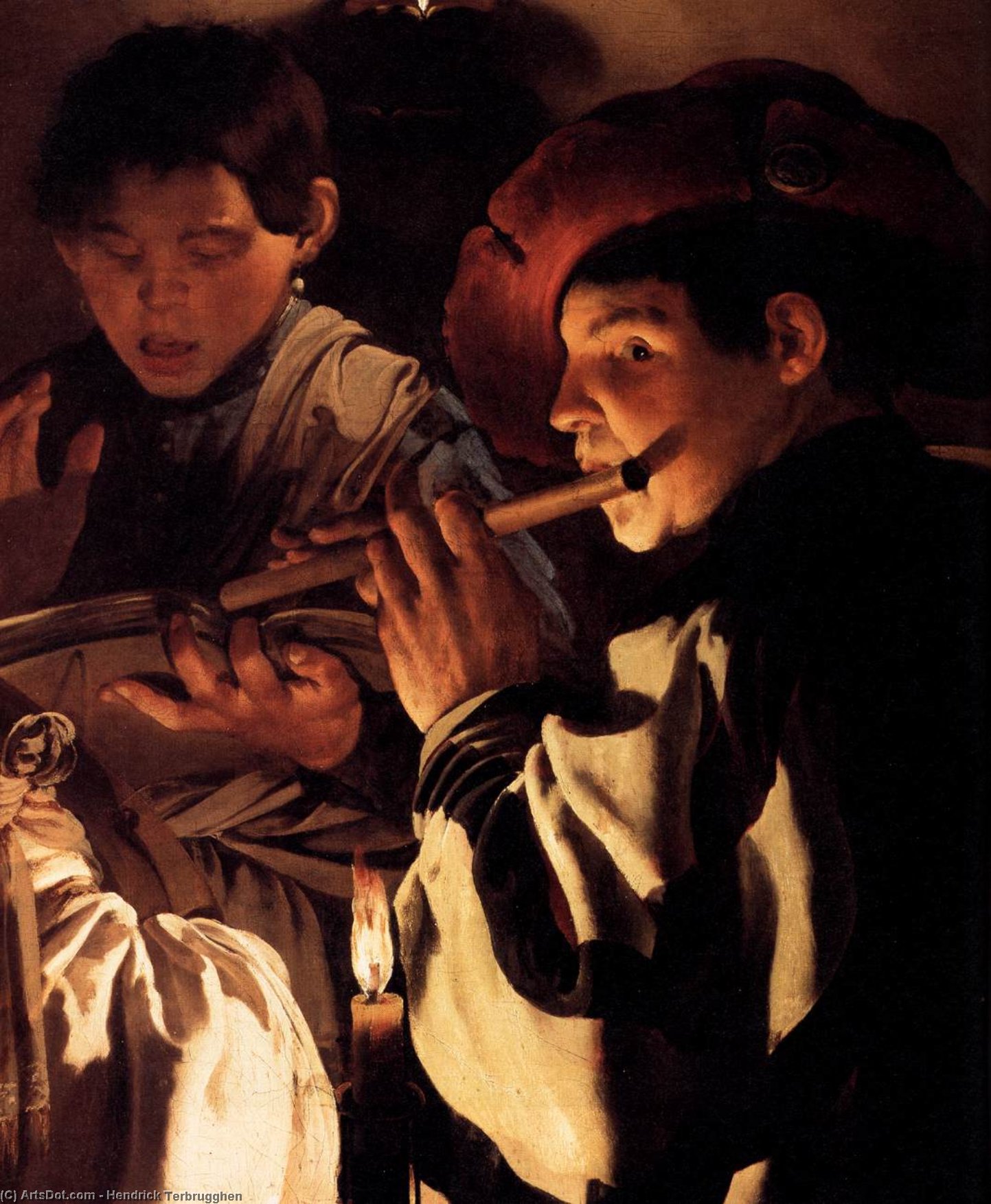
Hendrik Jansz Terbrugghen's "The Concert," painted circa 1626, stands as a testament to the burgeoning Baroque aesthetic within the Dutch Golden Age—a period defined by dramatic theatricality and an obsession with capturing fleeting moments of emotion. More than just a depiction of musicians engaged in performance, this artwork embodies Terbrugghen’s masterful command of Caravaggio's revolutionary technique, resulting in a visual experience that transcends mere representation and delves into profound psychological depth.A Masterclass in Dramatic Lighting
Terbrugghen’s signature style—rooted firmly in the Caravaggisti movement—is immediately apparent through his masterful manipulation of chiaroscuro. Unlike earlier Renaissance painters who favored diffused light, Terbrugghen employed stark contrasts between illumination and darkness to sculpt form and convey mood. The central figure, holding a pipe organ bellows, is bathed in an ethereal glow emanating from above, highlighting the musculature of his torso and emphasizing the seriousness of his gaze. This radiant light casts deep shadows across the room, creating an atmosphere of solemn contemplation and subtly hinting at hidden anxieties—a characteristic feature of Caravaggio’s dramatic approach to portraying human emotion. The artist skillfully uses this interplay of light and shadow not only to define shapes but also to guide the viewer's eye and heighten the emotional impact of the scene.Compositional Harmony: A Carefully Orchestrated Tableau
The composition itself contributes significantly to the artwork’s expressive power. Terbrugghen arranges the figures—a woman singing, an organist, and a man observing—within a confined space that feels both intimate and expansive. The placement of objects like bottles and cups adds visual interest without distracting from the central drama. Notably, the positioning of the instruments – specifically the pipe organ bellows – draws attention to the performer’s role as conduit for divine inspiration. This deliberate arrangement reinforces the painting's thematic core: a meditation on faith, contemplation, and the transformative power of artistic expression.Symbolism Embedded in Detail
Beyond its technical brilliance, “The Concert” is rich in symbolic elements that deepen its meaning. The woman’s open mouth symbolizes vocal piety—a common motif in Baroque art reflecting the fervent religious fervor of the era. The organ bellows represent not merely musical performance but also a connection to God's grace and divine presence. Furthermore, the muted color palette – predominantly browns and ochres – reinforces the solemn mood and underscores the painting’s spiritual dimension. These subtle visual cues invite viewers to contemplate the profound questions posed by the artwork about human experience and faith.Legacy of Caravaggio: An Enduring Influence
Terbrugghen's embrace of Caravaggio’s style represents a pivotal moment in Dutch art history, marking a decisive break from Renaissance conventions. He successfully adapted Caravaggio’s revolutionary techniques—particularly his dramatic use of light and shadow—to create a uniquely expressive visual language that continues to resonate with audiences today. “The Concert” stands as an enduring emblem of the Baroque ideal – capturing not just what is seen but also what is felt, cementing Terbrugghen's place among the most influential painters of his time and securing his legacy as a champion of Caravaggio’s artistic vision.関連作品

アーティストの略歴
初期の生涯と影響
ヘンドリック・ヤンスス・テルブルッヘンは、オランダ黄金時代の絵画界において極めて重要な地位を占める画家です。1588年、オランダのオーバーイッセルに生を受けた彼の運命は、父ヤン・エグベルツ・テルブルッヘンの存在によって大きく形作られました。父はウィレム公(沈黙公)の下でユトレヒト宮廷の書記を務めており、そのような高貴な環境での経験が、ヘンドリックの幼少期における芸術への深い関心を育んだことは間違いありません。芸術的キャリアと画風
テルブルッエンの芸術的な旅路は、マニエリスム派の画家であるアブラハム・ブロメールトへの師事から始まりました。その後、彼はカラヴァッジョの衝撃的な表現に触発されたオランダ人画家集団、「ユトレヒト・カラヴァッジエスキ」の主要なメンバーの一人へと成長を遂げます。彼の作品の真髄は、光と影が織りなす劇的なコントラストにあります。ドイツのミュンヘンにあるアルテ・ピナコテークに収蔵されている「受胎告知」や「享楽者」といった傑作には、その圧倒的な表現力が刻み込まれています。代表作とその遺産
テルブルッヘンの名声を象徴する作品の一つに、アムステルダムのクレマー・コレクションが所蔵する「歌うリュート奏者」があります。これはロンドンのナショナル・ギャラリーにある作品の自筆複製であり、彼の豊かな色彩感覚を見事に示しています。また、「受胎告知」は、カラヴァッジョの様式をいかに完璧に習得していたかを物語る至高の逸品です。後世の芸術家への影響: テルブルッヘンの功績は、単なる一時代の流行に留まりませんでした。彼の表現は、後に続く偉大な画家レンブラント・ファン・レインにも深い影響を与えました。アムステルダムの国立美術館(ライクスミュージアム)に鎮座する、あの有名な「夜警」に見られるドラマチックな光の演出は、ユトレヒト・カラヴァッジエスキ派が残した不朽の遺産を証明しているのです。
テルブルッヘンの作品を収蔵する美術館とコレクション
- オランダ、ハーグのマウリッツハイス美術館:ピーテル・パウル・ルーベンスによる「ニンフとサテュロス」などの名作を展示しています。
- アムステルダム、クレマー・コレクション:テルブルッヘンの傑作「歌うリュート奏者」を大切に保管しています。
- ArtsDot.comで、テルブルッヘンのさらなる作品を探求しましょう。
- ArtsDot.comの美術史セクションで、オランダ黄金時代の絵画とその影響について発見してください。
- ArtsDot.comでは、同じくユトレヒト・カラヴァッジエスキの一員であるディルク・ファン・バビューレンなど、他の芸術家についても学ぶことができます。
結び
テルブルッヘンの謎に満ちた生涯と、オランダ黄金時代の絵画界への多大なる貢献は、美術史に消えることのない足跡を残しました。光と影を操る彼の劇的な技法は、時を超えて今なお芸術家や愛好家たちの心を捉え続け、美術の世界において極めて魅力的な存在であり続けています。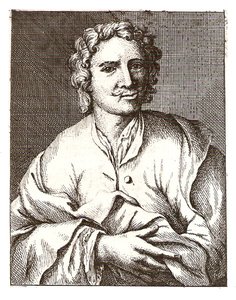
ヘンドリック・テルブルッヘン
1627 - 1629 , オランダ
基本情報
- Artistic Movement Or Style: カラヴァッジオ派の絵画
- Artists Or Movements Influenced By This Artist: レンブラント・ファン・レイン
- Artists Who Influenced This Artist: アブラハム・ブロモエルト
- Date Of Birth: 1588年
- Date Of Death: 1629年11月
- Full Name: ヘンドリック・ヤンスス・テルブルッヘン
- Nationality: オランダ
- Notable Artworks:
- 歌うリュート奏者
- 受胎告知
- イスラエルの女たちに称賛されるダビデ
- Place Of Birth: オランダ、オーバーイッセル
関連記事

Dutch Baroque Masters: 10 Paintings That Shaped an Era | ArtsDot
Journey through the Golden Age with our guide to the Top 10 Dutch Baroque masterpieces! Explore iconic paintings by Rembrandt, Vermeer & Frans Hals. Find museum-quality art reproductions and elevate your home decor at ArtsDot.com.

Golden Age Reflections: Dutch Baroque Painting & Cultural Innovation
Explore the Dutch Golden Age of painting! Discover key artists like Vermeer & ter Borch, their innovative techniques, and the rich cultural context behind these Baroque masterpieces. Learn about collecting & appreciating this iconic art period.

バロック美術を極めた至宝:時代を彩る10大名作の世界
バロック美術の華!カラヴァッジョ、ベルニーニら巨匠が創り上げた10大名作を徹底解剖。ドラマチックな色彩と豪華絢爛の世界観に触れ、至宝のアートプリントで空間を彩ろう。ArtsDot.comで美術館品質の複製と洗練されたインテリアを見つけましょう!

Giclée Prints: Archival Quality & Aesthetic Nuances for the Discerning Collector
Explore the world of giclée prints with ArtsDot. Learn about archival quality, aesthetic nuances & investment potential. Expert guidance for discerning art collectors seeking museum-quality reproductions and lasting value.
Embrace the Drama: A Guide to Baroque Dynamism and Chiaroscuro for Sophisticated Modern Interiors
Discover how to transform your home with the dramatic elegance of Baroque art. Learn to master chiaroscuro, integrate bold oil reproductions, and use light and shadow to create a luxurious, high-impact modern interior with expert design guidance.