

 プレビュー
プレビュー
 シェアする
シェアする シェアする
シェアする
 詳細を見る
詳細を見る

 ダウンロード
 似ている作品
 X線調査
X線調査 スライドショー
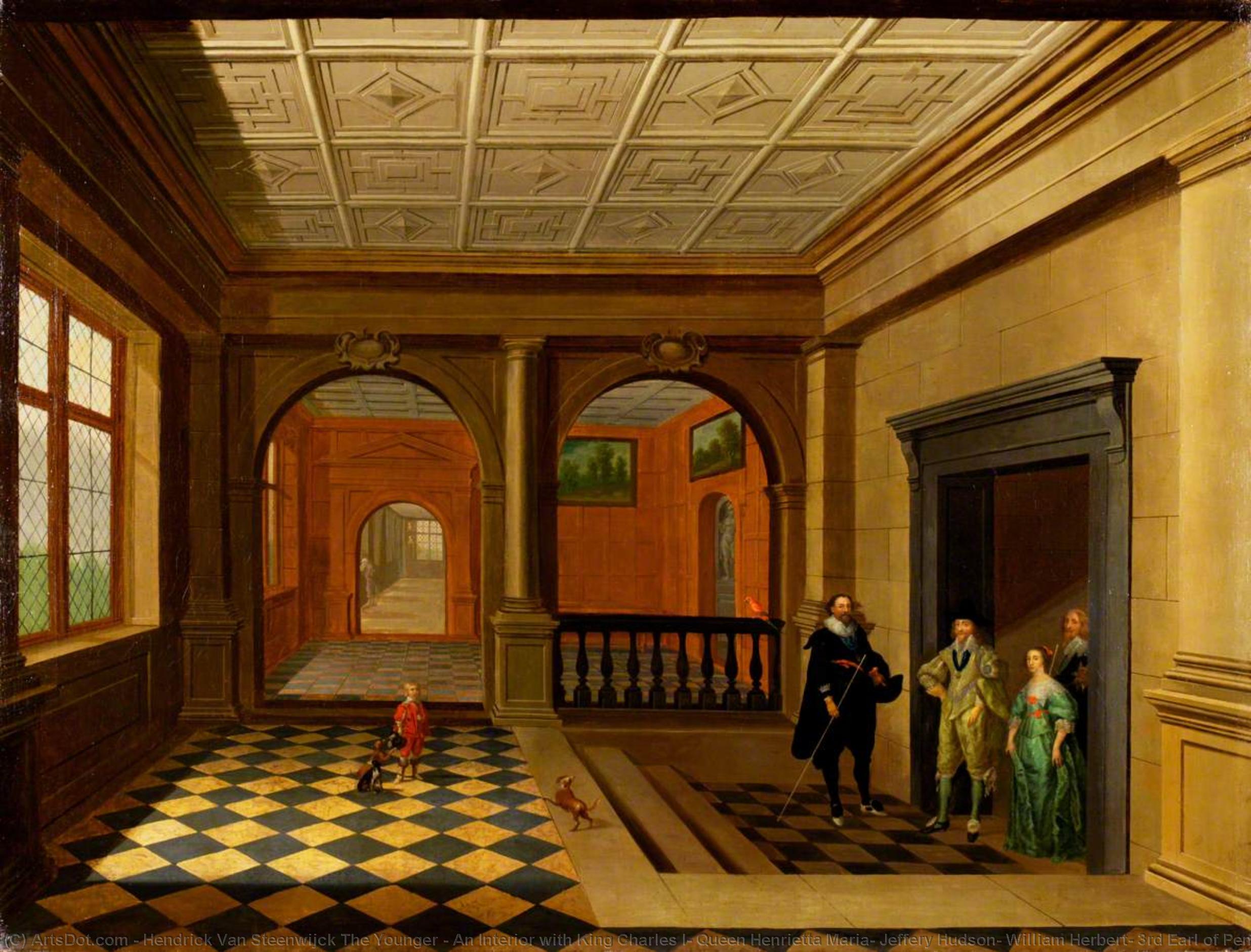
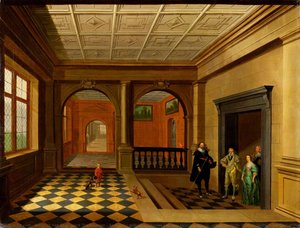
An Interior with King Charles I, Queen Henrietta Maria, Jeffery Hudson, William Herbert, 3rd Earl of Pembroke and His Brother Philip Herbert (later 4th Earl of Pembroke)
 Oil
Oil- WallArt
- Baroque
 1635
1635- Early Modern
 110.0 x 145.0 cm
 Government Art Collection
 詳細を見る
詳細を見る
ジークレー/アートプリント
迅速な制作と多彩な仕上げオプションを備えた、ミュージアムクオリティのジークレーまたはキャンバスプリント。 ( 手描きの絵画を購入 画像を購入)




P118B $10

P118H $10

P118W $10

P438Z $10

P508JH $12

P508YH $12

P805H $10

P805Z $10

P919BZ $10

P919G $10

P919XJ $10

P959ZH $10

P968JZ $12

W106C $8

W218G $10

W218JH $8

W218Y $10

W307PJ $10

W316G $10

W316PJ $8

W316Y $10

W398PJ $8

W4111J $10

W500HY $15

W500JH $15

W692G $12

W849H $8

W940BG $15

W953PJ $8




作品のオリジナル比率に合わせた、当店の規定サイズからお選びください。

特定のフレームやスペースに合わせて、ご自身でサイズを指定することも可能です。選択されたサイズが元の画像の比率と一致しない場合、作品をトリミングするか、鏡面反射または単色での塗りつぶしによって画像を拡張いたします。制作を開始する前に、ご確認用のデジタルモックアップをお送りいたします。
画面上のプレビューには、実際のトリミングや拡張は反映されませんのでご注意ください。最終的な構図を正確に確認できるのは、モックアップのみとなります。
カスタムサイズも承っておりますが、元の比率を維持するためには、あらかじめ用意されたリストからサイズを選択することをお勧めいたします。


 ガラスオプションは、110cm未満のサイズでのみご利用いただけます。

An Interior with King Charles I, Queen Henrietta Maria, Jeffery Hudson, William Herbert, 3rd Earl of Pembroke and His Brother Philip Herbert (later 4th Earl of Pembroke)
ジークレー/アートプリント
複製画のサイズ
-


合計金額
$ 62
関連作品

アーティストの略歴
The Architect of Light: The Life and Legacy of Hendrick van Steenwijck the Younger
In the golden era of the seventeenth century, when the dramatic flair of the Baroque movement began to reshape the European consciousness, few artists possessed the ability to transform mere stone and mortar into breathing, spiritual landscapes quite like Hendrick van Steenwijck the Younger. Born around 1580 in the vibrant artistic hub of Antwerp, Steenwijck was destined for a life defined by the precision of architecture and the soul of painting. His very foundation was laid by his father, Hendrick van Steenwijck I, a pioneer of the architectural interior genre. This familial lineage provided the young artist with more than just technical training; it gifted him an inherited eye for spatial illusionism, allowing him to perceive the hidden rhythms within grand cathedlam and silent corridors alike.
The trajectory of his early life was marked by a nomadic pursuit of excellence, moving from the ancestral roots of Antwerp to the industrious studios of Frankfurt am Main. Following his father's death in 1603, the mantle of the family studio fell to him, yet his spirit remained tethered to the Flemish tradition. His return to Antwerp saw him immersed in a period of profound collaboration and growth, working alongside luminaries such as Frans Francken I and Jan Brueghel the Elder. It was during these formative years that he likely absorbed the revolutionary techniques of Peter Paul Rubens, mastering the art of chiaroscuro—that breathtaking interplay of light and shadow that would eventually allow him to breathe life into the cold, vaulted ceilings of his subjects.
A Masterpiece of Perspective and Devotion
Steenwijck’s true magnum opus lies not in a single canvas, but in his monumental reimagining of the Antwerp Cathedral. Between 1620 and 1630, he embarked on an ambitious project to capture the grandeur of this sacred space, creating imaginary yet profoundly realistic interiors that served as benchmarks for the genre. These works were far more than mere architectural studies; they were spiritual experiences. Through a meticulous application of perspective, he invited viewers to wander through aisles of ornate columns and beneath soaring, ribbed vaults, where light filtered through stained glass to illuminate the divine. His ability to blend the structural rigidity of Gothic architecture with the emotive, dramatic energy of the Baroque era created a unique visual language that resonated with the religious fervor of his time.
Beyond the sacred, Steenwijck’s versatility allowed him to navigate the secular worlds of courtly elegance and biblical narrative. His skill was such that he became a sought-after collaborator for some of the greatest names in art history. In London, his brush provided the atmospheric backdrops for the portraits of Anthony van Dyck and Daniel Mytens the Elder, lending a sense of historical weight and architectural permanence to their depictions of nobility. Whether he was rendering the intimate details of a still life or the sweeping drama of a biblical scene like Croesus and Solon, his work remained anchored by an unwavering commitment to detail and a profound understanding of how light defines space.
The Final Chapters and Enduring Influence
As the decades progressed, Steenwijck’s journey took him toward the courts of The Hague, where he continued to refine his craft as a painter of distinction. His later years were spent in the service of high-ranking patrons, further cementing his reputation as an artist who could capture both the majesty of the state and the quietude of the soul. Even as his personal life moved through different regions—including periods near Leiden with his wife, Susanna van Steenwijk—his artistic output remained a testament to the enduring power of the architectural interior.
The historical significance of Hendrick van Steenwijck the Younger extends far beyond the frames of his individual paintings. He was a bridge between eras, a master who took the structural foundations of the Renaissance and infused them with the theatricality of the Baroque. His influence can be traced through the works of later masters like Pieter Neeffs I, who drew inspiration from Steenwijck’s ability to manipulate scale and light. Today, his legacy survives in the museums of the world, where his meticulously rendered cathedrals and grand halls continue to transport us to a time when art was a window into both the physical grandeur of man and the infinite mysteries of the divine.
hendrick van steenwijck the younger
1580 - 1649
基本情報
- Artistic Movement Or Style: Baroque
- Artists Or Movements Influenced By This Artist: ['Anthony van Dyck']
- Artists Who Influenced This Artist:
- Peter Paul Rubens
- Jan Steen
- Date Of Death: 1649
- Full Name: Hendrick van Steenwijck the Younger
- Nationality: Dutch
- Notable Artworks:
- Saint Jerome in His Study
- Interior of a Church
- The Liberation of St Peter
- Place Of Birth: Antwerp
関連記事

バロックのドラマ:現代のインテリアに壮麗さと情感を取り込む
バロック様式の歴史、絵画、家具の魅力をご紹介。ArtsDotでは、高品質な油絵複製やカスタムポートレートをご提供し、現代のインテリアに壮麗さと情感を取り入れます。アートコンサルテーションも承ります。
Charles Bird King: Capturing Native American Dignity Through Portraiture & Cultural Exchange
Explore the captivating portraits of Charles Bird King, renowned for his depictions of Native American leaders. Discover the historical context, artistic techniques, and collecting value of these significant 19th-century artworks.

The Dramatic Flourish: Exploring the Baroque Movement's Enduring Legacy in Art History
Explore the dramatic world of Baroque art! Discover iconic artists like Caravaggio & Rubens, defining techniques, and its lasting impact on art history. Expert insights for collectors & enthusiasts at ArtsDot.

バロック美術を極めた至宝:時代を彩る10大名作の世界
バロック美術の華!カラヴァッジョ、ベルニーニら巨匠が創り上げた10大名作を徹底解剖。ドラマチックな色彩と豪華絢爛の世界観に触れ、至宝のアートプリントで空間を彩ろう。ArtsDot.comで美術館品質の複製と洗練されたインテリアを見つけましょう!

The Visceral Stage: Exploring Dramatic Narratives & Emotional Intensity in Baroque Art
Explore the dramatic world of Baroque art! Discover iconic masters like Caravaggio & Rembrandt, their techniques, and the movement's lasting impact. Expert insights for collectors & enthusiasts at ArtsDot.

