

 プレビュー
プレビュー
 シェアする
シェアする シェアする
シェアする
 詳細を見る
詳細を見る

 ダウンロード
 似ている作品
 X線調査
X線調査 スライドショー
 統計情報
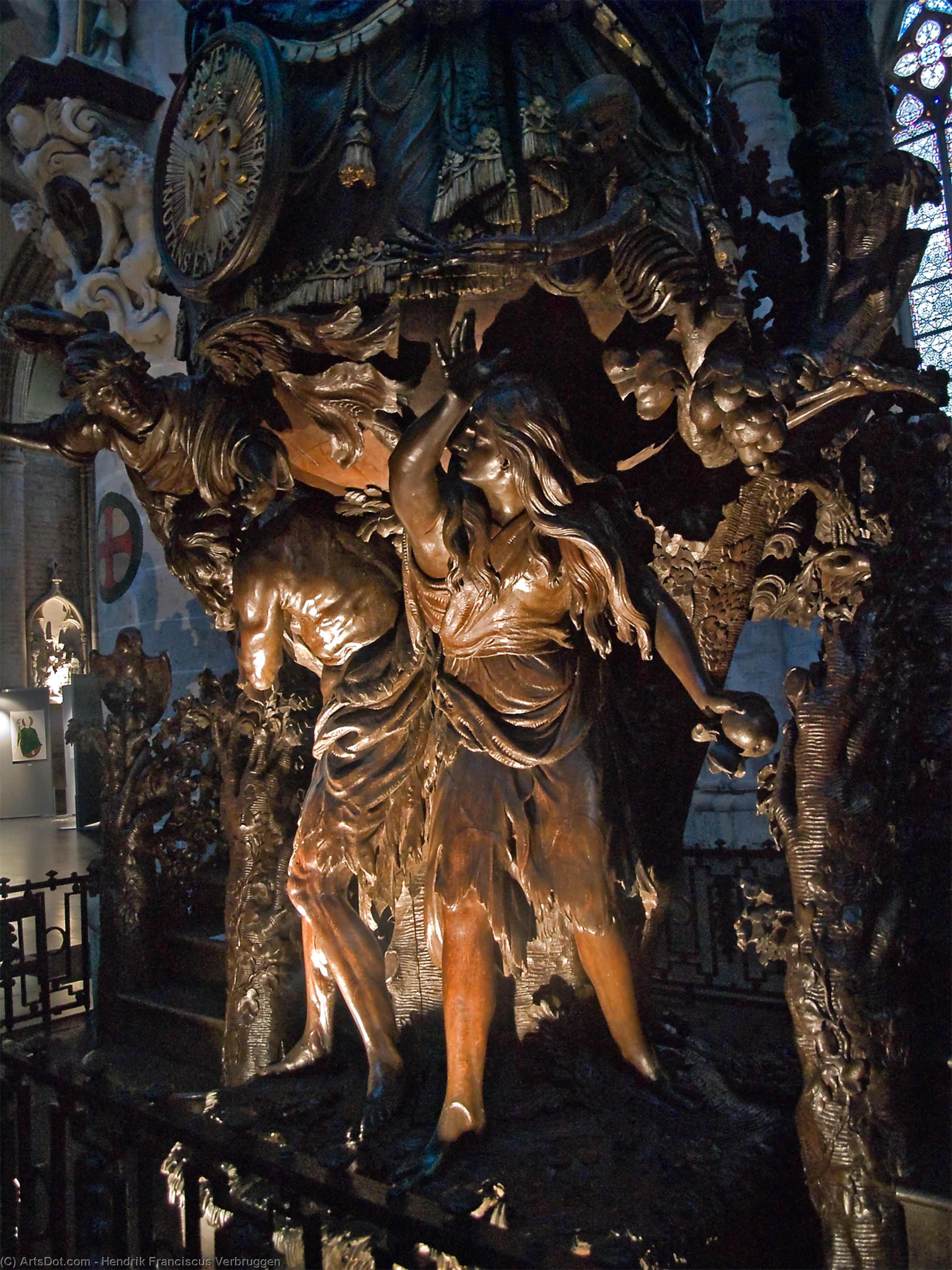
統計情報Adam and Eve expelled from Eden
 詳細を見る
詳細を見る
手描き油彩複製画
当社のアーティストが、お客様のご希望のサイズと額縁に合わせて、キャンバスに手描きで制作する油彩画です。 ( プリント版に切り替え デジタル画像販売へ切り替え)




































作品のオリジナル比率に合わせた、当店の規定サイズからお選びください。

特定のフレームやスペースに合わせて、ご希望のサイズをご入力いただけます。選択されたサイズが元の画像の比率と異なる場合、アートワークをトリミングするか、手描きで要素を追加して絵画を拡張いたします。デジタルモックアップ を制作し、制作開始前にご確認(承認)をいただきます。
画面上のプレビューは、実際のトリミングや拡張を正確に反映しているものではありません。最終的な構図は、モックアップによってのみ正確にご確認いただけます。
カスタムサイズもご利用いただけますが、元の比率を維持するためには、あらかじめ用意されたリストからサイズを選択することをお勧めいたします。
ご注文後、ArtsDot.com チームより詳細な指示をお送りするとともに、仕上がりイメージ(モックアップ)をご提供いたします。


 ガラスオプションは、110cm未満のサイズでのみご利用いただけます。

Adam and Eve expelled from Eden
複製技法
複製画のサイズ
-


合計金額
$ 263
関連作品
アーティストの略歴
Hendrik Franciscus Verbruggen: Sculptor of Sacred Spaces
Hendrik Franciscus Verbruggen (1654-1724), a name perhaps less familiar than some of his Baroque contemporaries, stands as a pivotal figure in the sculptural landscape of 17th-century Flanders. Born into a family steeped in artistic tradition – his father, Pieter Verbrugghen I, was a prominent sculptor himself – Verbruggen inherited not just a legacy but also a deep understanding of form and technique that would shape his distinctive style. His life unfolded against the backdrop of religious upheaval and political transformation, influencing both his subject matter and his approach to creating monumental works within churches across Belgium. While he initially began as an assistant to illuminator Jan Ruyselinck, Verbruggen’s true calling lay in the creation of intricately detailed pulpits, altarpieces, and other sacred furnishings that breathed life into religious spaces.Early Life and Artistic Training
Verbruggen's formative years were spent in Antwerp, a city renowned as a center for artistic innovation during the Baroque period. His father’s tutelage provided him with a solid foundation in classical principles and Flemish sculptural traditions. However, Verbruggen’s artistic journey extended beyond mere imitation; he was deeply influenced by the Italian Renaissance, particularly the dramatic dynamism of Gianlorenzo Bernini. Accounts suggest that he may have even undertaken a pilgrimage to Italy, absorbing firsthand the grandeur and expressive power of Roman sculpture – a connection reflected in the theatricality often found within his own work. This exposure to both Flemish and Italian styles would ultimately contribute to the unique synthesis that characterizes Verbruggen’s oeuvre. His brother, Pieter Verbrugghen II, also followed in their father's footsteps, further enriching the family’s artistic legacy.The Art of the Pulpit: A Defining Style
Verbruggen is most celebrated for his elaborate pulpits – monumental sculptural ensembles designed to dominate the chancel of a church. These weren’t merely functional pieces; they were intended as visual narratives, bringing biblical stories to life within the sacred space. His designs are characterized by a remarkable attention to detail, employing rich materials like lime wood and often incorporating elements of polychrome painting and gilding. The drapery in his sculptures is particularly noteworthy – flowing, dynamic, and imbued with a sense of movement that captures the drama of religious scenes. Works such as “Adam and Eve Banished from Paradise (detail of the pulpit)” exemplify this style, showcasing intricate figures set within richly ornamented settings. His work frequently draws upon classical motifs, subtly interwoven with Christian iconography to create a harmonious blend of tradition and innovation.Notable Commissions and Historical Context
Verbruggen’s career spanned several decades, during which he undertook numerous significant commissions throughout Belgium. He played a crucial role in the decoration of churches in Mechelen, Brussels, Ghent, and other cities, leaving an indelible mark on their architectural heritage. His involvement with the construction of the Saint Charles Borromeo Church in Antwerp is particularly noteworthy, reflecting the city’s status as a major center for Jesuit activity. The political and religious climate of the time – the ongoing struggle between Catholicism and Protestantism – profoundly shaped Verbruggen's work. His pulpits served not only as objects of worship but also as powerful symbols of Catholic authority in a period of intense religious conflict.Legacy and Significance
Hendrik Franciscus Verbruggen’s contribution to Flemish Baroque sculpture is undeniable. While he may not be as widely recognized as some of his contemporaries, his work embodies the spirit of the era – a fusion of classical ideals, dramatic expression, and religious fervor. His pulpits remain testaments to the skill and artistry of a master craftsman, offering invaluable insights into the visual culture of 17th-century Belgium. His influence can be seen in subsequent generations of sculptors, and his works continue to inspire awe and admiration for their beauty and historical significance. The Metropolitan Museum of Art’s collection, featuring “Saint John the Evangelist,” provides a tangible example of his enduring artistic legacy. His work stands as a powerful reminder of the role that art played in shaping religious identity and defining the visual landscape of Europe during a period of profound transformation.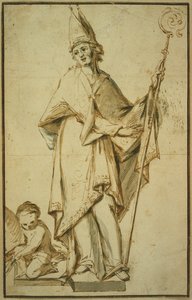
hendrik franciscus verbruggen
1654 - 1724 , Belgium
基本情報
- Artistic Movement Or Style: Baroque
- Artists Or Movements Influenced By This Artist: ['Lucas Faydherbe']
- Artists Who Influenced This Artist: ['Gianlorenzo Bernini']
- Date Of Birth: April 30, 1654
- Date Of Death: December 12, 1724
- Full Name: Hendrik Franciscus Verbruggen
- Nationality: Flemish
- Notable Artworks:
- Adam and Eve Banished
- Memorial of Bishop Capello
- Place Of Birth: Antwerp, Belgium