

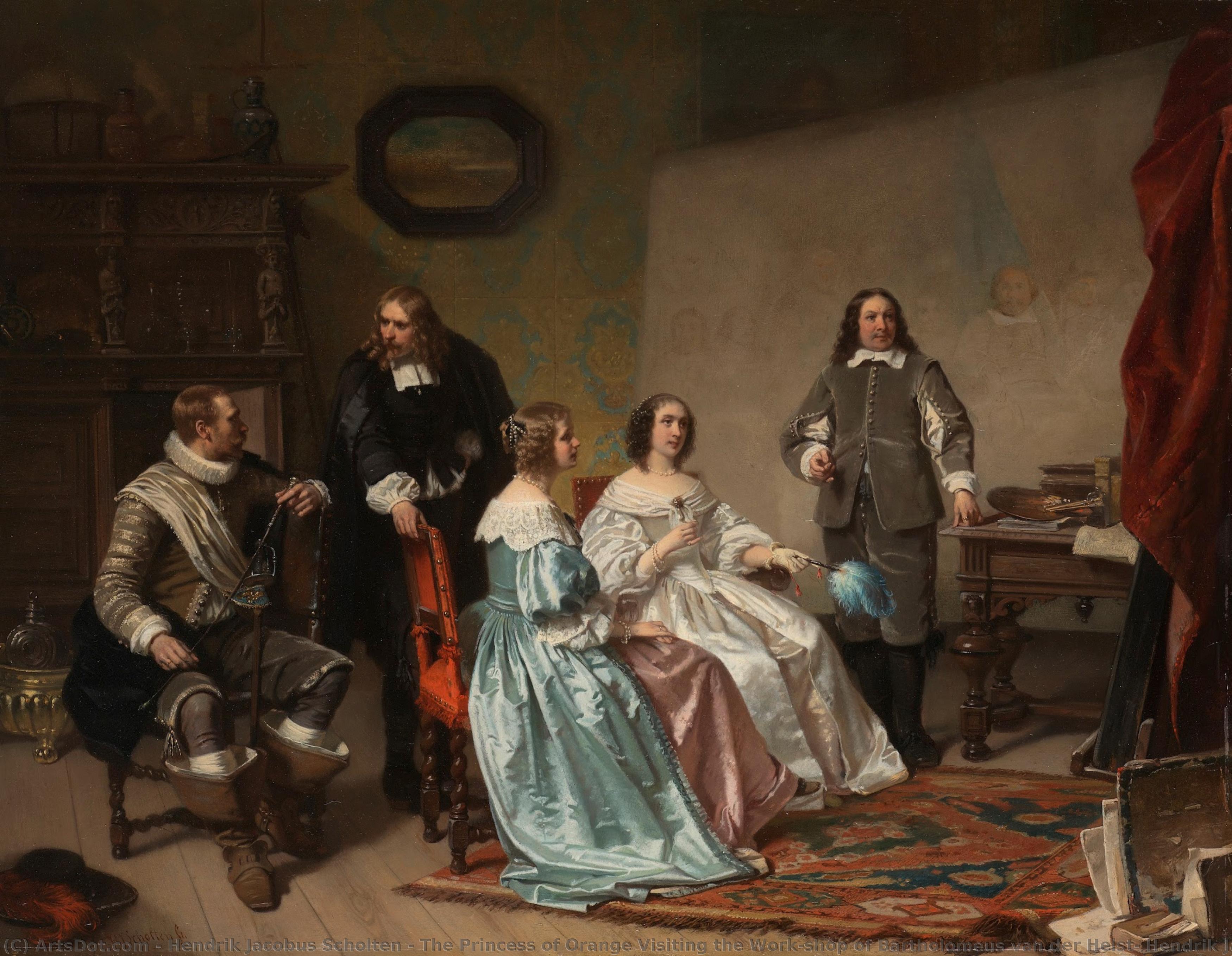
 プレビュー
プレビュー
 シェアする
シェアする シェアする
シェアする
 詳細を見る
詳細を見る

 ダウンロード
 似ている作品
 X線調査
X線調査 スライドショー
 統計情報
統計情報The Princess of Orange Visiting the Work-shop of Bartholomeus van der Helst, Hendrik Jacobus Scholten, c. 1850 - c. 1870
 Contemporary Realism
 1870
1870 46.0 x 59.0 cm
 詳細を見る
詳細を見る
ジークレー/アートプリント
迅速な制作と多彩な仕上げオプションを備えた、ミュージアムクオリティのジークレーまたはキャンバスプリント。 ( 手描きの絵画を購入 デジタル画像販売へ切り替え)




































作品のオリジナル比率に合わせた、当店の規定サイズからお選びください。

特定のフレームやスペースに合わせて、ご自身でサイズを指定することも可能です。選択されたサイズが元の画像の比率と一致しない場合、作品をトリミングするか、鏡面反射または単色での塗りつぶしによって画像を拡張いたします。制作を開始する前に、ご確認用のデジタルモックアップをお送りいたします。
画面上のプレビューには、実際のトリミングや拡張は反映されませんのでご注意ください。最終的な構図を正確に確認できるのは、モックアップのみとなります。
カスタムサイズも承っておりますが、元の比率を維持するためには、あらかじめ用意されたリストからサイズを選択することをお勧めいたします。


 ガラスオプションは、110cm未満のサイズでのみご利用いただけます。

The Princess of Orange Visiting the Work-shop of Bartholomeus van der Helst, Hendrik Jacobus Scholten, c. 1850 - c. 1870
ジークレー/アートプリント
複製画のサイズ
-


合計金額
$ 62
関連作品
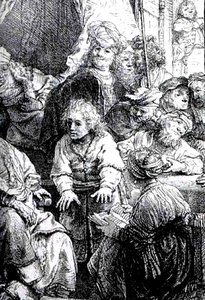
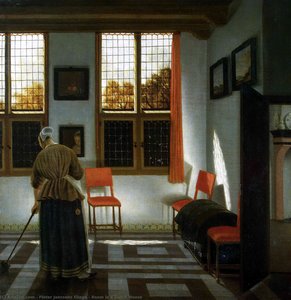
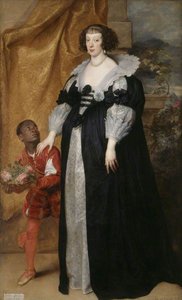
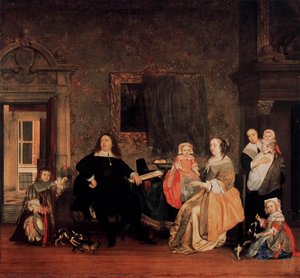

アーティストの略歴
Hendrik Jacobus Scholten: A Quiet Observer of Dutch Golden Age Life
Hendrik Jacobus Scholten (1824 Amsterdam – 1907 Haarlem), was a Dutch painter whose oeuvre primarily focused on interiors and landscapes imbued with a serene stillness characteristic of the Dutch Golden Age. Unlike many of his contemporaries who embraced grand historical narratives or dramatic portraits, Scholten cultivated a contemplative artistic vision, meticulously capturing fleeting moments of domestic life and tranquil natural vistas—often illuminated by soft light—that resonate with an understated elegance. His work stands as testament to the influence of Pieter de Hooch, whose masterful depiction of urban scenes and atmospheric perspective profoundly shaped Scholten’s stylistic approach.Early Life and Artistic Training
Born in Amsterdam in 1824, Scholten received his formative artistic education under the tutelage of Petrus Franciscus Greive and Lambertus Johannes Hansen, both prominent figures within the Amsterdam art scene. These instructors instilled in him a disciplined technique rooted in academic realism—a cornerstone of Dutch painting during the period—emphasizing careful observation and meticulous rendering of detail. This grounding in classical principles would prove invaluable as Scholten embarked on his independent artistic journey.The Influence of Pieter de Hooch
Scholten’s artistic sensibilities were decisively molded by Pieter de Hooch, a celebrated painter known for his atmospheric interiors populated with figures engaged in quiet activities. De Hooch's ability to convey emotion through subtle tonal variations and masterful use of light—particularly diffused sunlight—inspired Scholten to prioritize capturing the essence of mood and atmosphere within his canvases. This stylistic kinship is evident throughout Scholten’s paintings, where he strives to recreate a sense of contemplative serenity akin to that found in De Hooch's celebrated works.Notable Works and Artistic Style
Scholten’s artistic output spanned several decades, producing a substantial body of paintings that explore both interior spaces and landscapes with remarkable sensitivity. Among his most notable achievements is “Sunday Morning,” depicting a domestic scene bathed in soft light—a quintessential example of Scholten's stylistic hallmark. Similarly, "Levensavond" portrays a tranquil evening gathering within a richly decorated room, capturing the subtle nuances of human interaction against a backdrop of muted colors and diffused illumination. His landscapes frequently depict pastoral scenes—often featuring flowers—executed with meticulous detail and imbued with an ethereal quality reminiscent of De Hooch’s atmospheric landscapes. Furthermore, Scholten contributed illustrations for Jacob van Lennep's monumental history book “De Voornaamste Geschiedenissen van Noord-Nederland,” demonstrating his versatility as a visual storyteller.Career and Legacy
Scholten served as Art Conservator of the Teylers Stichting from 1872 until his death in Haarlem in 1907, overseeing the stewardship of the museum’s extensive art collection—a role that afforded him considerable insight into artistic trends and scholarly discourse. He authored a comprehensive catalog of the museum's holdings, published in 1904, cementing his reputation as a respected connoisseur and contributing significantly to the dissemination of knowledge about Dutch art history. Scholten’s legacy resides not merely in his individual paintings but also in his unwavering dedication to preserving artistic heritage—a testament to his enduring contribution to the cultural landscape of the Netherlands. His influence can be seen in the training of Jacobus van Looy, furthering the transmission of artistic principles and techniques across generations.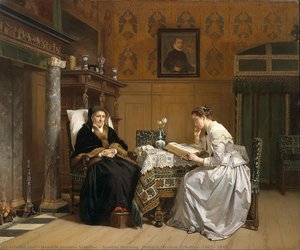
基本情報
- Artistic Movement Or Style: Dutch Golden Age
- Artists Or Movements Influenced By This Artist: ['Jacobus van Looy']
- Artists Who Influenced This Artist: ['Pieter de Hooch']
- Date Of Birth: 1824 Amsterdam
- Date Of Death: 1907 Heemstede
- Full Name: Hendrik Jacobus Scholten
- Nationality: Dutch
- Notable Artworks:
- The Princess of Orange Visiting the Work-shop of Bartholomeus van der Helst
- Sunday Morning
- Levensavond
- Place Of Birth: Amsterdam Netherlands
関連記事
Illuminating Realism: Exploring the Dutch Golden Age of Painting (1600-1700)
Explore the Dutch Golden Age of painting (1600-1700) with ArtsDot. Discover Rembrandt, Vermeer & other masters. Learn about techniques, history & find museum-quality reproductions.

黄金世紀の巨匠たち:バロック絵画が彩る10選|ArtsDot
オランダ黄金時代の10大傑作を紐解く!レンブラント、フェルメール…バロック絵画の魅力と時代背景を深く探求。ArtsDotで、至高のアートコレクションと空間演出のヒントを見つけよう。高品質なアートプリントで、お部屋を華やかに。

Golden Age Reflections: Dutch Baroque Painting & Cultural Innovation
Explore the Dutch Golden Age of painting! Discover key artists like Vermeer & ter Borch, their innovative techniques, and the rich cultural context behind these Baroque masterpieces. Learn about collecting & appreciating this iconic art period.
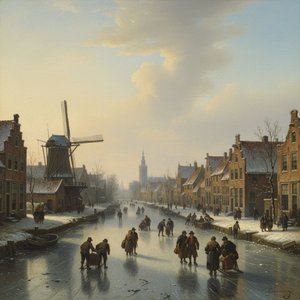
Charles Leickert: Capturing the Dutch Golden Age Light – A Comprehensive Study of Technique, Context, and Legacy
Explore the captivating winter landscapes of Charles Leickert, a master of Dutch Golden Age light & atmosphere. Discover his techniques, symbolism, and lasting legacy – a comprehensive study for art enthusiasts and collectors.

Illuminating Innovation: Exploring the Dutch Golden Age of Painting
Explore the Dutch Golden Age of painting with ArtsDot. Discover Rembrandt, Vermeer & other Masters. Learn about key characteristics, iconic artworks, and lasting influence. Expert insights for collectors & enthusiasts.