

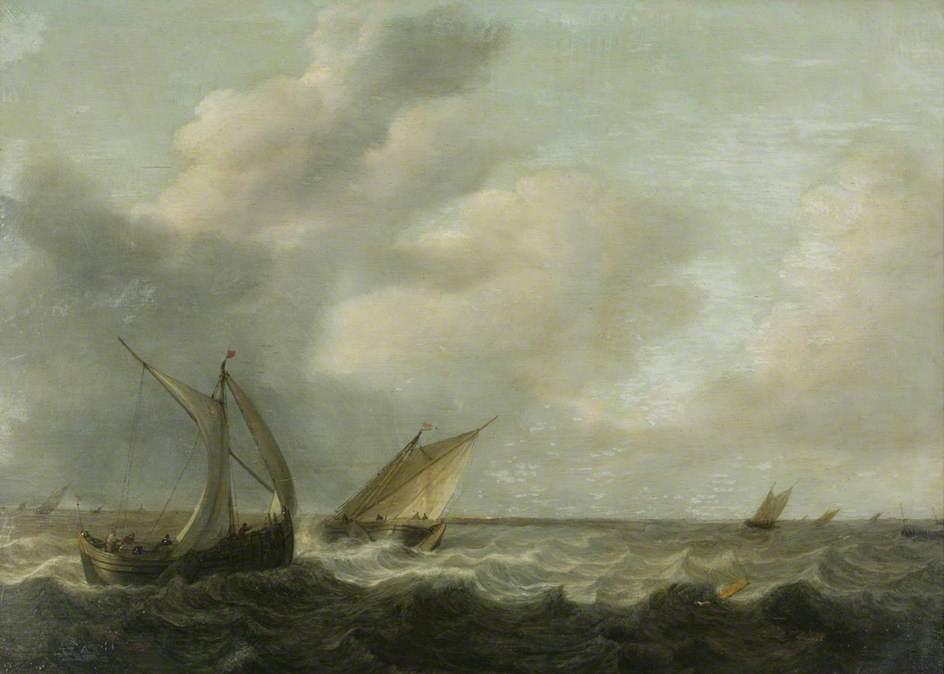
 プレビュー
プレビュー
 シェアする
シェアする シェアする
シェアする
 詳細を見る
詳細を見る

 ダウンロード
 似ている作品
 X線調査
X線調査 スライドショー
Fishing Boats in a Choppy Sea


 詳細を見る
詳細を見る
ジークレー/アートプリント
迅速な制作と多彩な仕上げオプションを備えた、ミュージアムクオリティのジークレーまたはキャンバスプリント。 ( 手描きの絵画を購入 画像を購入)




































作品のオリジナル比率に合わせた、当店の規定サイズからお選びください。

特定のフレームやスペースに合わせて、ご自身でサイズを指定することも可能です。選択されたサイズが元の画像の比率と一致しない場合、作品をトリミングするか、鏡面反射または単色での塗りつぶしによって画像を拡張いたします。制作を開始する前に、ご確認用のデジタルモックアップをお送りいたします。
画面上のプレビューには、実際のトリミングや拡張は反映されませんのでご注意ください。最終的な構図を正確に確認できるのは、モックアップのみとなります。
カスタムサイズも承っておりますが、元の比率を維持するためには、あらかじめ用意されたリストからサイズを選択することをお勧めいたします。


 ガラスオプションは、110cm未満のサイズでのみご利用いただけます。

Fishing Boats in a Choppy Sea
ジークレー/アートプリント
複製画のサイズ
-


合計金額
$ 62
関連作品








アーティストの略歴
Michelangelo Merisi da Caravaggio: A Revolutionary of Light and Shadow
Michelangelo Merisi, more famously known as Caravaggio, remains one of the most compelling and controversial figures in art history. Born in Milan in 1571, his life was a whirlwind of dramatic events—a rebellious youth, a brief but intense career marked by both extraordinary talent and shocking behavior, and an untimely death at the age of thirty-nine. His legacy lies not just in the breathtaking beauty of his paintings, but also in the radical departure he made from established artistic conventions, forever altering the course of European art. Caravaggio’s impact continues to resonate today, influencing generations of artists with his innovative use of light, dramatic realism, and emotionally charged depictions of biblical and mythological subjects.Early Life and Artistic Training
Caravaggio's early life remains somewhat shrouded in mystery. He was born into a family of artists – his father was a minor Milanese court painter – and received some initial training in the techniques of oil painting. However, it wasn’t until he moved to Rome in 1592 at the age of twenty-one that his artistic journey truly began. Rome, then the epicenter of European art, proved an irresistible magnet for young artists eager to study its classical architecture and admire the works of masters like Raphael and Titian. Initially struggling to find work, Caravaggio quickly established himself as a specialist in still lifes – vibrant arrangements of fruits and flowers – and later, half-length figures, selling his paintings on the streets of Rome. This early period demonstrates a keen eye for detail and an emerging understanding of composition, though it was far removed from the dramatic intensity that would characterize his later work.The Revolutionary Technique: Light and Drama
Caravaggio’s artistic breakthrough stemmed from a radical departure in technique and subject matter. He abandoned the traditional methods of preparatory sketches and carefully rendered backgrounds favored by many of his contemporaries. Instead, he worked directly onto the canvas with loose brushstrokes, often applying paint with his fingers. Crucially, he employed a dramatic use of *chiaroscuro* – the stark contrast between light and dark – to create an unprecedented sense of immediacy and realism. Caravaggio pushed the figures up against the picture plane, as if they were stepping out of the painting and into the viewer’s space. He used light not merely to illuminate, but to sculpt form, heighten emotion, and draw attention to key elements within his compositions. This technique, inspired by contemporary theater, transformed religious scenes into powerful dramas, imbued with a sense of everyday life and human vulnerability.Controversy and Exile
Caravaggio’s success was inevitably accompanied by controversy. His depictions of biblical figures in contemporary dress, his unflinching portrayal of human flaws, and his often-violent scenes challenged the idealized representations prevalent in Renaissance art. He had a reputation for arrogance, impulsiveness, and a volatile temper, engaging in numerous brawls and acts of violence – including slashing a rival’s cloak, throwing an artichoke at a waiter, and even assaulting a police officer. In 1606, his life took a tragic turn when he was involved in a deadly duel with a young man, resulting in the man's death. Rather than face justice, Caravaggio fled Rome, seeking refuge in Naples, Malta, and Sicily.Later Years and Legacy
During his time in Malta, Caravaggio secured membership to the Knights of St. John by painting *The Beheading of Saint John the Baptist*. However, his temper flared again, leading to a prison sentence and eventual expulsion from the order. He returned to Naples and continued to paint, though his style evolved somewhat. In 1609, he suffered an injury that left him permanently scarred, further contributing to his sense of isolation and despair. Caravaggio died in Porto Ercole, Italy, in 1610, at the young age of thirty-nine, leaving behind a remarkably small but profoundly influential body of work. His followers, known as the Caravaggisti, spread his techniques throughout Europe, shaping the development of Baroque painting for centuries to come. Caravaggio’s legacy endures not only in the beauty and drama of his paintings, but also in his revolutionary approach to art – a bold assertion that painting could be a direct engagement with reality, imbued with emotion and immediacy. His work continues to captivate viewers today, reminding us of the power of light, shadow, and human experience.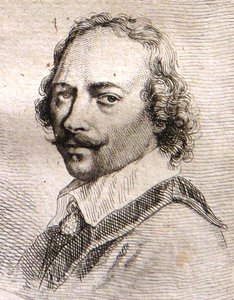
hendrik martensz sorgh
1610 - 1670
基本情報
- Artistic Movement Or Style: Caravaggism
- Artists Or Movements Influenced By This Artist: ['Baroque']
- Artists Who Influenced This Artist: ['Leonardo da Vinci']
- Date Of Birth: 1571
- Date Of Death: 1610
- Full Name: Michelangelo Merisi da Caravaggio
- Nationality: Italian
- Notable Artworks:
- The Calling of Saint Matthew
- Supper at Emmaus
- David and Goliath
- Place Of Birth: Milan, Lombardy

