

 プレビュー
プレビュー
 プリントを購入
 シェアする
シェアする シェアする
シェアする
 詳細を見る
詳細を見る

 ダウンロード
 似ている作品
 X線調査
X線調査 スライドショー
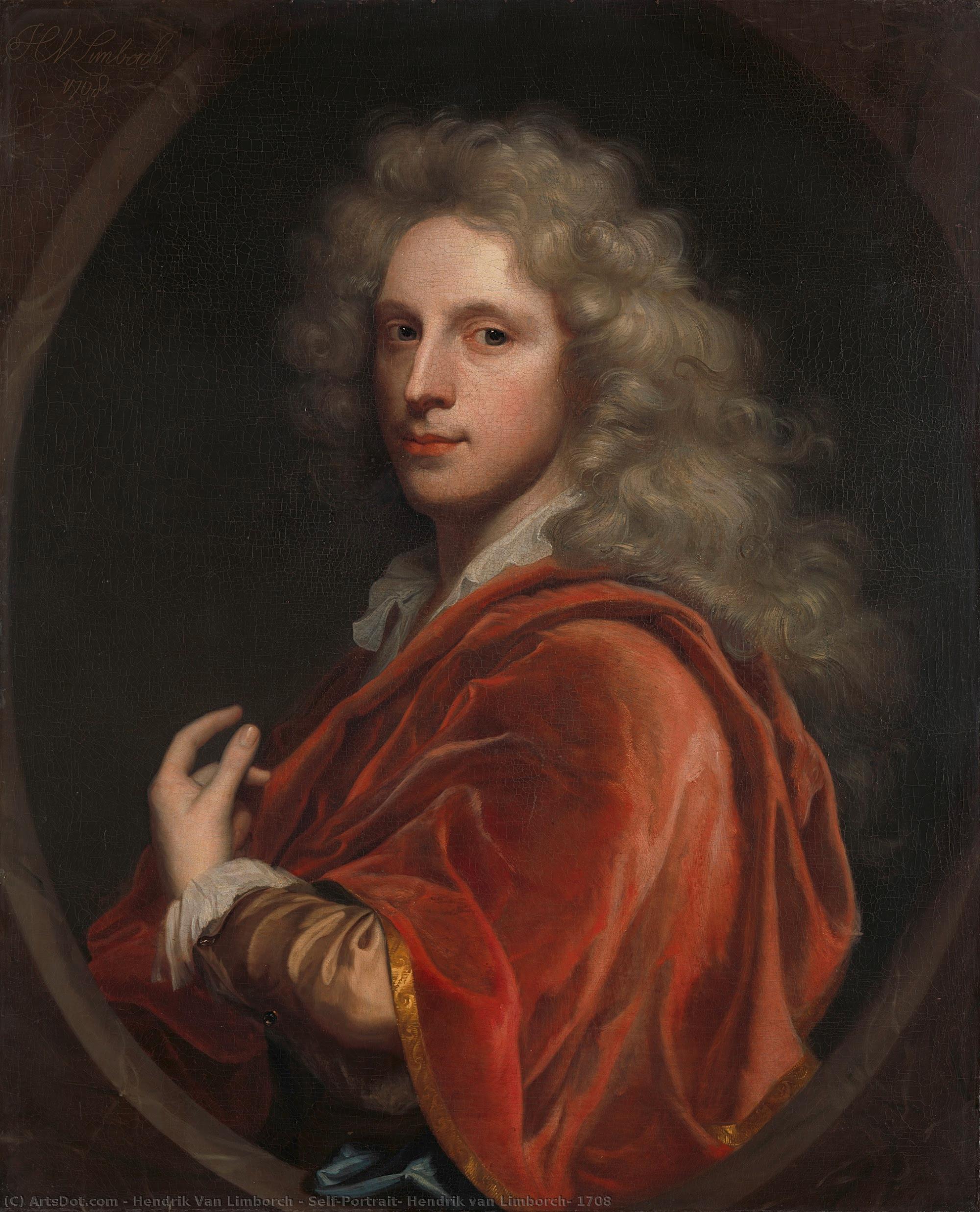
Self-Portrait, Hendrik van Limborch, 1708


 詳細を見る
詳細を見る




































作品のオリジナル比率に合わせた、当店の規定サイズからお選びください。

特定のフレームやスペースに合わせて、ご希望のサイズをご入力いただけます。選択されたサイズが元の画像の比率と異なる場合、アートワークをトリミングするか、手描きで要素を追加して絵画を拡張いたします。デジタルモックアップ を制作し、制作開始前にご確認(承認)をいただきます。
画面上のプレビューは、実際のトリミングや拡張を正確に反映しているものではありません。最終的な構図は、モックアップによってのみ正確にご確認いただけます。
カスタムサイズもご利用いただけますが、元の比率を維持するためには、あらかじめ用意されたリストからサイズを選択することをお勧めいたします。
ご注文後、ArtsDot.com チームより詳細な指示をお送りするとともに、仕上がりイメージ(モックアップ)をご提供いたします。


 ガラスオプションは、110cm未満のサイズでのみご利用いただけます。

Self-Portrait, Hendrik van Limborch, 1708
複製技法
複製画のサイズ
-


合計金額
$ 263
作品解説
関連作品


アーティストの略歴
Early Life and Apprenticeship in The Hague
Hendrik van Limborch, born in the bustling port city of The Hague on March 9th, 1681, emerged into a world steeped in artistic tradition yet undergoing significant societal shifts. His father, a respected lawyer, provided a stable upbringing that allowed young Hendrik to pursue his burgeoning passion for painting. Unlike many artists of the era bound by familial trade, Van Limborch was encouraged to follow his creative inclinations. He embarked on a rigorous apprenticeship under Jan Hendrik Brandon, a prominent figure in Dutch portraiture, laying the foundation for his future specialization. However, his education didn’t stop there; he further honed his skills with Robbert Duval and Jan de Baen, absorbing diverse techniques and stylistic nuances. The influence of Adriaen van der Werff, renowned for his meticulous detail and refined compositions, proved particularly formative, shaping Van Limborch's early aesthetic sensibilities. This varied tutelage instilled in him a versatility that would become a hallmark of his career, allowing him to navigate the demands of both portraiture and allegorical painting with equal finesse.A Career Defined by Portraiture and Allegory
Van Limborch quickly established himself as a sought-after painter in The Hague’s artistic circles. While he produced a range of subjects, his reputation primarily rested on his elegant portraits and historical allegories. His portraiture wasn't merely about capturing likeness; it was an exercise in psychological insight, revealing the inner character and social standing of his sitters. He possessed a remarkable ability to convey texture and light, rendering fabrics with astonishing realism and imbuing his subjects with a quiet dignity. Beyond portraits, Van Limborch delved into allegorical scenes, often imbued with moral or philosophical undertones. These works demonstrate a sophisticated understanding of symbolism and narrative composition, reflecting the intellectual currents of the Dutch Golden Age. His paintings weren’t simply decorative; they were intended to engage the viewer in contemplation, prompting reflection on themes of virtue, peace, and the human condition.Influences and Artistic Development
The artistic landscape of the Dutch Golden Age profoundly shaped Van Limborch's development. The legacy of masters like Rembrandt van Rijn, with his masterful use of chiaroscuro, undoubtedly influenced his dramatic lighting effects. However, Van Limborch’s style diverged from Rembrandt’s raw emotional intensity, favoring a more refined and polished aesthetic akin to that of Anthony van Dyck. He absorbed the compositional principles of Baroque painting, evident in the dynamic arrangements and theatrical gestures found in his allegorical works. His work can be seen as a synthesis of these influences—a blend of Dutch realism with Italianate grandeur. He wasn’t afraid to experiment with different techniques, incorporating elements from French Rococo art later in his career, adding a touch of lightness and elegance to his compositions. This willingness to adapt and evolve ensured that his work remained relevant throughout his long and productive artistic life.Major Achievements and Historical Significance
While Van Limborch may not be as widely celebrated as some of his contemporaries, his contributions to Dutch art are significant. His self-portrait from 1708 stands as a testament to his technical skill and introspective nature—a captivating Baroque masterpiece that reveals both the artist’s physical appearance and psychological depth. Paintings like “Holy Family with Elizabeth and the Young John” (1749) showcase his ability to create emotionally resonant scenes filled with delicate detail and dramatic lighting. His allegorical works, often commissioned by wealthy patrons, reflect the values and aspirations of Dutch society during the 18th century. Van Limborch’s historical significance lies in his ability to bridge the gap between the late Baroque and Rococo styles, adapting artistic trends while maintaining a distinctly Dutch sensibility. He represents a transitional figure—a painter who skillfully navigated changing tastes and continued to produce works of quality and refinement throughout his career. His paintings offer valuable insights into the social, cultural, and intellectual life of The Hague during the 18th century, providing a window into the world of Dutch aristocracy and their patronage of the arts.Later Life and Legacy
Hendrik van Limborch continued to paint prolifically until his death in The Hague on February 3rd, 1759. He enjoyed a long and successful career, attracting a loyal clientele who appreciated his skill and attention to detail. While he didn’t establish a large workshop or train numerous pupils, his influence can be seen in the work of other artists active in The Hague during the mid-18th century.- His paintings remain highly sought after by collectors and museums.
- They provide valuable insights into Dutch society and artistic trends.
- Van Limborch’s legacy as a skilled portraitist and allegorical painter continues to endure, solidifying his place in the history of Dutch art.
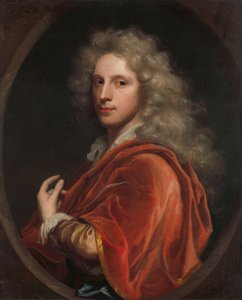
hendrik van limborch
1681 - 1759 , Netherlands
基本情報
- Artistic Movement Or Style: Baroque, Dutch Golden Age
- Artists Who Influenced This Artist:
- Jan Hendrik Brandon
- Robbert Duval
- Jan de Baen
- Adriaen van der Werff
- Date Of Birth: March 9, 1681
- Date Of Death: February 3, 1759
- Full Name: Hendrik van Limborch
- Nationality: Dutch
- Notable Artworks:
- Self-Portrait (1708)
- Putti Playing (1700-1720)
- Holy Family (1749)
- Place Of Birth: The Hague, Netherlands
関連記事

レンブラント傑作25選:光と影の巨匠、魂を揺さぶる名画の世界 | ArtsDot
レンブラントの傑作25選。光と影の魔術師が描いた魂を揺さぶる名画の世界へ。美術史に残る自画像、夜警、宗教画…ArtsDotで高品質なアートプリントやインテリアアートをお楽しみください。コレクションはこちら→

黄金世紀の巨匠たち:バロック絵画が彩る10選|ArtsDot
オランダ黄金時代の10大傑作を紐解く!レンブラント、フェルメール…バロック絵画の魅力と時代背景を深く探求。ArtsDotで、至高のアートコレクションと空間演出のヒントを見つけよう。高品質なアートプリントで、お部屋を華やかに。

Golden Age Reflections: Dutch Baroque Painting & Cultural Innovation
Explore the Dutch Golden Age of painting! Discover key artists like Vermeer & ter Borch, their innovative techniques, and the rich cultural context behind these Baroque masterpieces. Learn about collecting & appreciating this iconic art period.
Willem van de Velde the Elder: Master of Maritime Painting & Chronicler of the Dutch Golden Age
Discover the captivating maritime paintings of Willem van de Velde the Elder, a master chronicler of the Dutch Golden Age. Explore his unparalleled realism and lasting influence on naval art history.

Illuminating Innovation: Exploring the Dutch Golden Age of Painting
Explore the Dutch Golden Age of painting with ArtsDot. Discover Rembrandt, Vermeer & other Masters. Learn about key characteristics, iconic artworks, and lasting influence. Expert insights for collectors & enthusiasts.

